Artwork
Saint Dominic
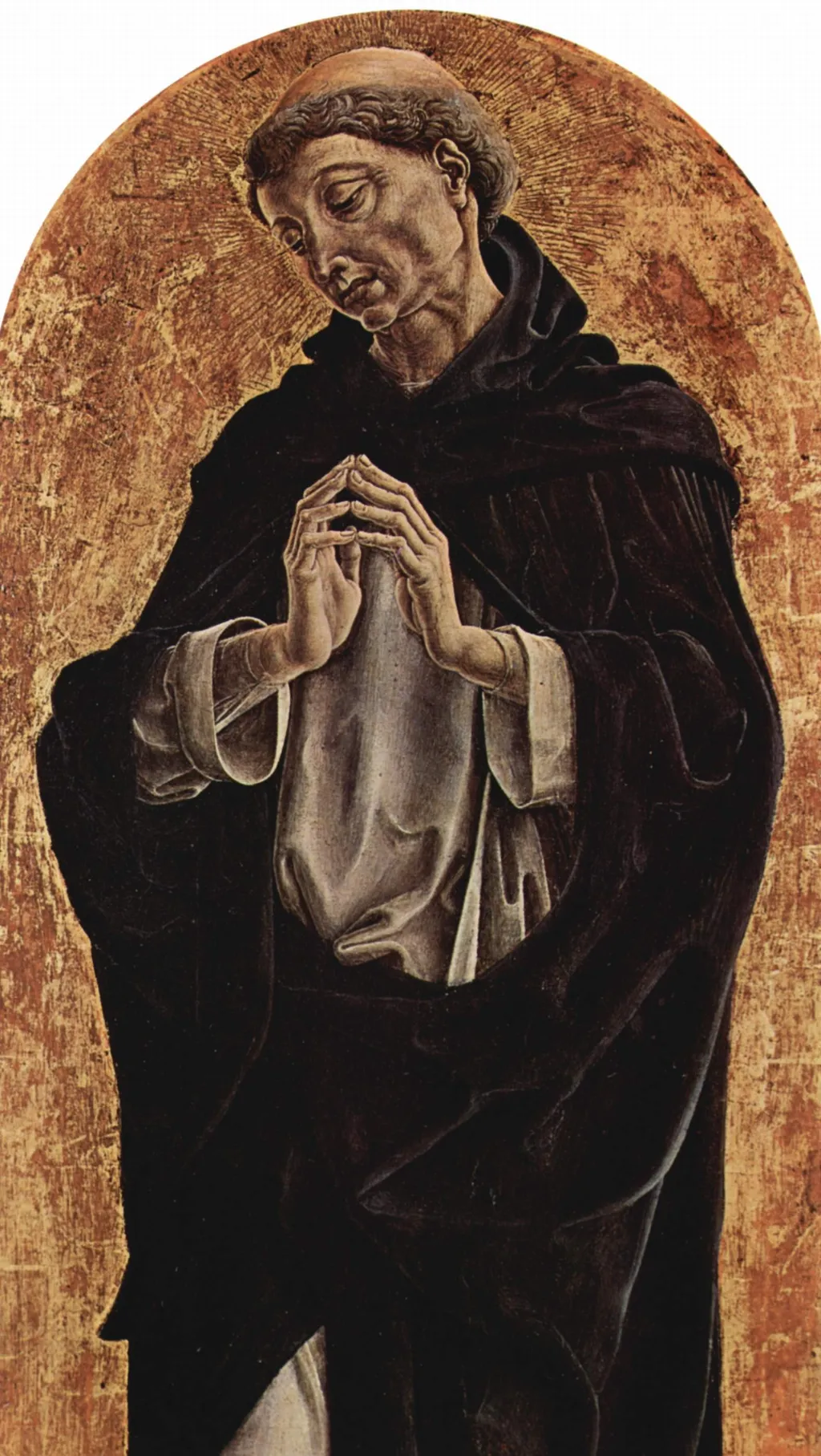
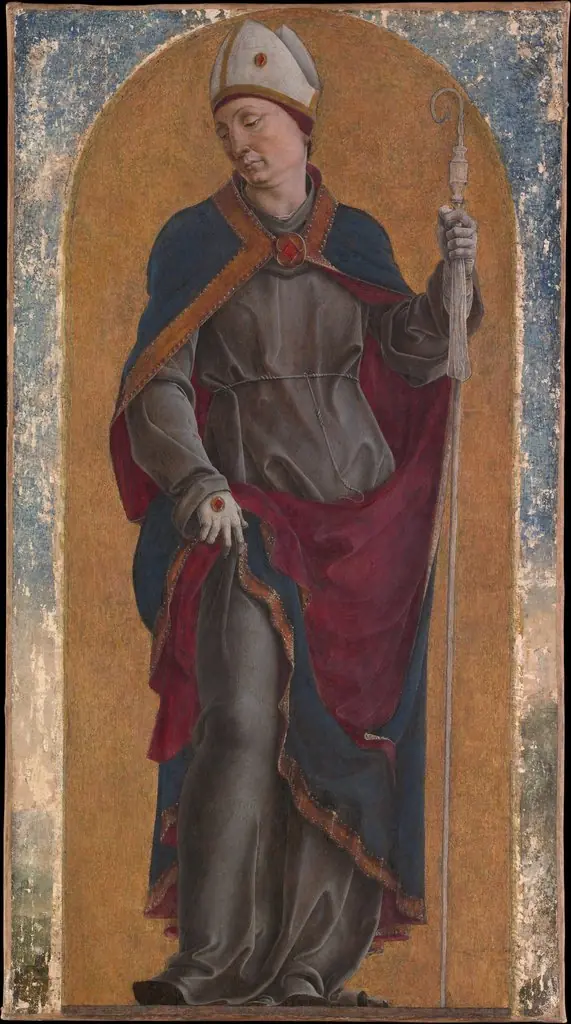
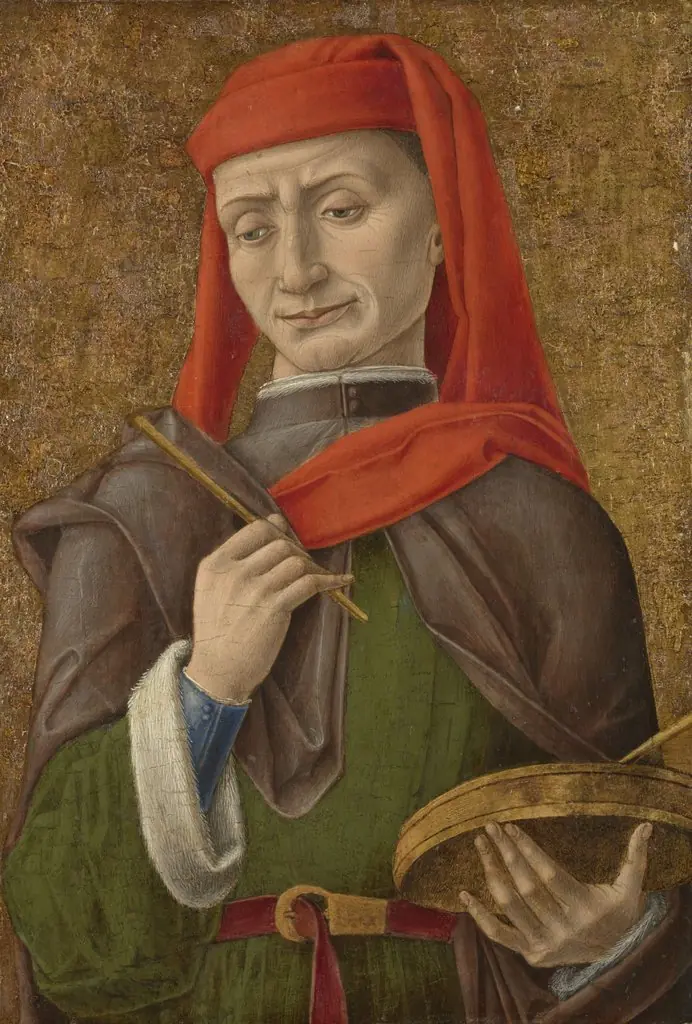
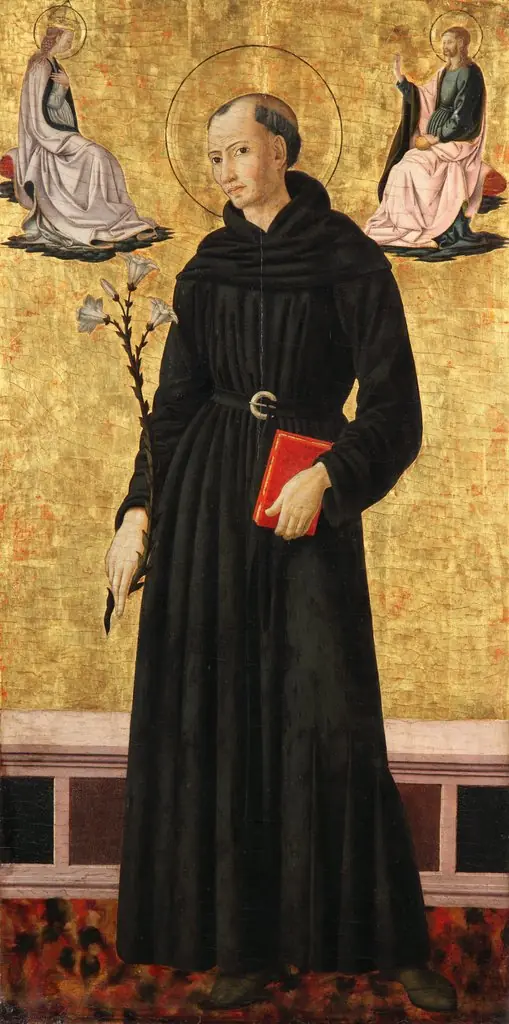
Saint Dominic is an oil painting by the Early Renaissance artist Cosimo Tura. It dates from 1475 and is held in the collection of the Uffizi Gallery.
About this work
Overview
The painting’s material and style reflect Ferrarese Renaissance conventions, with a focus on spiritual intensity and refined detail.
Painted around 1475 by Cosmè Tura, this oil-on-panel work portrays Saint Dominic in a devotional pose. Originally part of a larger altarpiece dismantled over time, it is now held in the Uffizi Gallery, Florence. The painting’s material and style reflect Ferrarese Renaissance conventions, with a focus on spiritual intensity and refined detail. Its survival as a standalone fragment offers insight into the fragmented nature of early Renaissance altarpieces.
Subject & Meaning
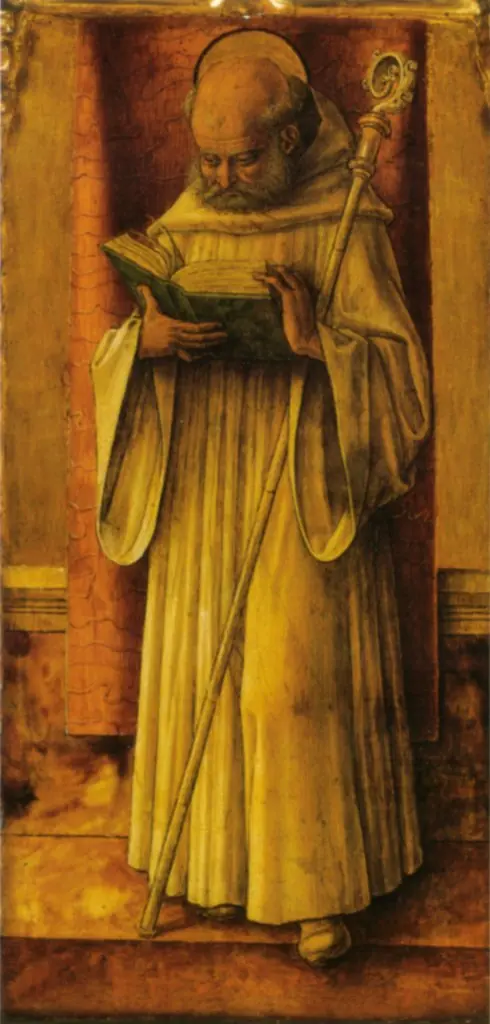
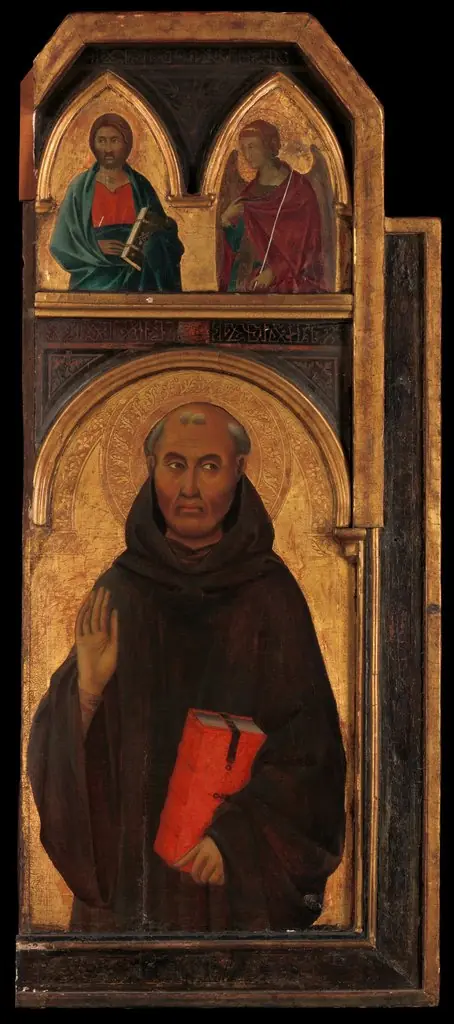
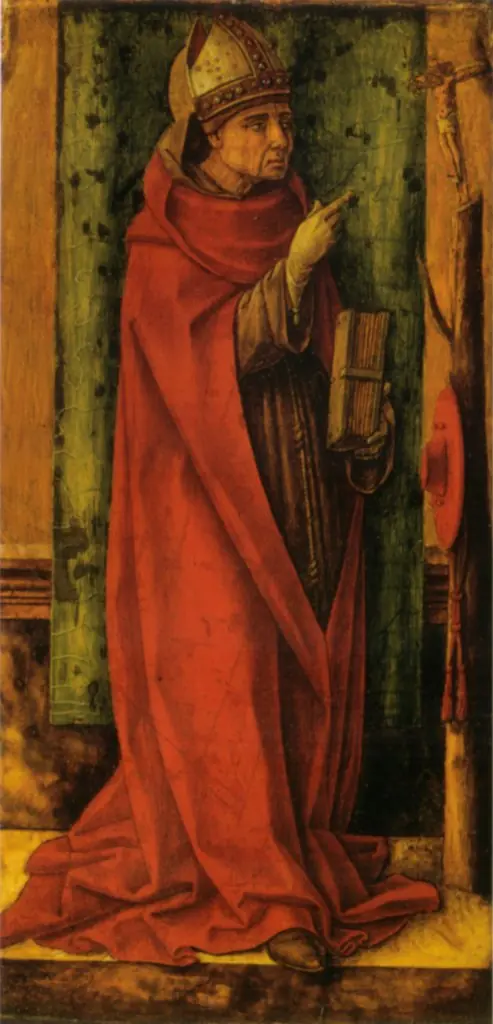
The figure is Saint Dominic, founder of the Dominican Order, depicted in prayer with hands clasped. His black habit and white undergarment signify monastic humility and clerical purity. The gold-leaf background, though textured, evokes divine presence without narrative detail. The pose and stillness emphasize contemplation, aligning with Dominican ideals of prayer and study. No halos or attributes are present, relying instead on posture and attire to convey sanctity.
Technique & Style
Tura employed oil paint on panel with meticulous brushwork, blending tempera-like precision with oil’s luminosity. The gold background is not smooth but subtly textured, creating a tactile, almost sculptural surface. Facial modeling is sharp, with angular features and intense gaze, characteristic of Tura’s expressive style. The drapery folds are rigid yet rhythmic, suggesting movement within stillness, a hallmark of Ferrarese Mannerism.
History & Provenance
The painting was once part of the Canonici family collection in Ferrara. It entered the Uffizi in 1905 after acquisition by Giuseppe Grassi. Its original context remains uncertain, though scholars have linked it to altarpieces in San Giacomo in Argenta or San Luca in Borgo. The work’s separation from its companions reflects the common dispersal of Renaissance altarpieces during the 18th and 19th centuries.
Context
Tura worked in the court of the Este family, where religious imagery was shaped by both devotional needs and humanist aesthetics. This painting reflects the fusion of northern European detail with Italian compositional clarity. Its stylistic kinship with other fragments—such as those of Saint Anthony and Saint James—suggests a shared workshop practice. Yet, the absence of matching supports with Berlin or Bergamo panels has led to revised attributions in recent scholarship.
Legacy
Though once grouped with other works in Berlin and Bergamo, modern analysis has largely discredited those connections due to differences in panel structure and technique. Current scholarship emphasizes Tura’s individual hand and the localized Ferrarese context. The painting remains a key example of his ability to convey spiritual gravity through formal restraint, influencing later interpretations of saintly portraiture in northern Italy.
Artist & collection
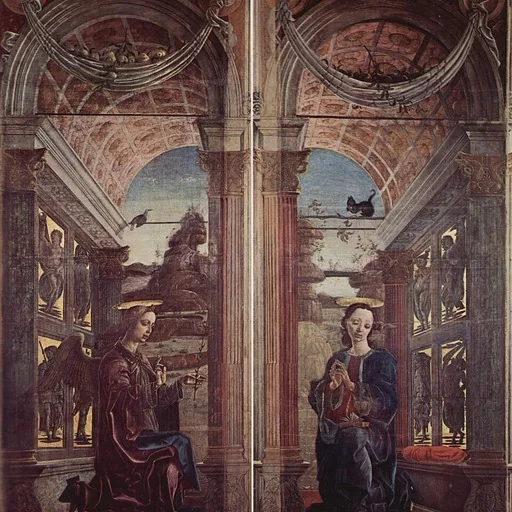
Artist
Cosmè Tura (Italian pronunciation: ; c. 1430 – 1495), also known as Il Cosmè or Cosimo Tura, was an Italian early-Renaissance (or Quattrocento) painter and considered one of the founders of the School of Ferrara. He…