Artwork
Ancient Trees in the Roman Campagna
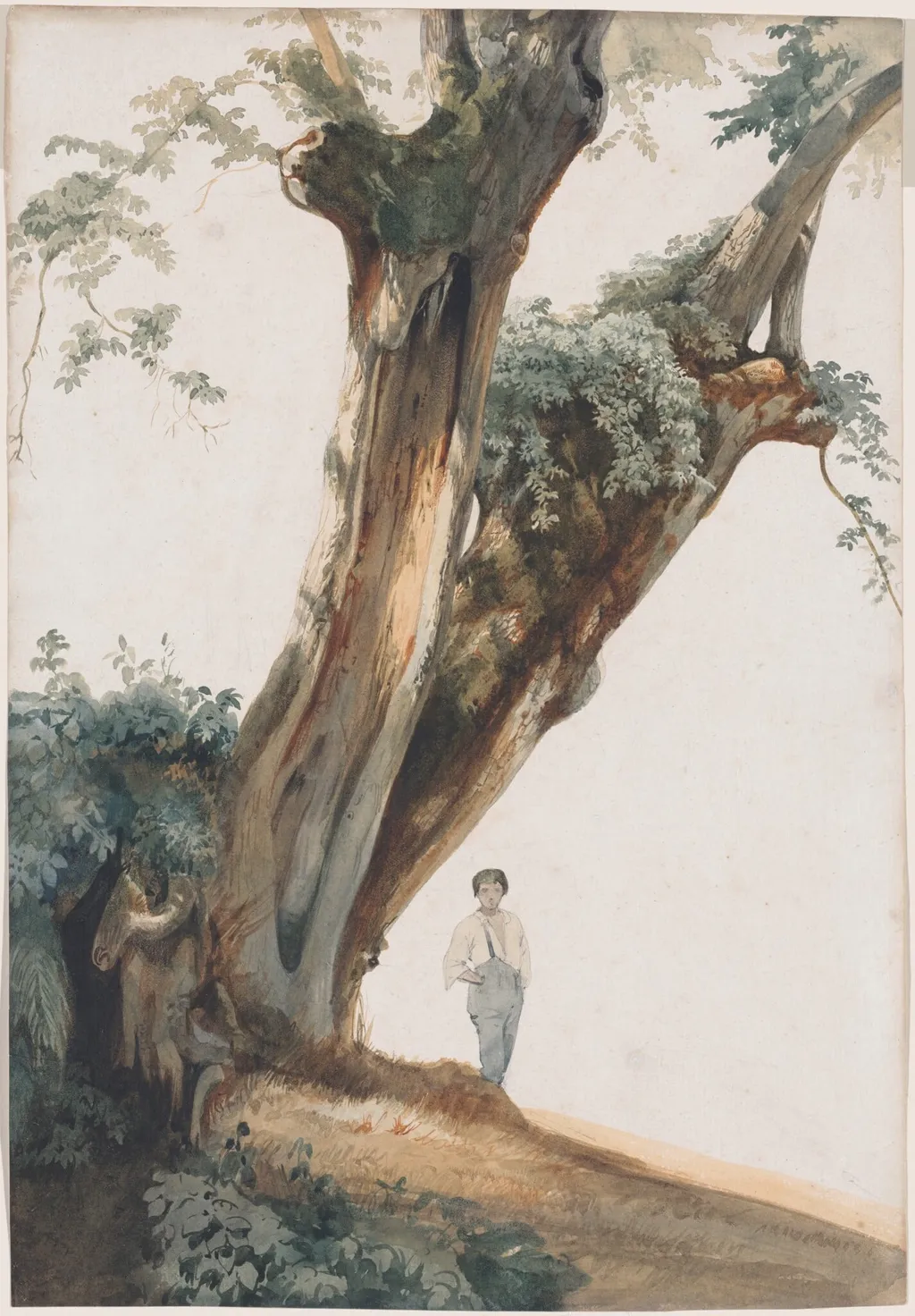
Ancient Trees in the Roman Campagna is a graphite drawing by the Impressionist artist Giovanni Costa. It dates from 1854 and is held in the collection of the National Gallery of Art.
About this work
Overview
Ancient Trees in the Roman Campagna, created circa 1854 by Giovanni Costa (Nino Costa), is a watercolor over graphite on wove paper drawing. Executed during the mid-19th century, this work exemplifies Costa's landscape painting style.
Subject & Meaning
The drawing portrays a serene Roman Campagna landscape, featuring two ancient, gnarled trees with a lone figure in simple attire standing nearby, holding an indistinct object. The scene conveys a sense of timelessness and harmony between nature and human presence.
Technique & Style
Costa utilized watercolor over graphite, leveraging the medium's transparency to achieve an airy, naturalistic effect. The soft, pale sky and the textured depiction of the trees' trunks and foliage showcase his mastery of capturing light and texture.
History & Provenance
Created around 1854 by Italian artist Giovanni Costa (1826-1903), a landscape painter with known patriotic and revolutionary inclinations. Specific provenance details are not provided.
Context
The Roman Campagna, a region near Rome renowned for its rural landscapes, inspired this work. The subject reflects Costa's focus on capturing the essence of Italian landscapes during a period of emerging national identity.
Legacy
While specific legacy details of *Ancient Trees in the Roman Campagna* are not provided, the work contributes to the broader appreciation of 19th-century Italian landscape painting and Costa's contributions to the genre.
Artist & collection
Artist
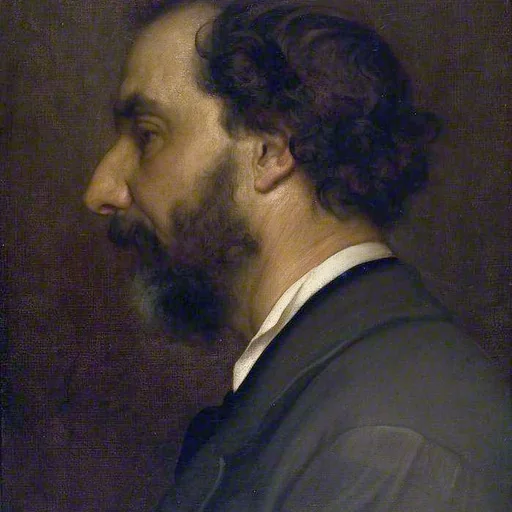
Giovanni Costa (15 October 1826 – 31 January 1903), often known as Nino Costa, was an Italian landscape painter and patriotic revolutionary.

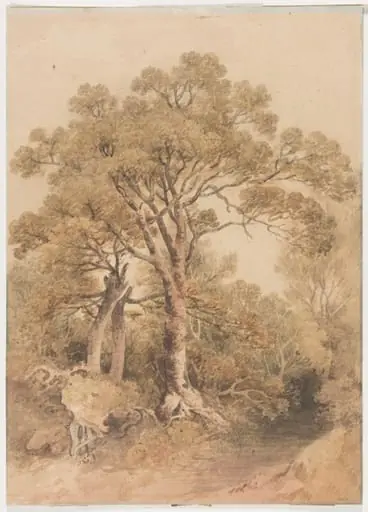 Study of trees
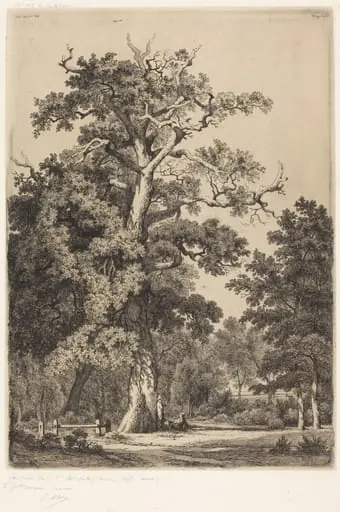 Ancient Oak in the Bois de Boulougne
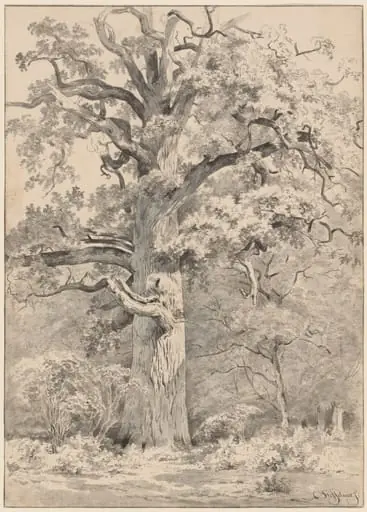 A Giant Oak at the Edge of a Forest
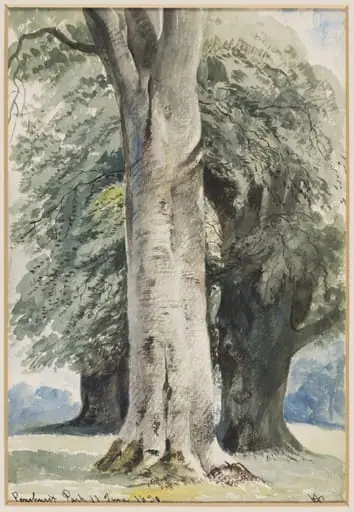 Penshurst Park
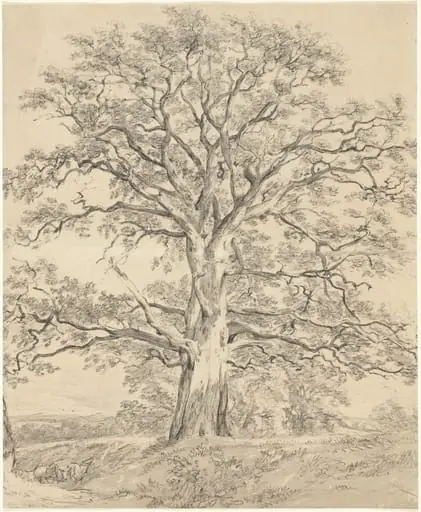 A Great Oak Tree
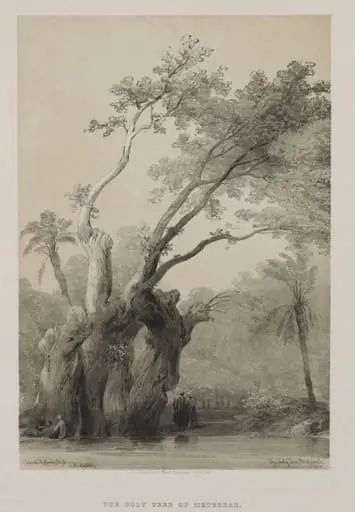 Egypt and Nubia, Volume III: The Holy Tree of Metereah
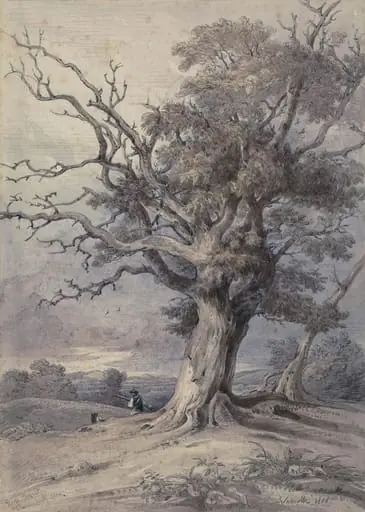 Horse Chestnut, Thame Park, Oxon
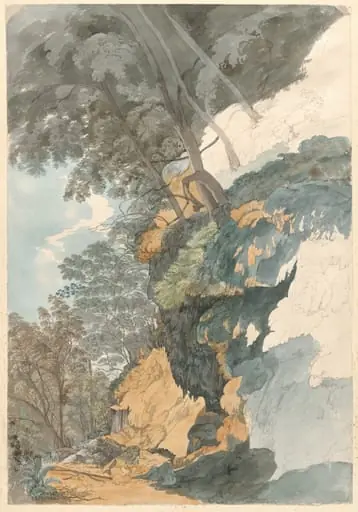 A Cliff Overhung with Trees
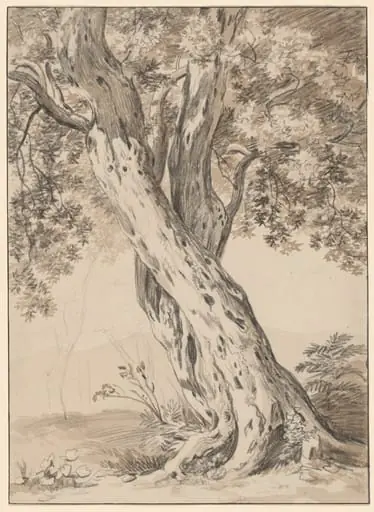 Two Intertwined Oak Trees
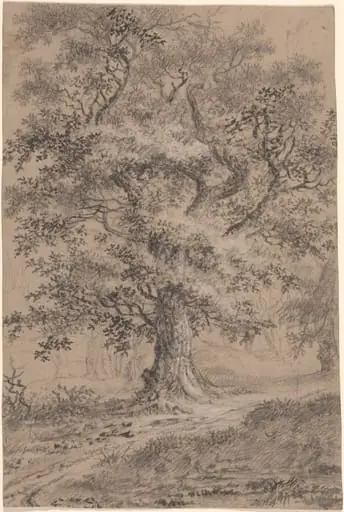 A Leafy Oak by a Woodland Path
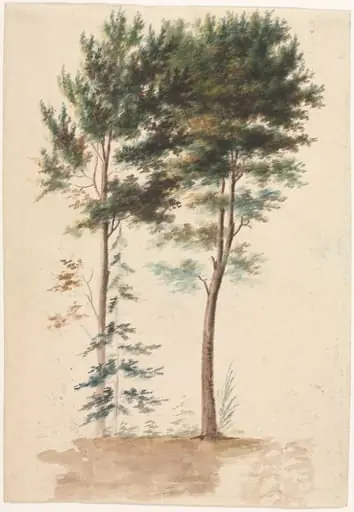 Trees
Trees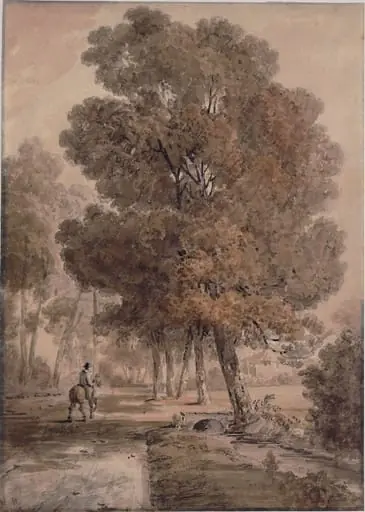 Landscape with horsemen