Artwork
Study of trees
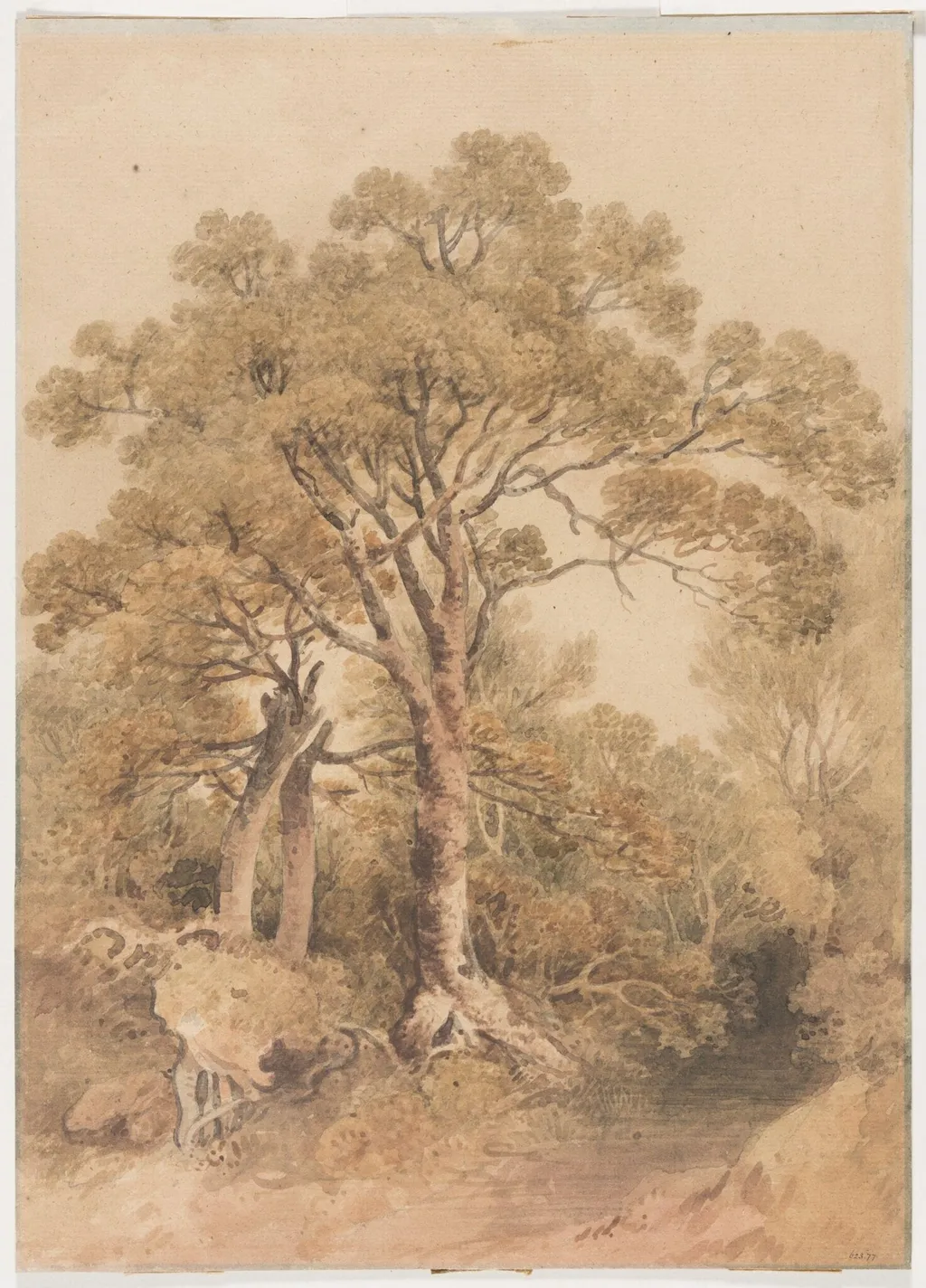
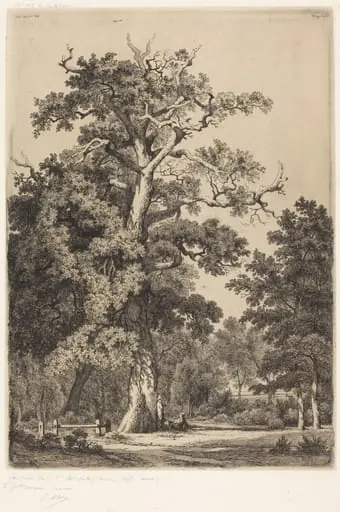
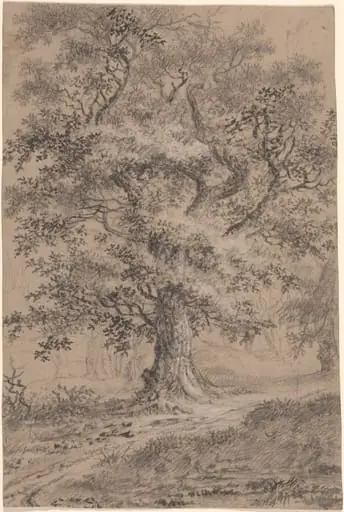
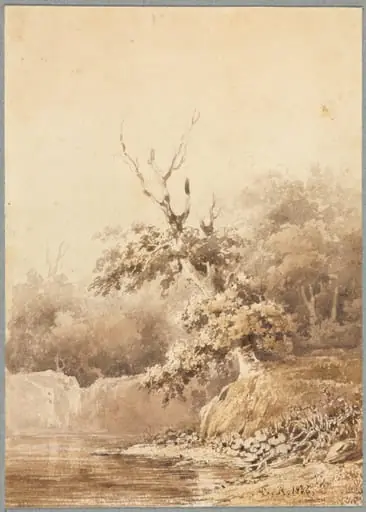
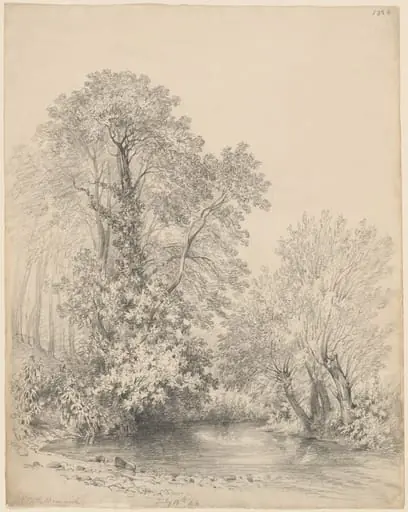
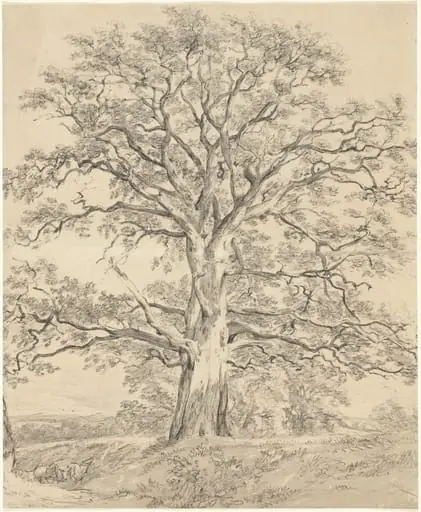
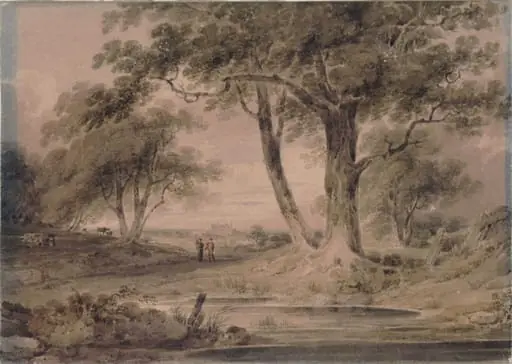
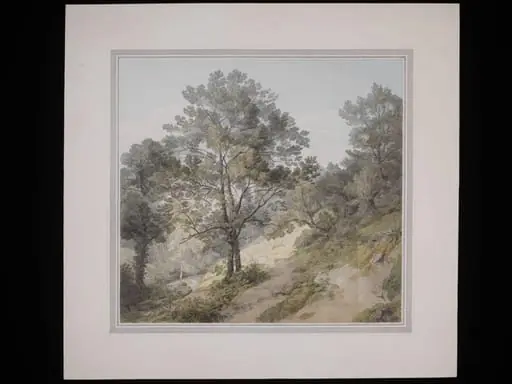
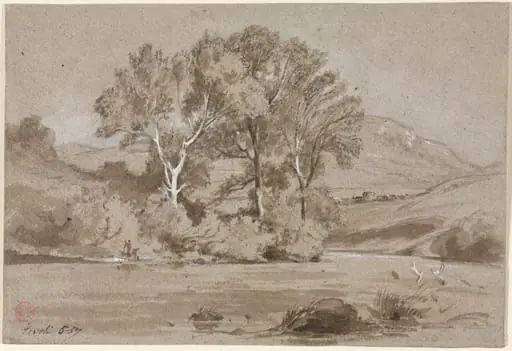
Study of trees is a watercolor work on paper by Unknown. It dates from 1850 and is held in the collection of the Victoria and Albert Museum. This watercolour study centers on a group of trees, rendered with attention to their natural forms and surface textures.
About this work
Overview
The artist employs a restrained palette of browns and greens, avoiding bold contrasts to maintain a quiet, observational tone.
This watercolour study centers on a group of trees, rendered with attention to their natural forms and surface textures. The artist employs a restrained palette of browns and greens, avoiding bold contrasts to maintain a quiet, observational tone. The light brown background enhances the trees’ presence without competing for visual dominance, suggesting a deliberate focus on botanical structure rather than atmospheric depth.
Subject & Meaning
The subject is the tree itself—not as a symbol or narrative element, but as a subject of direct visual inquiry. The inclusion of visible roots and branching patterns indicates an interest in botanical accuracy and growth structure. The work functions as a record of form, emphasizing the individuality of each tree’s silhouette and texture rather than conveying metaphor or emotion.
Technique & Style
Watercolour is used with a light hand, allowing the paper’s texture to show through and creating soft transitions between tones. The artist avoids heavy washes or opaque layers, favoring transparency to mimic the delicate interplay of light and foliage. Brushwork is controlled yet fluid, capturing the irregularity of bark and leaf clusters without idealizing their shapes.
History & Provenance
No documented provenance or exhibition history is available for this work. It appears to be a private study, likely created in a studio or outdoor setting as part of the artist’s routine practice. Its modest scale and unframed condition suggest it was never intended for public display, but rather for personal reference or technical development.
Context
In the 19th century, watercolour studies of natural forms were common among artists seeking to deepen their understanding of landscape elements before composing larger works. This piece aligns with that tradition, reflecting a period when direct observation of nature was valued as foundational to artistic training, particularly in Britain and parts of Europe.
Legacy
As a study, this work contributes to a broader body of practice in which artists documented botanical structures with scientific precision. While not widely known, such pieces inform later interpretations of natural form in landscape painting and remain valuable for understanding the evolution of observational techniques in watercolour.
Artist & collection

 Domestic Scene
 Giacomo and Cardinal Marco, investing Andrea, Abbot of San Zeno, with his Benefice
 The Nymph of Fontainebleau
 Portrait of a Woman
 Madonna and Child with Saints in the Enclosed Garden
 Venus and Minerva
 Family Group of Four on Sofa
 Wall painting from Room H of the Villa of P. Fannius Synistor at Boscoreale