Artwork
Sir Philip Sidney, Soldier and Poet
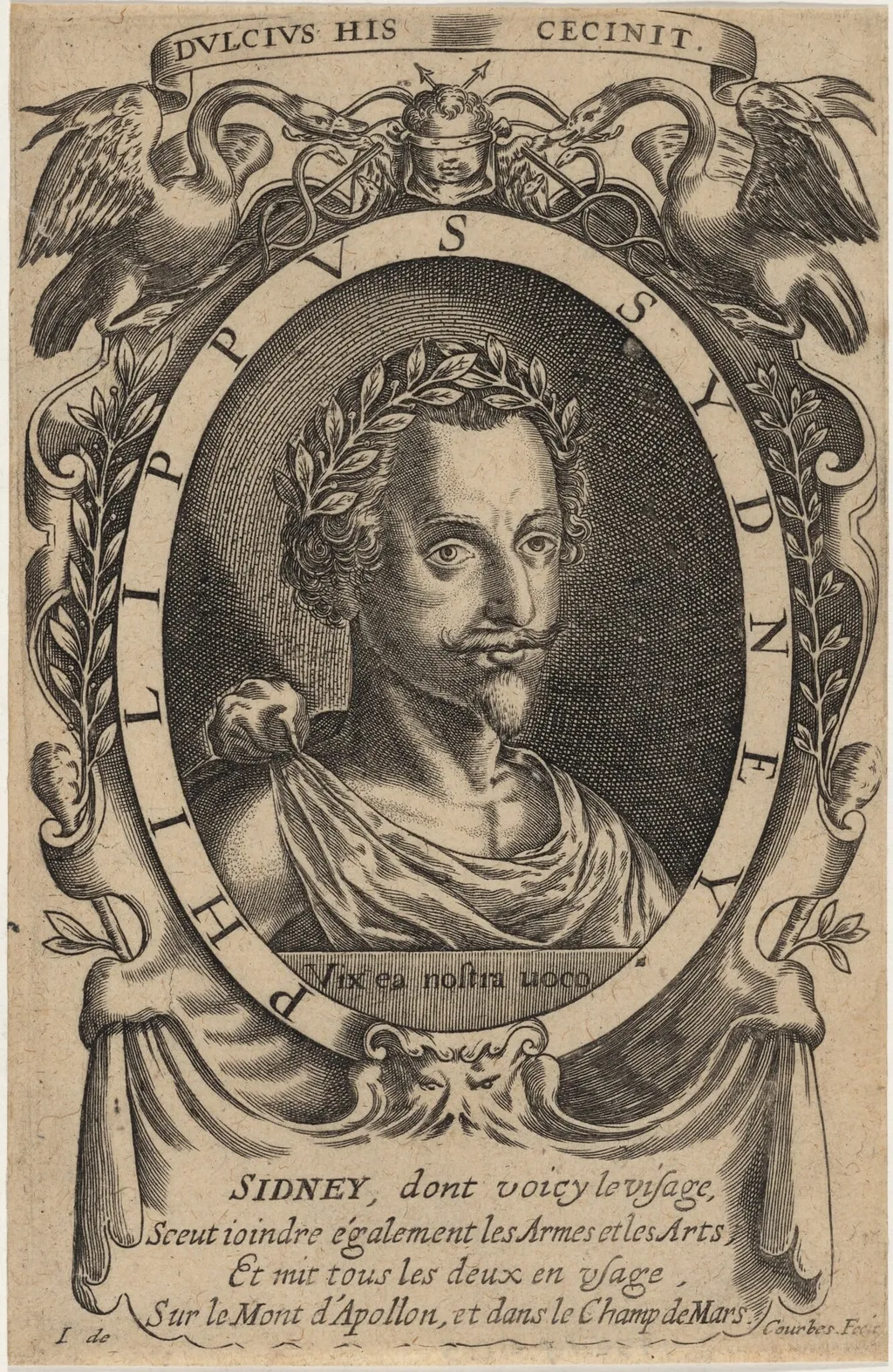
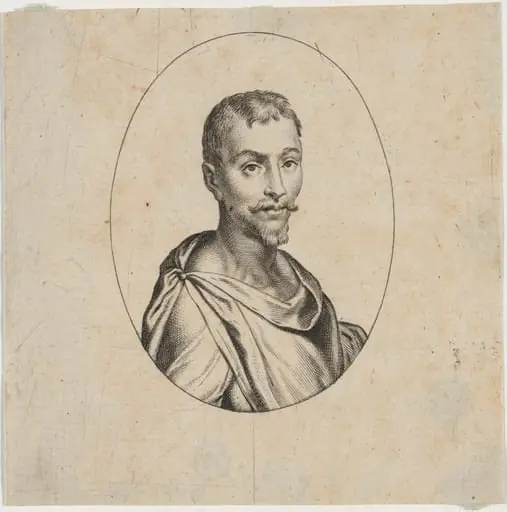
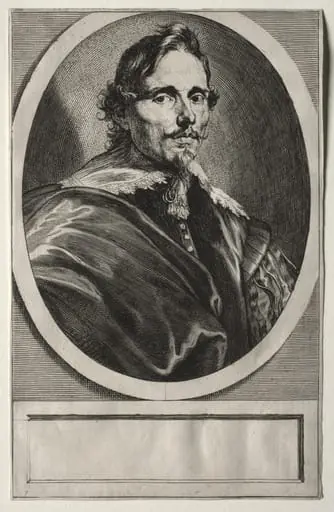
Sir Philip Sidney, Soldier and Poet is an ink print by the Baroque artist Jean de Courbes. It dates from 1625 and is held in the collection of the National Gallery of Art.
About this work
Overview
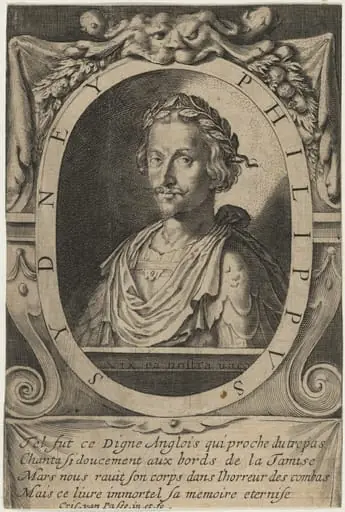
Rendered in fine linear detail, the portrait presents him in profile with a laurel wreath and draped cloak, emphasizing his dual identity as soldier and poet.
An engraving from 1625 by Jean de Courbes depicts Sir Philip Sidney, an English courtier and literary figure. Rendered in fine linear detail, the portrait presents him in profile with a laurel wreath and draped cloak, emphasizing his dual identity as soldier and poet. The background is unadorned, focusing attention entirely on the figure. Cross-hatching defines the texture of fabric and facial features, characteristic of early 17th-century printmaking techniques.
Subject & Meaning
The portrait honors Sidney as both a military man and a literary voice of the Elizabethan era. The laurel wreath symbolizes poetic achievement, while the armor-like cloak suggests martial virtue. His direct gaze conveys dignity and resolve, aligning with contemporary ideals of the Renaissance gentleman. The image does not reference specific events but instead constructs an enduring emblem of intellectual and civic virtue.
Technique & Style
Courbes employed precise engraving methods typical of the Baroque period, using fine lines and cross-hatching to model form and texture. The absence of color and the monochromatic palette enhance the graphic clarity of the composition. Shading is controlled and deliberate, defining the contours of the face, hair, and cloak without decorative excess. The style reflects the influence of Flemish and Dutch print traditions, valued for their technical rigor.
History & Provenance
Created in 1625, nearly half a century after Sidney’s death, the engraving was likely produced to sustain his posthumous reputation. It may have been commissioned for a literary or aristocratic audience seeking to commemorate national figures. No early ownership records are widely documented, but such prints were commonly circulated among educated elites in Europe as tokens of cultural reverence.
Context
This portrait emerged during a period when printed images of historical and literary figures were gaining popularity across Europe. Sidney, who died in 1586, was increasingly mythologized as a model of chivalric virtue and poetic genius. Engravings like this one served to visually reinforce his legacy, aligning with broader trends in commemorative portraiture during the early Baroque era.
Legacy
The engraving remains a key visual representation of Sidney in the historical record, frequently reproduced in scholarly works on Elizabethan literature. While not original to his lifetime, it helped standardize his iconography for later generations. Its restrained aesthetic and symbolic elements reflect how posthumous fame was cultivated through print culture in the 17th century.
Artist & collection