Artwork
Daniel
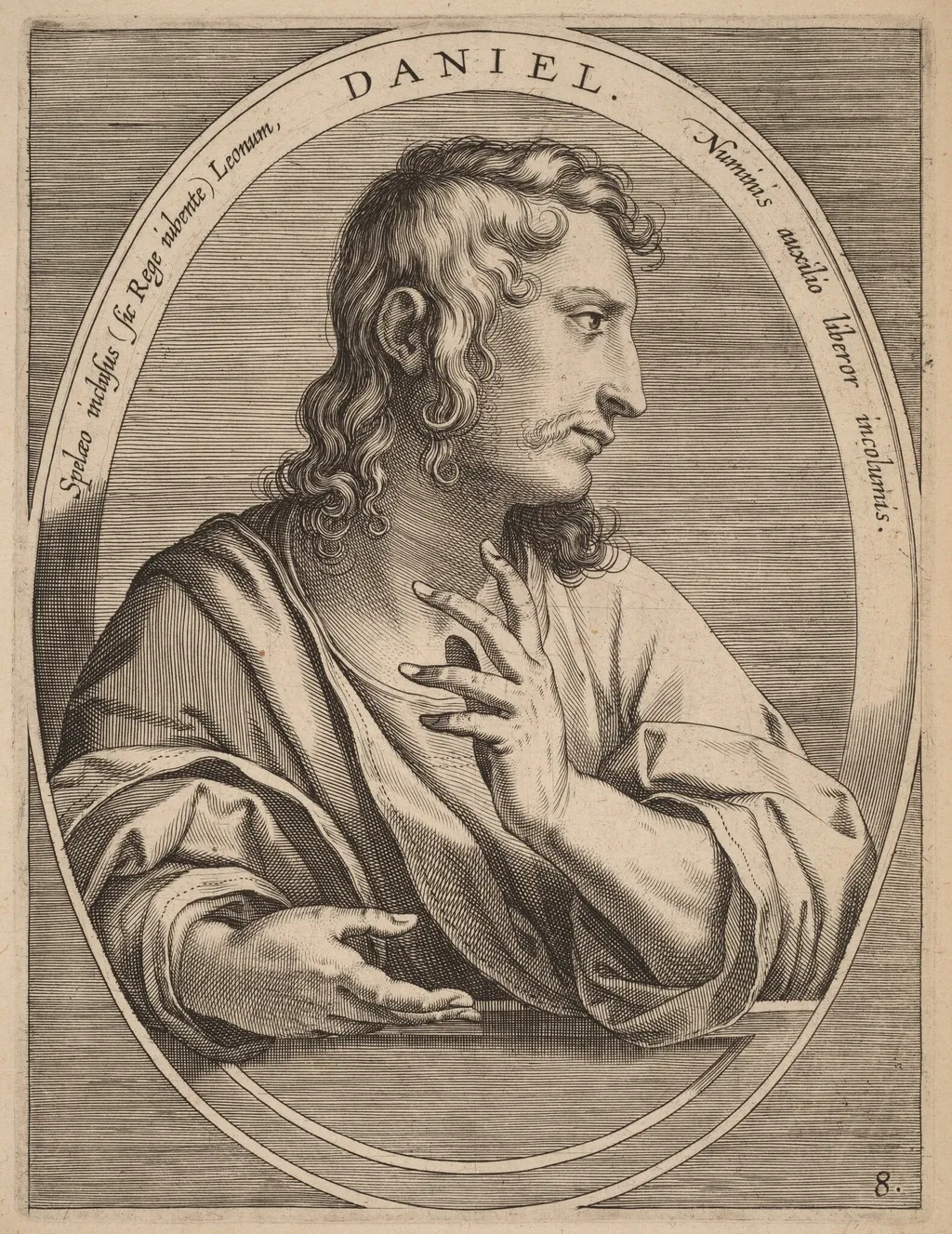
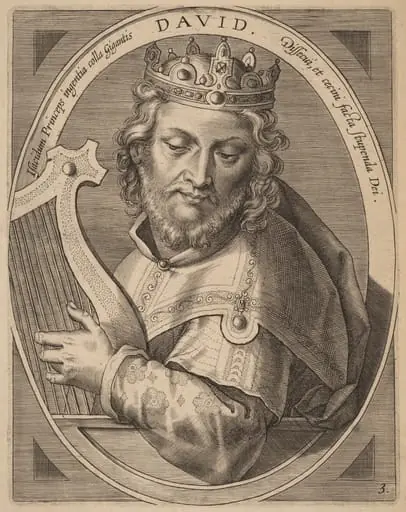
Daniel is an ink print by the Baroque artist Theodor Galle. It dates from 1613 and is held in the collection of the National Gallery of Art.
About this work
Overview
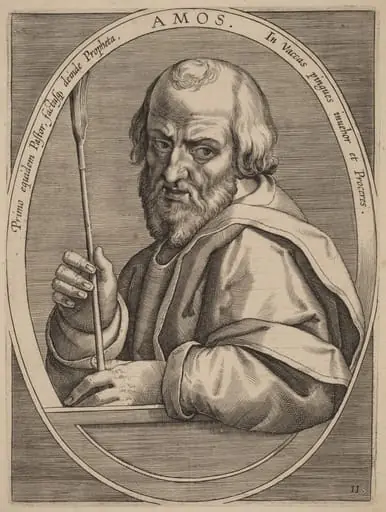
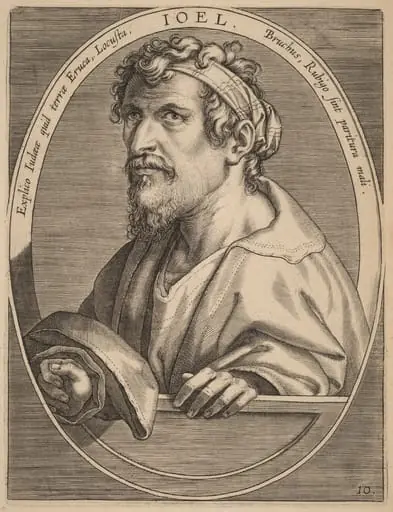
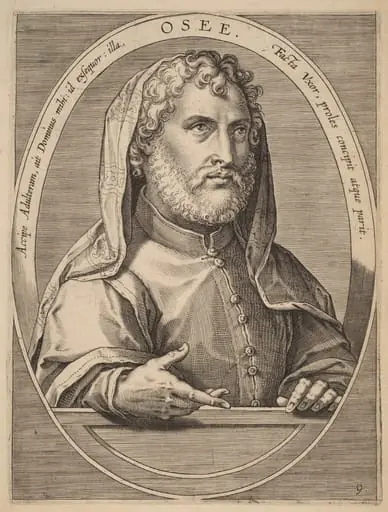
Created in 1613 by Theodor Galle, this engraving depicts the biblical figure Daniel on laid paper. Executed in black ink on a plain background, the work is a monochrome print made by incising fine lines into a metal plate, then transferring the image through pressure. The composition is tightly focused on the figure, with no decorative elements to distract from the portrait’s solemn presence.
Subject & Meaning
The figure is identified as Daniel, a prophet from the Hebrew Bible known for his faith and wisdom.
The figure is identified as Daniel, a prophet from the Hebrew Bible known for his faith and wisdom. His contemplative posture—hand on chest, arm folded—suggests introspection or divine reception. The absence of narrative context emphasizes his moral authority rather than a specific story, aligning with early 17th-century devotional portraiture that prioritized spiritual presence over dramatic storytelling.
Technique & Style
Galle employed fine, controlled lines to render texture in Daniel’s beard, robe, and facial features. The engraving’s precision highlights contrasts between smooth skin and the intricate folds of fabric, achieved through cross-hatching and delicate etching. The flat background and lack of perspective focus attention on the figure’s form, typical of reproductive prints of the period that valued clarity over illusionistic depth.
History & Provenance
The print was produced during the height of the Galle family’s engraving workshop in the Southern Netherlands, known for disseminating religious and mythological imagery. Though no specific early ownership records are documented, its standard format and inscription suggest it was part of a broader circulation of devotional prints, likely intended for private devotion or educational use among literate audiences.
Context
In early 17th-century Europe, engraved portraits of biblical figures were widely distributed as tools for personal piety and moral instruction. Galle’s work reflects the influence of Northern Renaissance printmaking traditions, where clarity and detail were prioritized over painterly effects. Such images bridged religious devotion and emerging print culture, making sacred figures accessible beyond church walls.
Legacy
Though not widely attributed to Galle today, this engraving exemplifies the technical rigor and devotional intent of early modern printmaking. It contributes to the broader understanding of how religious imagery was reproduced and consumed in households, influencing later generations of engravers who continued to adapt biblical subjects for private contemplation.
Artist & collection