Artwork
Sir Humphrey Gilbert
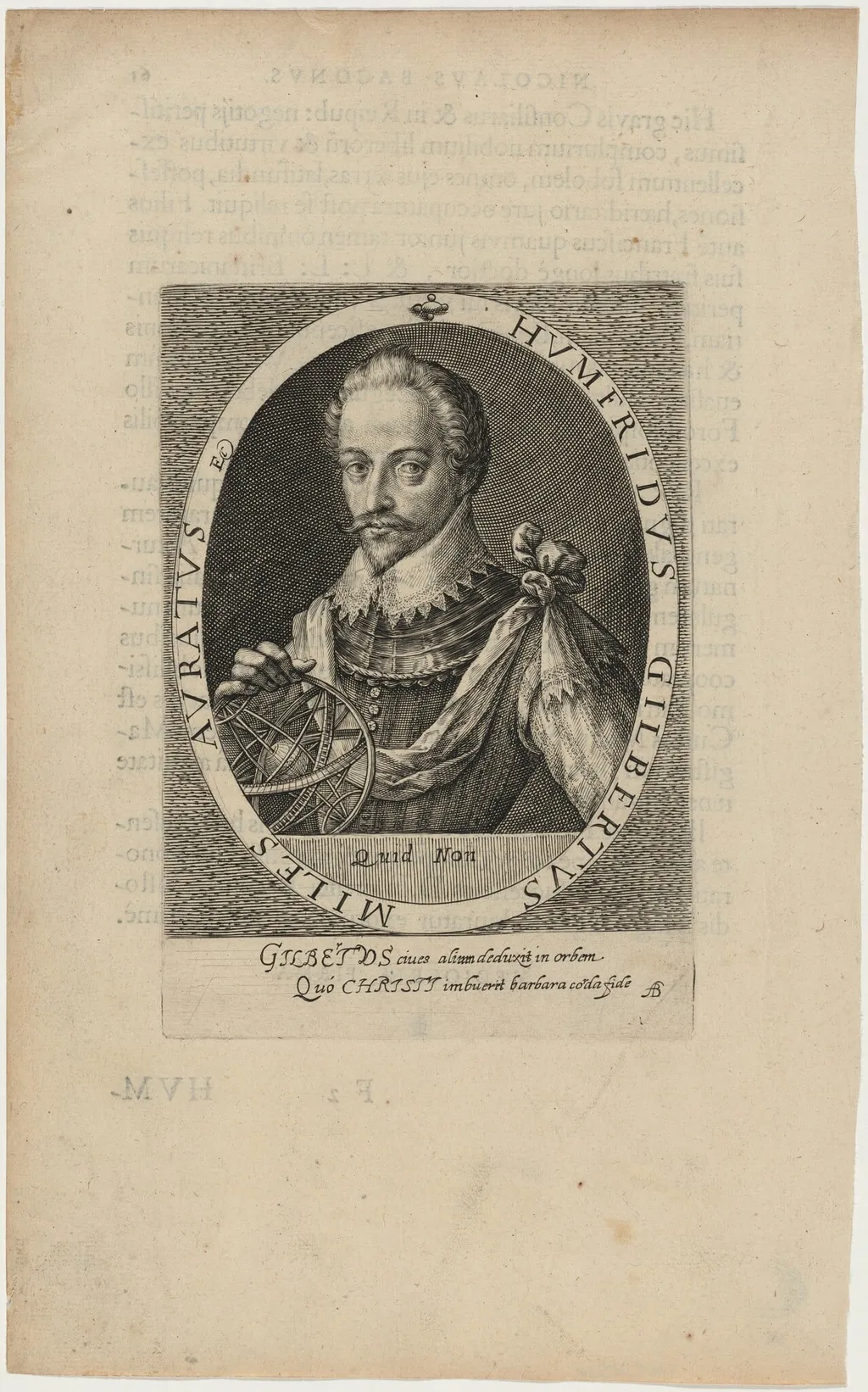
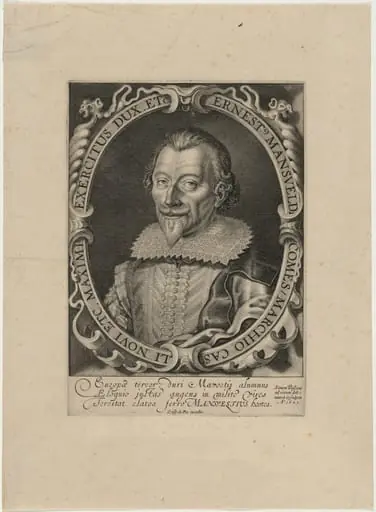
Sir Humphrey Gilbert is an ink print by the Baroque artist Willem de Passe. It dates from 1620 and is held in the collection of the National Gallery of Art.
About this work
Overview
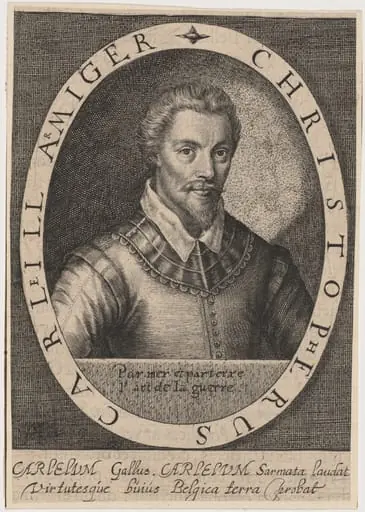
This 1620 engraving by Willem de Passe portrays Sir Humphrey Gilbert, an English explorer and navigator. Rendered in fine linear detail, the portrait is enclosed within an oval frame bearing Latin inscriptions that identify the subject and his title. The composition emphasizes solemnity and authority, with the figure set against a muted background to focus attention on his posture and attire.
Subject & Meaning
Sir Humphrey Gilbert is depicted as a man of learning and enterprise, holding a globe to signify his engagement with exploration and territorial claims.
Sir Humphrey Gilbert is depicted as a man of learning and enterprise, holding a globe to signify his engagement with exploration and territorial claims. His ruffled collar and draped cloak reflect the dress of Elizabethan nobility, while the Latin epithet 'Miles Aurivus'—Golden Knight—hints at his status and service to the Crown. The image functions as a commemorative portrait, aligning him with ideals of discovery and imperial ambition.
Technique & Style
Willem de Passe employed fine cross-hatching to model form and texture, particularly in the fabric of the cloak and the intricate surface of the globe. The engraving’s precision in rendering facial features and the ruffled collar demonstrates mastery of line and tonal gradation. The oval frame and Latin legend follow conventions of early modern portraiture, reinforcing the subject’s dignity and historical significance.
History & Provenance
Created in 1620, the engraving was produced decades after Gilbert’s death in 1583, likely as part of a broader effort to memorialize key figures of England’s maritime expansion. De Passe, a Dutch engraver active in London, was known for producing portraits of prominent English and European figures. This print may have circulated among scholars and patrons interested in the Tudor era’s exploratory ventures.
Context
In the early 17th century, printed portraits served as tools for shaping public memory of national figures. Gilbert’s role in early English attempts to colonize North America made him a symbolic figure, even posthumously. The engraving reflects the era’s fusion of exploration, heraldry, and print culture, where visual imagery reinforced political narratives and national identity.
Legacy
Though not widely reproduced today, this engraving remains a primary visual record of Sir Humphrey Gilbert’s public image. It contributes to the historical archive of Elizabethan exploration, offering insight into how figures of imperial ambition were visually constructed in the decades following their deaths. Its stylistic clarity and symbolic elements continue to inform scholarly interpretations of early modern portraiture.
Artist & collection

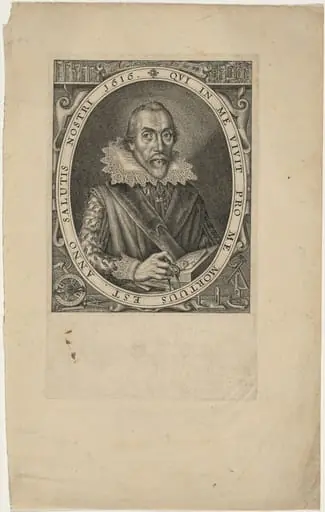 Aaron Rathborne
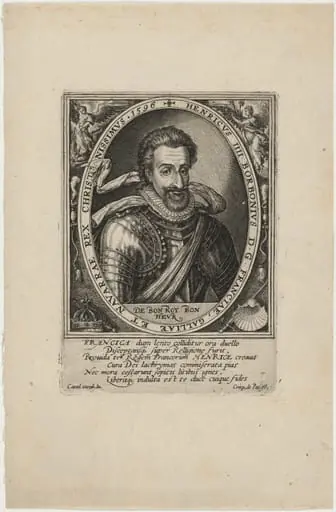 Henry IV, King of France
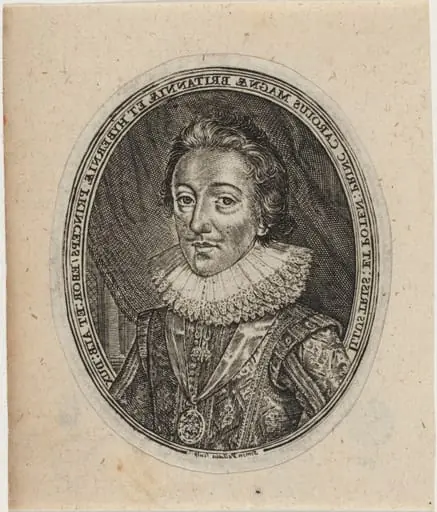 Charles I, King of England
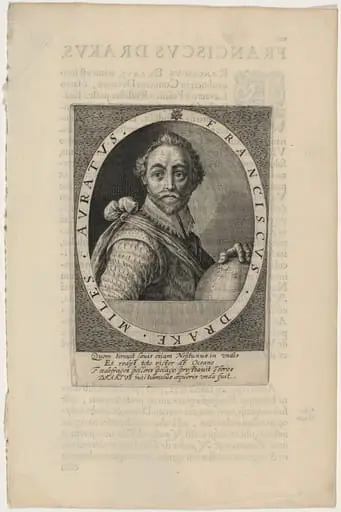 Sir Francis Drake
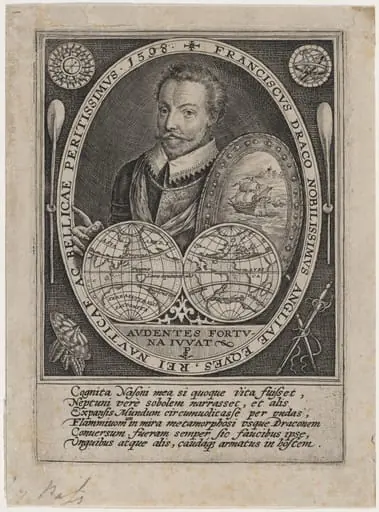 Francis Drake
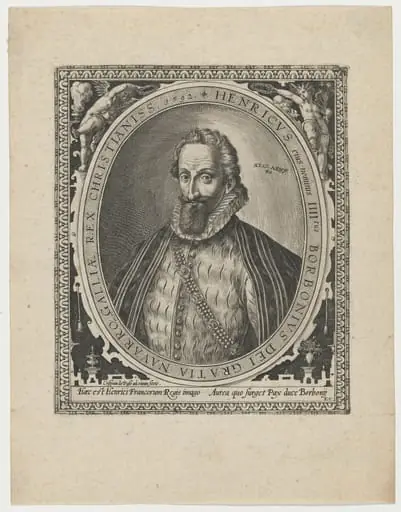 Henry IV, King of France
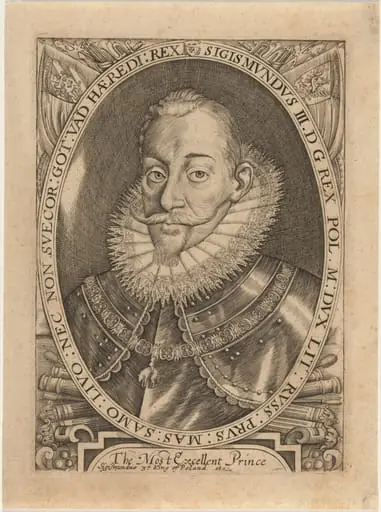 Sigismund III, King of Poland and Sweden
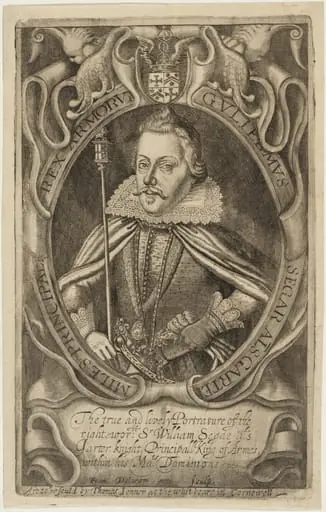 Guliemus Segar (Sir William Segar, Garter King of Arms)
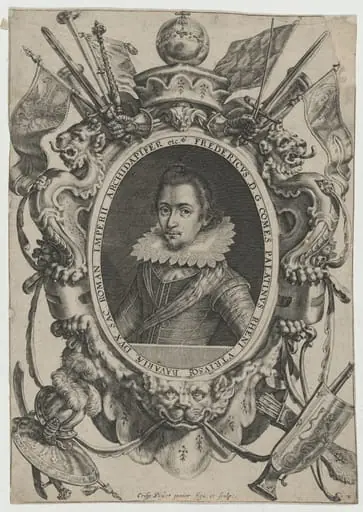 Frederick V, Elector Palatine, King of Bohemia
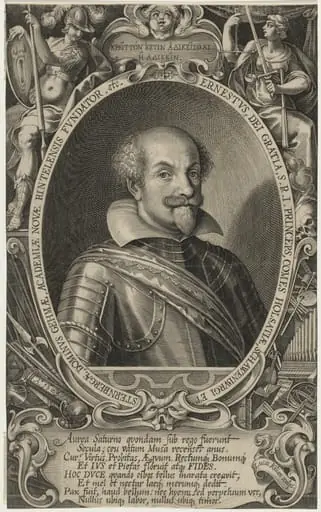 Ernest of Holstein, Schawenburg and Sternberg, Prince of Holy Roman Empire
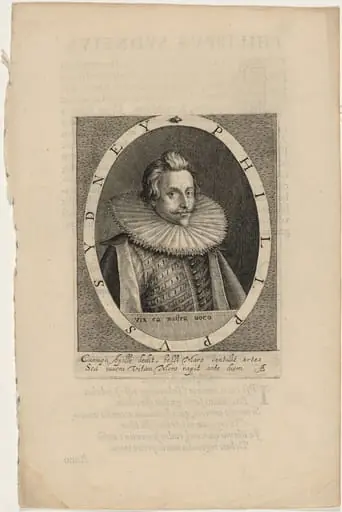 Sir Philip Sidney, Soldier and Poet
 Ernest, Count of Mansfeld