Artwork
Untitled
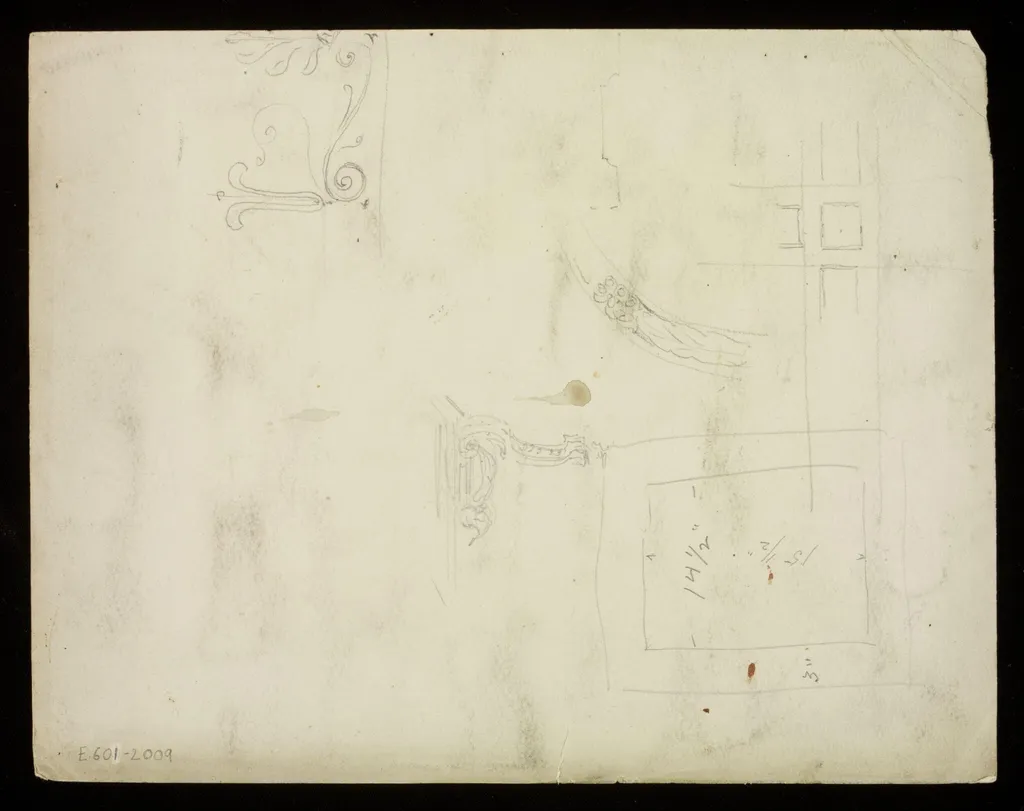
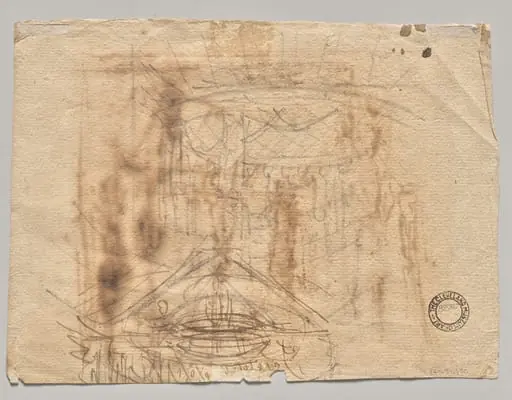
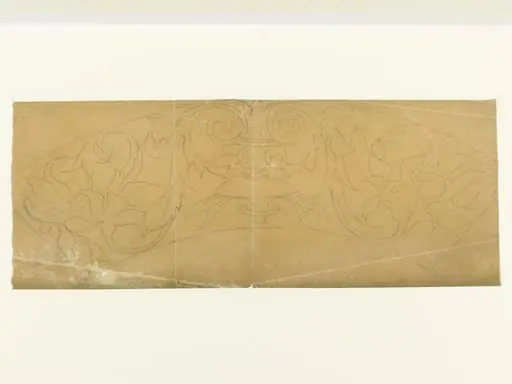
Untitled is a drawing by the Impressionist artist J.D. Crace. It dates from 26 and is held in the collection of the Victoria and Albert Museum. This drawing by John Dibblee Crace captures an interior space, reflecting his role as a leading designer of 19th-century British interiors.
About this work
The Crace firm designed rooms for British royalty and landmarks like Leeds Town Hall.
This drawing by J.D. Crace shows an interior space.
The Crace firm designed rooms for British royalty and landmarks like Leeds Town Hall.
That’s a big deal—few decorators worked for so many monarchs.
Crace started with Gothic- and Renaissance-style furniture.
His early success came from the 1862 exhibition in London.
Clients trusted him to shape entire rooms, not just single pieces.
Look up the Victoria and Albert Museum next.
Overview
This drawing by John Dibblee Crace captures an interior space, reflecting his role as a leading designer of 19th-century British interiors. Though known primarily for furniture, Crace’s practice extended to comprehensive room schemes, integrating architectural elements, textiles, and decorative details. His work was sought after for both private residences and public institutions, establishing him as a central figure in Victorian interior design.
Subject & Meaning
The drawing depicts a furnished interior, likely intended as a design proposal for a client’s space. It reveals Crace’s attention to spatial harmony and historical reference, blending Gothic and Renaissance motifs with functional layout. Such drawings served as visual contracts, translating ornamental ideals into tangible environments for elite patrons seeking cultural authority through their surroundings.
Technique & Style
Executed in precise line and subtle wash, the drawing demonstrates technical control typical of professional design practice of the period. Crace’s style fused historical revivalism with restrained ornamentation, avoiding excessive eclecticism. His draftsman’s hand prioritized clarity and proportion, ensuring that decorative elements served the architecture rather than overwhelming it.
History & Provenance
Crace’s firm, active from the early 1800s through the late 19th century, held a near-monopoly on royal interior commissions, serving monarchs from George III to Victoria. Projects included Windsor Castle, the Great Exhibition building, and Cliveden. This drawing likely originated from one of these high-profile commissions, though its specific destination remains undocumented in public records.
Context
The Crace firm operated during a period when interior design emerged as a distinct profession, separate from architecture and cabinetmaking. Their work reflected broader Victorian interests in historical authenticity and domestic refinement. Competing firms existed, but none matched the Craces’ breadth of royal patronage or institutional reach across Britain’s civic and aristocratic landscapes.
Legacy
The Crace family’s archives, now held by the Victoria and Albert Museum, remain a vital resource for understanding Victorian interior practice. John Dibblee Crace’s drawings exemplify the transition from craft-based decoration to systematic design planning. His influence endures not through individual fame, but through the enduring presence of his interventions in Britain’s historic interiors.
Artist & collection
Artist
This artist made a single surviving drawing on 26 November 1892, untitled and done in pencil or ink.

![Figure on Horseback and Other Studies [verso], by Winslow Homer](https://artifactworldgallery.com/img/winslow-homer--figure-on-horseback-and-other-studies-verso--3909dbf700a8f786-w320.webp)