Artwork
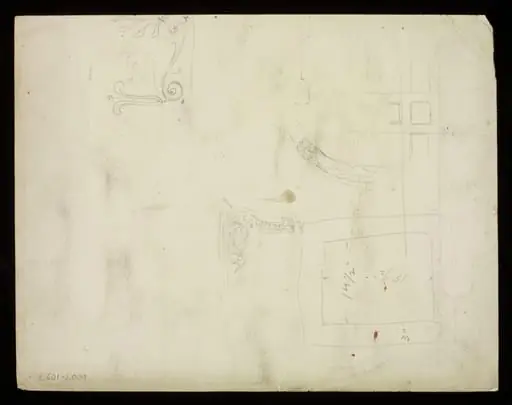
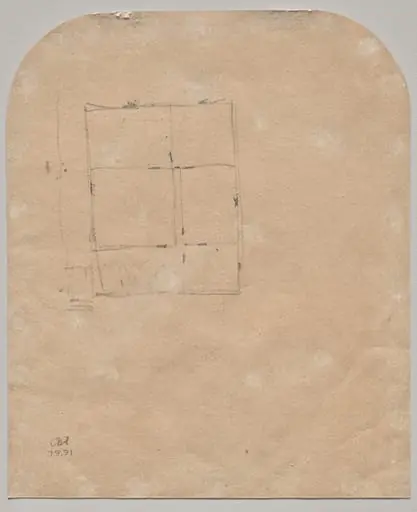
Two Sketches (verso)
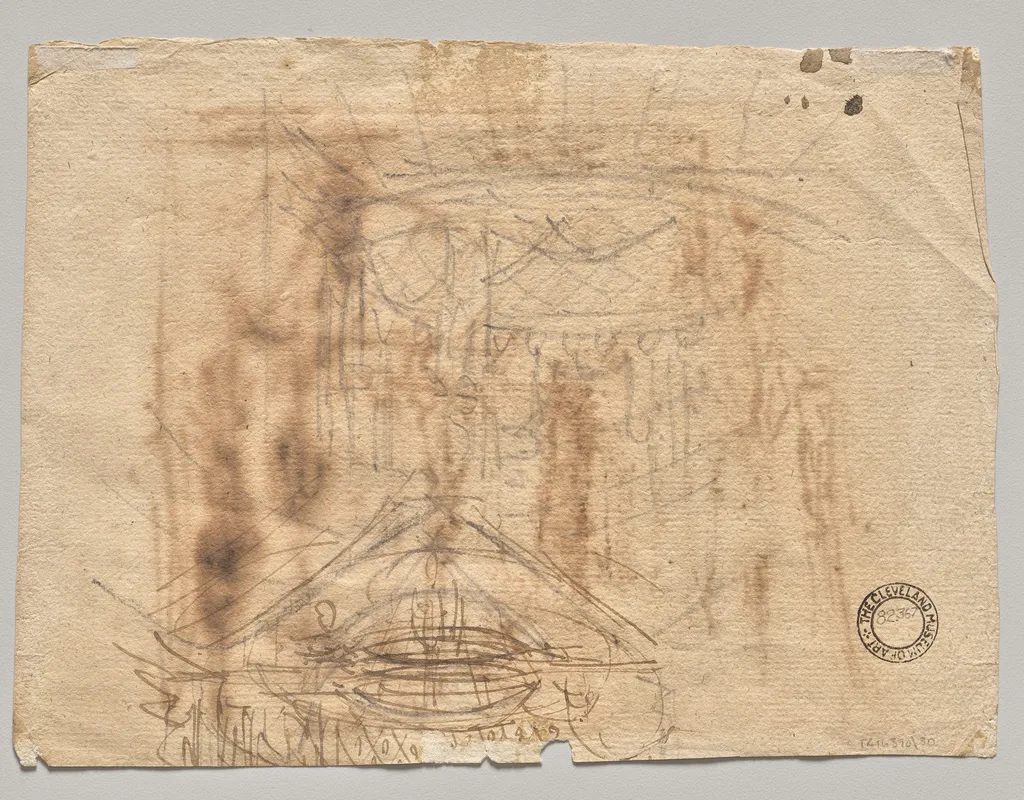
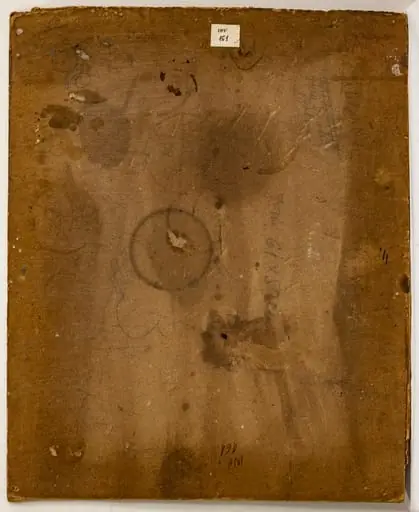
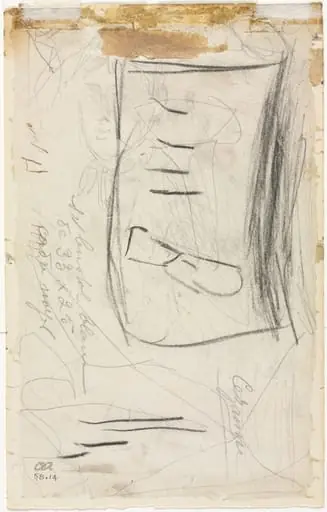
Two Sketches (verso) is a drawing by Josef Platzer. It dates from 1804 and is held in the collection of the Cleveland Museum of Art.
About this work
Overview
Executed on a fragment of light brown paper with a coarse surface, it bears signs of age—stains, tears, and frayed edges.
This drawing, dated around 1804, is attributed to Josef Platzer and resides in The Cleveland Museum of Art. Executed on a fragment of light brown paper with a coarse surface, it bears signs of age—stains, tears, and frayed edges. The work is a modest, unpolished study, likely made in private, reflecting the artist’s habit of recording observations through rapid, informal marks rather than polished compositions.
Subject & Meaning
The drawing presents a fragmented portrait of a human face, rendered without context or narrative detail. No identity is suggested; the focus lies in the articulation of facial structure—eyes, nose, and jaw—captured in fleeting strokes. It functions as a visual exercise, possibly intended to explore expression or form, rather than to commemorate or depict a specific individual.
Technique & Style
Platzer employed pencil with a loose, gestural approach, using varied pressure to build volume through bold lines and smudged shading. The absence of fine detail and the spontaneity of the marks suggest immediacy—this is not a preparatory study for a larger work but a direct response to a model or memory. The texture of the paper enhances the rawness of the lines, reinforcing the sketch’s intimate, unrefined character.
History & Provenance
The drawing entered The Cleveland Museum of Art’s collection as part of a broader acquisition of Platzer’s graphic works. Its condition—stained, torn, and worn—indicates prolonged handling, possibly during the artist’s lifetime or in early private collections. No documented ownership history prior to the museum’s acquisition is publicly available, though its physical state suggests it was preserved as a personal artifact rather than a formal artwork.
Context
In early 19th-century Austria, sketching was a common practice among artists for training and idea development. Platzer, active in Vienna, participated in this tradition, where rapid drawings served as tools for observation rather than public display. This piece aligns with the era’s emphasis on direct study from life, reflecting a shift away from idealized forms toward more personal, empirical approaches to representation.
Legacy
Though not widely exhibited, this sketch contributes to understanding Platzer’s working methods and the broader culture of artistic practice in early Viennese drawing. Its survival underscores the value placed on informal studies, even when unpolished. It remains a quiet testament to the artist’s habit of capturing fleeting impressions, offering insight into the private side of artistic process.
Artist & collection

![Figure on Horseback and Other Studies [verso], by Winslow Homer](https://artifactworldgallery.com/img/winslow-homer--figure-on-horseback-and-other-studies-verso--3909dbf700a8f786-w320.webp)