Artwork
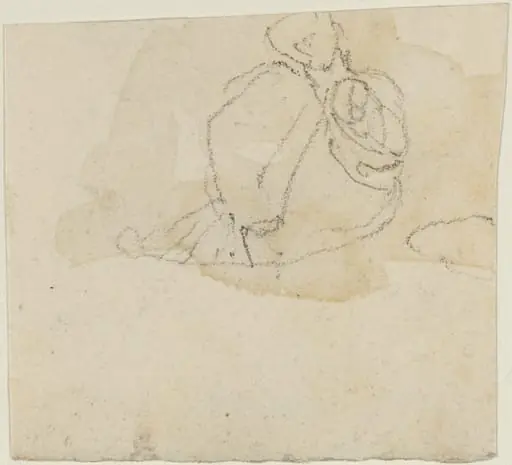
Figure on Horseback and Other Studies [verso]
![Figure on Horseback and Other Studies [verso], by Winslow Homer, graphite, 1861](https://artifactworldgallery.com/img/winslow-homer--figure-on-horseback-and-other-studies-verso--3909dbf700a8f786-w1024.webp)
Figure on Horseback and Other Studies [verso] is a graphite drawing by the Impressionist artist Winslow Homer. It dates from 1861 and is held in the collection of the National Gallery of Art.
About this work
Overview
Created in 1861, this graphite drawing on wove paper is attributed to Winslow Homer. It serves as a study sheet, featuring a central figure on horseback alongside supplementary sketches. The verso format suggests it was likely part of a larger sketchbook, used for informal observation and compositional experimentation during Homer’s early career.
Subject & Meaning
The central motif depicts a mounted figure, possibly a soldier or rider, rendered with loose, energetic lines. Surrounding sketches include fragments of anatomy, drapery, and landscape elements. These studies reflect Homer’s interest in movement and form, likely informed by his observations of military life during the early Civil War period, though no specific narrative is defined.
Technique & Style
Homer employed graphite with varying pressure to achieve tonal contrast and texture. The lines are direct and unrefined, emphasizing spontaneity over polish. Figures are suggested rather than fully modeled, revealing his focus on capturing gesture and posture. The paper’s smooth surface allowed for subtle shading, aiding in the depiction of weight and motion.
History & Provenance
The drawing dates to 1861, a pivotal year when Homer began working as a visual reporter for Harper’s Weekly. It likely originated from his personal sketchbook during travels or fieldwork. The piece entered a public collection in the 20th century, though its immediate post-creation history remains undocumented.
Context
In 1861, Homer was transitioning from commercial illustration to more serious artistic pursuits. The Civil War had just begun, and his sketches from this period often engaged with military subjects. This sheet reflects the artist’s habit of compiling observational studies, a practice that would later inform his narrative paintings and illustrations.
Legacy
This drawing exemplifies Homer’s early method of learning through direct observation. Though not a finished work, it reveals the foundation of his later realism. Its preservation offers insight into his creative process, illustrating how sketches served as vital tools in the development of his mature style.
Artist & collection
Artist
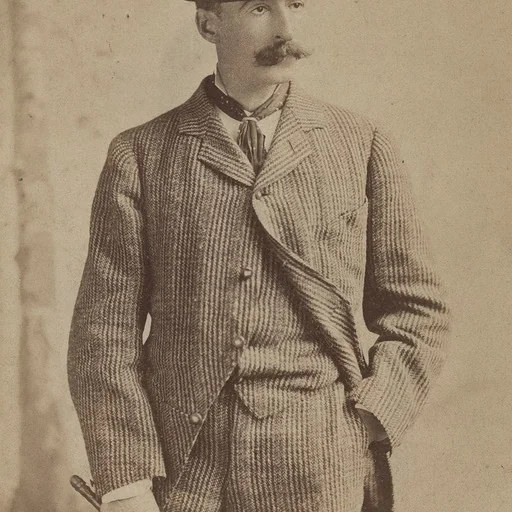
Winslow Homer (February 24, 1836 – September 29, 1910) was an American landscape painter and illustrator, best known for his marine subjects.

![Sketch for the Flight into Egypt [verso], by Giovanni Domenico Tiepolo](https://artifactworldgallery.com/img/giovanni-domenico-tiepolo--sketch-for-the-flight-into-egypt-verso--c1883479f90269fc-w320.webp)
![Sketch of a Sphinx [?] (verso), by Luc-Olivier Merson](https://artifactworldgallery.com/img/luc-olivier-merson--sketch-of-a-sphinx-verso--01aae5545d384a57-w320.webp)
![Sheet of Studies [recto and verso], by John Flaxman](https://artifactworldgallery.com/img/john-flaxman--sheet-of-studies-recto-and-verso--a7e6ad641a0703a0-w320.webp)
![Figure Studies [verso], by Thomas Sully](https://artifactworldgallery.com/img/thomas-sully--figure-studies-verso--951eb42592bb5e4f-w320.webp)