Artwork
Christ before Herod
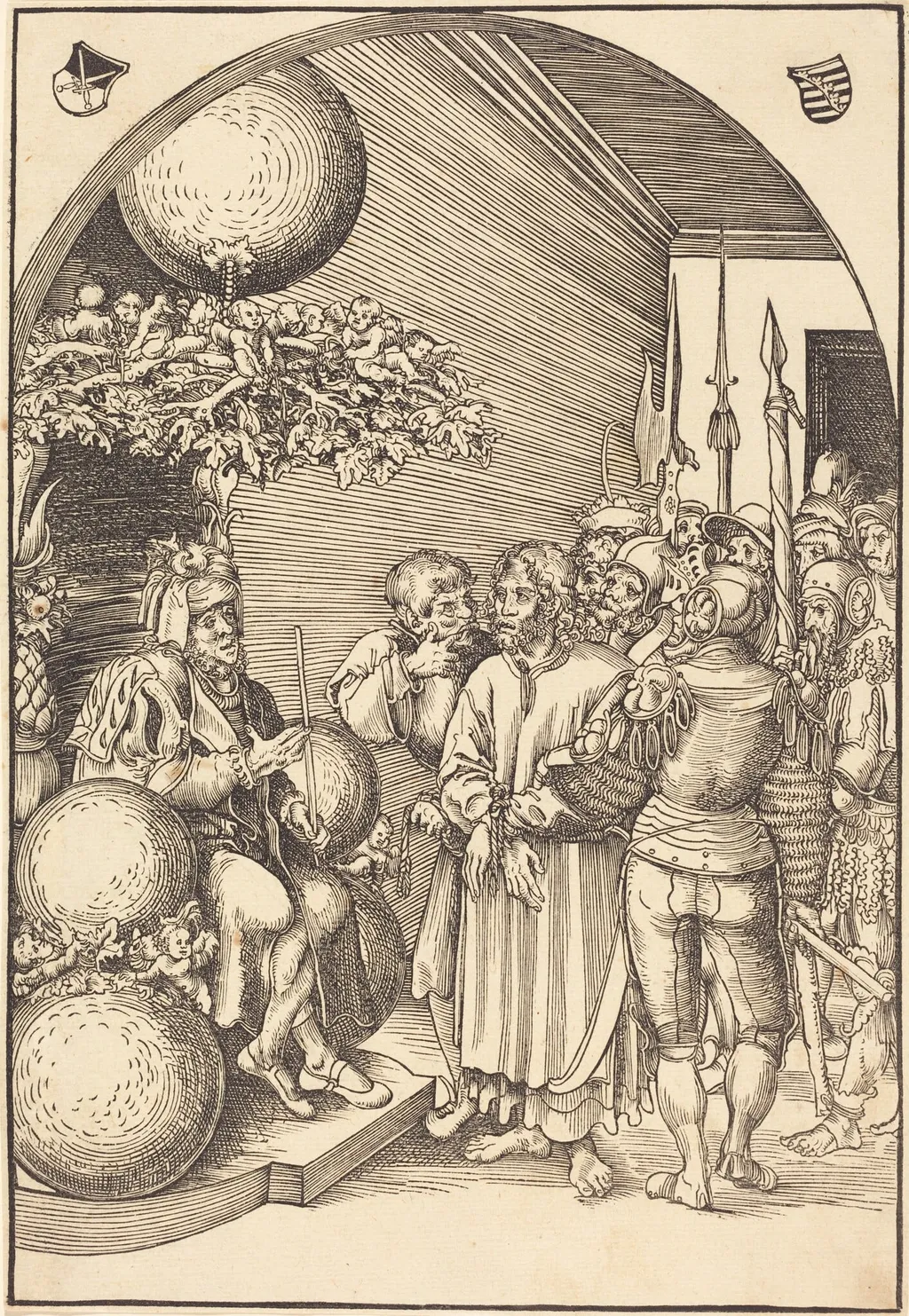
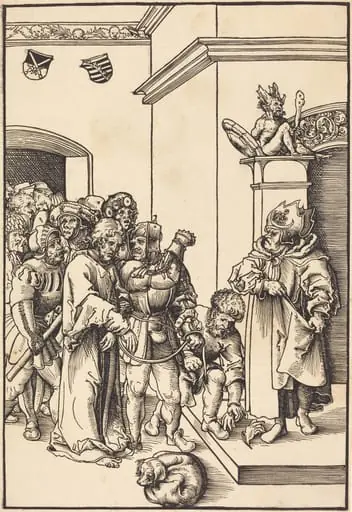
Christ before Herod is an ink print by the Renaissance artist Lucas Cranach the Elder. It dates from 1509 and is held in the collection of the National Gallery of Art.
About this work
Overview
Created in 1509, *Christ before Herod* is a woodcut by Lucas Cranach the Elder, produced during the early phase of the German Renaissance.
Created in 1509, *Christ before Herod* is a woodcut by Lucas Cranach the Elder, produced during the early phase of the German Renaissance. As a printmaker, Cranach leveraged the woodcut medium to disseminate religious imagery widely. This piece is part of a series of biblical scenes he rendered for both devotional and political audiences, reflecting his role as court artist to the Electors of Saxony.
Subject & Meaning
The scene depicts Christ, bound and standing calmly, before Herod Antipas and his court. Surrounding figures—soldiers, officials, and onlookers—display varied reactions, from curiosity to hostility. The moment captures the Gospel narrative of Christ’s trial before Herod, emphasizing passive endurance amid authority. Cranach’s focus on psychological tension underscores the spiritual weight of the moment rather than overt violence.
Technique & Style
Cranach employed sharp, linear carving to define forms with clarity and precision. The figures are rendered in high contrast, their gestures and drapery articulated through rhythmic lines. Architectural elements like the archway and banner are simplified yet suggestive, grounding the scene without distraction. The composition directs attention to Christ’s stillness, contrasting with the agitated postures of those around him.
History & Provenance
The woodcut was produced during Cranach’s tenure at the Saxon court, where he balanced traditional religious iconography with emerging Reformation ideals. It entered the National Gallery of Art’s collection in the 20th century, having passed through private and institutional hands since its creation. Its survival in multiple impressions reflects its popularity as a devotional and educational image in early 16th-century Germany.
Context
In 1509, Cranach was still working within Catholic artistic conventions, though his later alignment with Lutheranism would transform his output. This print belongs to a period when religious imagery served both piety and political messaging. The woodcut format allowed for broad circulation, making biblical narratives accessible beyond elite audiences and laying groundwork for Reformation visual propaganda.
Legacy
Cranach’s *Christ before Herod* exemplifies how printmaking extended the reach of religious narratives in early modern Europe. Its restrained emotional tone and clear composition influenced subsequent Protestant visual culture. Though not widely reproduced today, it remains a key example of how Renaissance artists adapted traditional subjects to new technical and ideological contexts.
Artist & collection
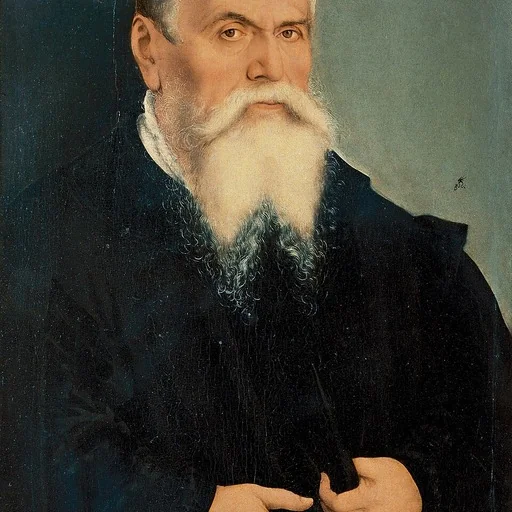
Artist
Lucas Cranach the Elder was a German Renaissance painter and printmaker in woodcut and engraving.