Artwork
The Martyrdom of Saint Barbara
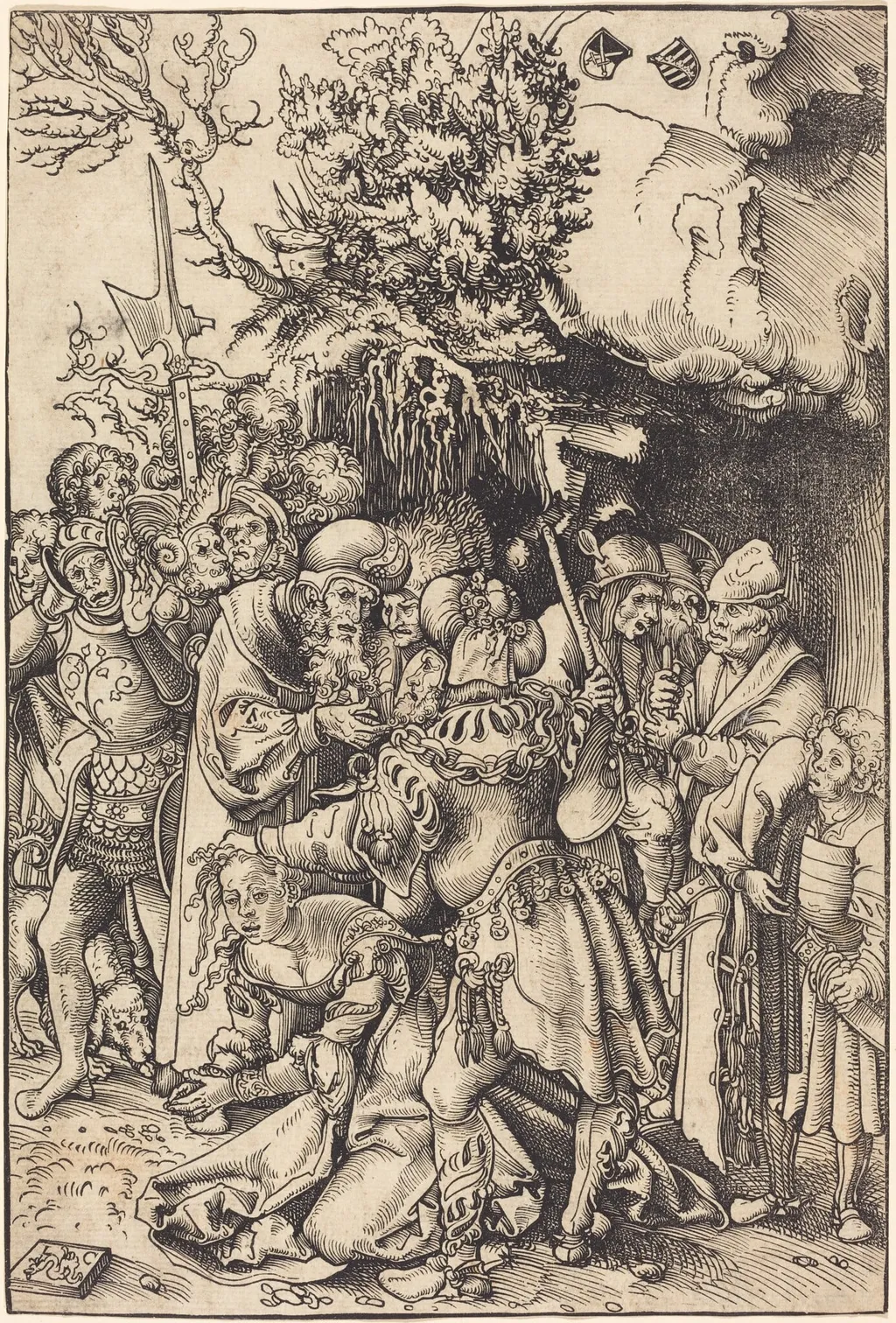
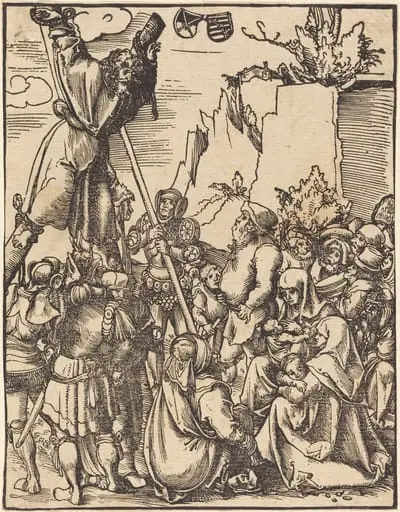
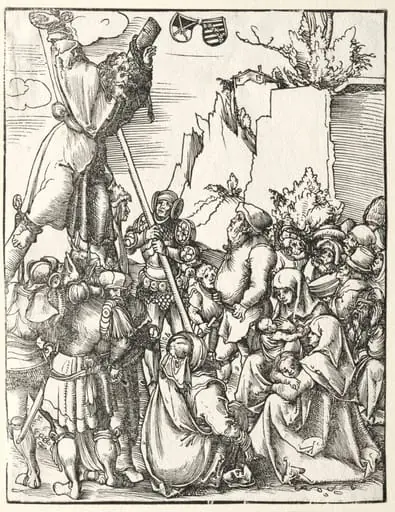
The Martyrdom of Saint Barbara is an ink print by the Renaissance artist Lucas Cranach the Elder. It dates from 1512 and is held in the collection of the Rosenwald Collection.
About this work
Overview
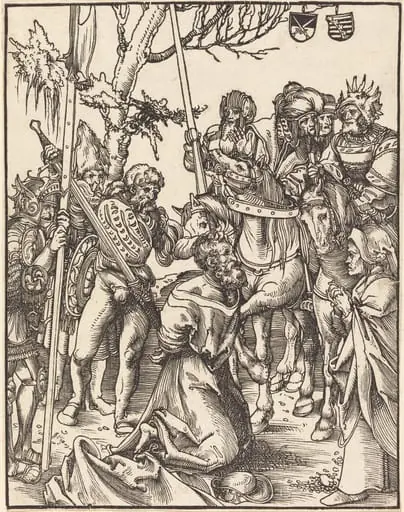
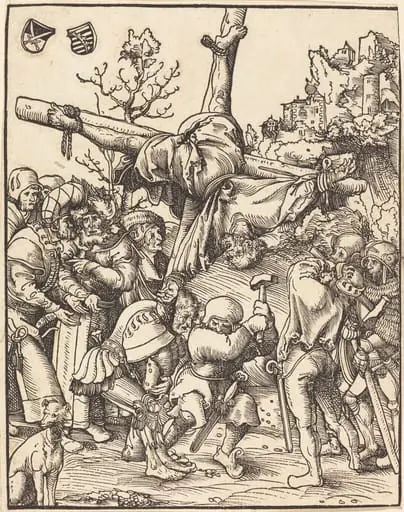
Created in 1512, Lucas Cranach the Elder’s woodcut depicts the execution of Saint Barbara, a Christian martyr.
Created in 1512, Lucas Cranach the Elder’s woodcut depicts the execution of Saint Barbara, a Christian martyr. Produced during the early phase of his career, the print reflects his mastery of the woodcut medium, which he employed extensively for religious and secular subjects. As court painter to the Saxon electors, Cranach balanced devotional imagery with portraits, navigating the shifting religious landscape of early 16th-century Germany.
Subject & Meaning
The scene illustrates Saint Barbara’s death at the hands of her father, who, according to legend, ordered her execution after she converted to Christianity. She is shown bound to a post, clutching a cross as assailants strike her with weapons. The moment captures both personal sacrifice and divine fidelity, aligning with medieval Catholic hagiography. Cranach’s portrayal emphasizes the violence of martyrdom, reinforcing the saint’s spiritual resolve amid physical suffering.
Technique & Style
Cranach used sharp, incised lines and dense hatching to generate dramatic contrast and kinetic energy. The composition is tightly packed, with figures and landscape elements overlapping in a swirling, almost claustrophobic arrangement. The woodcut technique—carving away areas to leave raised lines for ink—allowed for bold, graphic clarity. His use of heavy shading enhances the tension, turning the rocky backdrop into a turbulent frame for the central act.
History & Provenance
The print emerged during Cranach’s tenure at the Wittenberg court, where he produced numerous religious prints for both Catholic and emerging Protestant audiences. While created before the Reformation fully took hold, it reflects the devotional culture of the time. Copies circulated widely, serving as both religious aids and artistic demonstrations of printmaking’s potential for mass dissemination across German-speaking regions.
Context
In early 16th-century Germany, woodcuts were a primary medium for spreading religious imagery, especially as literacy rose and the Church’s authority faced challenge. Cranach’s work operated within this tradition, yet his style—marked by angular forms and emotional intensity—differed from the softer aesthetics of Italian Renaissance prints. His imagery bridged late medieval piety and the new visual language of the Reformation.
Legacy
Cranach’s woodcut contributed to the standardization of martyrdom imagery in Northern European print culture. His dynamic compositions influenced later artists working in print, particularly those engaged with Protestant narratives. Though his religious output evolved with the Reformation, this early work remains a key example of how traditional iconography was reinterpreted through the technical and expressive possibilities of woodcut.
Artist & collection
Artist
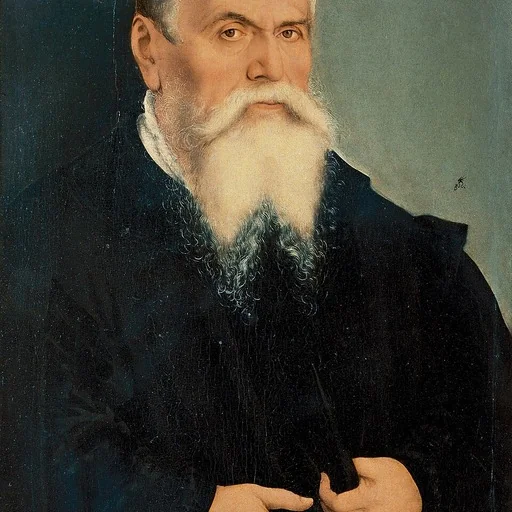
Lucas Cranach the Elder was a German Renaissance painter and printmaker in woodcut and engraving.