Artwork
Saint Andrew
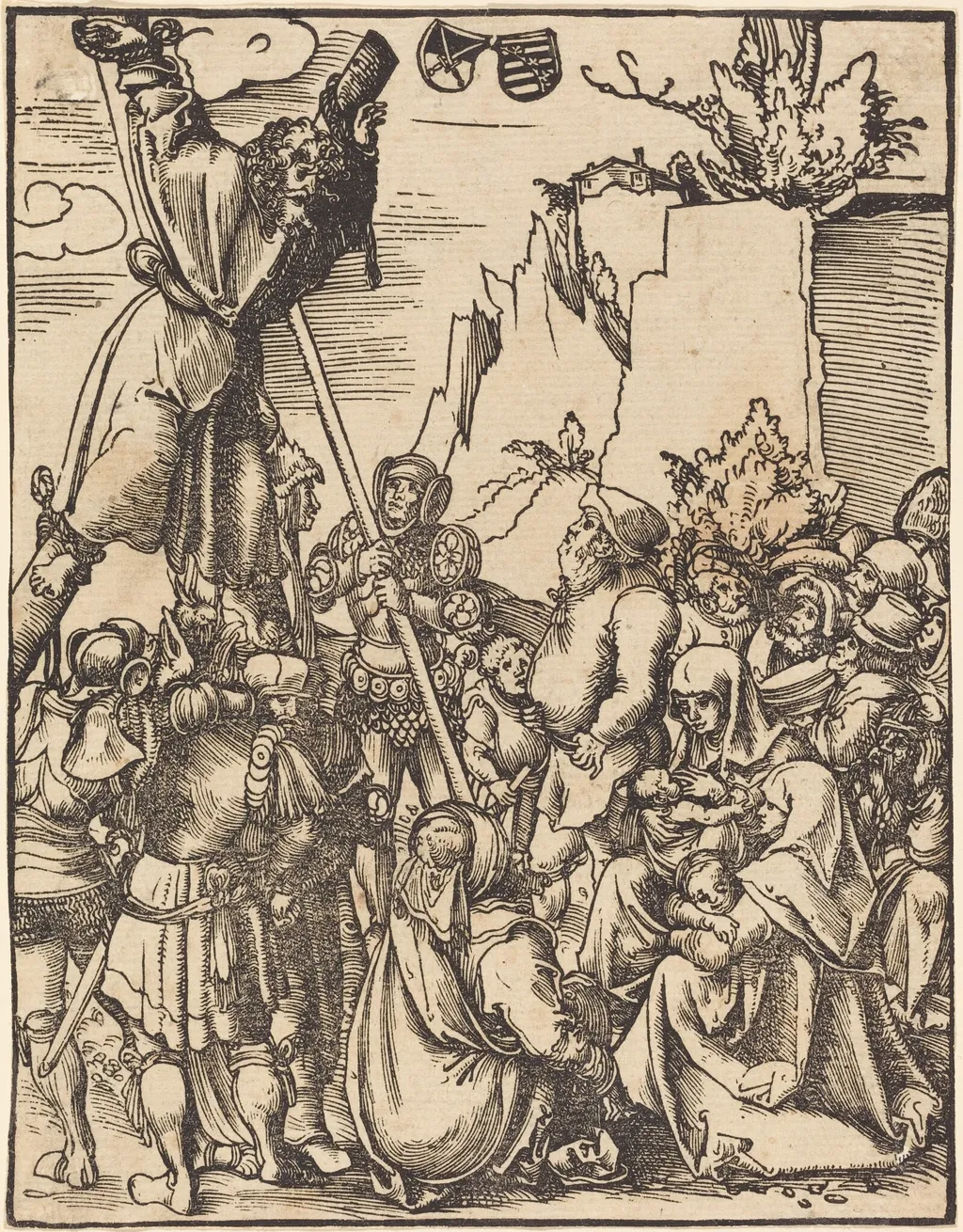
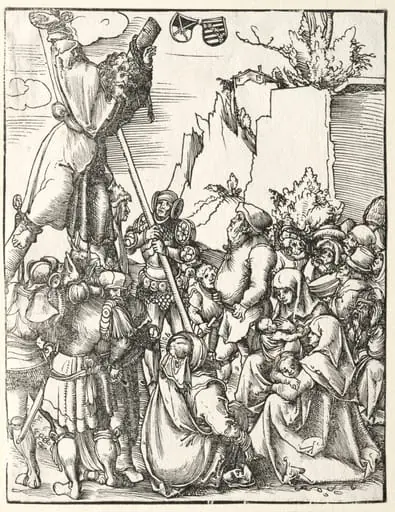
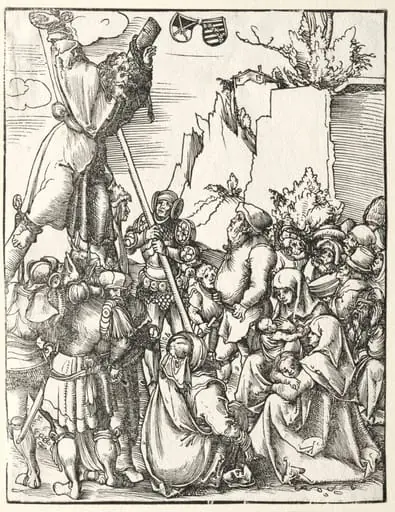
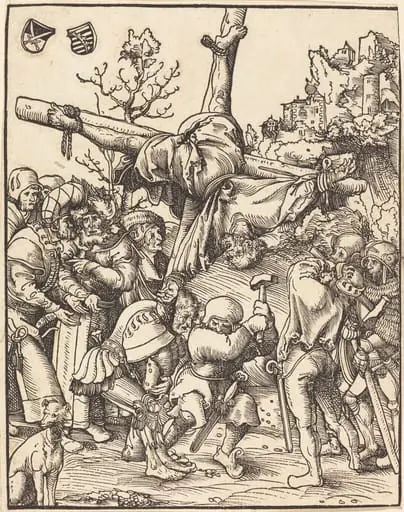
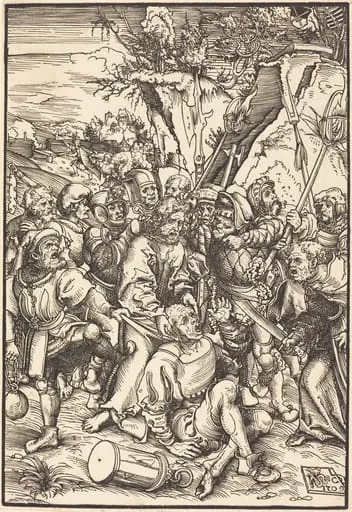
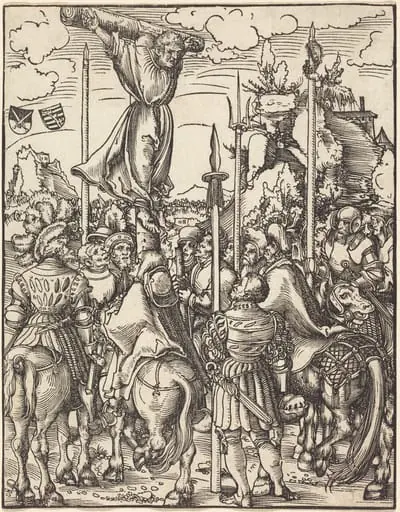
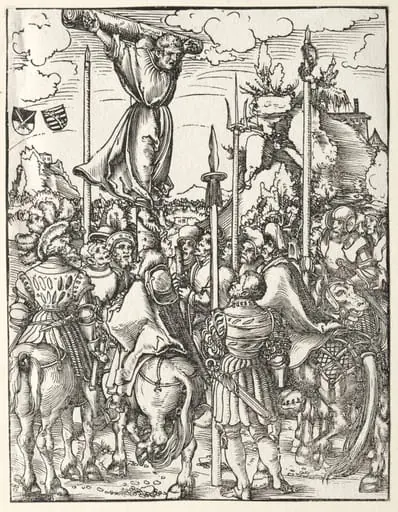
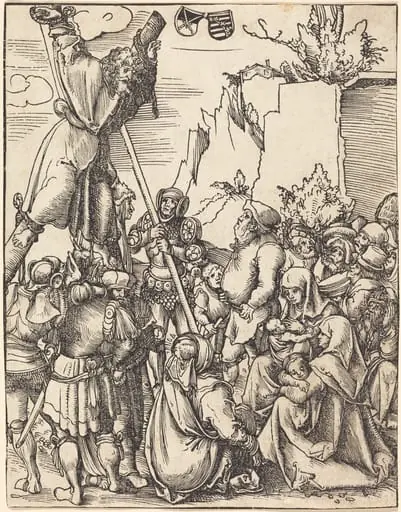
Saint Andrew is an ink print by the Renaissance artist Lucas Cranach the Elder. It dates from 1512 and is held in the collection of the National Gallery of Art.
About this work
Overview
Lucas Cranach the Elder’s woodcut Saint Andrew, created in 1512, presents the apostle in a standing pose, clutching the X‑shaped cross traditionally associated with his martyrdom. The figure is rendered in a simple, elegant manner against a muted landscape that includes distant trees and a faint mountain range.
Subject & Meaning
The work identifies Saint Andrew by his characteristic diagonal cross, a symbol of his crucifixion, and emphasizes his role as a devoted apostle. The ribbon wrapped around the cross adds a subtle devotional detail, reinforcing the saint’s connection to Christian sacrifice.
Technique & Style
Executed as a woodcut, the image relies on bold, clean lines and textured carving to delineate the robe, the cross, and the background. The contrast between the dark foreground figure and the lighter, less detailed landscape demonstrates Cranach’s skill in balancing detail with overall compositional clarity.
History & Provenance
Cranach, a prominent German Renaissance painter and printmaker, produced this piece while serving as court painter to the Electors of Saxony. The print dates from a period before his full alignment with the Protestant Reformation, reflecting his continued engagement with Catholic iconography.
Context
Saint Andrew belongs to a broader tradition of devotional prints that circulated widely in early sixteenth‑century Germany. Such works served both private contemplation and public instruction, bridging the visual language of late medieval Catholicism with emerging Lutheran sensibilities.
Artist & collection
Artist
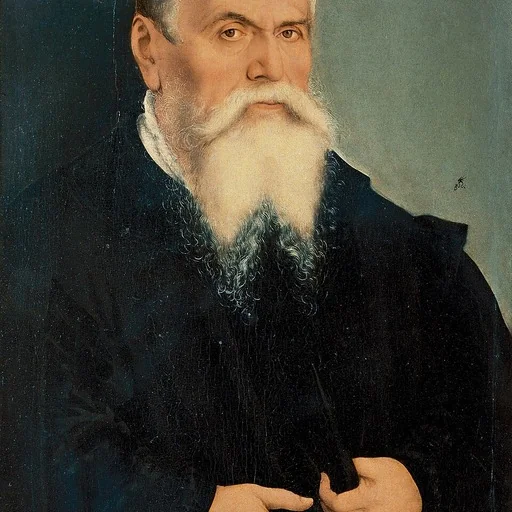
Lucas Cranach the Elder was a German Renaissance painter and printmaker in woodcut and engraving.