Artwork
Autoportret
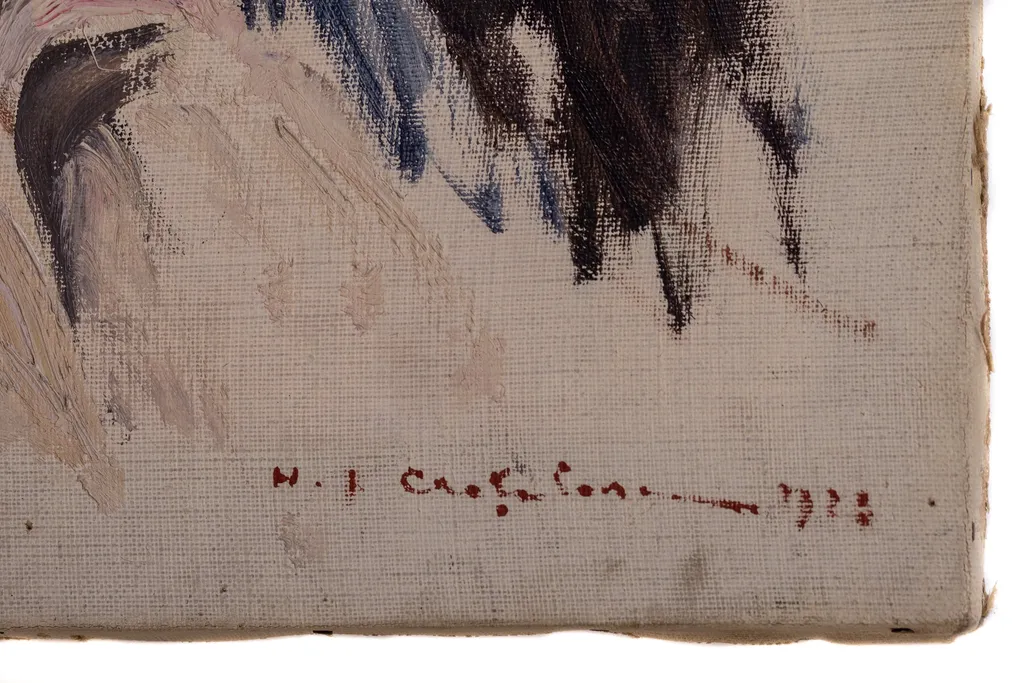
Autoportret is an unspecified painting by Crețulescu Honoriu. It dates from 1923 and is held in the collection of the Moldova National Museum Complex. Created in 1923 by Romanian artist Honoriu Crețulescu, this self-portrait presents a direct, unidealized view of the artist’s face.
About this work
Overview
Created in 1923 by Romanian artist Honoriu Crețulescu, this self-portrait presents a direct, unidealized view of the artist’s face. Executed in oil on canvas, the work emphasizes physical presence over refinement, with a limited palette of earth tones and muted skin hues. The surface is heavily textured, revealing the rawness of the artist’s hand and the underlying weave of the canvas.
Subject & Meaning
The portrait confronts the viewer with an unflinching gaze, suggesting introspection rather than vanity. There is no attempt to soften features or idealize appearance; instead, the artist renders himself with psychological immediacy. The absence of context or adornment focuses attention on the face as both subject and site of personal revelation.
Technique & Style
Crețulescu employs thick, directional brushwork, applying paint in a manner that builds form through texture rather than gradual blending. The impasto technique leaves ridges and peaks, with areas of thin paint exposing the canvas beneath. This method rejects polished finish, favoring a tactile, almost sculptural surface that echoes the physicality of the subject.
History & Provenance
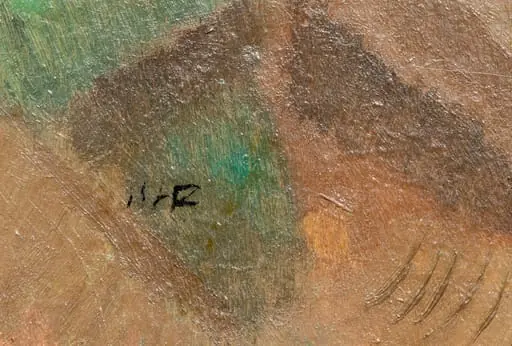
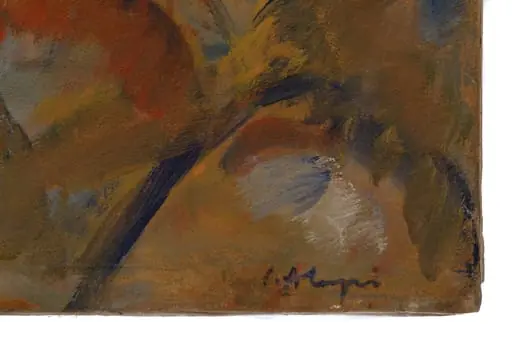
The painting was completed during a period of personal and national transition in Romania, following World War I. While its early ownership is undocumented, it remains within the artist’s known oeuvre. The signature, legible in the lower corner, confirms authorship, though the rest of the inscription is obscured by paint or time.
Context
Emerging from a generation of Eastern European artists influenced by post-impressionism and expressionism, Crețulescu’s approach aligns with a broader trend toward emotional authenticity over academic polish. The work reflects a shift away from idealized portraiture toward raw, individual expression, resonating with contemporaneous movements across Europe.
Legacy
Though not widely exhibited outside Romania, this self-portrait stands as a key example of early 20th-century Romanian modernism. Its unvarnished technique and psychological intensity have influenced later generations of local artists seeking to break from academic traditions. It remains a quiet but persistent testament to the artist’s commitment to personal truth in representation.
Artist & collection
Artist
Honoriu Crețulescu painted quiet scenes of daily life in early 20th-century Romania.
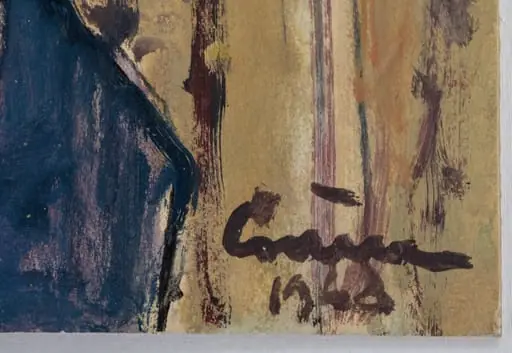 Portret de băiat pe o sofă, văzut până la genunchi, cu mâinile aduse în poală. Are părul scurt, este îmbrăcat cu cămașă verde cu mâneci lungi și pantaloni lungi albaștri. Fundal gri. Ușoară disproporție în construirea personajului prin capul mic în comparație cu corpul. Semnat și datat cu brun, dreapta jos: Craiu 1968.
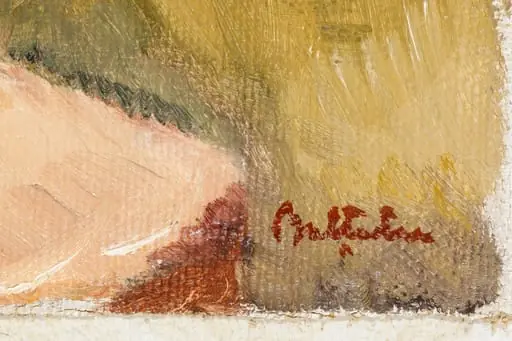 Femeie cu mere
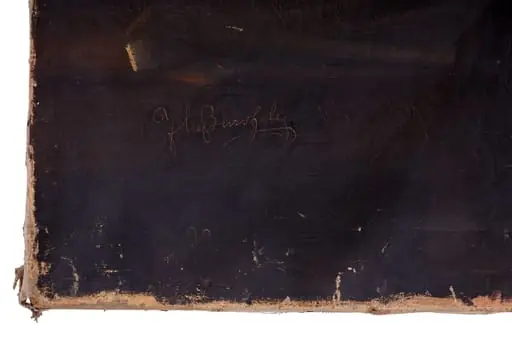 Autoportret
 Tătăroaică din Medgidia
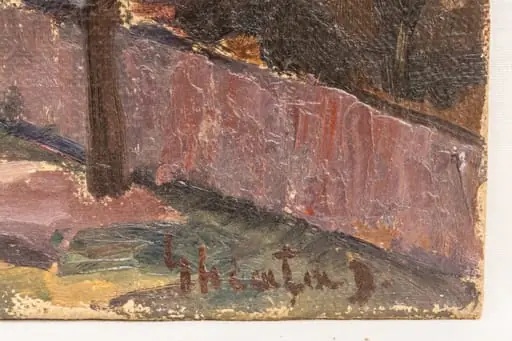 Peisaj cu case
 Peisaj cu lac
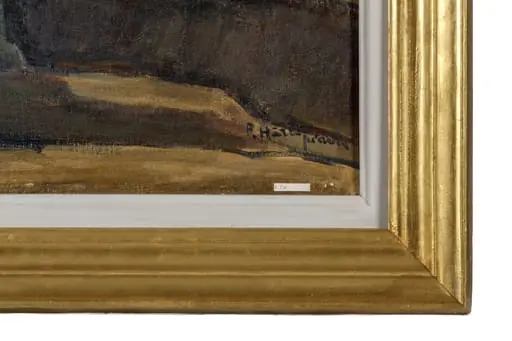 Peisaj dobrogean
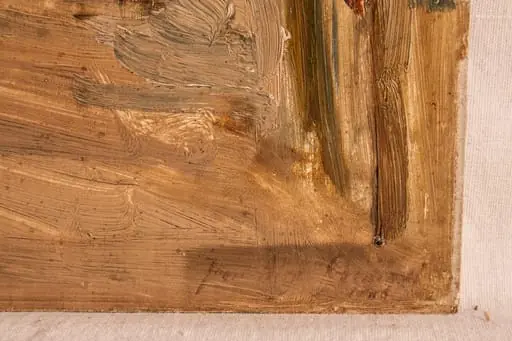 Peisaj
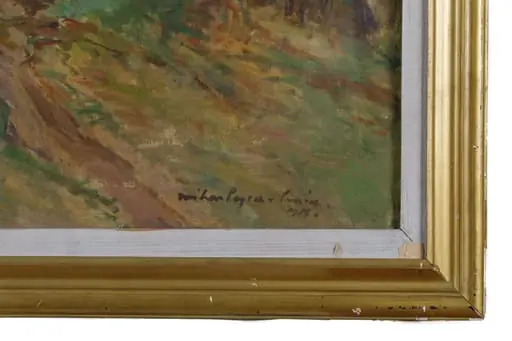 Peisaj de toamnă
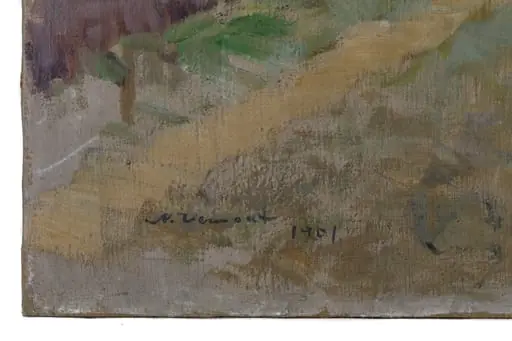 Peisaj
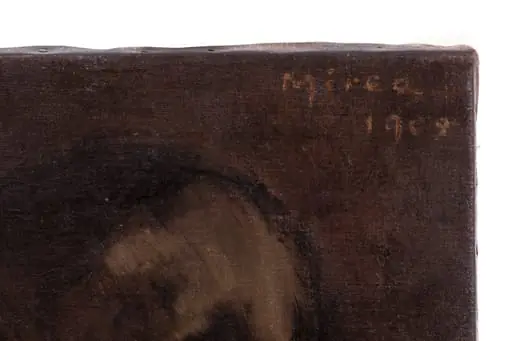 Portret de femeie
 Șantierul conductei Iași - Prut