Artwork
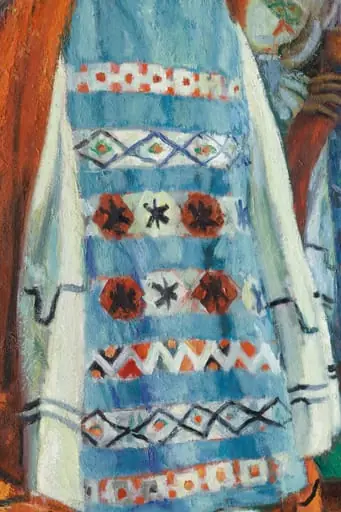
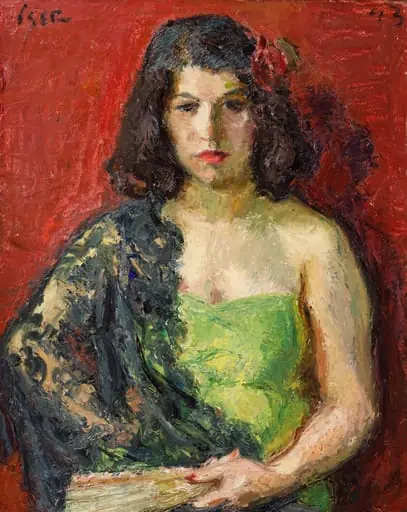
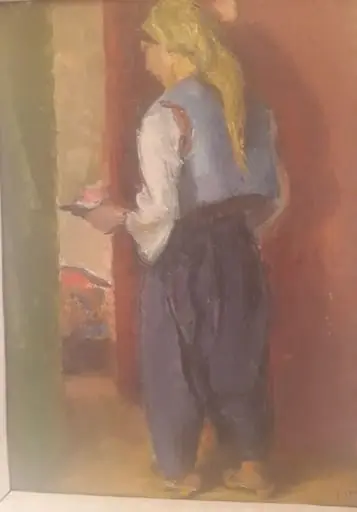
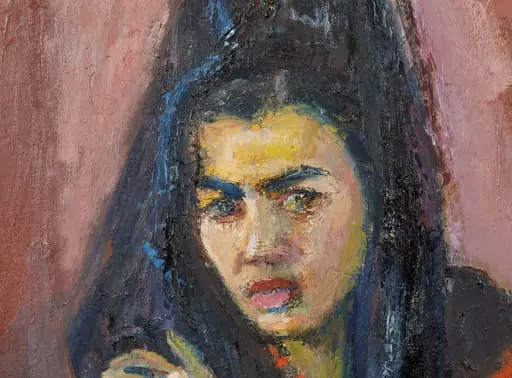
Tătăroaică din Medgidia
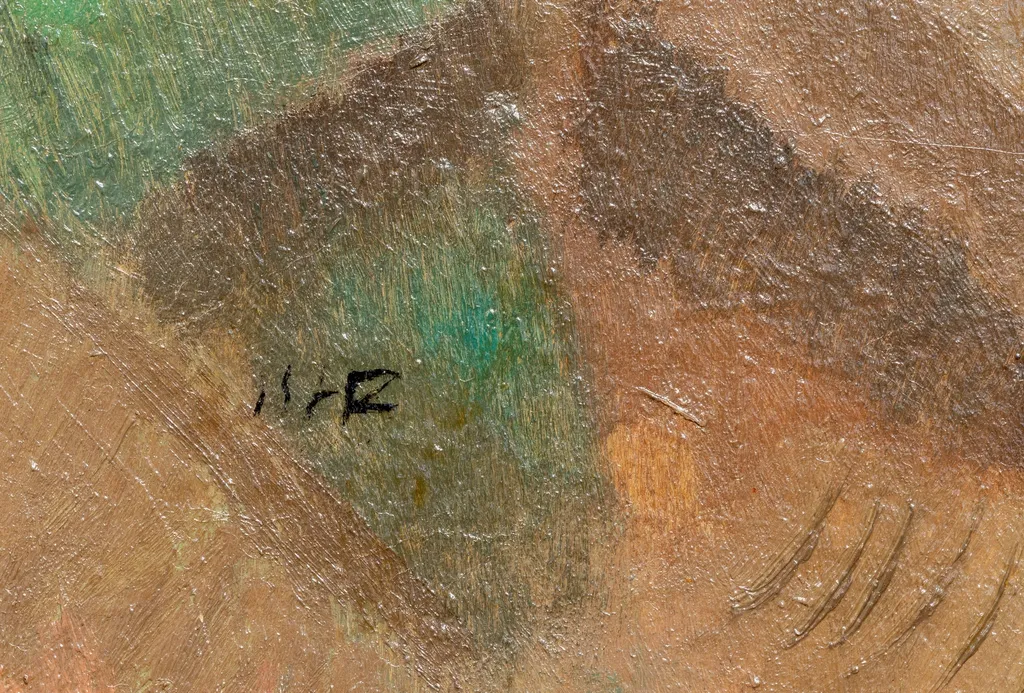
Tătăroaică din Medgidia is an unspecified painting by Iosif Iser. It dates from 1850 and is held in the collection of the National Museum of Art of Romania.
About this work
Overview
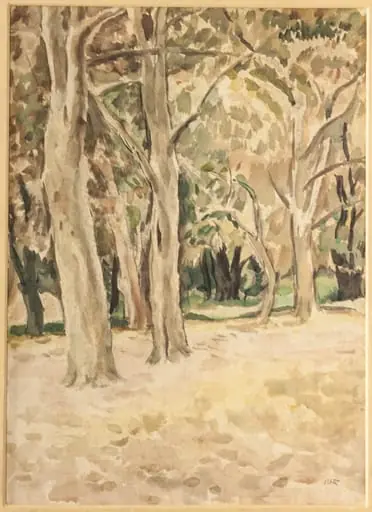
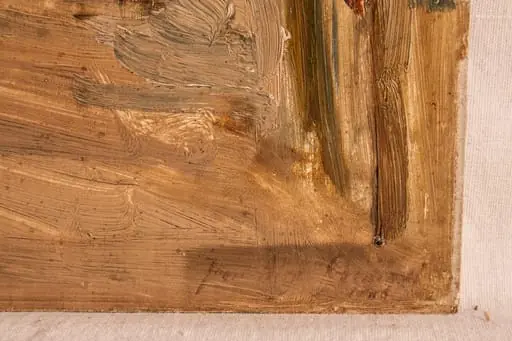
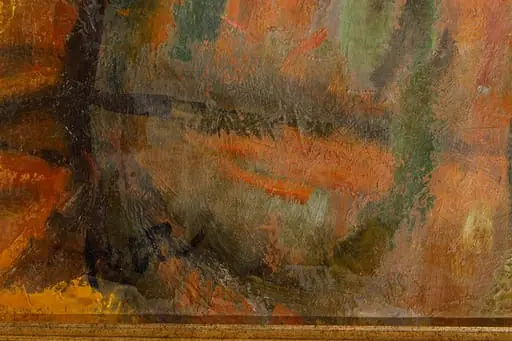
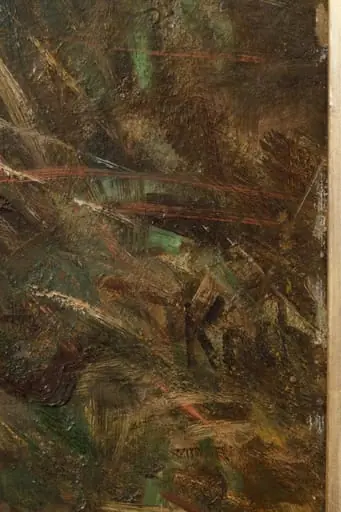
Tătăroaică din Medgidia, painted by Iosif Iser around 1850, is a close-up depiction of a natural setting characterized by tall, dry grass. The work features a subtle, dark figure at its center.
Subject & Meaning
The subject is a serene, earthy landscape with a possible human presence hinted at by a faint, dark shape, suggesting a figure in motion within the natural environment.
Technique & Style
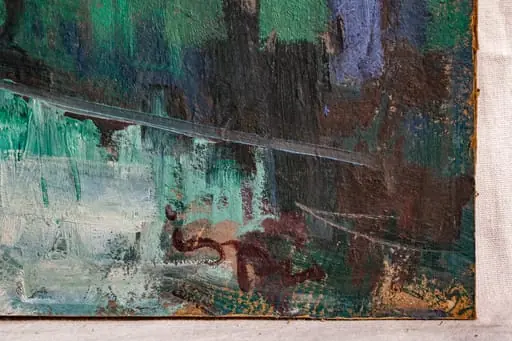
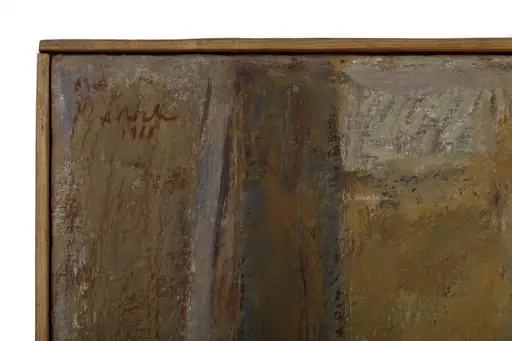
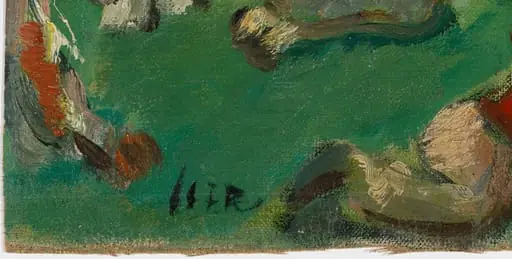
The painting exhibits thick, rough brushstrokes reminiscent of impasto, creating a textured, almost three-dimensional effect. Earthy tones dominate, with accents of light evoking sunlight filtering through the grass.
History & Provenance
Created circa 1850 by Iosif Iser, specific details regarding the work's provenance and historical context are not provided in the available information.
Context
While direct contextual information is limited, the piece's style and technique align with mid-19th-century European artistic explorations of naturalism and the expressive use of brushwork.
Legacy
The legacy of Tătăroaică din Medgidia is not detailed in the provided sources, suggesting a need for further research to understand its impact or recognition within Iosif Iser's oeuvre or broader art historical narratives.
Artist & collection
Artist
Iosif Iser painted everyday life with a focus on people and places. His 1933 work *Paris. Strada Mouffetard* shows a lively street scene in Paris, while *Nud pe fotoliu* depicts a seated nude figure. His brushwork…