Artwork
Heilige Dreifaltigkeit
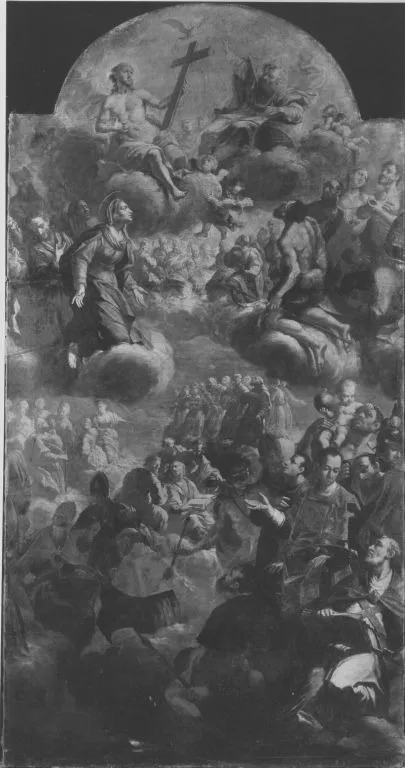
Heilige Dreifaltigkeit is an unspecified painting by the Rococo painting artist Cristoforo Unterperger. It dates from 1765 and is held in the collection of the Bavarian State Painting Collections.
About this work
Overview
Despite its devotional subject, the painting avoids theatricality, favoring a contemplative atmosphere through subdued lighting and composed gestures.
Painted in 1765 by Cristoforo Unterperger, *Heilige Dreifaltigkeit* is a religious composition executed in the Rococo idiom, though it anticipates the restrained tone of early Neoclassicism. The work resides in the Alte Pinakothek in Munich, where it is recognized for its quiet solemnity and careful modeling of figures. Despite its devotional subject, the painting avoids theatricality, favoring a contemplative atmosphere through subdued lighting and composed gestures.
Subject & Meaning
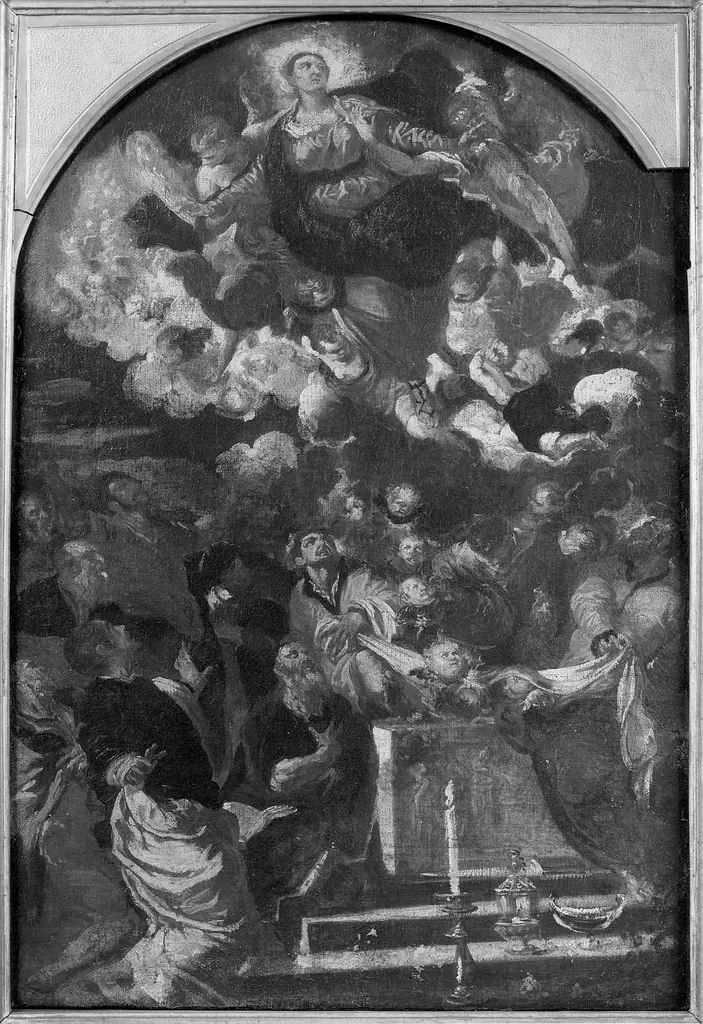
The painting depicts the Holy Trinity within a gathering of worshippers, likely representing a celestial assembly or sacred council. Figures in classical robes, some crowned with laurel, suggest a fusion of Christian theology and classical antiquity. A man plays a stringed instrument, while another holds a book—symbols of divine harmony and sacred text. The scene conveys reverence rather than narrative, inviting quiet meditation on spiritual unity.
Technique & Style
Unterperger employs chiaroscuro to define forms and create spatial depth, with light falling sharply from the left to model draped fabrics and facial features. The dark background isolates the figures, enhancing their presence without distraction. Brushwork is refined but not ornate, avoiding Rococo excess; instead, the composition leans toward clarity and balance, reflecting a transition toward Neoclassical ideals in its restraint and gravity.
History & Provenance
Commissioned for a religious context, the painting entered the Alte Pinakothek’s collection in the 19th century as part of the Bavarian state’s consolidation of ecclesiastical art. Its attribution to Unterperger, a lesser-known figure in 18th-century Italian painting, was confirmed through archival records and stylistic comparison with his other documented works. The painting has remained in the museum’s care since, with no significant alterations or reattributions.
Context
Created during a period when religious art was shifting from Baroque drama toward Enlightenment-era sobriety, the painting reflects regional tastes in southern Germany and northern Italy. While Rococo ornamentation lingered in decorative elements, Unterperger’s focus on solemnity and structured composition aligns with broader trends favoring moral clarity over emotional spectacle in sacred imagery.
Legacy
Though not widely reproduced or studied, *Heilige Dreifaltigkeit* stands as a quiet example of transitional religious art in the late 18th century. It illustrates how artists in smaller centers adapted prevailing styles to suit devotional needs without grandiosity. Its presence in a major public collection ensures its role as a reference for understanding the evolution of sacred imagery beyond dominant artistic centers.
Artist & collection
Artist
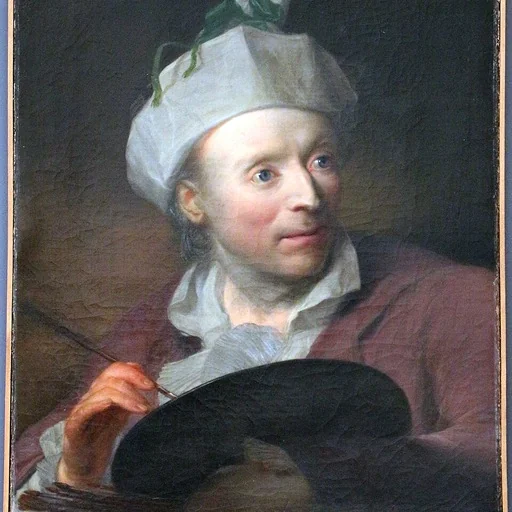
Christopher Unterberger, also Christoph or Cristoforo (27 May 1732 – 25 January 1798) was an Italian painter of the early-Neoclassical period.

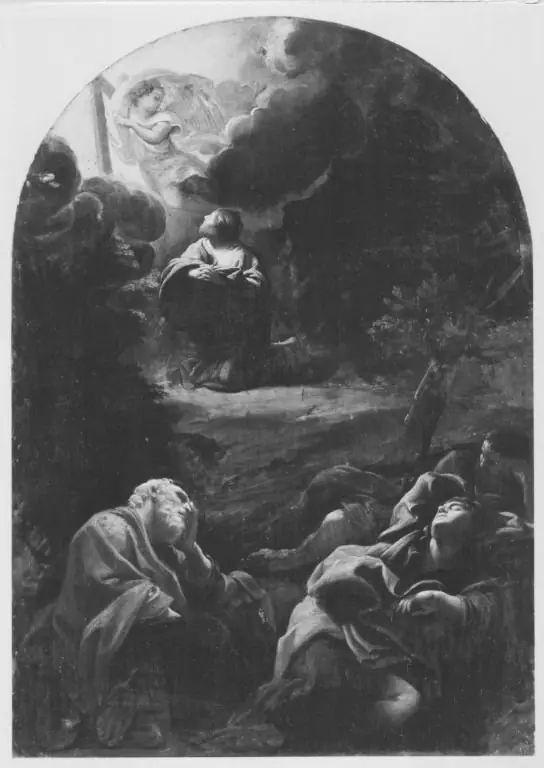 Christus am Ölberg
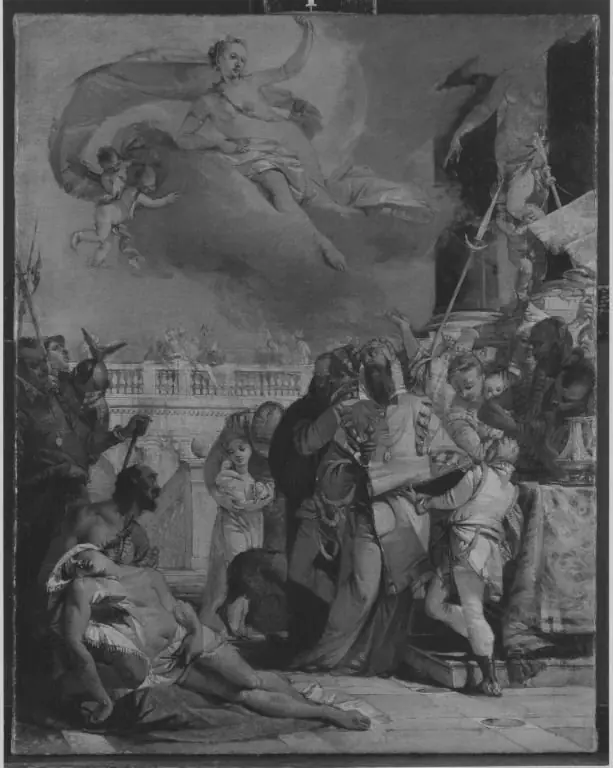 Opferung der Iphigenie
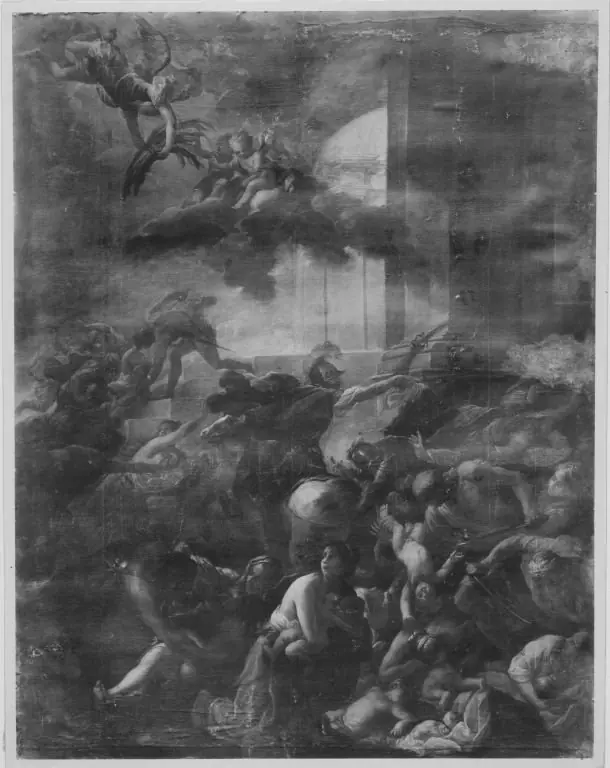 Bethlehemitischer Kindermord
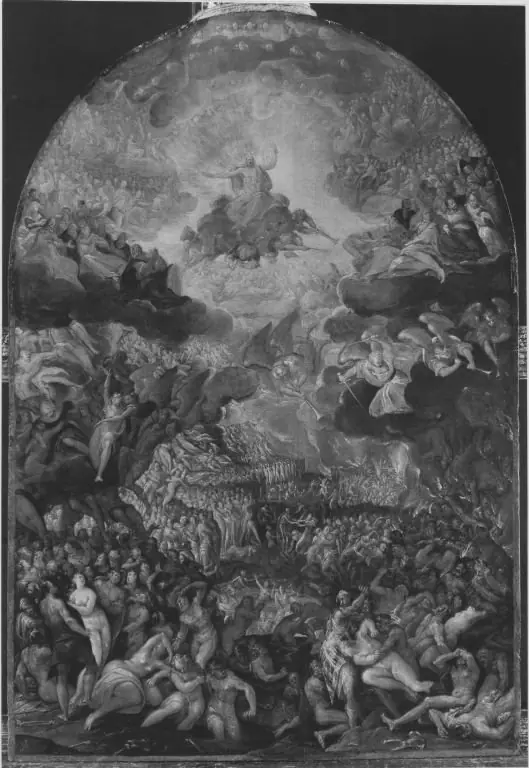 Jüngstes Gericht
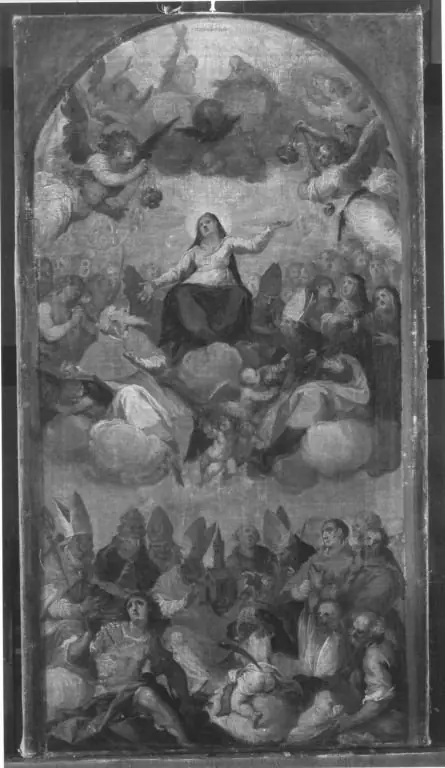 Maria auf Wolken mit Heiligen
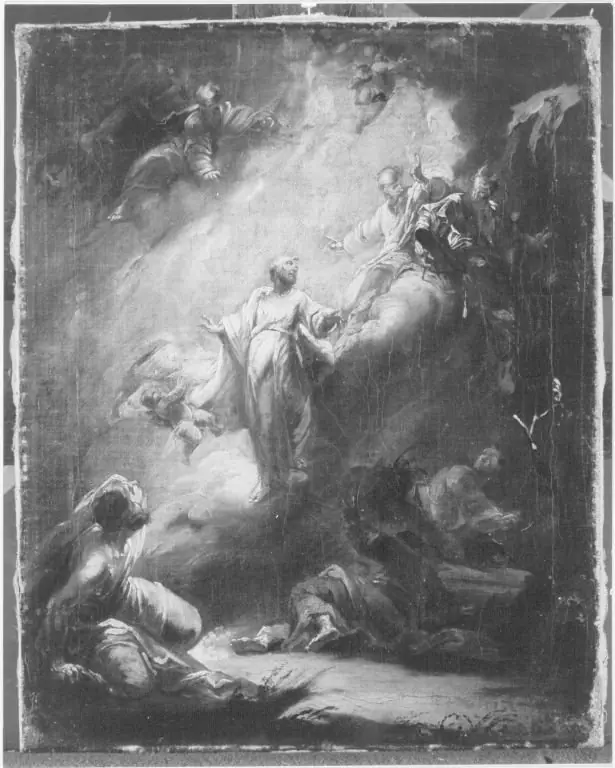 Verklärung Christi
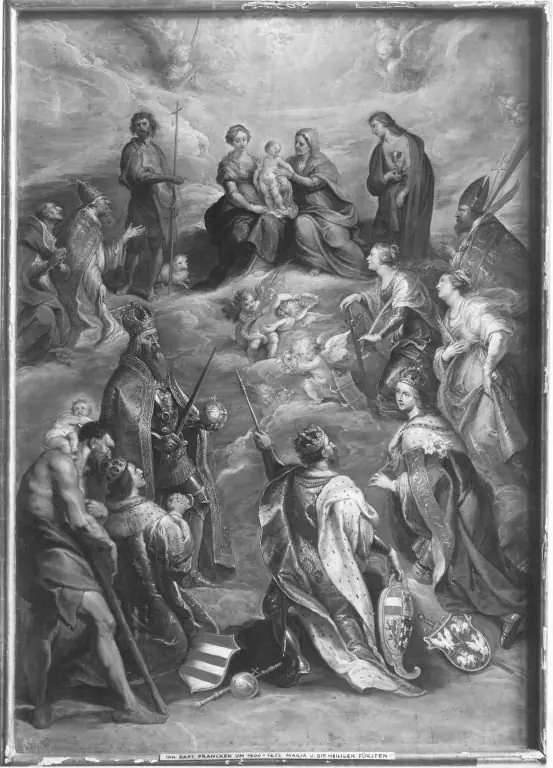 Virgin with child and St. Anna, surrounded by Saints and the Saints of the House of Austria
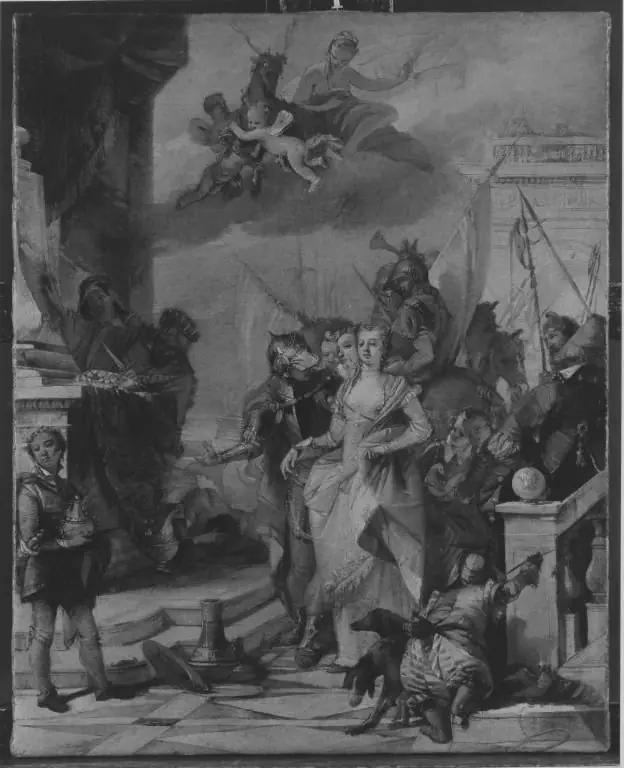 Iphigenie wird zum Tempel geführt
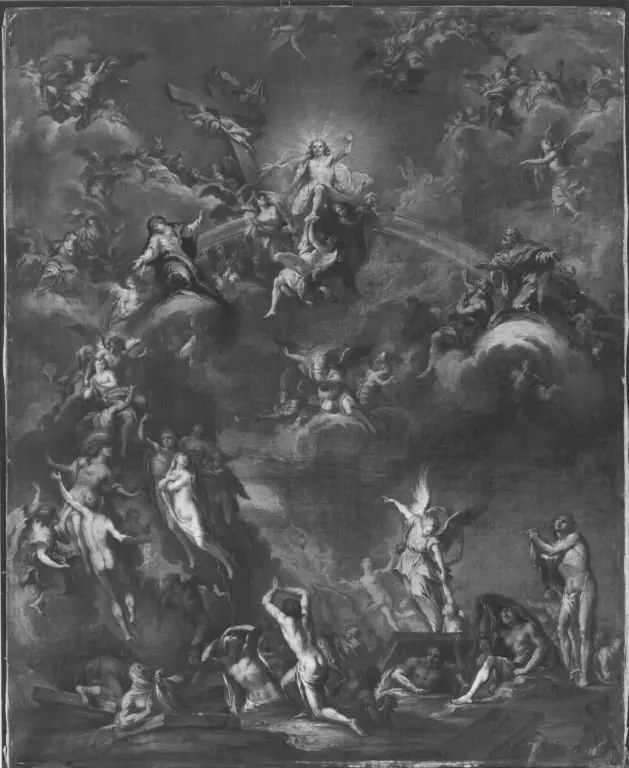 Jüngstes Gericht
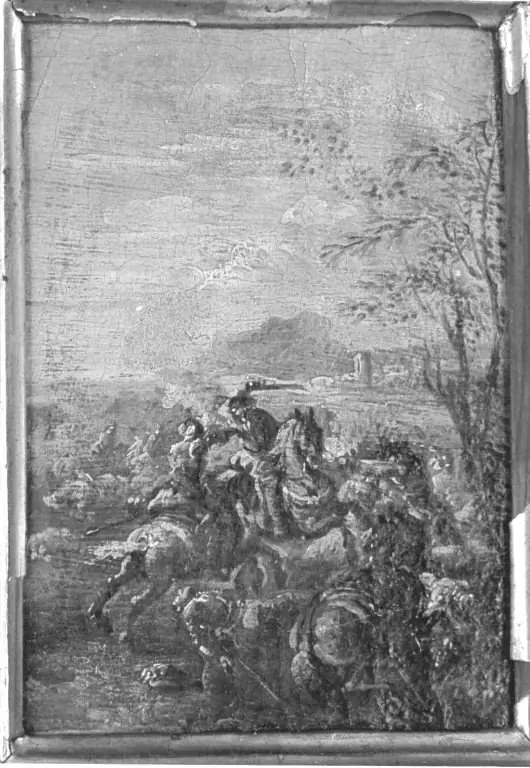 Schlachtenbild
 The Assumption of the Virgin
 Kriegergruppe