Artwork
The Apotheosis of Hercules
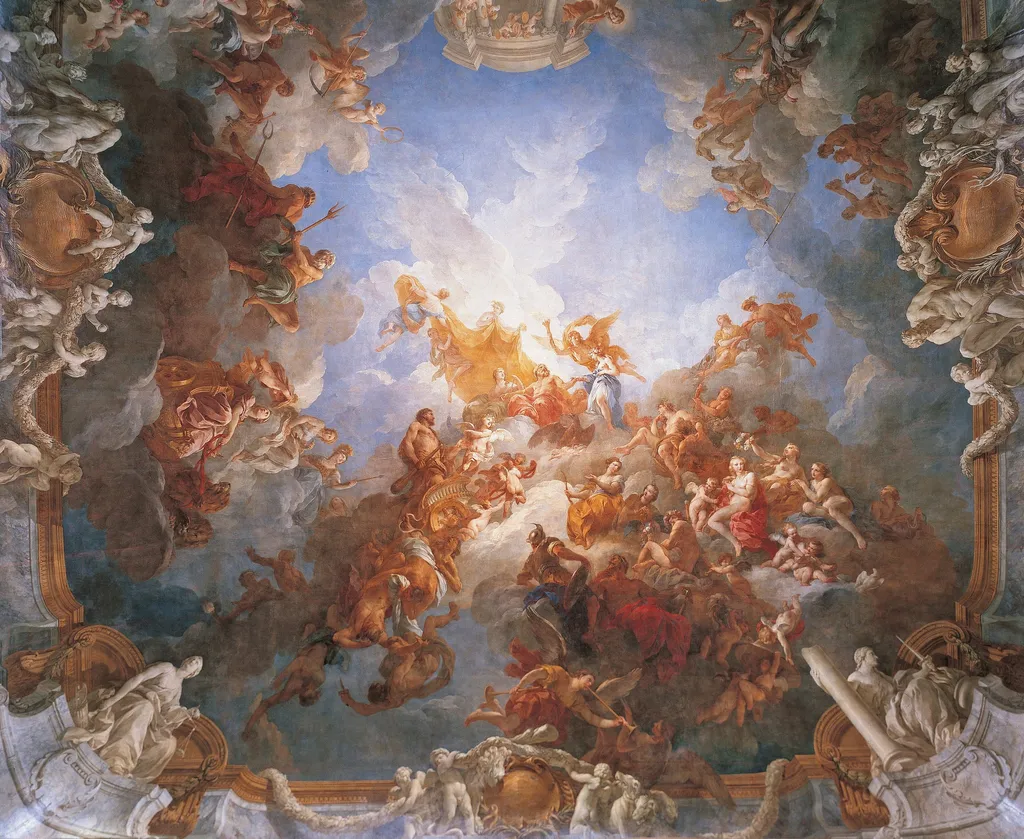
The Apotheosis of Hercules is a fresco painting by the Rococo painting artist François Lemoyne. It dates from 1731 and is held in the collection of the Palace of Versailles.
About this work
Overview
Created as part of a broader decorative program under Louis XV, the work reflects the king’s interest in mythological allegory as a vehicle for royal symbolism.
Painted in 1731, *The Apotheosis of Hercules* is a ceiling fresco commissioned for the Palace of Versailles by François Lemoyne, then France’s leading court painter. Created as part of a broader decorative program under Louis XV, the work reflects the king’s interest in mythological allegory as a vehicle for royal symbolism. Lemoyne’s role as Premier peintre du Roi placed him at the center of French artistic life, and this commission marked a high point in his career.
Subject & Meaning
The fresco illustrates the mythological ascension of Hercules to divine status among the Olympian gods. Figures surround the central figure of Hercules, who is lifted by Zeus amid celestial clouds. The composition draws on classical sources to elevate the hero’s virtues—strength, endurance, and redemption—into a metaphor for enlightened rule. The scene aligns with contemporary royal ideology, subtly linking Hercules’ triumph to the legitimacy of the Bourbon monarchy.
Technique & Style
Lemoyne employed traditional fresco techniques, applying pigment to wet plaster to achieve durable, luminous color. The composition is dynamic, with figures arranged in swirling, airborne groupings that guide the eye upward. Drapery and anatomy are rendered with classical precision, while the palette—dominated by soft blues, gold accents, and pale whites—creates a serene, ethereal atmosphere. The style blends Baroque movement with the lighter, more ornamental tendencies of early Rococo.
History & Provenance
Commissioned for the Palace of Versailles, the fresco was installed in the Salon d’Hercule, a room designed to showcase royal power through mythological narrative. It remained in situ throughout the 18th century and survived the French Revolution largely intact. Unlike many court artworks, it was never removed or significantly altered, preserving its original context. Its survival offers rare insight into the decorative ambitions of Louis XV’s reign.
Context
Lemoyne’s work emerged during a period when French royal patronage favored mythological allegory over religious imagery. The Académie royale promoted classical themes as the highest form of artistic expression, and Lemoyne, as both practitioner and professor, helped shape this aesthetic. His fresco responded to the legacy of Charles Le Brun, whose earlier works at Versailles set the standard for grand historical painting in the French court.
Legacy
Though Lemoyne’s reputation declined after his death, *The Apotheosis of Hercules* remains a key example of early Rococo ceiling painting in France. It influenced his students, including Boucher and Natoire, who carried forward his compositional strategies. The fresco continues to be studied for its synthesis of classical narrative and decorative innovation, offering a window into the intersection of art, politics, and myth in 18th-century France.
Artist & collection
Artist
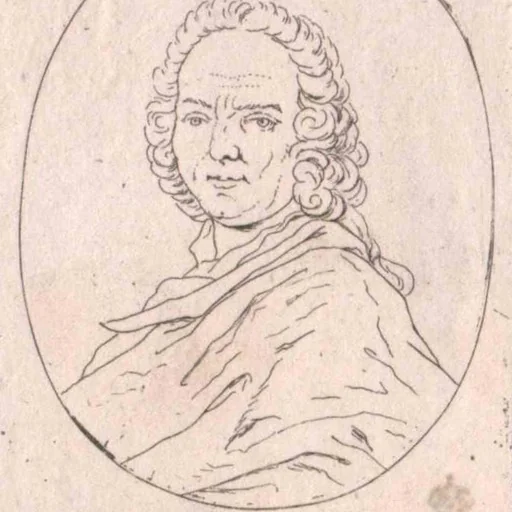
François Lemoyne or François Le Moine (French: ; 1688 – 4 June 1737) was a French rococo painter.

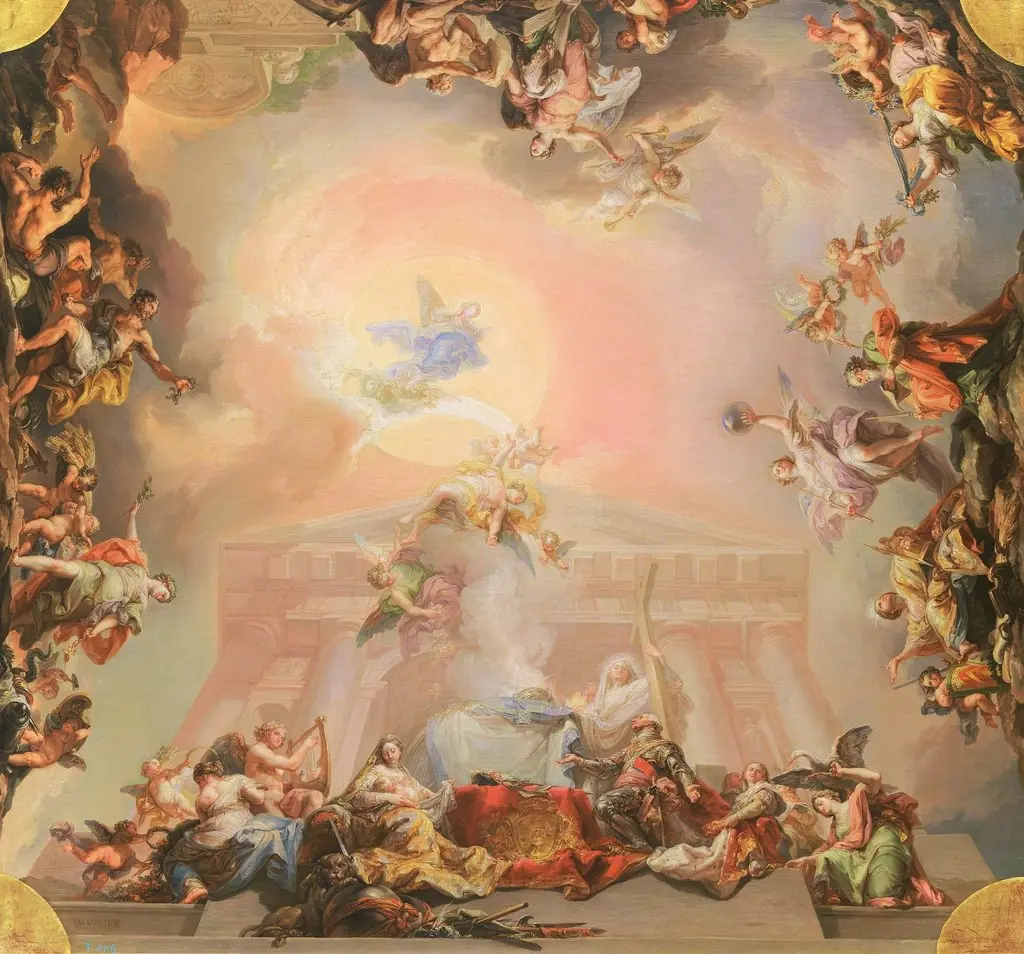 Sketch for Allegory of the Institution of the Order of Charles III
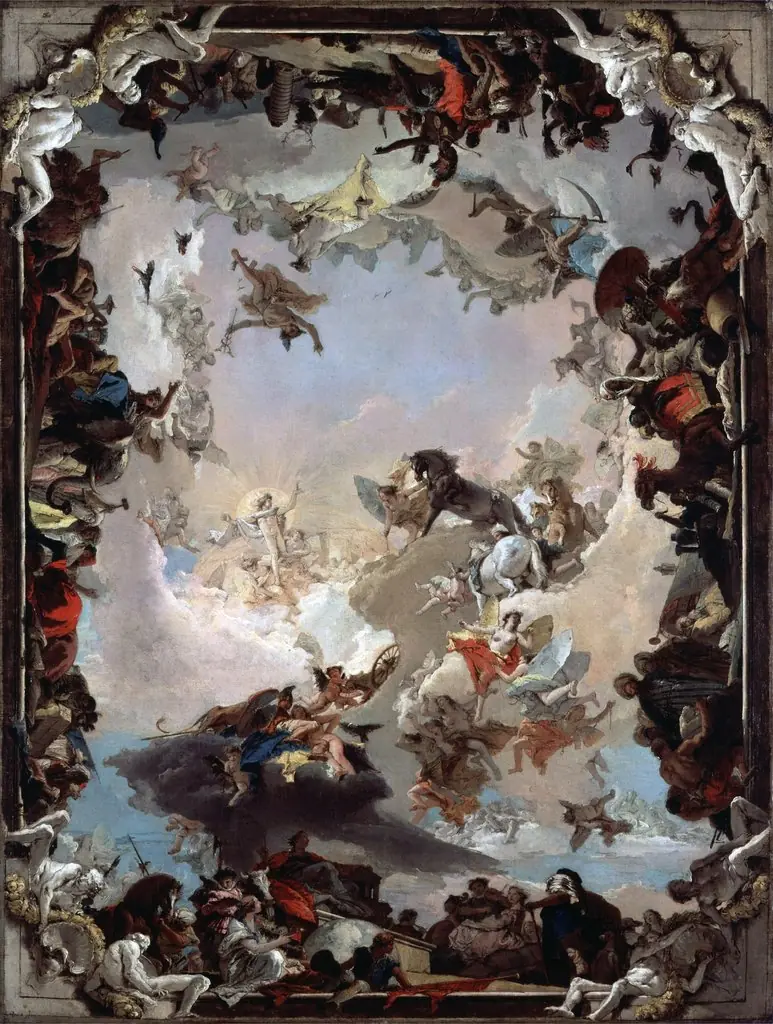 Allegory of the Planets and Continents
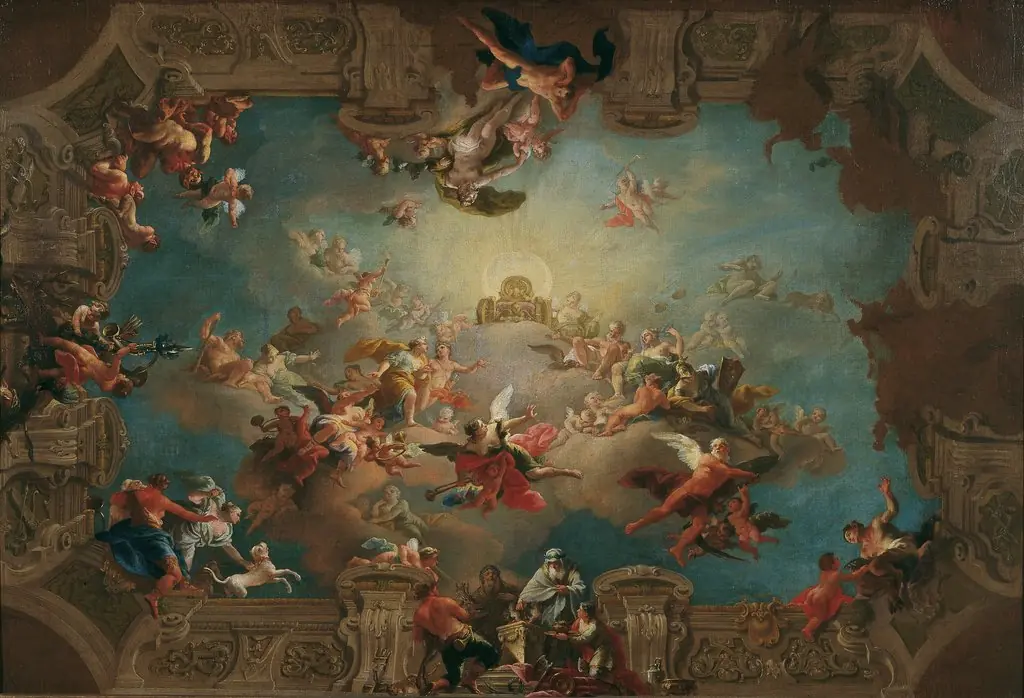 Diana's Admission to Olympus
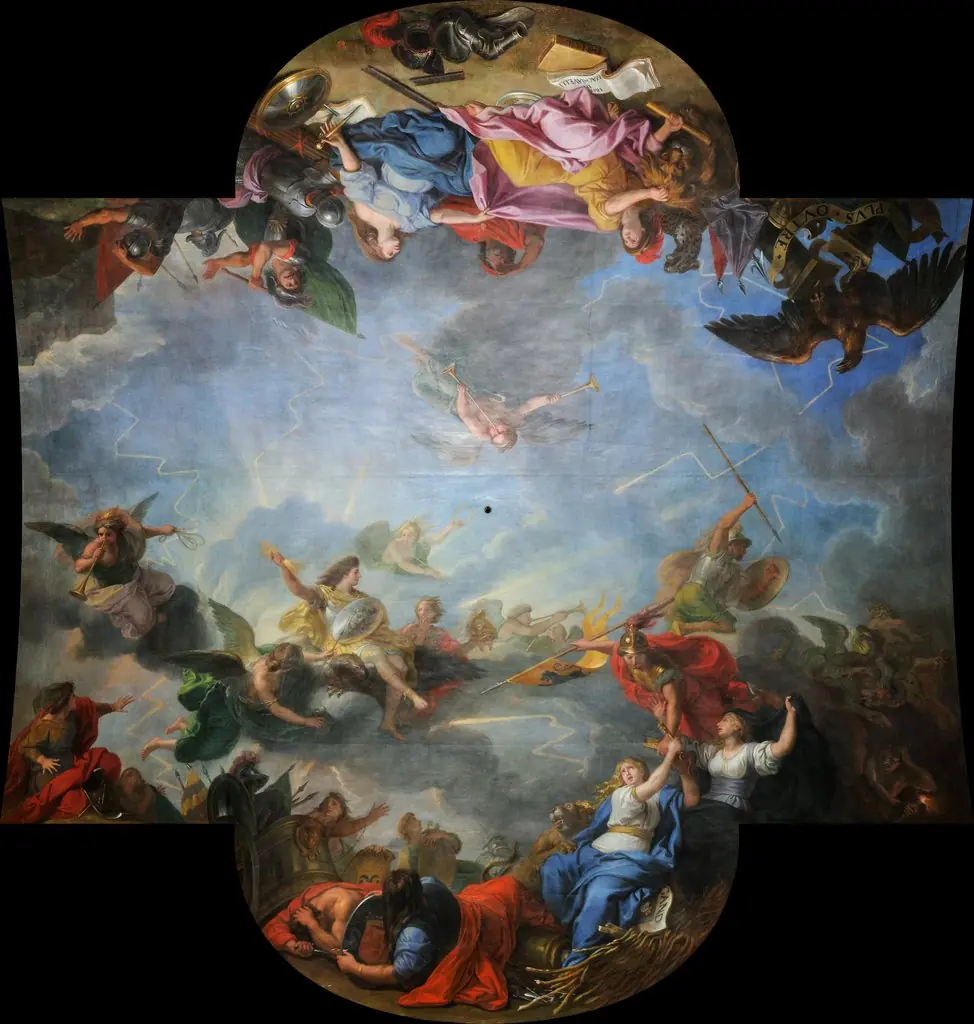 capture the citadel
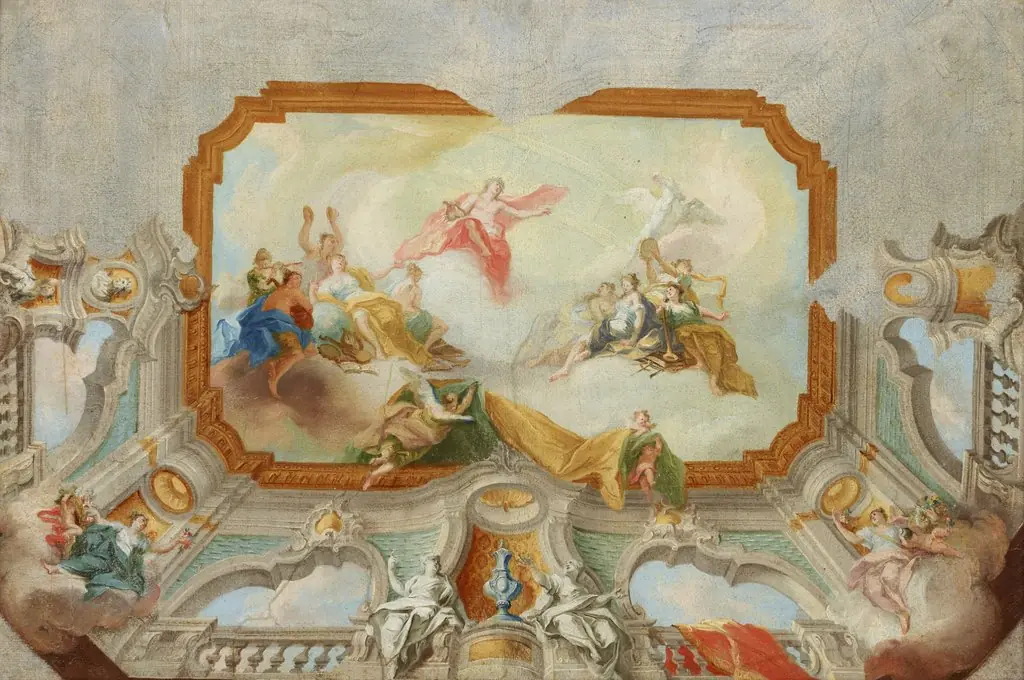 Apollo with the Muses – Project for a Plafond
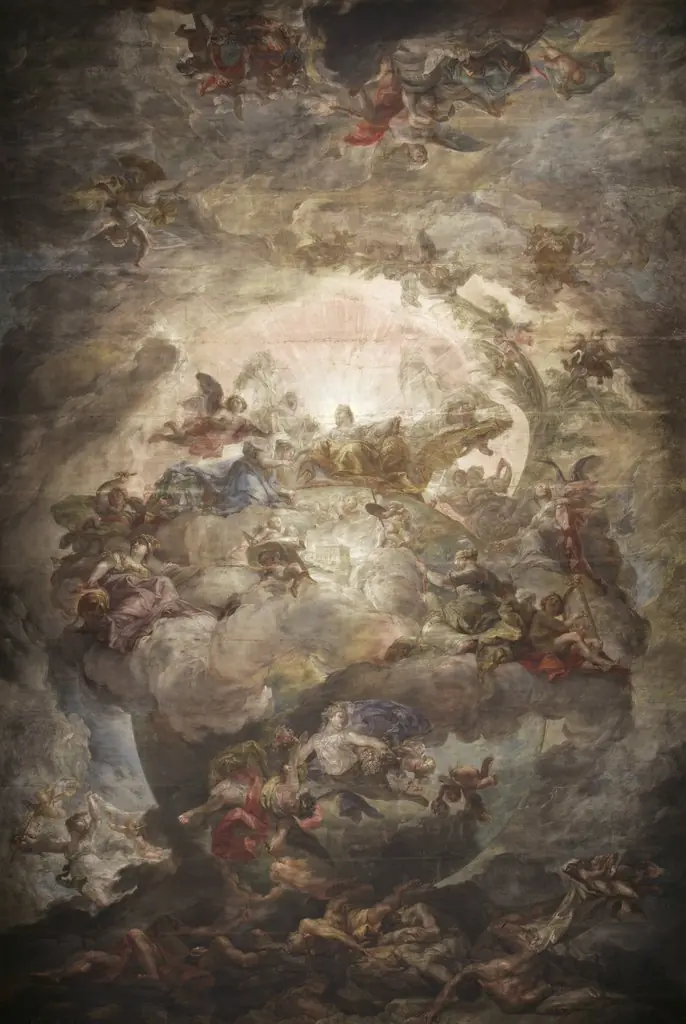 Allegory of the donation of the Casino to Queen María Isabel de Braganza by the Municipality of Madrid
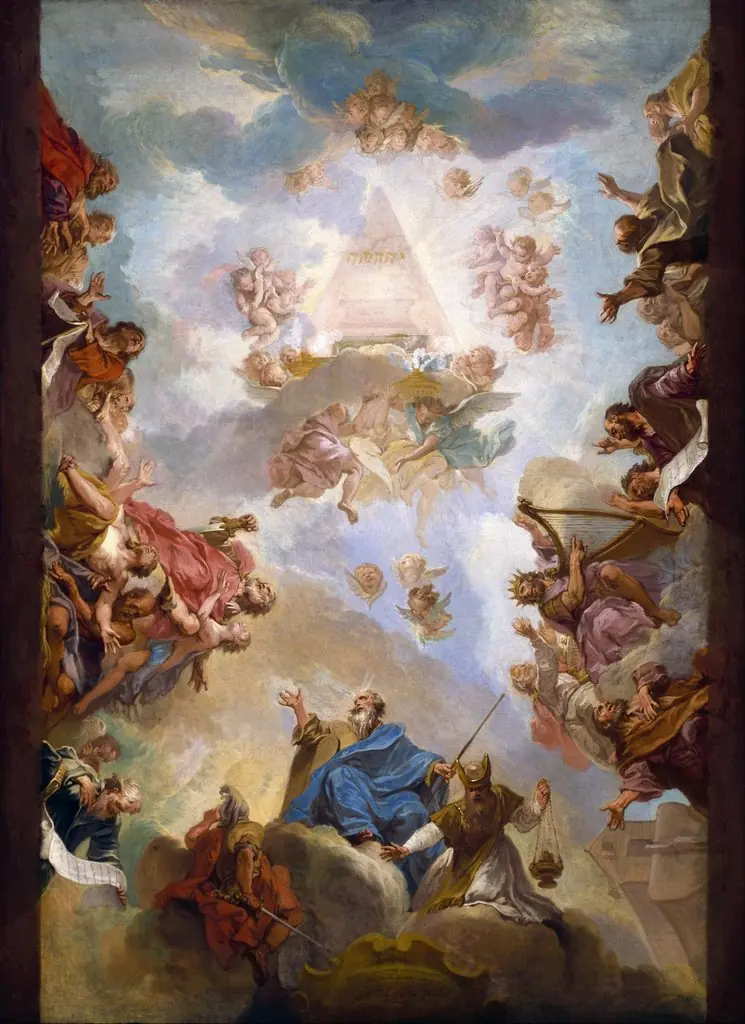 Prophets and Kings of the Old Testament Adoring the Name of Jehovah
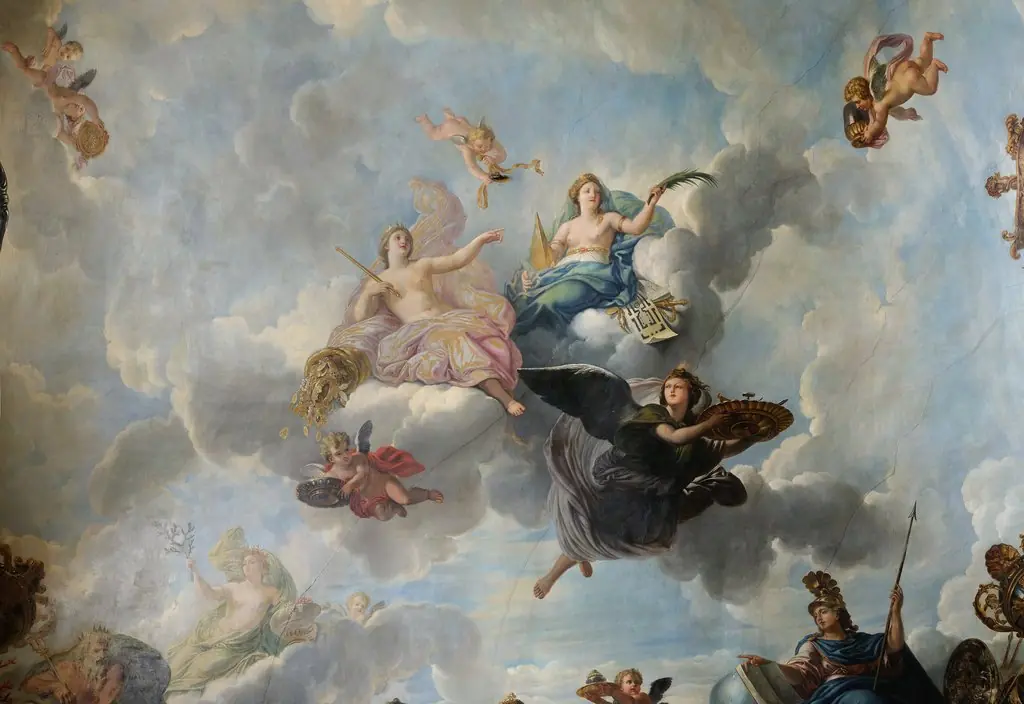 Figure of the Royal Magnificence, Immortality and Progress in the Fine Arts
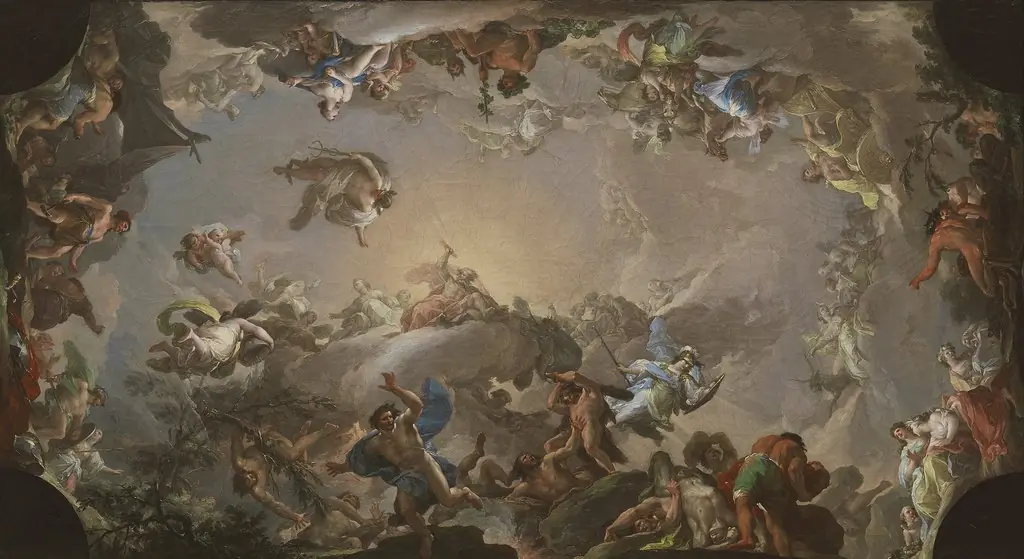 Olympus: The Fall of the Giants
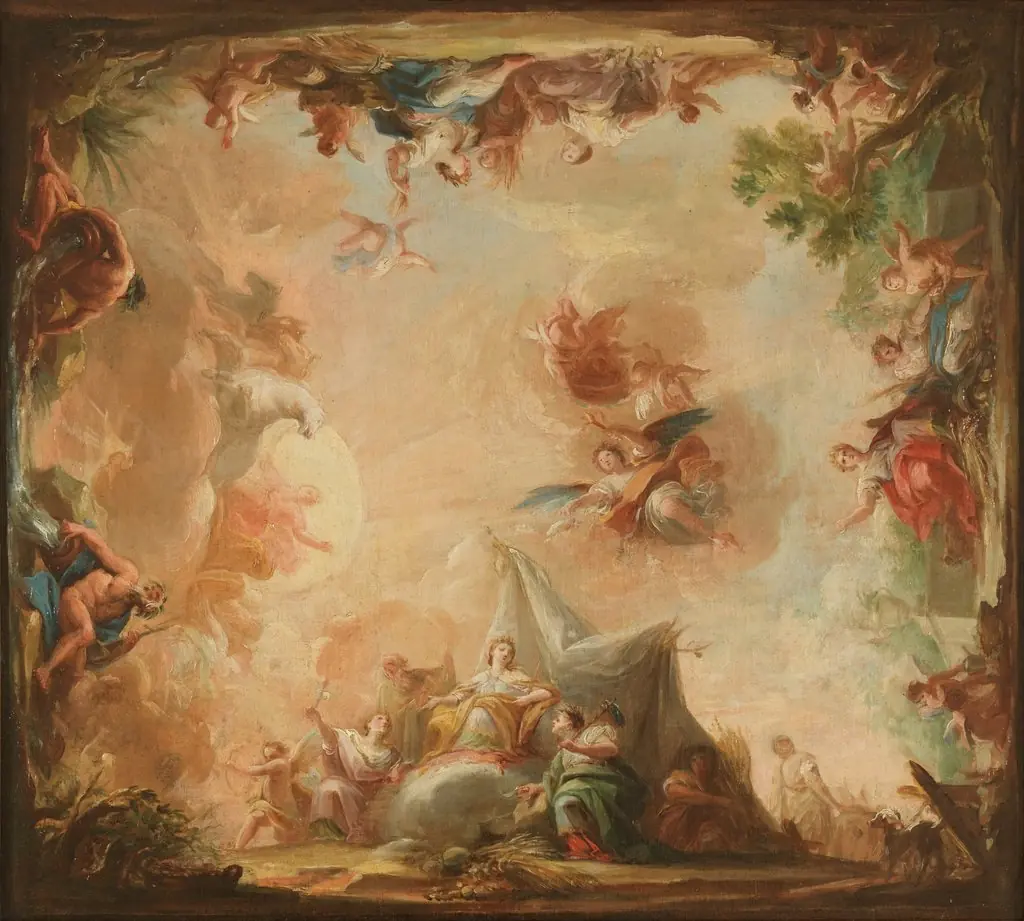 The Goddess Cybele offering her Produce to the Earth