Artwork
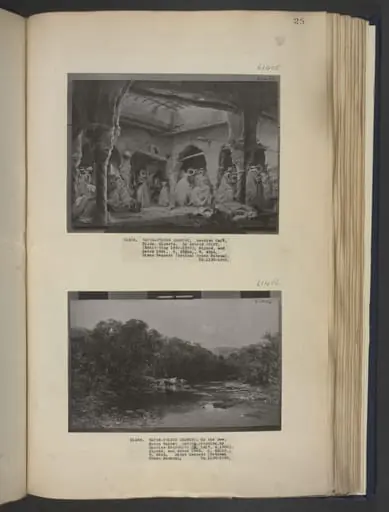
Moorish cafe, Blida, Algeria
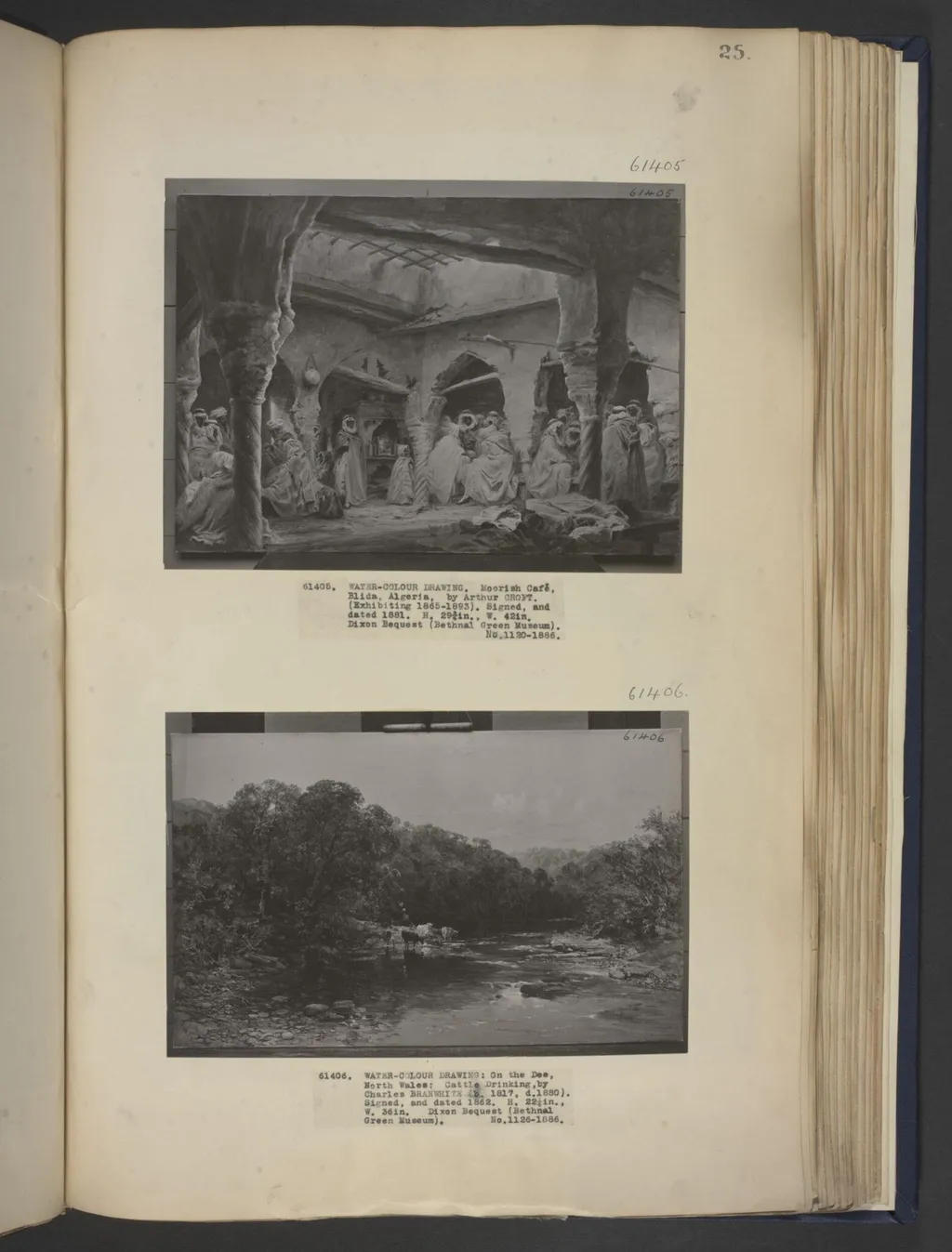
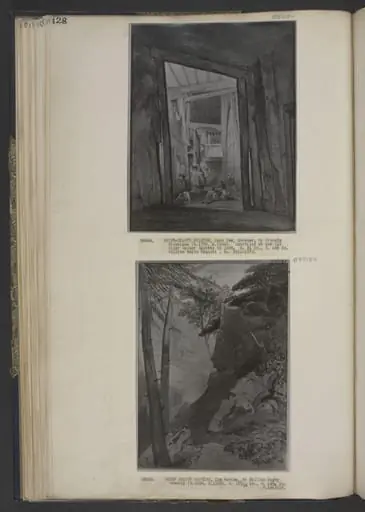
Moorish cafe, Blida, Algeria is a watercolor work on paper by the Impressionist artist Arthur Croft. It dates from 1881 and is held in the collection of the Victoria and Albert Museum.
About this work
Overview
Created in 1881 by Arthur Croft, this watercolour captures an interior scene in Blida, Algeria. The work is signed and dated by the artist, confirming its origin and timing. Rendered in delicate washes, it portrays a modest, enclosed space where local figures gather around a small fire. The composition emphasizes quiet intimacy, with muted tones and soft transitions between light and shadow.
Subject & Meaning
The scene depicts a group of individuals in a dim, cave-like café, some seated on the floor wrapped in cloaks, others standing or crouching near a central fire. Faces are largely obscured by shadow, suggesting anonymity and introspection. The setting conveys a sense of communal warmth amid confinement, reflecting daily life in a North African domestic space without overt narrative or symbolism.
Technique & Style
The fire’s glow is implied through faint halos of ochre and pale yellow, casting soft gradients across figures and surfaces.
Croft employed watercolour with subtle layering to suggest ambient light and texture. The walls and ceiling are rendered with loose, blended washes, evoking rough stone and low ceilings. The fire’s glow is implied through faint halos of ochre and pale yellow, casting soft gradients across figures and surfaces. Minimal detail in facial features enhances the atmospheric mood rather than individual identity.
History & Provenance
The watercolour was completed during Croft’s travels in Algeria, likely as part of a broader documentation of local life. Its survival and attribution to the artist are well established through his signature and date. While its early ownership is undocumented, it entered institutional collection through later acquisition, preserving its connection to 19th-century British artistic engagement with North Africa.
Context
In the late 19th century, European artists increasingly traveled to North Africa, drawn by its architecture and customs. Croft’s work aligns with this trend, offering a quiet, observational record rather than exoticized spectacle. The scene reflects a moment of everyday stillness, contrasting with more theatrical depictions common in Orientalist painting of the period.
Legacy
This watercolour remains a modest but significant example of British travel art from colonial-era Algeria. It contributes to a quieter strand of 19th-century visual culture that prioritizes atmosphere over spectacle. Though not widely exhibited, it offers insight into how artists engaged with local environments through sensitivity to light, space, and quiet human presence.
Artist & collection
Artist
Arthur F. Croft was an American Major League Baseball player. He played for three teams during three-year professional and Major League career.