Artwork
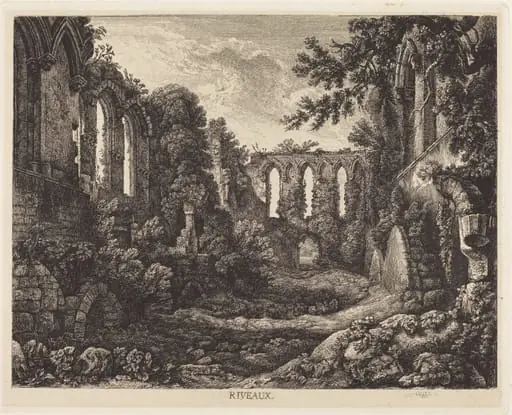
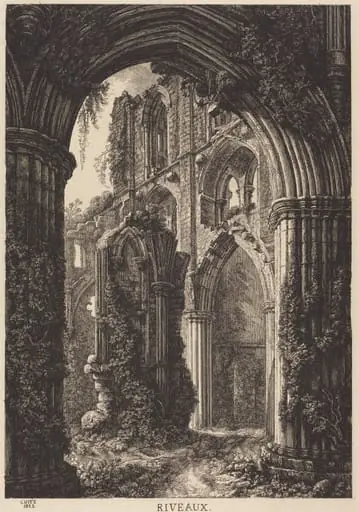
Riveaux
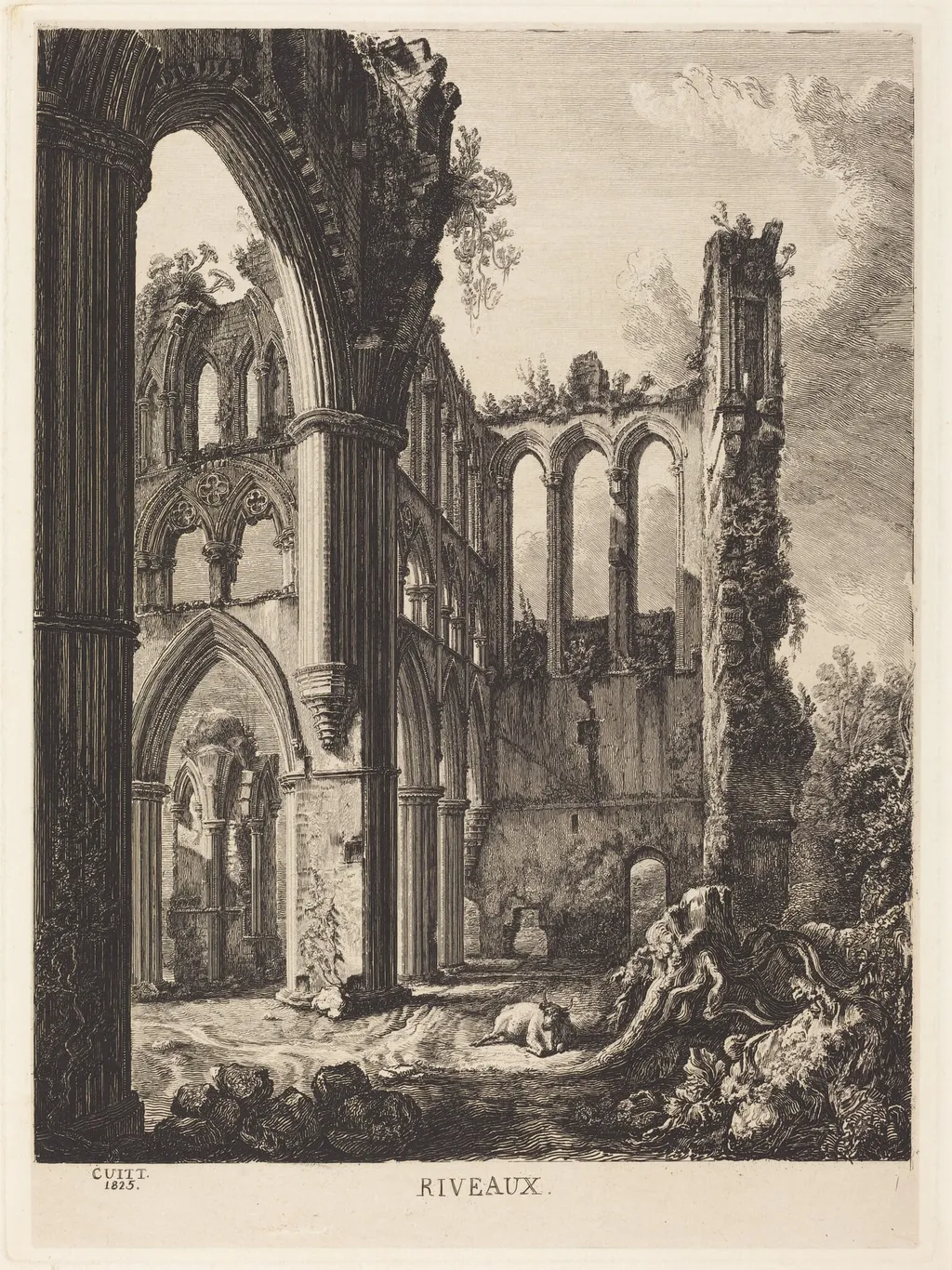
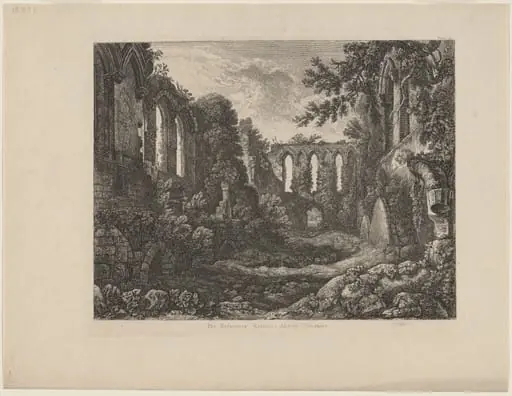
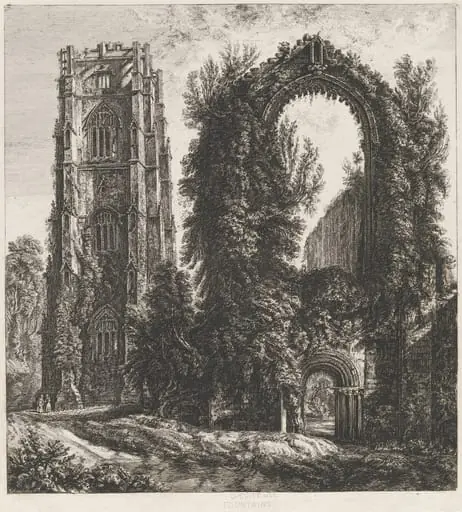
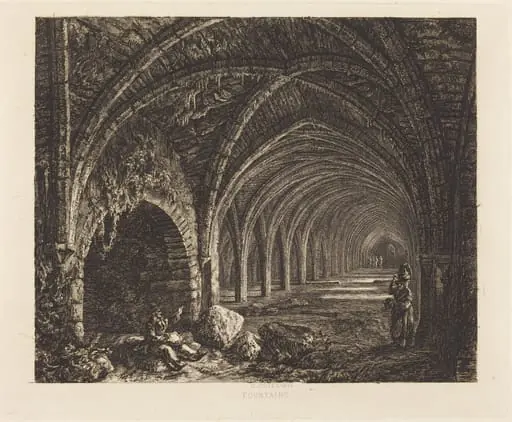
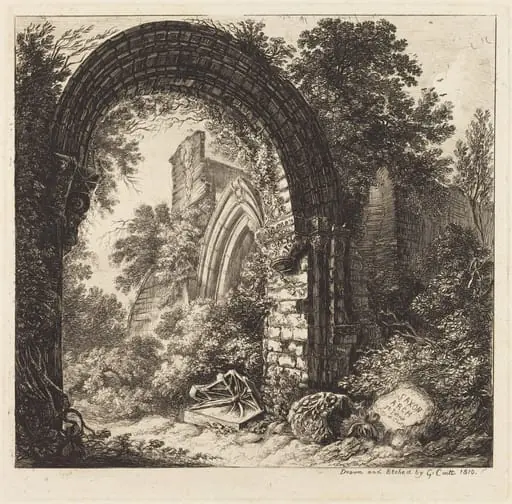
Riveaux is an ink print by the Romanticist artist George Cuitt the Younger. It dates from 1825 and is held in the collection of the National Gallery of Art.
About this work
Overview
Riveaux is an 1825 etching on thin paper by the English landscape artist George Cuitt the Younger. The print depicts a solitary figure in a coat standing upon a rugged shoreline, with surf breaking behind him beneath a brooding, cloud‑filled sky. The composition balances human presence against the elemental forces of sea and weather.
Subject & Meaning
The lone man, rendered in modest detail, appears contemplative as he surveys the tumultuous water. The work suggests themes of solitude and the sublime, inviting viewers to consider humanity’s smallness amid the relentless power of nature, a common preoccupation in early‑19th‑century British art.
Technique & Style
Cuitt employed traditional intaglio methods, incising fine lines directly into a copper plate. The thin, delicate paper used for the impression captures these incisions with sharp clarity, allowing the intricate line work to convey texture in rock, water, and cloud. The overall effect is precise yet atmospheric, characteristic of Cuitt’s meticulous draughtsmanship.
History & Provenance
Created in 1825, Riveaux belongs to the period when Cuitt the Younger was establishing his reputation as a printmaker following his father’s landscape tradition. The print has circulated among collectors of British etchings and appears in several catalogues of Cuitt’s oeuvre, though specific ownership records remain limited.
Artist & collection