Artwork
Saxon Arch
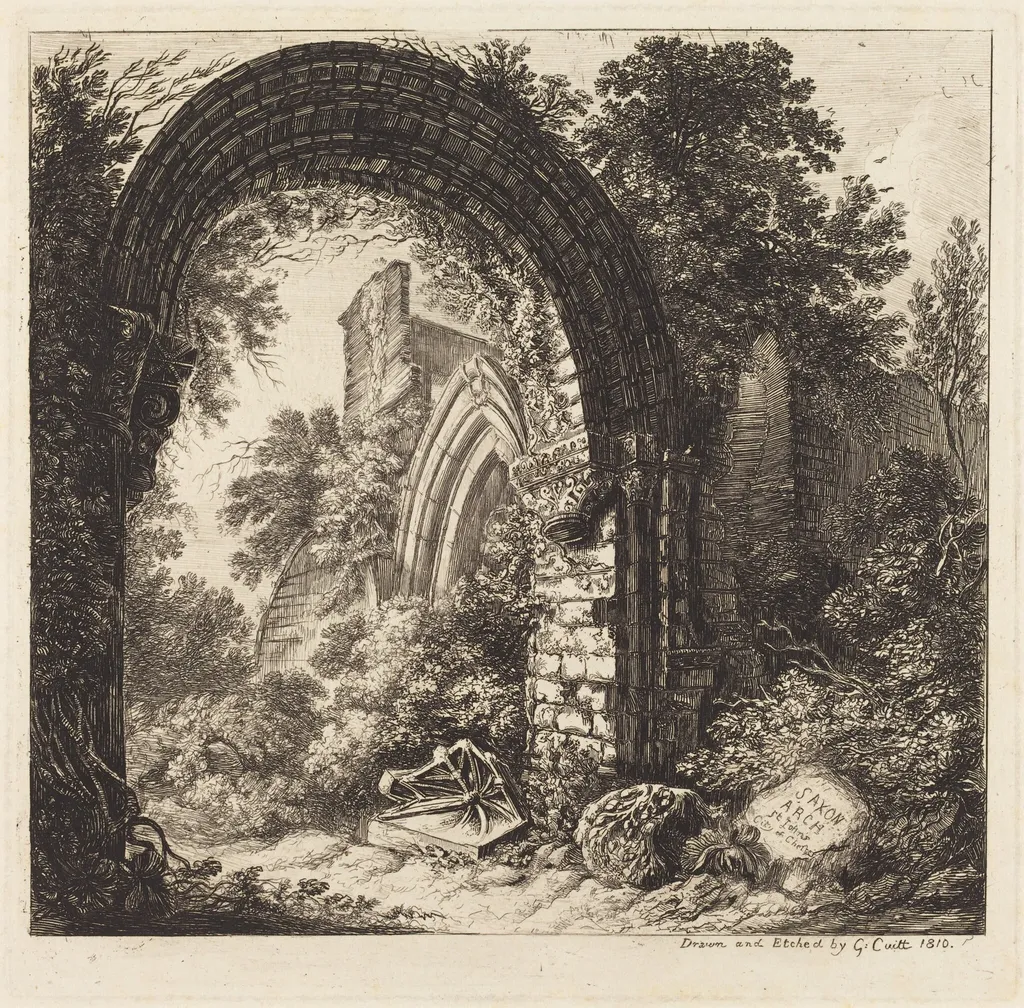
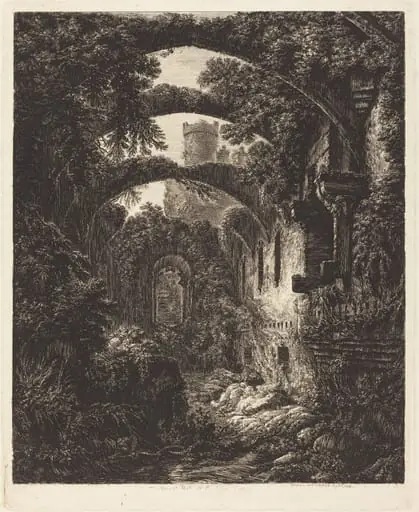
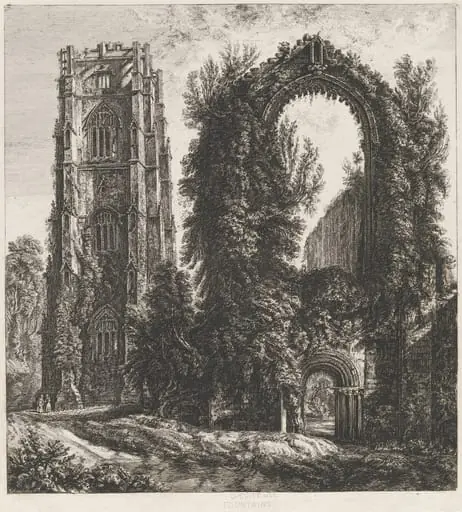
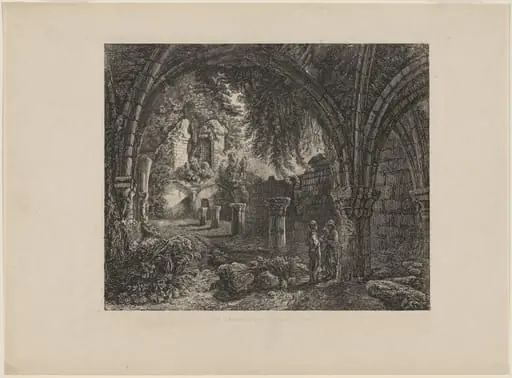
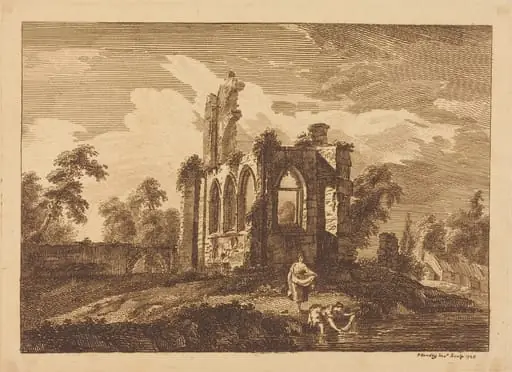
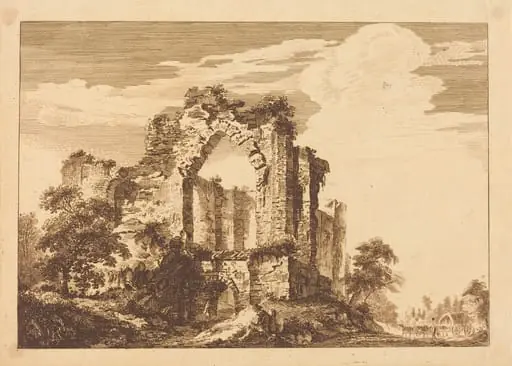
Saxon Arch is an ink print by the Romanticist artist George Cuitt the Younger. It dates from 1810 and is held in the collection of the National Gallery of Art.
About this work
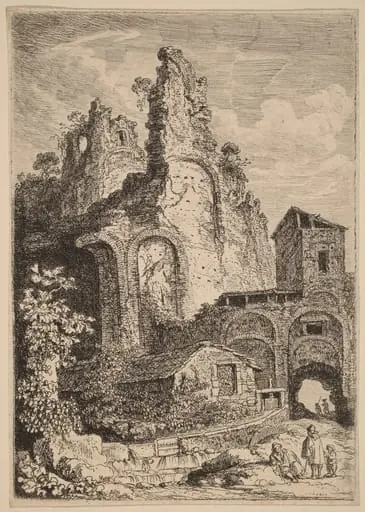
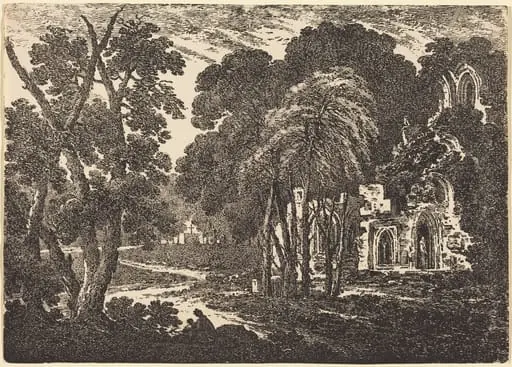
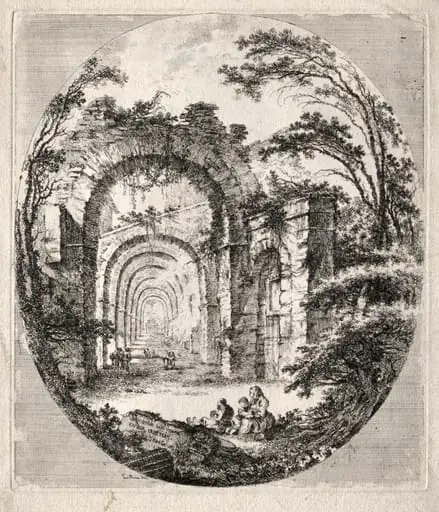
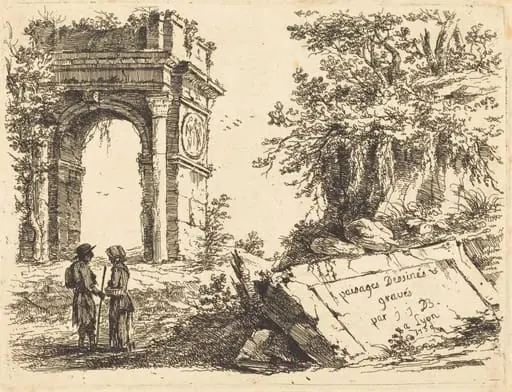
The painting shows an old arch with trees and a wall around it.
It's an etching, which is a way of making prints from metal plates.
The artist made this in 1810, but I'm not sure what inspired it - maybe the place was special to them.
You can learn more about this kind of printmaking by looking into the technique: etching.
Overview
Saxon Arch is an etching created by George Cuitt the Younger in 1810. The print depicts an antiquated arch surrounded by natural elements and architectural remnants.
Subject & Meaning
The subject of Saxon Arch appears to be an old, possibly historic arch, framed by trees and enclosed by a wall. The inspiration behind the work is not explicitly documented, though it may suggest a personal or aesthetic connection to the depicted location.
Technique & Style
Executed as an etching, Saxon Arch exemplifies a printmaking technique involving metal plates. This method allowed for detailed, expressive lines, characteristic of the medium's capabilities.
History & Provenance
Created in 1810 by George Cuitt the Younger, specific details regarding the work's commission, exhibition history, or ownership trajectory are not provided in available information.
Artist & collection