Artwork
Joachim and the Angel
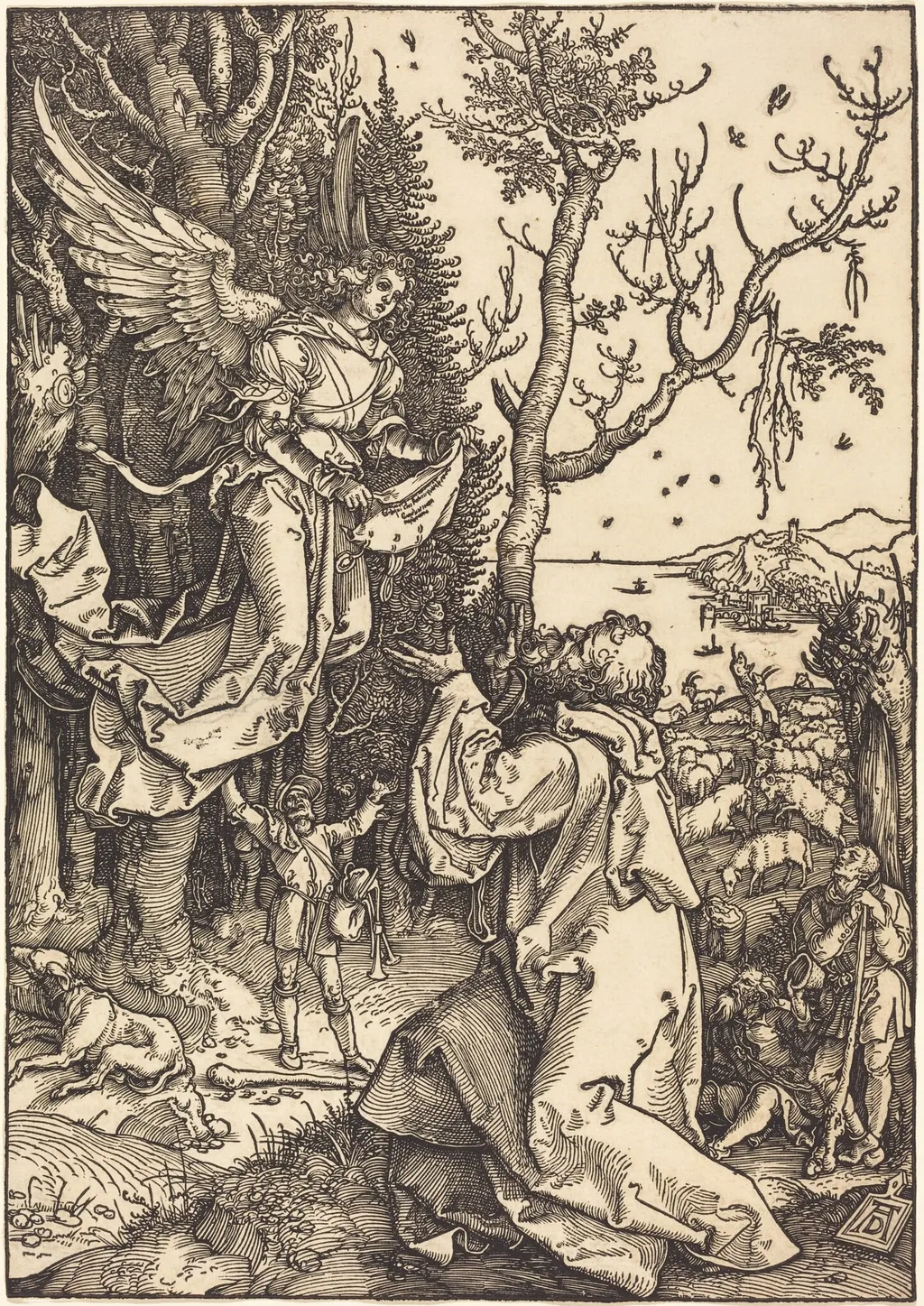
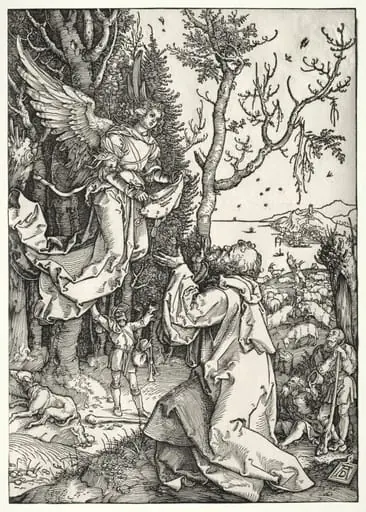
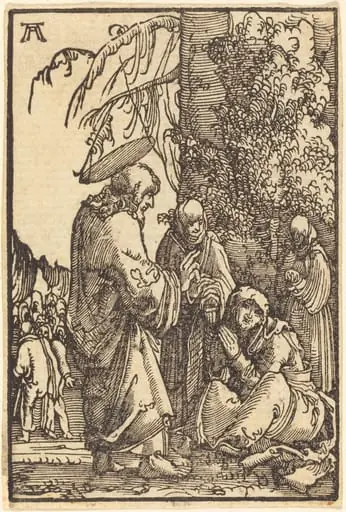
Joachim and the Angel is an ink print by the Northern Renaissance artist Albrecht Dürer. It dates from 1504 and is held in the collection of the Metropolitan Museum of Art.
About this work
Overview
The background is largely devoid of landscape detail, a compositional choice that isolates the figures and intensifies the spiritual gravity of the encounter.
Created in 1504, 'Joachim and the Angel' is a woodcut by Albrecht Dürer, a defining work of the German Renaissance. The print illustrates the apocryphal narrative from the Protoevangelium of James, depicting the moment an angel appears to Joachim in the wilderness to announce that his wife, Anne, will conceive the Virgin Mary. Dürer composes the scene with dramatic clarity: the angel, draped in voluminous, wind-swept robes, gestures emphatically toward a flock of sheep, signifying Joachim's role as a shepherd and the divine intervention in his childless state. Joachim kneels in humble prayer, his figure rendered with textured, rough clothing that contrasts with the ethereal quality of the messenger. The background is largely devoid of landscape detail, a compositional choice that isolates the figures and intensifies the spiritual gravity of the encounter. Executed with the master's characteristic precision in line and cross-hatching, the work demonstrates Dürer's ability to convey complex theological themes and human emotion within the constraints of the woodcut medium. This piece is part of a series of religious prints that solidified Dürer's reputation across Europe, showcasing his synthesis of Northern European detail with Italianate principles of form and space.
Subject & Meaning
The scene illustrates a moment from the apocryphal narrative of Joachim, the father of the Virgin Mary, when an angel announces that his barren wife will conceive. The angel’s pointing toward the sheep underscores themes of sacrifice and divine promise, while Joachim’s humble posture reflects piety and anticipation of the forthcoming birth.
Technique & Style
Created by carving a design into a wood block, Dürer’s print demonstrates the precision possible in early 16th‑century woodcut. Fine, controlled lines render the texture of Joachim’s coarse cloak and the angel’s flowing robe, achieving a drawing‑like quality despite the medium’s inherent boldness. The limited tonal range emphasizes contour over shading.
History & Provenance
The work belongs to Dürer’s series of biblical prints produced in the early 1500s, a period when he explored religious subjects for both private devotion and wider distribution. Existing copies are held in several European collections, confirming its circulation among collectors of printed devotional images during the Renaissance.
Artist & collection
Artist
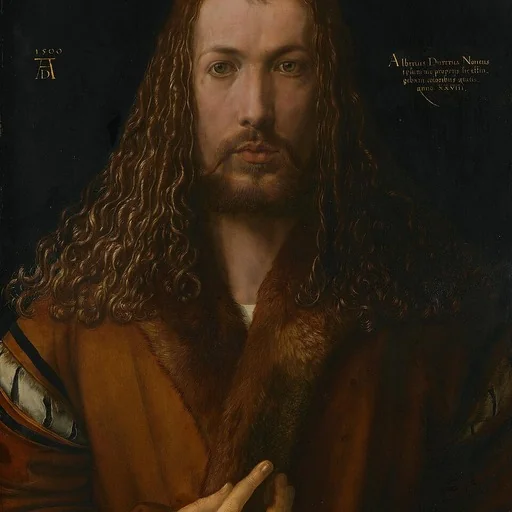
Albrecht Dürer spent his life in Nuremberg, a busy German city where artists traded prints like currency.

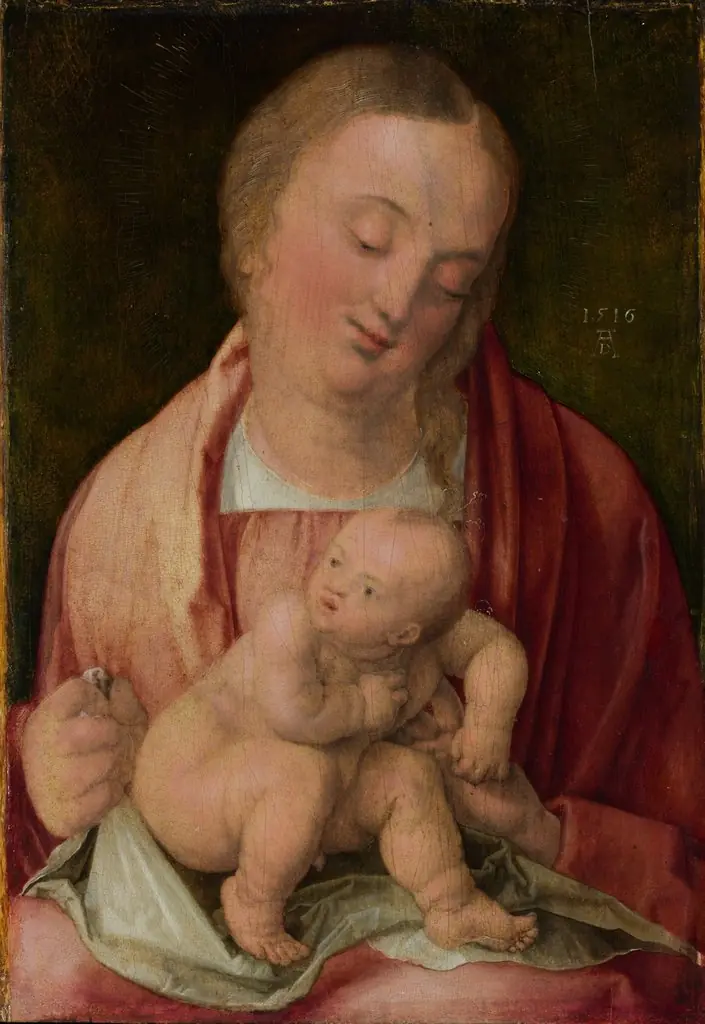
![Madonna and Child [obverse], by Albrecht Dürer](https://artifactworldgallery.com/img/albrecht-durer--madonna-and-child-obverse--d7b8ebf05d22ebe5-w320.webp)
![Lot and His Daughters [reverse], by Albrecht Dürer](https://artifactworldgallery.com/img/albrecht-durer--lot-and-his-daughters-reverse--b4ebf9b282faa17a-w320.webp)