Artwork
Justice, Truth and Reason in the Stocks with the Seated Judge and Sleeping Piety
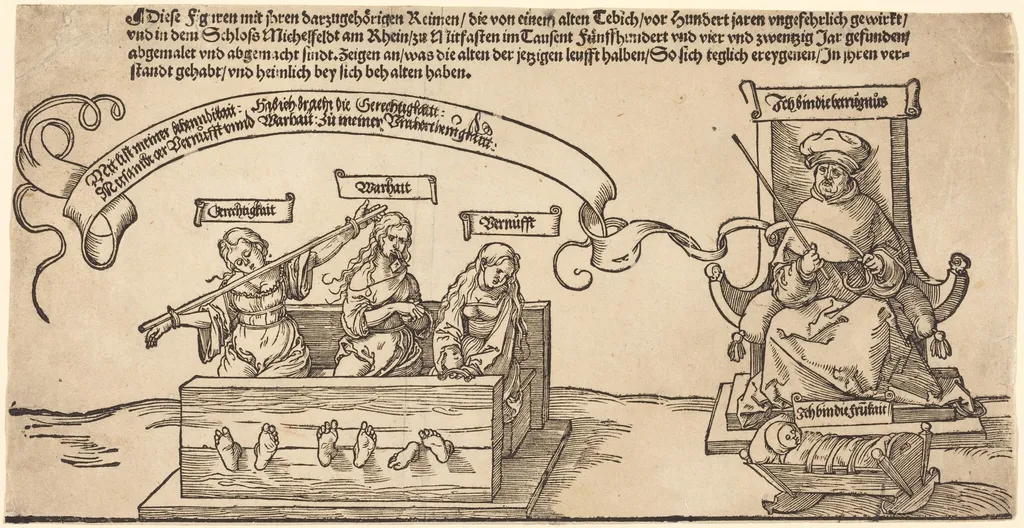
Justice, Truth and Reason in the Stocks with the Seated Judge and Sleeping Piety is an ink print by the Northern Renaissance artist Albrecht Dürer. It dates from 1526 and is held in the collection of the National Gallery of Art.
About this work
This print shows three women tied to stocks while a judge sleeps nearby. Truth holds a mirror. Justice clutches a sword. Reason points to her open book.
Dürer carved this in 1526. At the time, people debated fair laws and honest leaders. The women wear thin robes—almost like ghosts.
Look at how the lines press deep. See how the judge’s head tilts away.
Dürer, Albrecht
Overview
Created around 1526, this woodcut by Albrecht Dürer presents a symbolic scene of three female figures bound in stocks, representing Justice, Truth, and Reason.
Created around 1526, this woodcut by Albrecht Dürer presents a symbolic scene of three female figures bound in stocks, representing Justice, Truth, and Reason. A seated judge, his head turned away in slumber, observes them indifferently. The composition is stark and linear, emphasizing the vulnerability of these virtues as they are immobilized, while Piety sleeps nearby, unresponsive to their plight.
Subject & Meaning
The figures embody abstract ideals rendered as human forms: Truth holds a mirror, Justice grips a sword, and Reason gestures toward an open book. Their confinement suggests the suppression of moral and legal principles in society. The sleeping judge and the slumbering Piety imply moral neglect and institutional apathy, reflecting anxieties of the era about corruption and the erosion of ethical governance.
Technique & Style
Dürer employed fine, incised lines to carve the image into wood, producing sharp contrasts between dark and light. The figures are rendered with delicate, almost ethereal contours, their thin robes suggesting fragility. The deep pressure of the carving enhances the emotional weight, while the rigid geometry of the stocks contrasts with the fluidity of the figures’ postures, heightening the sense of tension.
History & Provenance
The print was made during a period of religious and political upheaval in the Holy Roman Empire, shortly after the Protestant Reformation. Dürer, deeply engaged with humanist thought, likely intended the work as a commentary on the failure of authority to uphold justice. It circulated among educated audiences familiar with allegorical traditions, though its exact early ownership remains undocumented.
Context
In the 1520s, debates over legal fairness, clerical corruption, and civic responsibility were widespread. Dürer’s image responds to these tensions, drawing on medieval allegory but infusing it with contemporary urgency. The depiction of passive authority figures mirrors public frustration with rulers who neglected their duties, making the work a quiet but potent critique of its time.
Legacy
Though not widely reproduced in Dürer’s lifetime, this woodcut has since been recognized as a rare example of his political allegory. Its restrained imagery and symbolic clarity influenced later artists exploring themes of moral decay and institutional failure. It remains a significant artifact of early modern visual dissent, valued for its understated power and historical resonance.
Artist & collection
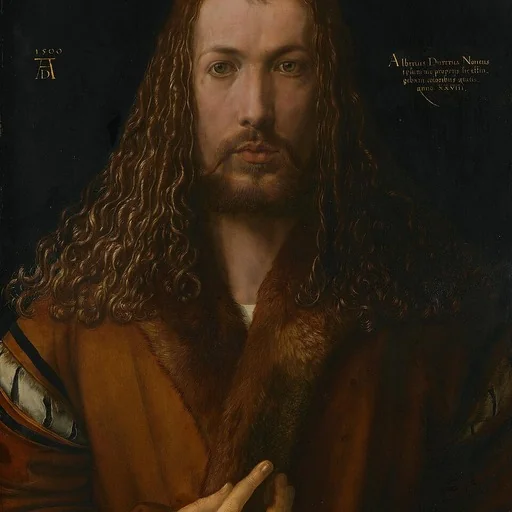
Artist
Albrecht Dürer spent his life in Nuremberg, a busy German city where artists traded prints like currency.

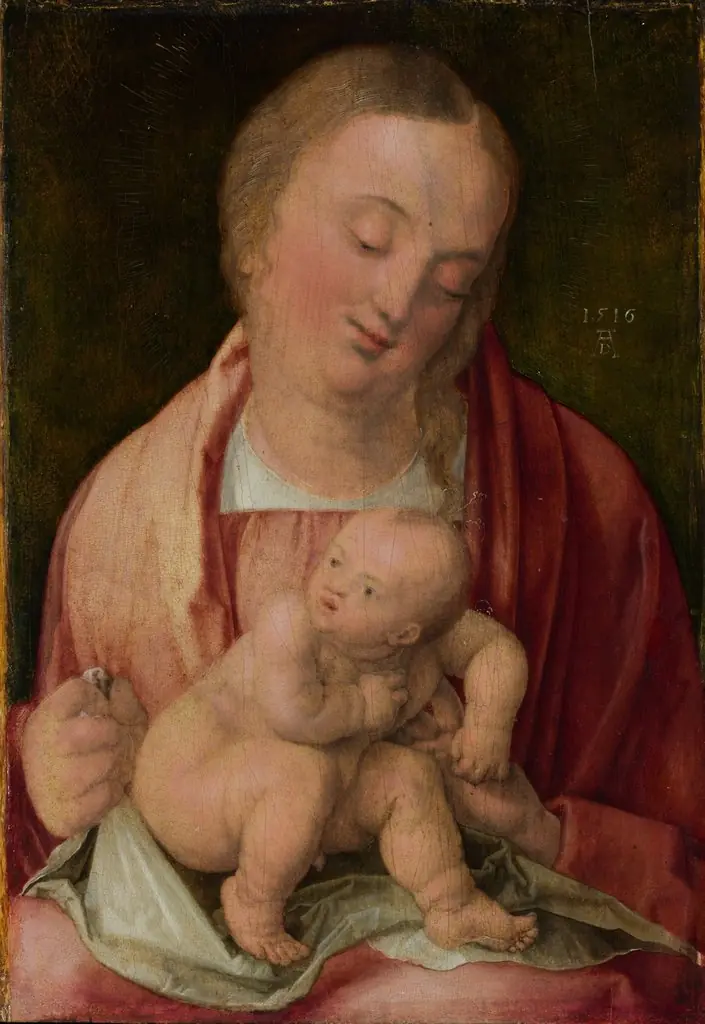
![Madonna and Child [obverse], by Albrecht Dürer](https://artifactworldgallery.com/img/albrecht-durer--madonna-and-child-obverse--d7b8ebf05d22ebe5-w320.webp)
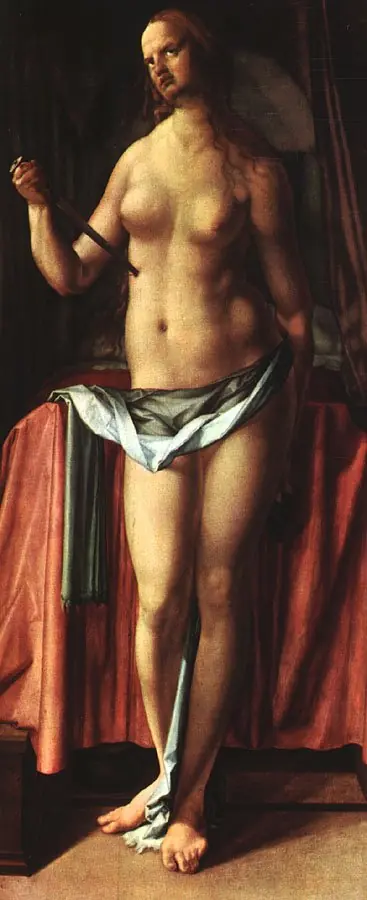
![Lot and His Daughters [reverse], by Albrecht Dürer](https://artifactworldgallery.com/img/albrecht-durer--lot-and-his-daughters-reverse--b4ebf9b282faa17a-w320.webp)
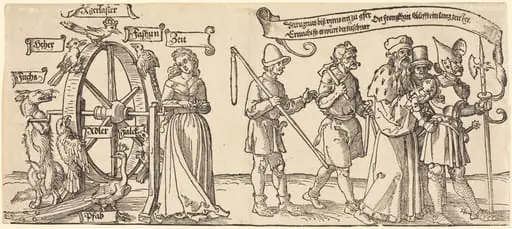 Time and a Fox Turning the Wheel of Fortune with People of all Ranks to the Right
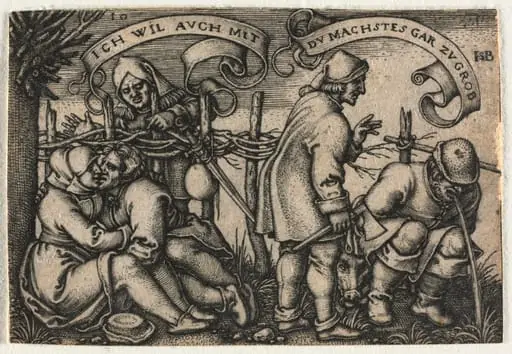 The Peasant Wedding or the Twelve Months: No. 10
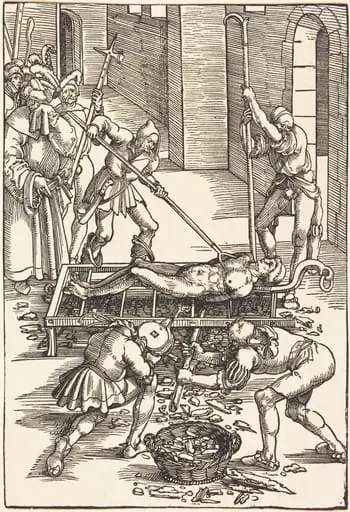 Martyrdom of Saint Lawrence
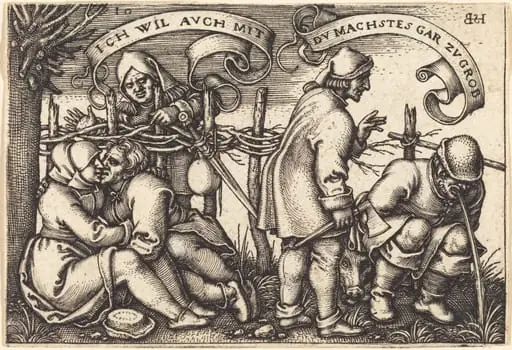 Peasants Behind the Fence
 The Flagellation
 The Stoning of Saint Stephen
 Elisha Raises the Son of the Shunammite
 The Fall of Man
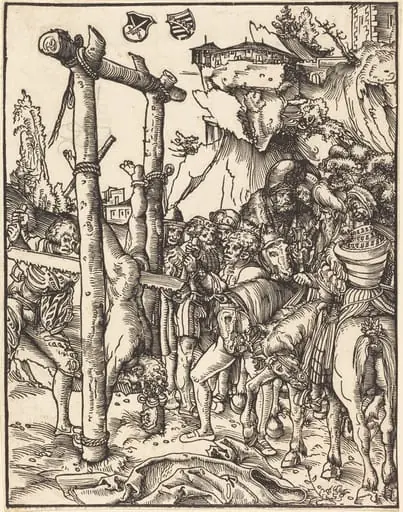 Saint Simon
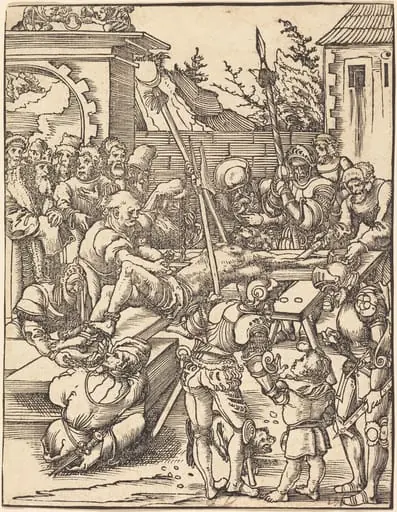 Saint Bartholomew
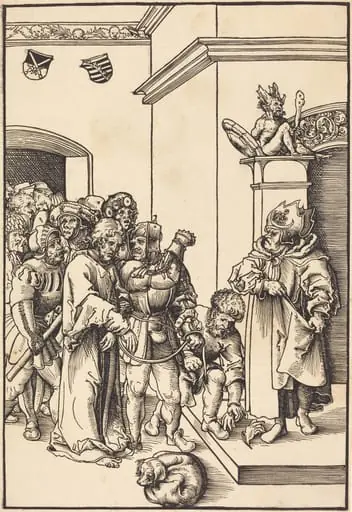 Christ before Annas
![A Courtier Standing Between Covetousness and Dissimulation [fol. 14 recto], by French early 16th Century](https://artifactworldgallery.com/img/french-early-16th-century--a-courtier-standing-between-covetousness-and-dissimulation-f--2578f4fe9846edc2-w320.webp) A Courtier Standing Between Covetousness and Dissimulation [fol. 14 recto]
A Courtier Standing Between Covetousness and Dissimulation [fol. 14 recto]