Artwork
The Stoning of Saint Stephen
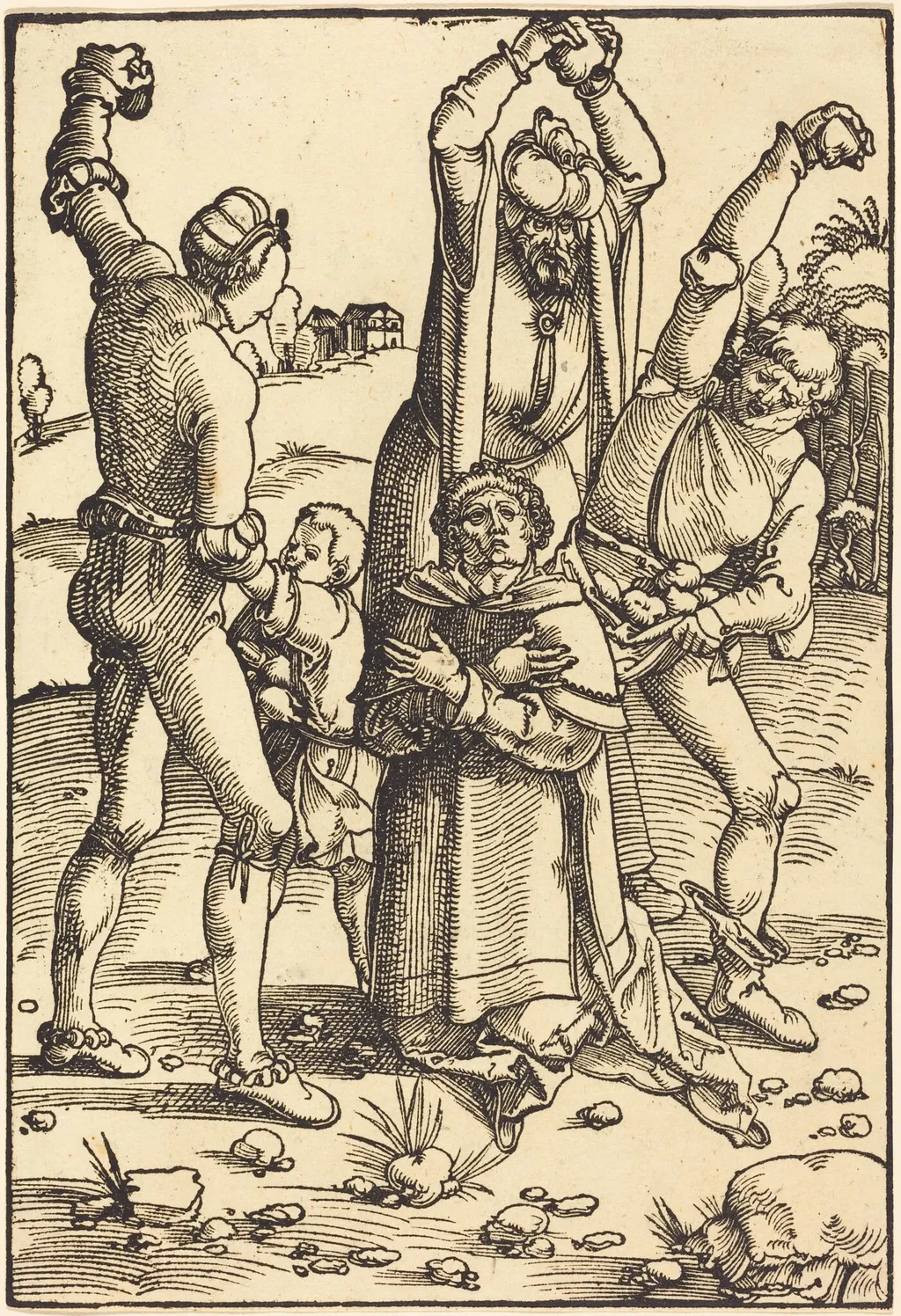
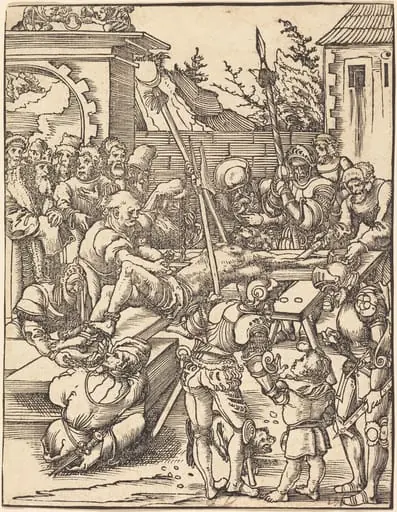
The Stoning of Saint Stephen is an ink print by the Renaissance artist Hans Baldung Grien. It dates from 1514 and is held in the collection of the National Gallery of Art.
About this work
Overview
The Stoning of Saint Stephen is a 1514 woodcut by Hans Baldung Grien, depicting the violent martyrdom of Saint Stephen from the Bible. Characterized by dramatic composition and expressive details, the print showcases Baldung's skill in the religious genre.
Subject & Meaning
The woodcut illustrates the biblical scene of Saint Stephen's stoning, with the saint kneeling and defenseless amidst a chaotic, angry crowd. The inclusion of a child and distant onlookers adds depth to the narrative, contrasting innocence with brutality.
Technique & Style
Baldung employed sharp lines and dramatic angles in this woodcut to emphasize the brutality of the scene. The technique of woodcut, involving carved wooden blocks, allowed for bold, expressive lines that heightened the emotional intensity of the composition.
History & Provenance
Created in 1514 by Hans Baldung Grien, a prominent German Renaissance and Mannerist artist, this work reflects his training under Albrecht Dürer. As Dürer's most gifted pupil, Baldung's style blends the mastery of his mentor with his own imaginative flair.
Context
Set against the backdrop of a small, distant village, the open-area stoning highlights the public, communal nature of the execution, contrasting the serene landscape with the violent act.
Legacy
While specific legacy details of this exact work are not provided, as a work by Baldung Grien, it contributes to the broader legacy of German Renaissance printmaking, influencing subsequent generations of artists in both technique and thematic exploration.
Artist & collection
Artist
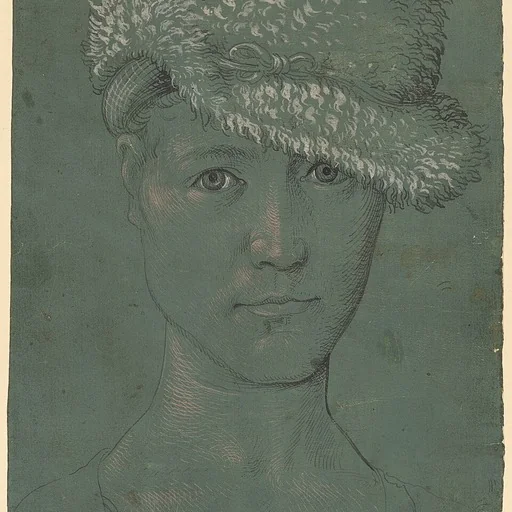
Hans Baldung (1484 or 1485 – September 1545), called Hans Baldung Grien, (being an early nickname, because of his predilection for the colour green), was a painter, printer, engraver, draftsman, and stained glass…