Artwork
Saint Bartholomew
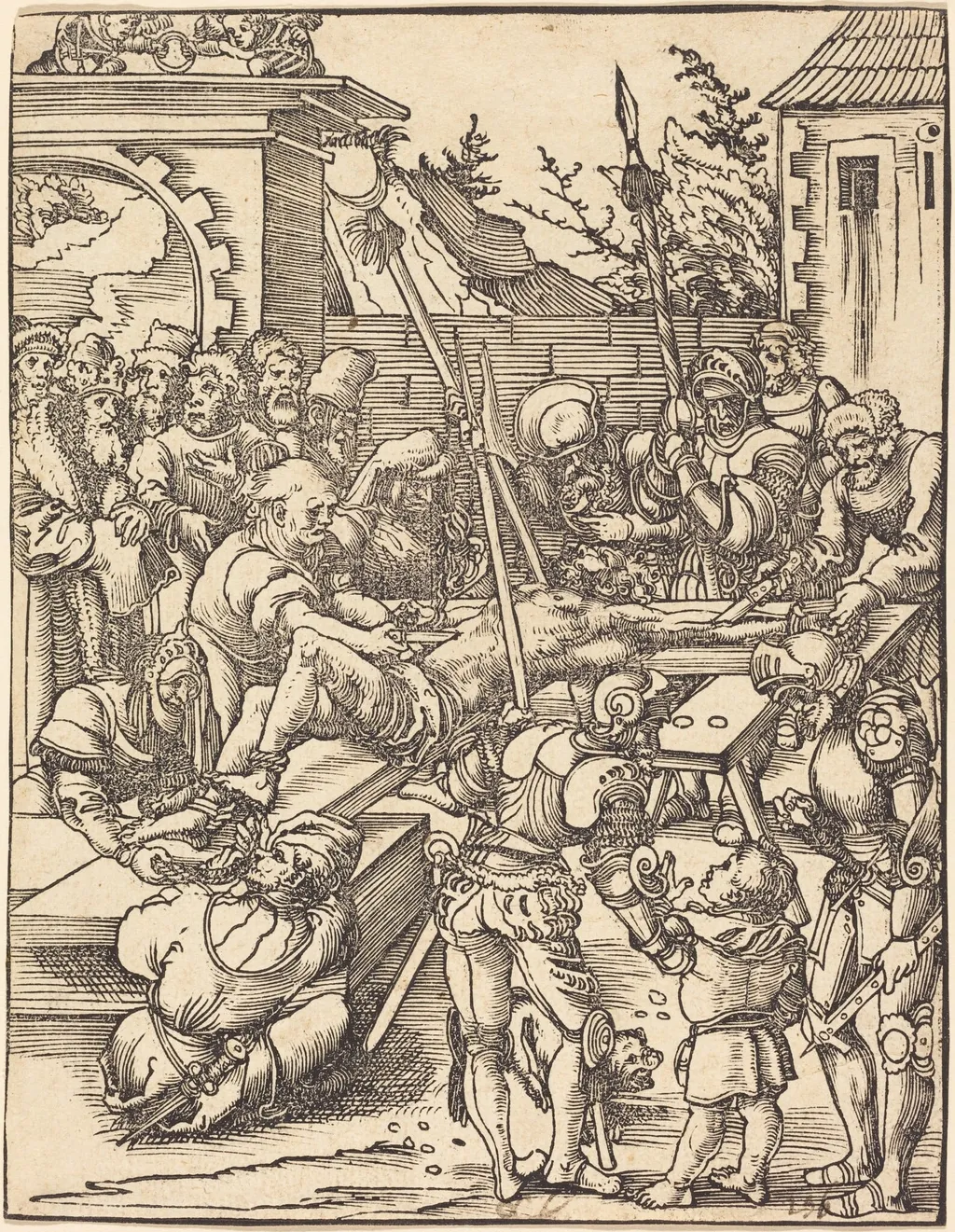
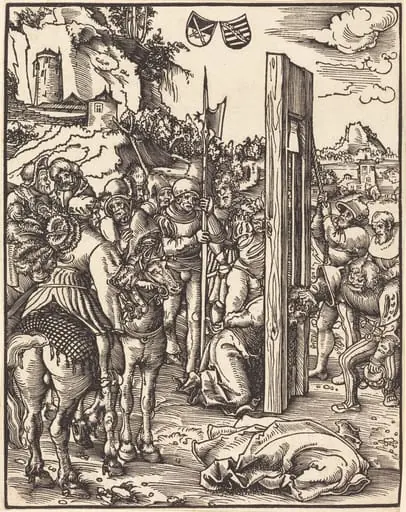
Saint Bartholomew is an ink print by the Renaissance artist Lucas Cranach the Elder. It dates from 1512 and is held in the collection of the National Gallery of Art.
About this work
Overview
Saint Bartholomew is a 1512 woodcut print by Lucas Cranach the Elder, characteristic of his skill in both woodcutting and engraving during the German Renaissance.
Subject & Meaning
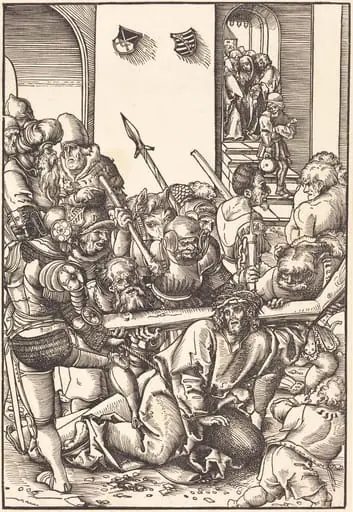
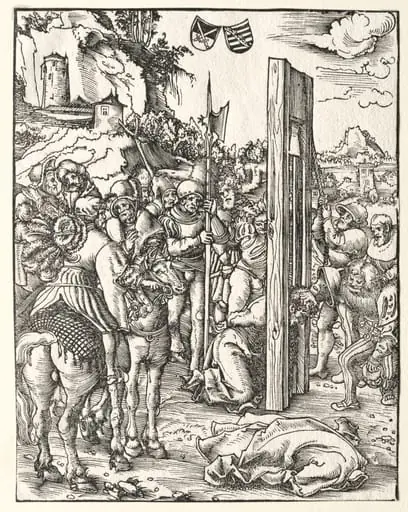
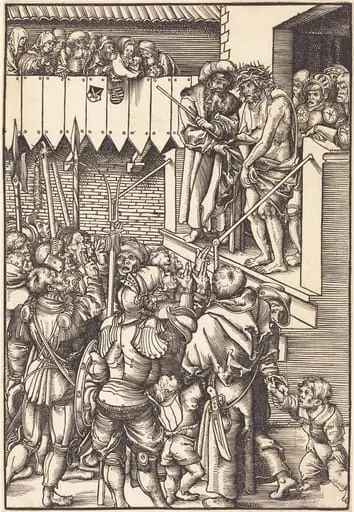
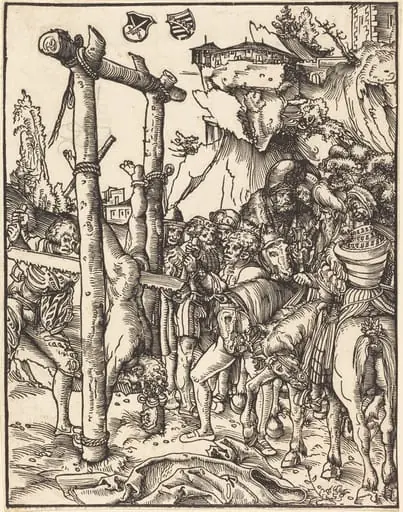
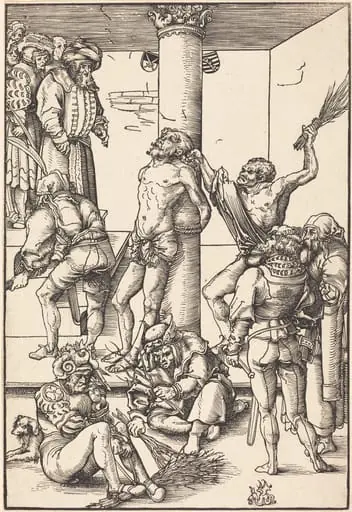
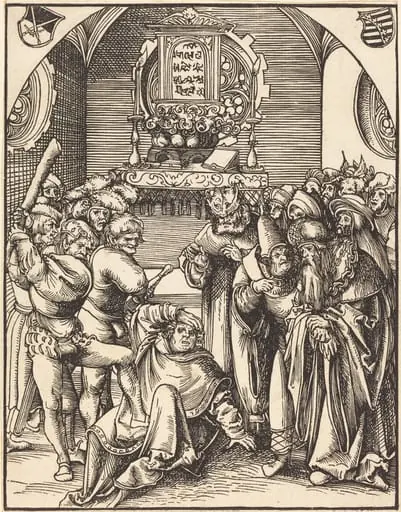
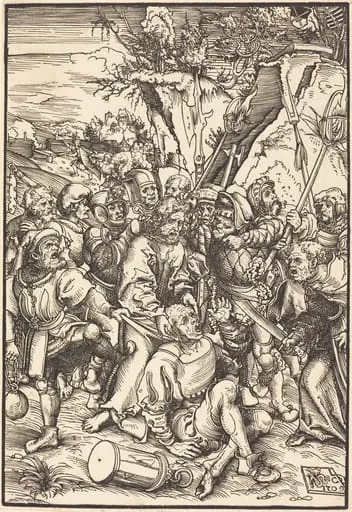
The print depicts a chaotic scene of struggle, with figures entangled in a violent commotion amidst a backdrop of buildings and trees. The subject, Saint Bartholomew, is traditionally associated with martyrdom, suggesting the scene may illustrate his brutal flaying, a common artistic theme. The work reflects Cranach's early Catholic influences before his shift towards Lutheran subjects.
Technique & Style
Executed solely through precise, sharp lines, the woodcut technique creates a densely populated and intense visual landscape. The absence of tonal shading, relying on line work alone, gives the print a distinctive, antiquated appearance reminiscent of early prints.
History & Provenance
Created in 1512, Saint Bartholomew was produced during Cranach's tenure as court painter to the Electors of Saxony. Specific provenance details (ownership history) are not provided in the available information.
Context
This work is situated within the German Renaissance, a period marked by religious upheaval. Cranach's early religious works, like Saint Bartholomew, were rooted in Catholic tradition, preceding his later engagement with Lutheran themes reflective of the era's theological shifts.
Legacy
While specific legacy details of Saint Bartholomew are not outlined, as a work by Cranach the Elder, it contributes to the broader understanding of his artistic evolution and the religious themes of the German Renaissance.
Artist & collection
Artist
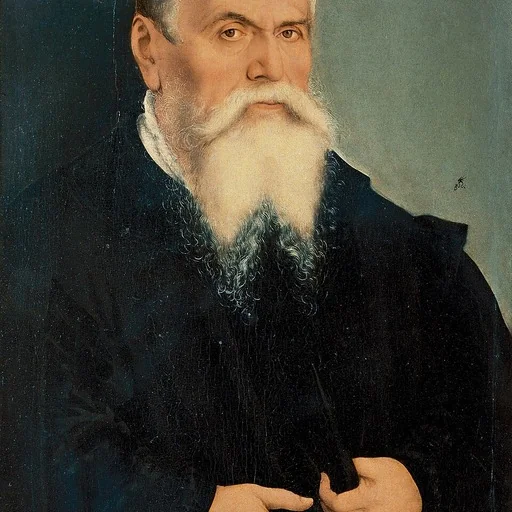
Lucas Cranach the Elder was a German Renaissance painter and printmaker in woodcut and engraving.