Artwork
The Sudarium Held by Two Angels
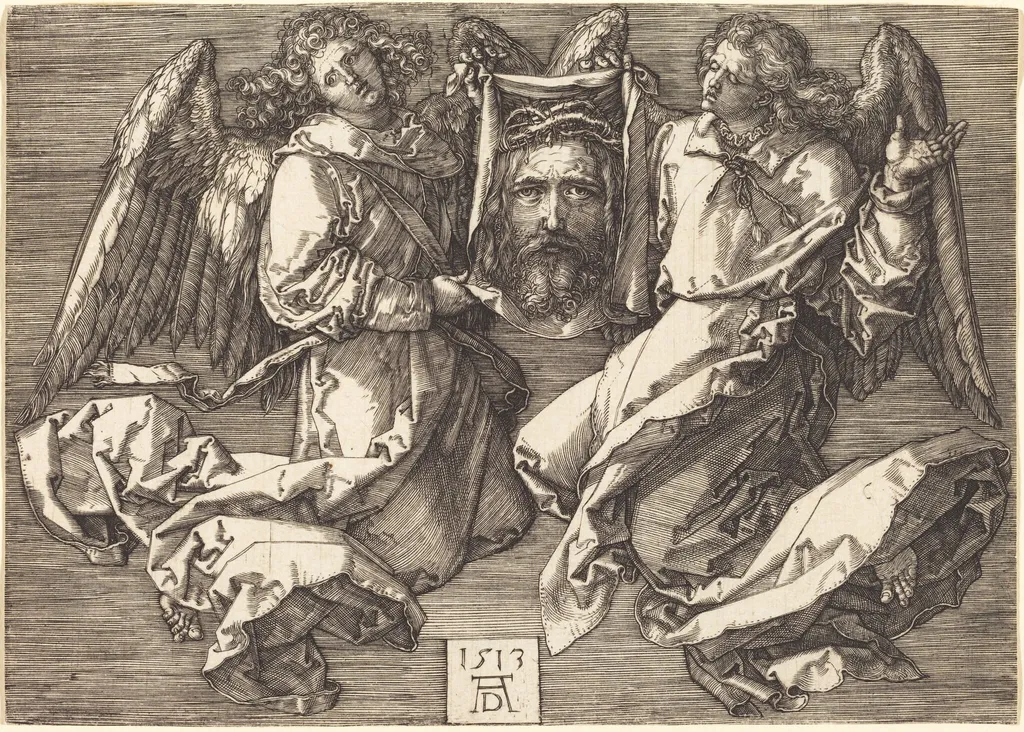
The Sudarium Held by Two Angels is an ink print by the Northern Renaissance artist Albrecht Dürer. It dates from 1513 and is held in the collection of the British Museum.
About this work
The cloth, the Sudarium, bears a faint face print—Christ’s image after Saint Veronica wiped his brow.
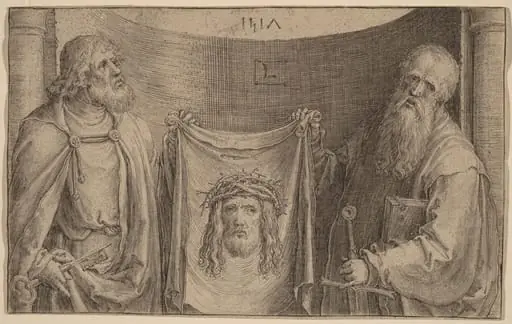
This engraving shows two winged angels holding a cloth between them. Their faces tilt close, like they guard something fragile. The cloth, the Sudarium, bears a faint face print—Christ’s image after Saint Veronica wiped his brow.
Dürer used fine cross-hatching lines to build shadows and light. That detail brings the cloth to life, almost like real woven linen. The angels’ feathers look soft too, thanks to his careful shading.
See how different this feels from Dürer’s later woodcuts. Try comparing it to his 1514 engraving *Knight, Death and the Devil*.
Overview
Albrecht Dürer’s 1513 engraving, *The Sudarium Held by Two Angels*, presents a delicate religious scene on laid paper. Two winged angels clasp a cloth between them, their faces turned inward as if protecting the fragile object. The cloth, known as the Sudarium, bears the faint imprint of Christ’s face, recalling the legend of Saint Veronica’s veil.
Subject & Meaning
The work visualises the Veil of Veronica, a devotional motif in which a cloth miraculously retains the image of Jesus after he wipes his brow. By placing the veil in the hands of angels, Dürer emphasizes its sacred nature and suggests heavenly guardianship over the relic, reinforcing its role as a conduit for contemplation of Christ’s suffering.
Technique & Style
Dürer employs intricate cross‑hatching to model both the linen texture of the Sudarium and the soft plumage of the angels’ wings. The fine, parallel lines generate subtle gradations of light and shadow, giving the cloth a tactile quality that contrasts with the more graphic, bold lines of his later woodcuts. This meticulous approach showcases his mastery of printmaking.
Context
Created shortly before Dürer’s renowned 1514 engraving *Knight, Death and the Devil*, the Sudarium belongs to a period when he explored religious subjects through the medium of engraving. The piece reflects the early 16th‑century Northern European fascination with relics and the growing market for devotional prints among private collectors.
Legacy
Although less frequently reproduced than Dürer’s larger narrative prints, the Sudarium engraving illustrates his ability to convey spiritual intimacy within a compact composition. Its refined handling of texture and light influenced subsequent German printmakers, who adopted similar cross‑hatching techniques to achieve greater realism in religious imagery.
Artist & collection
Artist
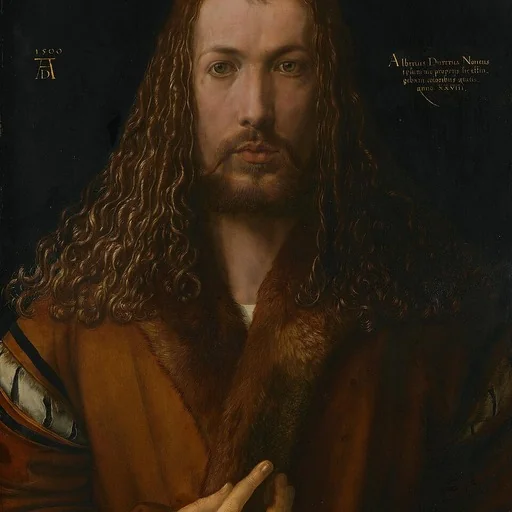
Albrecht Dürer spent his life in Nuremberg, a busy German city where artists traded prints like currency.

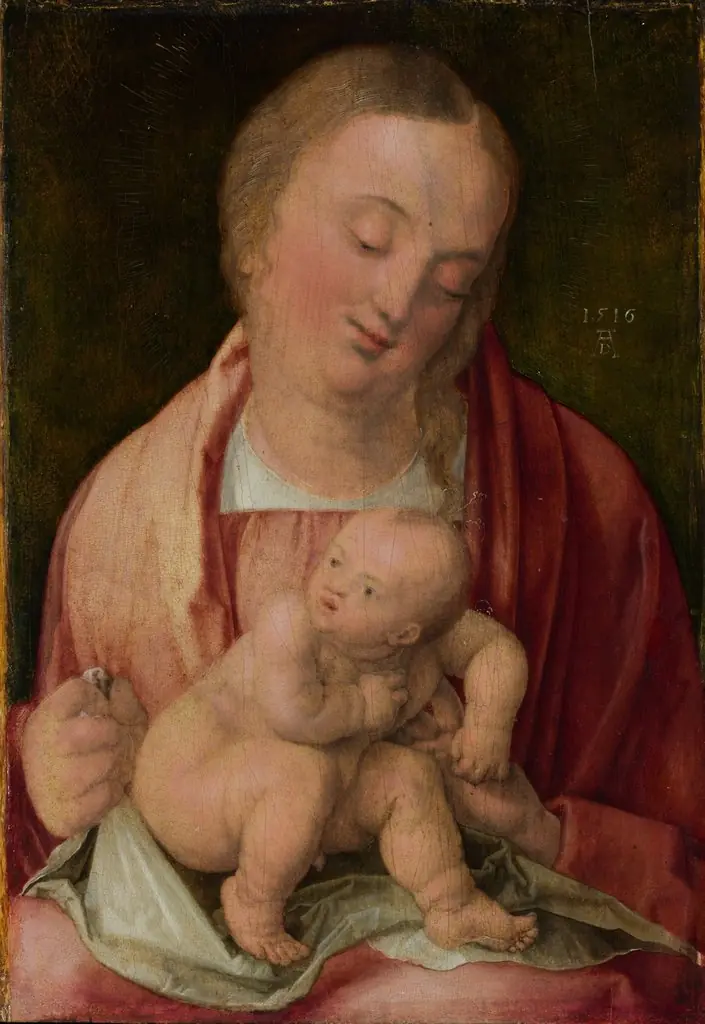
![Madonna and Child [obverse], by Albrecht Dürer](https://artifactworldgallery.com/img/albrecht-durer--madonna-and-child-obverse--d7b8ebf05d22ebe5-w320.webp)
![Lot and His Daughters [reverse], by Albrecht Dürer](https://artifactworldgallery.com/img/albrecht-durer--lot-and-his-daughters-reverse--b4ebf9b282faa17a-w320.webp)