Artwork
The Turkish Family
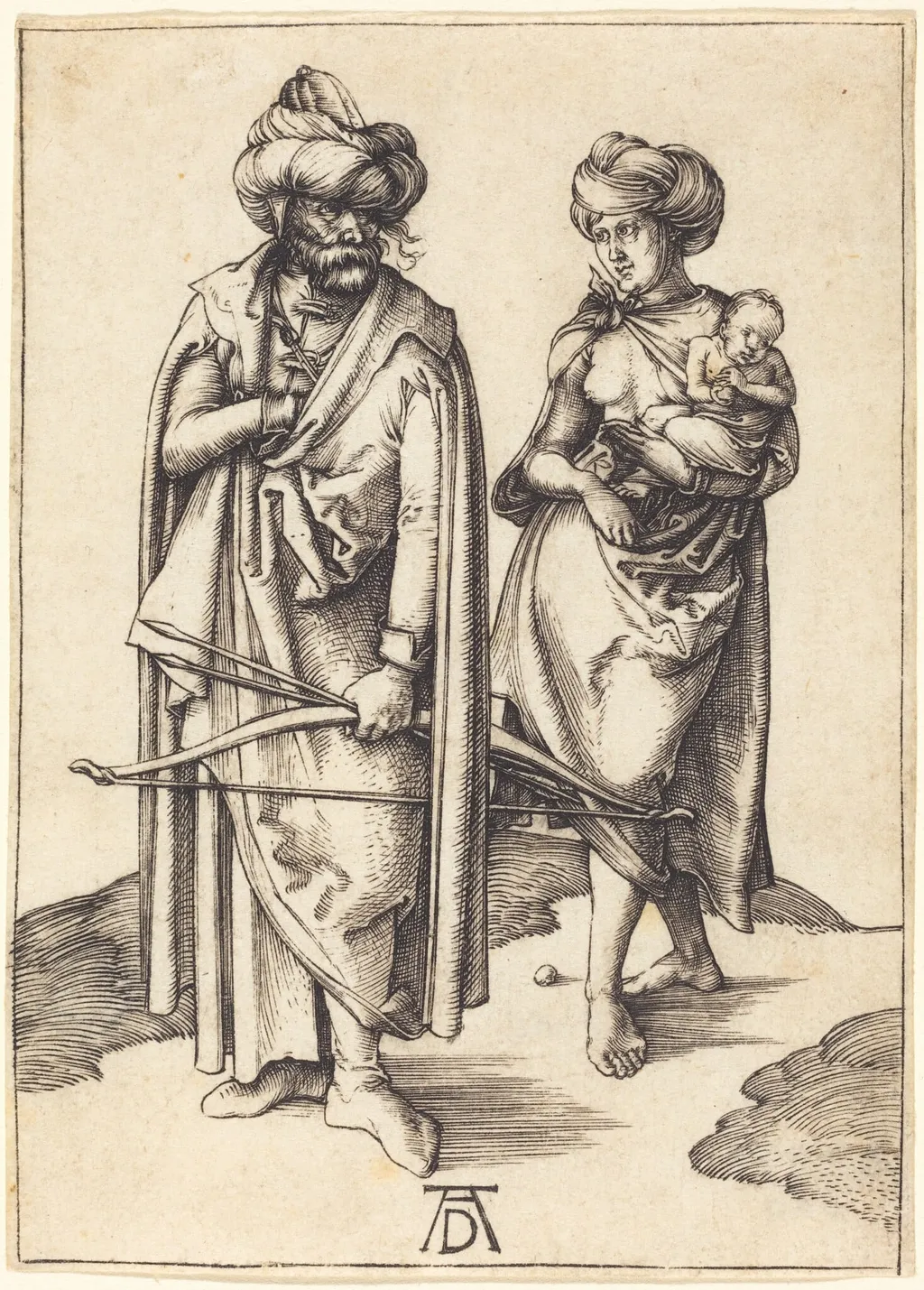
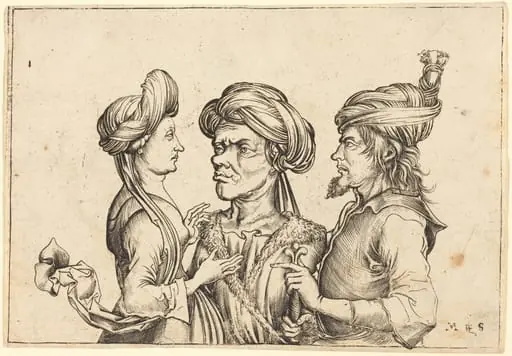
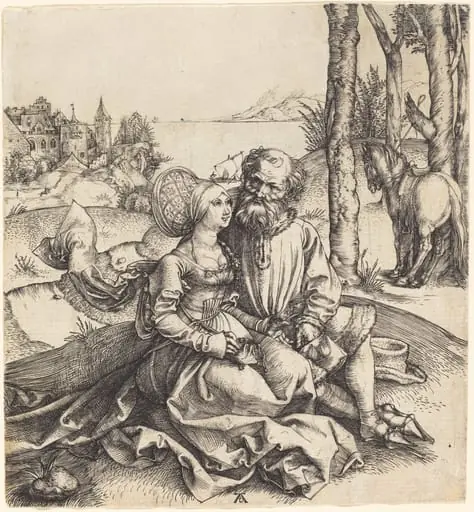
The Turkish Family is an ink print by the Northern Renaissance artist Albrecht Dürer. It dates from 1496 and is held in the collection of the Cooper Hewitt, Smithsonian Design Museum.
About this work
Overview
The Turkish Family is an engraving on laid paper, created by Albrecht Dürer around 1496, presenting a domestic genre scene featuring a Turkish family.
Subject & Meaning
The engraving portrays a Turkish man, wearing a turban and long robe, accompanied by a woman and child in a simple, interior setting. Notably, Dürer's depiction is based on second-hand accounts and costume descriptions, as he had no direct encounter with Turks.
Technique & Style
Characterized by crisp, tightly rendered lines, the work showcases Dürer's mastery of cross-hatching—a technique employing closely spaced, intersecting lines to achieve nuanced, realistic shadowing and depth.
History & Provenance
While specific ownership histories are not detailed here, the work's creation circa 1496 situates it within Dürer's early output, reflecting his interest in diverse cultural subjects during this period.
Context
The Turkish Family reflects 15th-century European fascination with Ottoman culture, often represented through art based on hearsay and available artifacts rather than direct observation.
Artist & collection
Artist
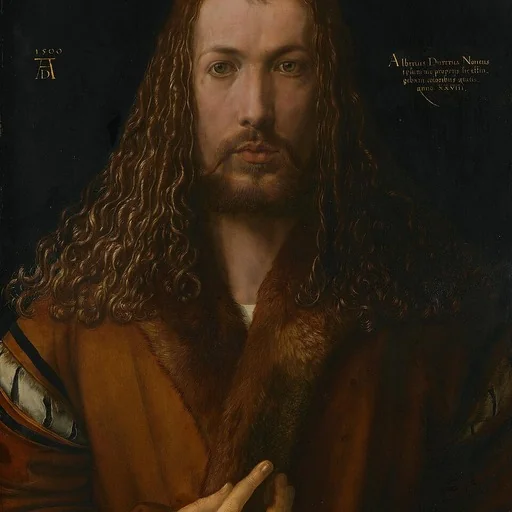
Albrecht Dürer spent his life in Nuremberg, a busy German city where artists traded prints like currency.

Museum
Cooper Hewitt, Smithsonian Design Museum
Continue through works from the same source collection.
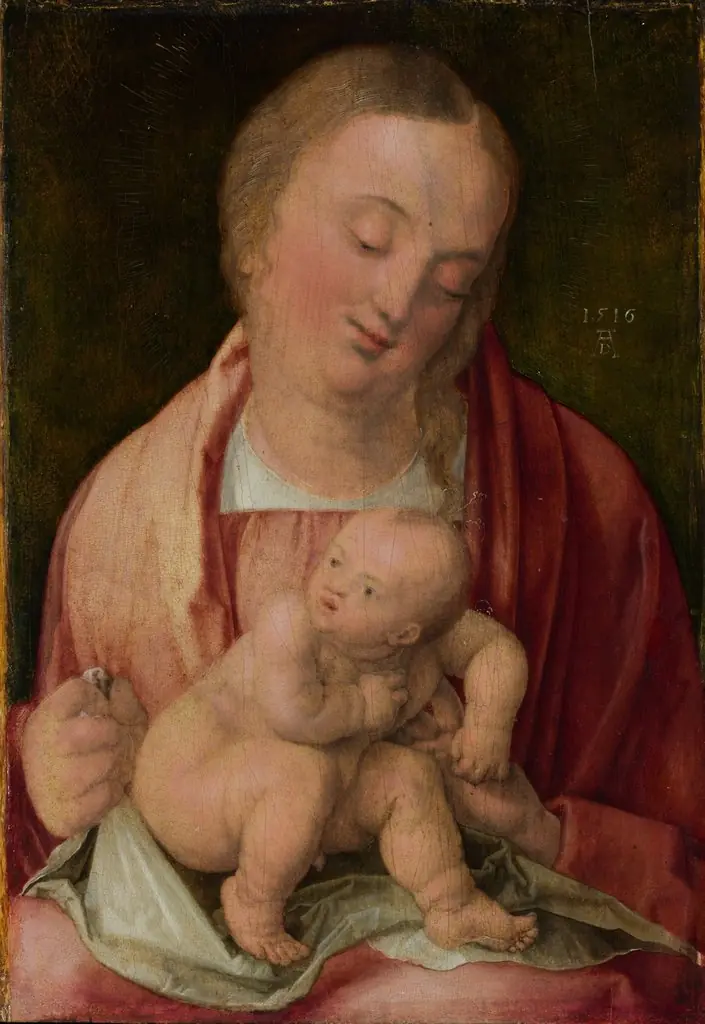
![Madonna and Child [obverse], by Albrecht Dürer](https://artifactworldgallery.com/img/albrecht-durer--madonna-and-child-obverse--d7b8ebf05d22ebe5-w320.webp)
![Lot and His Daughters [reverse], by Albrecht Dürer](https://artifactworldgallery.com/img/albrecht-durer--lot-and-his-daughters-reverse--b4ebf9b282faa17a-w320.webp)