Artwork
Adam and Eve after Their Expulsion from Paradise
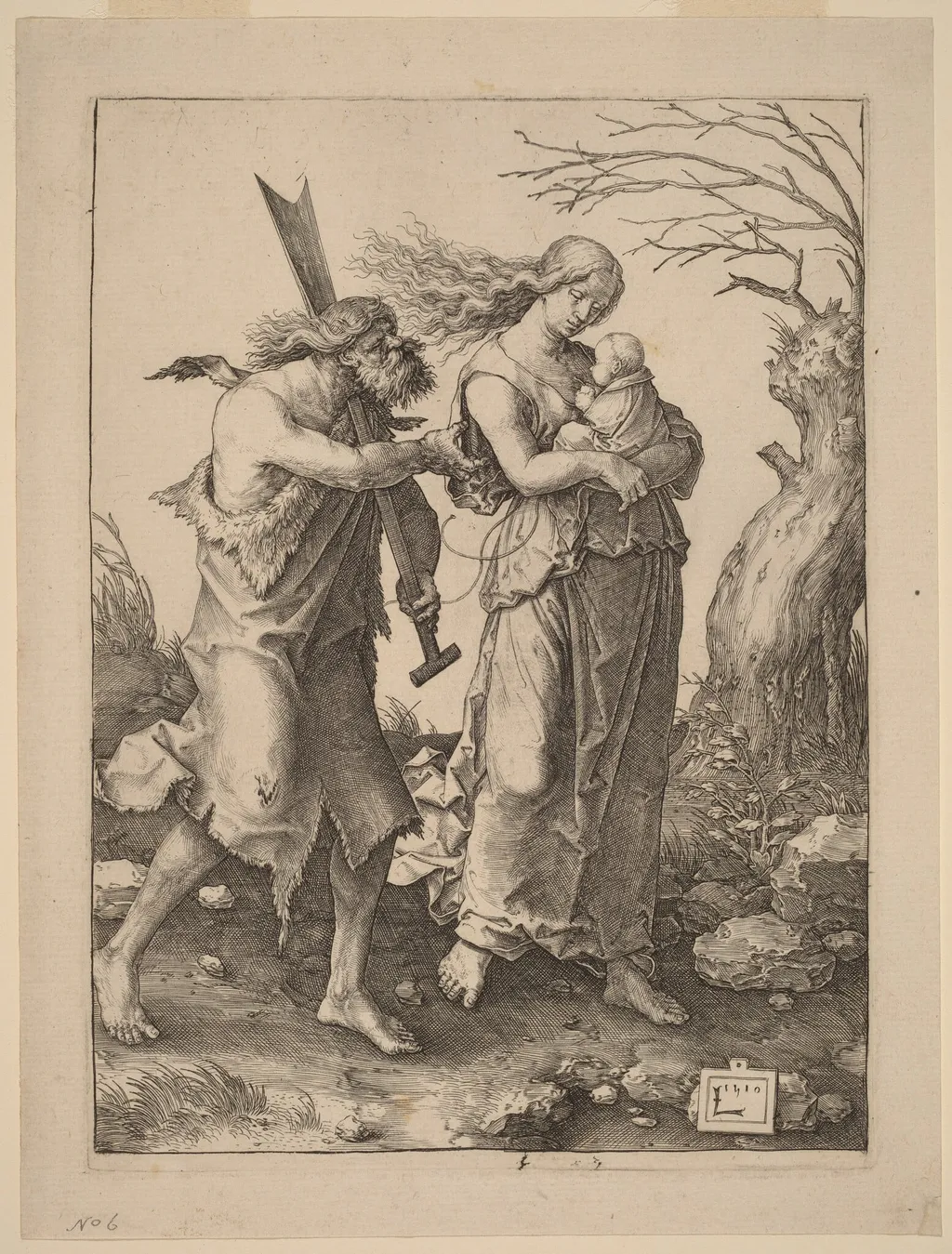
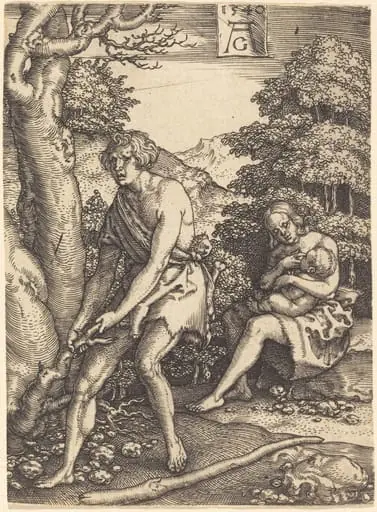
Adam and Eve after Their Expulsion from Paradise is an ink print by the Renaissance artist Lucas van Leyden. It dates from 1510 and is held in the collection of the National Gallery of Art.
About this work
Overview
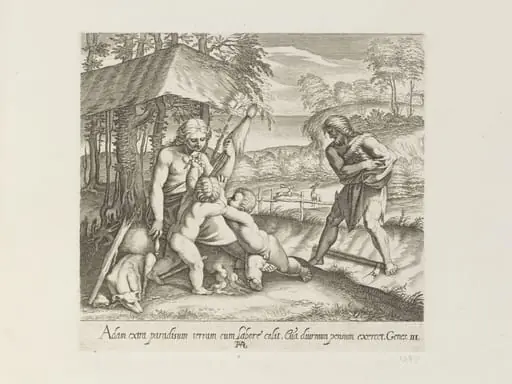
Lucas van Leyden’s 1510 engraving, titled *Adam and Eve after Their Expulsion from Paradise*, presents the first biblical couple in a desolate setting. The image shows a bearded man and a woman clutching an infant, surrounded by a stark landscape of rocks and leafless trees, emphasizing their newfound vulnerability after leaving Eden.
Subject & Meaning
The figures are identified as Adam and Eve, now burdened with survival. The man's axe and the woman's protective hold on the child suggest a shift from divine comfort to earthly struggle, symbolising humanity’s need to adapt to a world stripped of its former perfection.
Technique & Style
Executed in fine engraving, the work relies on precise, intersecting lines to model forms and texture. Van Leyden’s handling of the medium creates a clear delineation of anatomy and landscape, while the compositional balance reflects early Renaissance ideals of proportion and narrative clarity.
History & Provenance
Created in the Netherlands during the early 16th century, the print reflects van Leyden’s reputation as a leading printmaker of his generation. It circulated among collectors of religious imagery, contributing to the spread of biblical themes in Northern European art before the artist’s later ventures into genre painting.
Artist & collection

Artist
Lucas van Leyden (1494 – 8 August 1533), was a Dutch painter and printmaker in engraving and woodcut. Lucas van Leyden was among the first Dutch exponents of genre painting and was a very accomplished engraver.

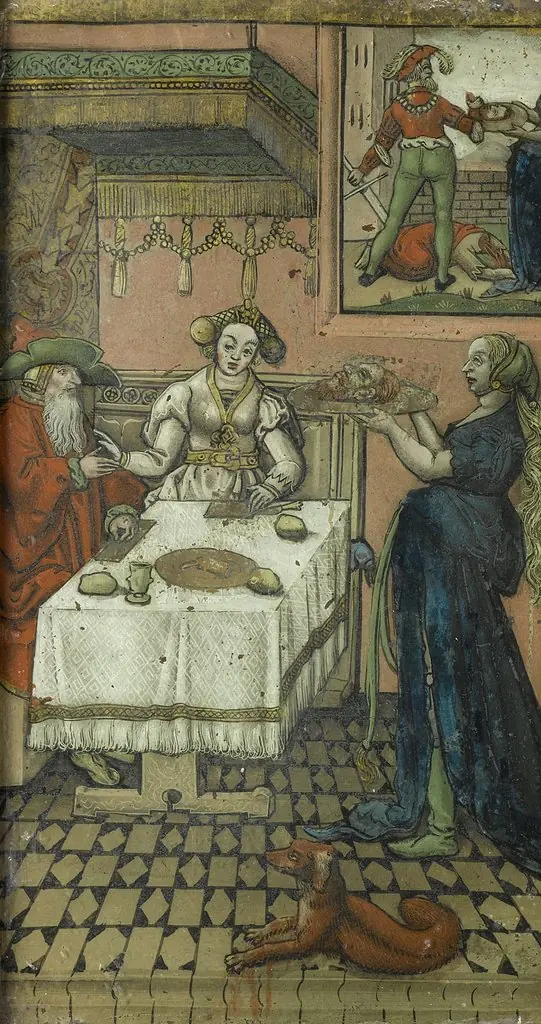 Salome with the head of St John the Baptist
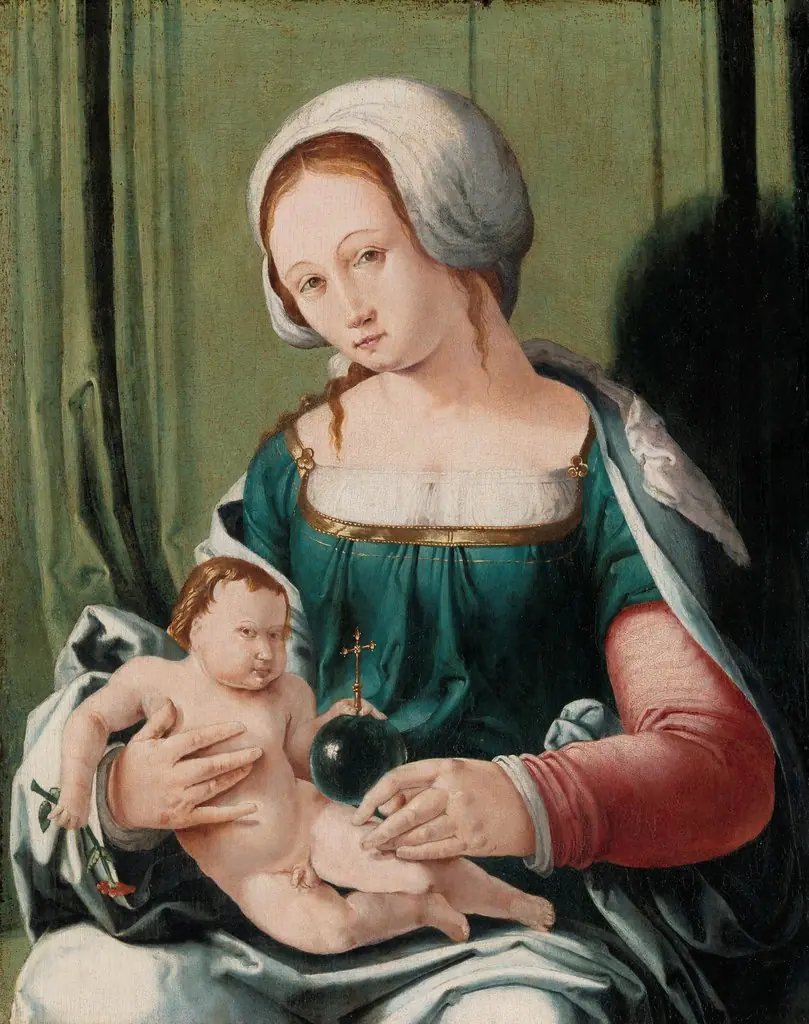 The Virgin and Child
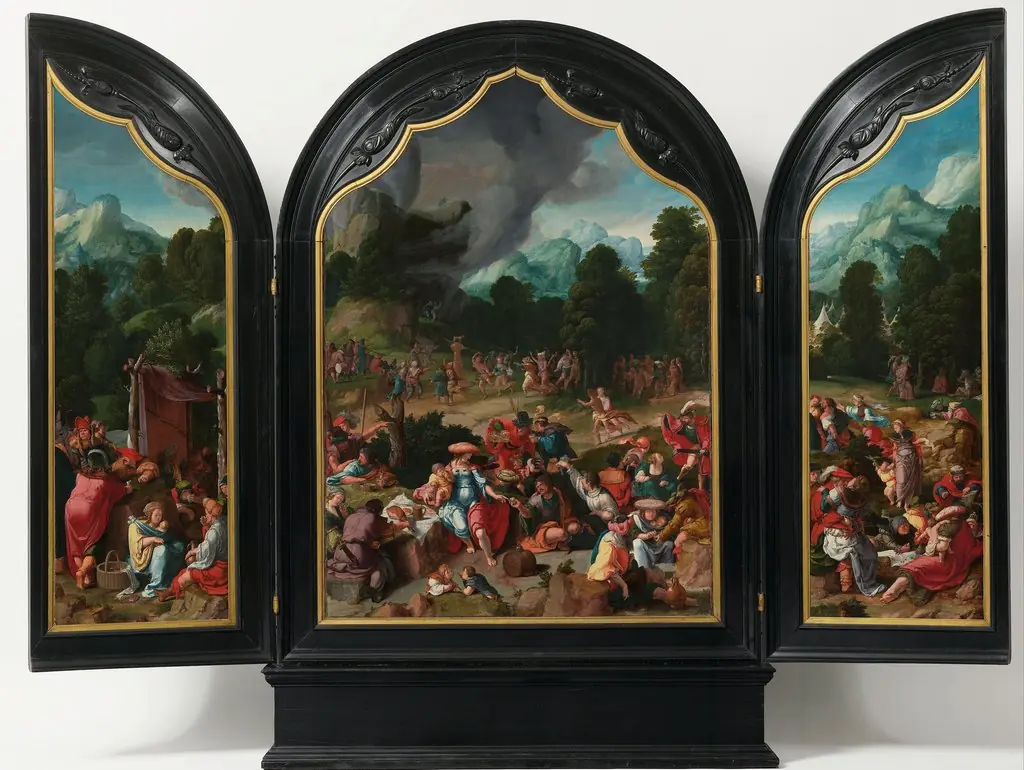 Worship of the Golden Calf
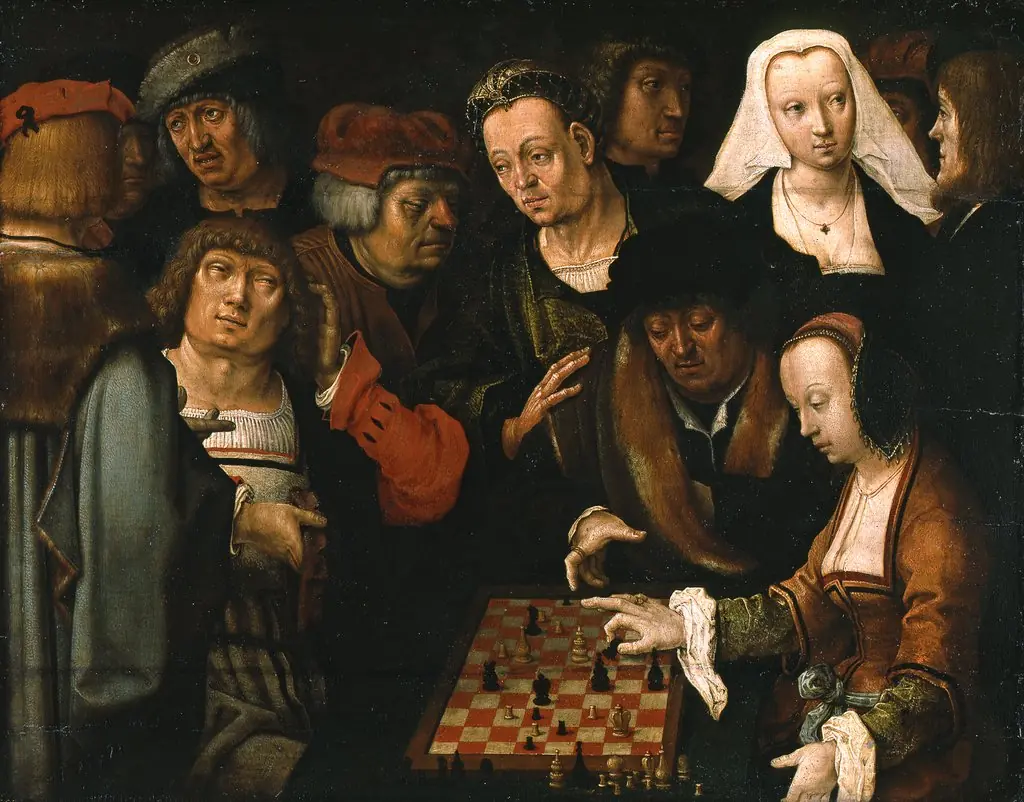 A Game of Chess
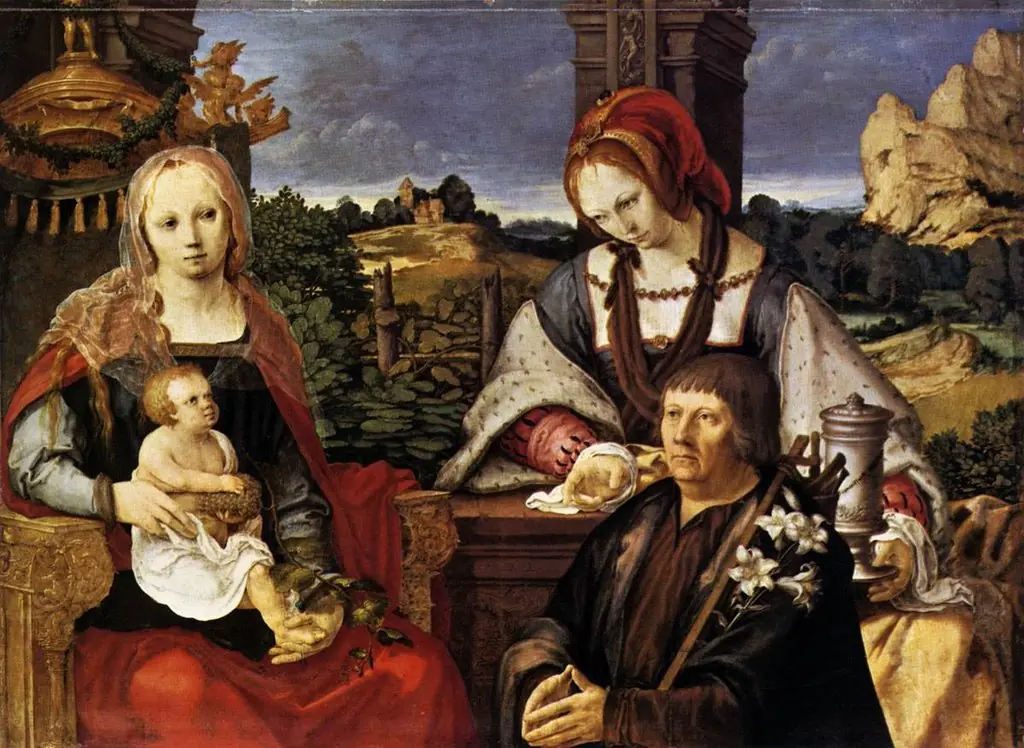 Mary with Child, St. Maria Magdalena and founder (separate outside, Inv. No. 7713)
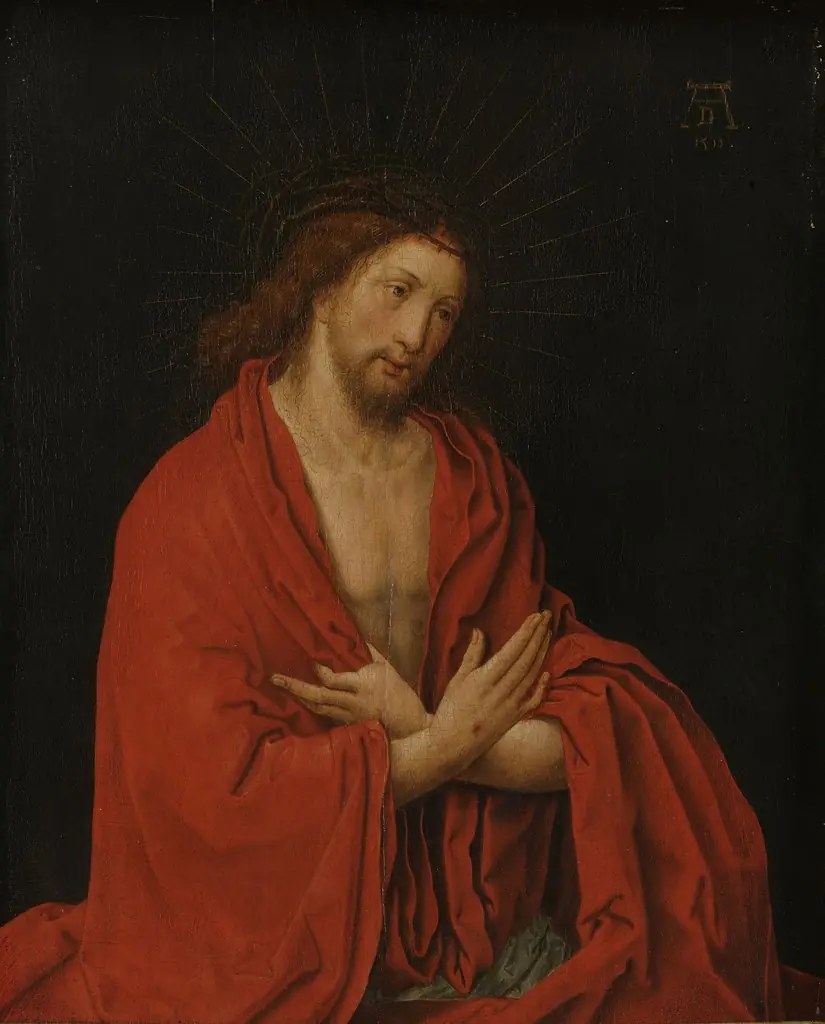 Inner left wing of a diptych with Christ as the Man of Sorrows
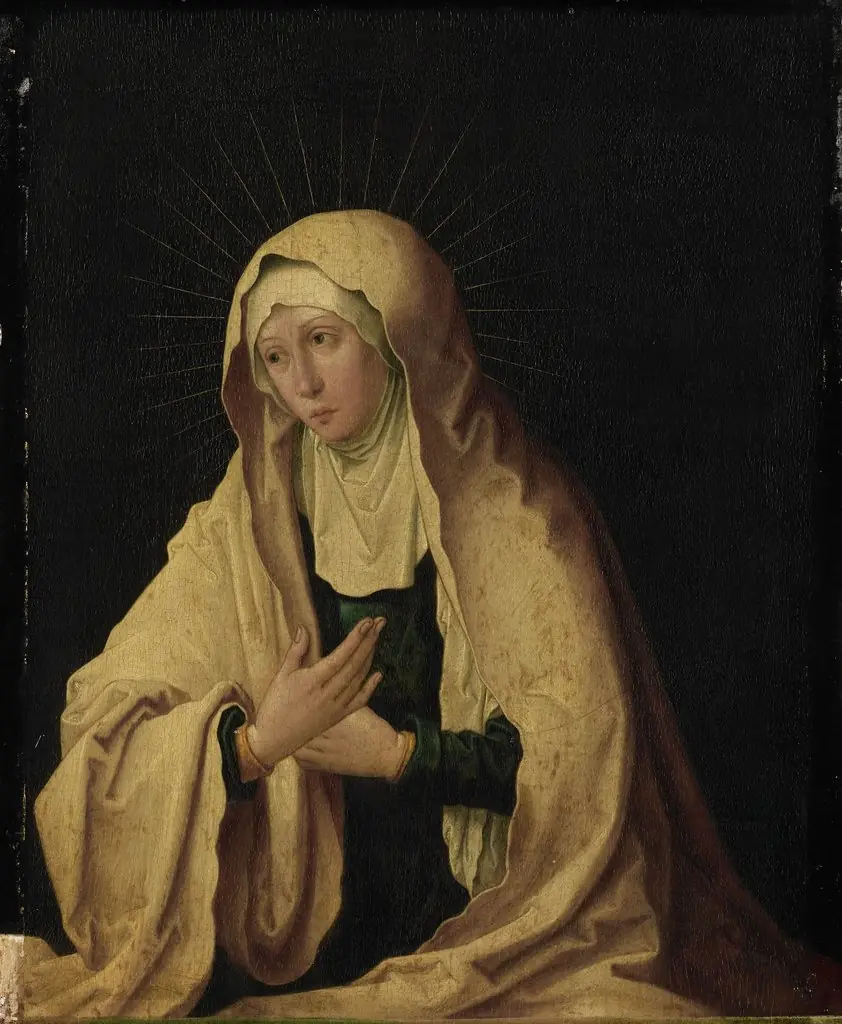 Inner right wing of a diptych with the Virgin as Mater Dolorosa
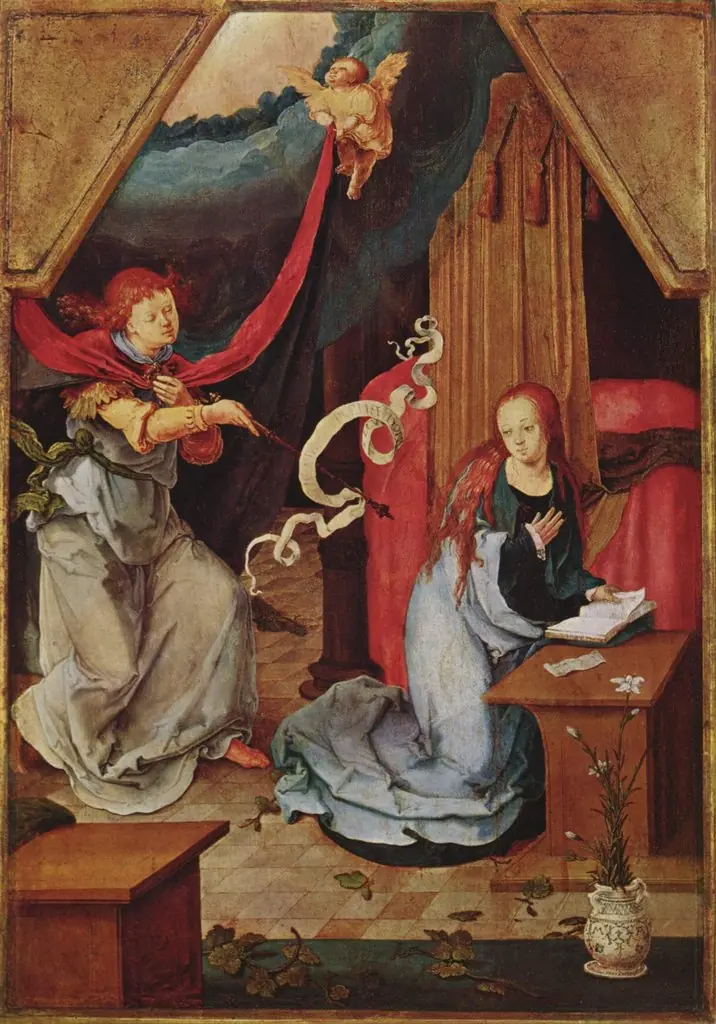 Annunciation