Artwork
Imperfectorum Academia (Academy of the Imperfects)
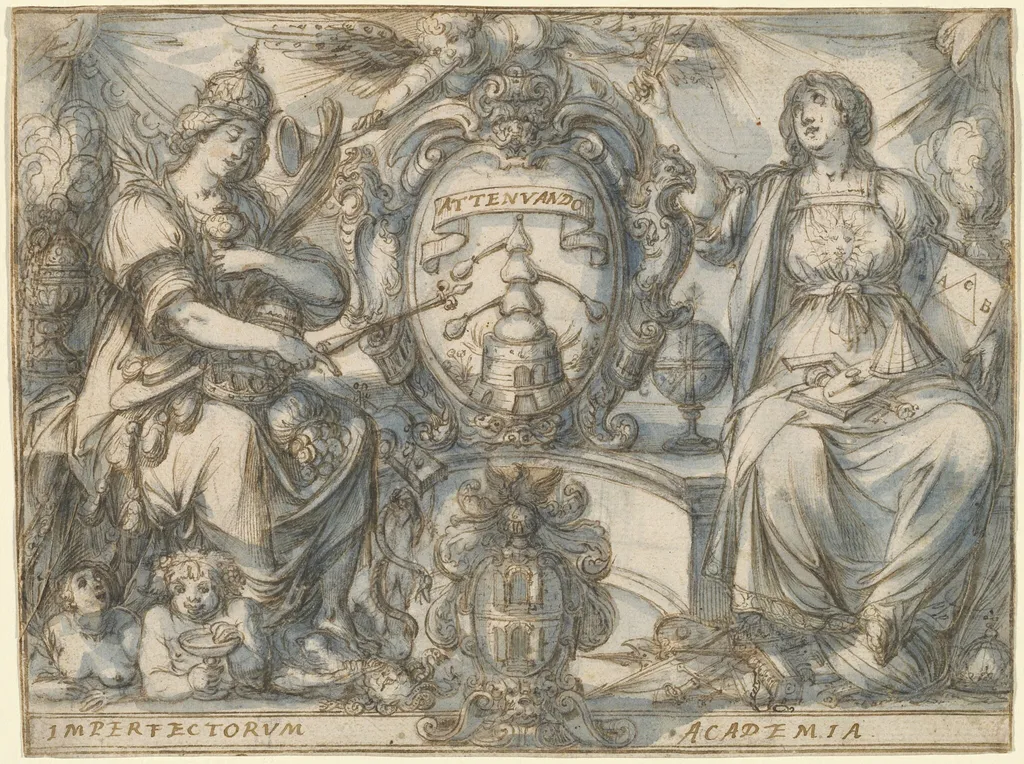
Imperfectorum Academia (Academy of the Imperfects) is a chalk drawing by the Baroque artist Claude Deruet. It dates from 1619 and is held in the collection of the National Gallery of Art.
About this work
Overview
Claude Déruet’s drawing, titled Imperfectorum Academia (Academy of the Imperfects) and dated to around 1619, is executed in pen and brown ink with a blue wash applied over black chalk, incised for transfer onto laid paper. The composition presents a crowded group of figures supporting a large, elaborately decorated shield that is filled with miniature architectural forms, scrolls and assorted symbols.
Subject & Meaning
” The surrounding figures appear weary, some leaning on one another, while a woman on the right gestures upward, suggesting an explanatory stance.
The central shield bears the Latin inscription *Attenvanzo*—a misspelling of *Attempto*, meaning “I am trying.” The surrounding figures appear weary, some leaning on one another, while a woman on the right gestures upward, suggesting an explanatory stance. The work’s title and the imperfect inscription together convey a satirical commentary on the pursuit of knowledge and the inevitability of error within scholarly endeavors.
Technique & Style
Déruet combines fine pen work with brown ink and a subtle blue wash, creating tonal contrast against the underlying black chalk. The incised lines were transferred onto the paper, a method that allowed for precise detail in the crowded scene. The drawing’s dense arrangement of figures and objects reflects the Baroque interest in dynamic, complex compositions.
History & Provenance
Created circa 1619, the drawing is known from later collections but its early ownership record is sparse. It has been catalogued in several 19th‑century inventories of French drawings, indicating that it entered the art market relatively early, though the specifics of its acquisition by museums remain undocumented.
Context
The early 17th‑century French artistic climate favored allegorical and didactic imagery, often employing humor to critique academic pretensions. Déruet’s work aligns with this tradition, using a mock‑academic setting to explore themes of imperfection and the limits of human endeavor, resonating with contemporary debates about the role of the artist and scholar.
Artist & collection

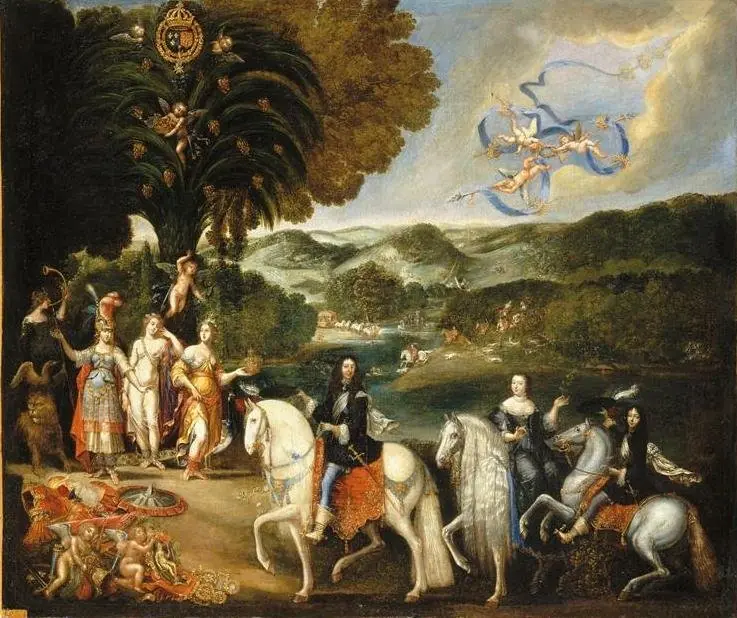
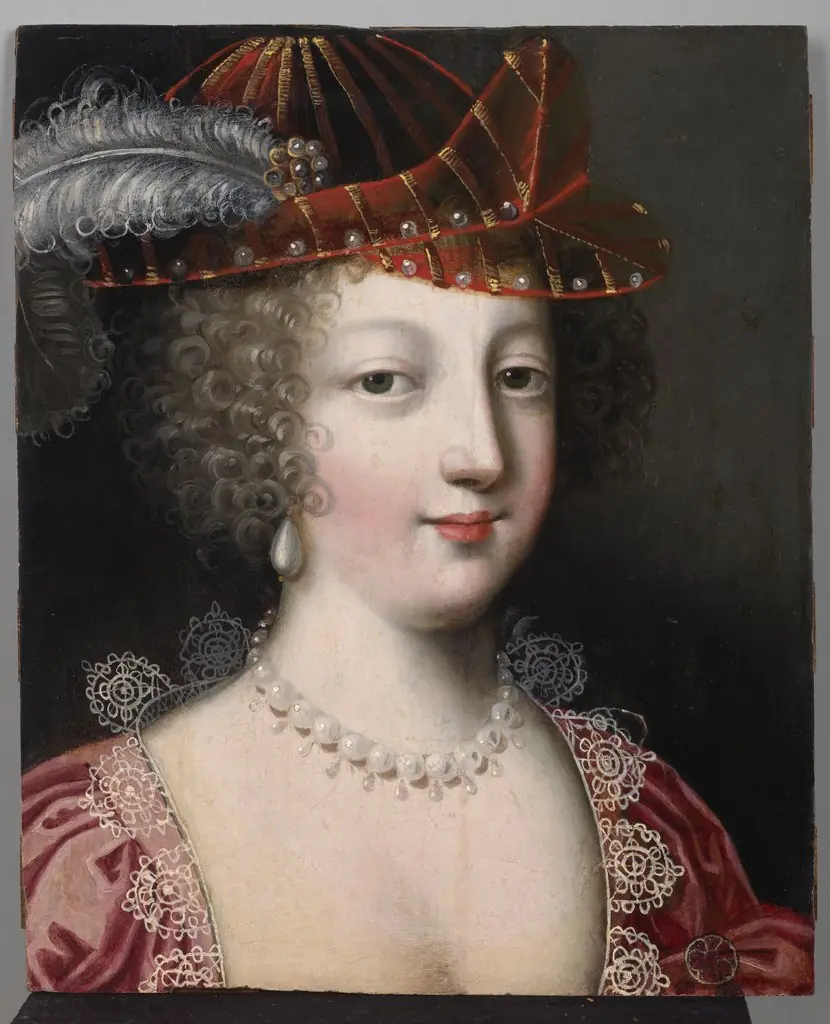
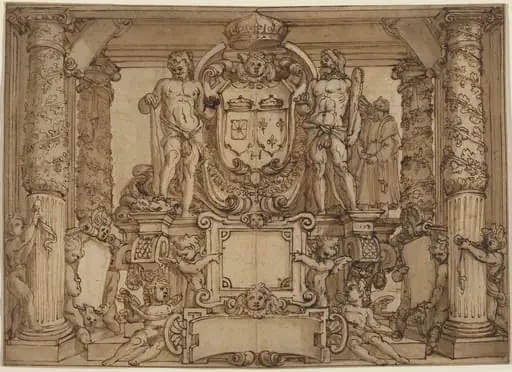 An Architectural Wall Design in Honor of Henry IV, the Gallic Hercules
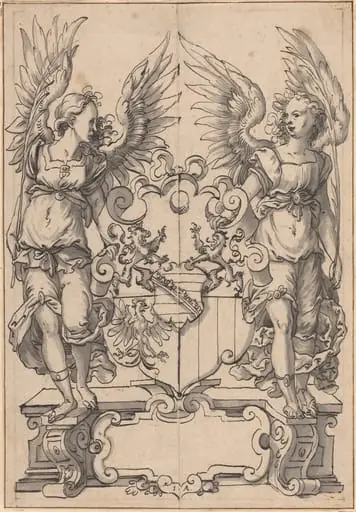 Two Angels Holding a Coat of Arms
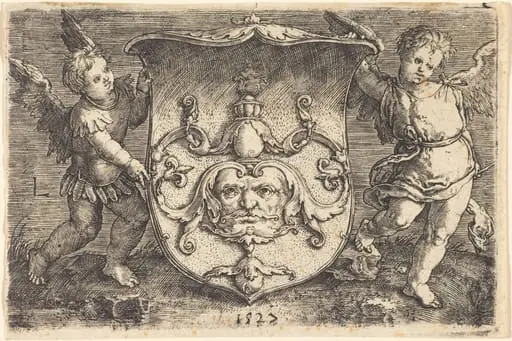 Shield with Mascaron
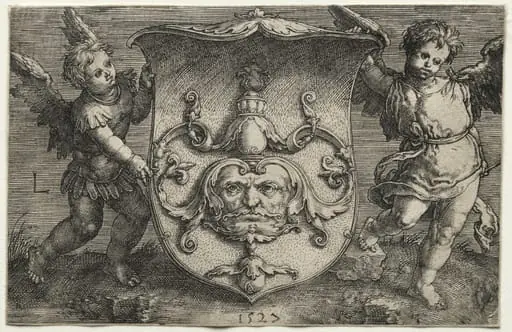 A Shield Bearing a Mask Supported by Two Genii
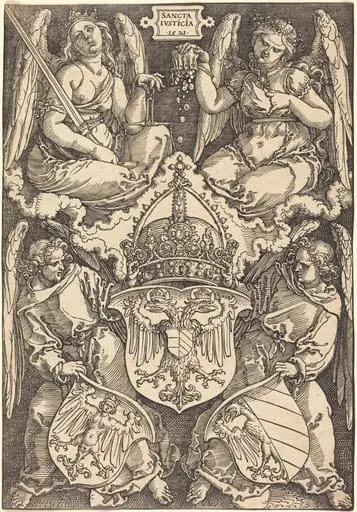 Coat of Arms of the German Empire and Nuremberg City
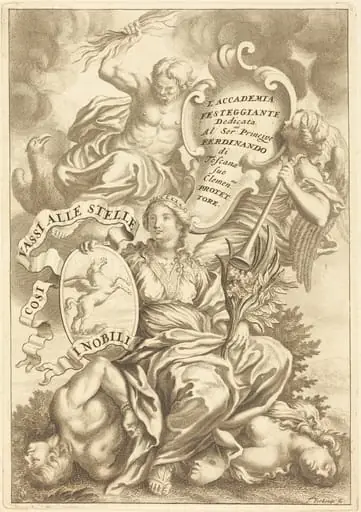 Dedication Plate
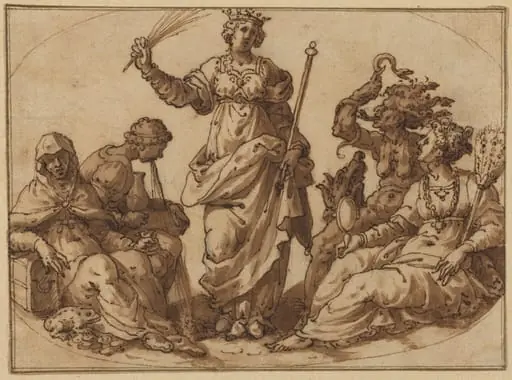 Virtue Triumphing over Vices
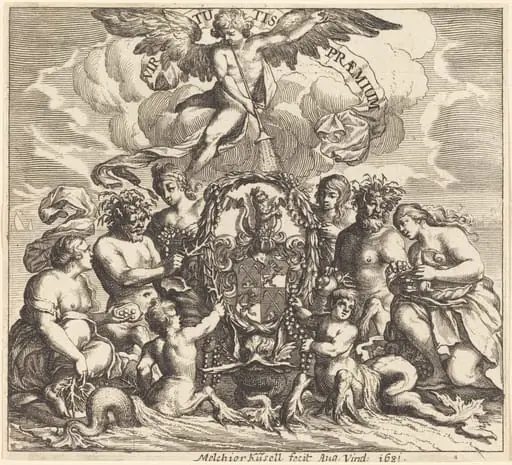 Dedication Page
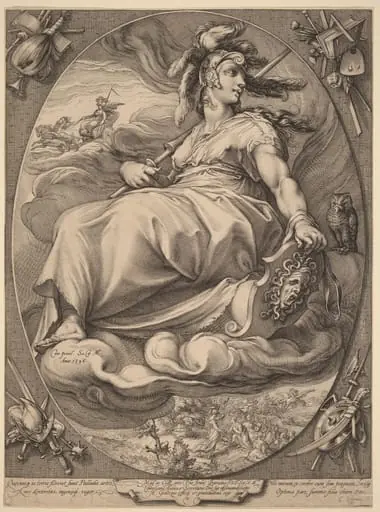 Minerva
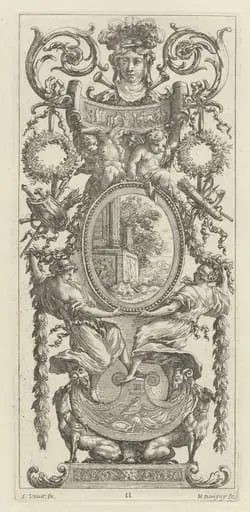 Ornamental Panel Surmounted with a Head Flanked by Foliage
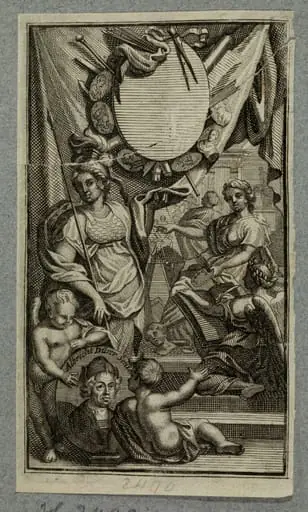 Frontispiece with portrait of Albrecht Dürer d.Ä.
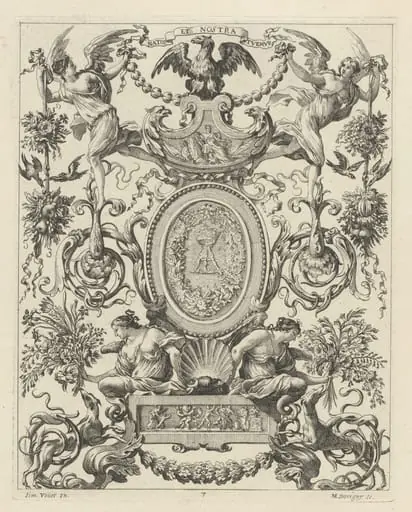 Ornamental Panel Surmounted by an Eagle and the Motto NATOS ET NOSTRA TUEMUR