Artwork
Boat Returing in Wind and Rain
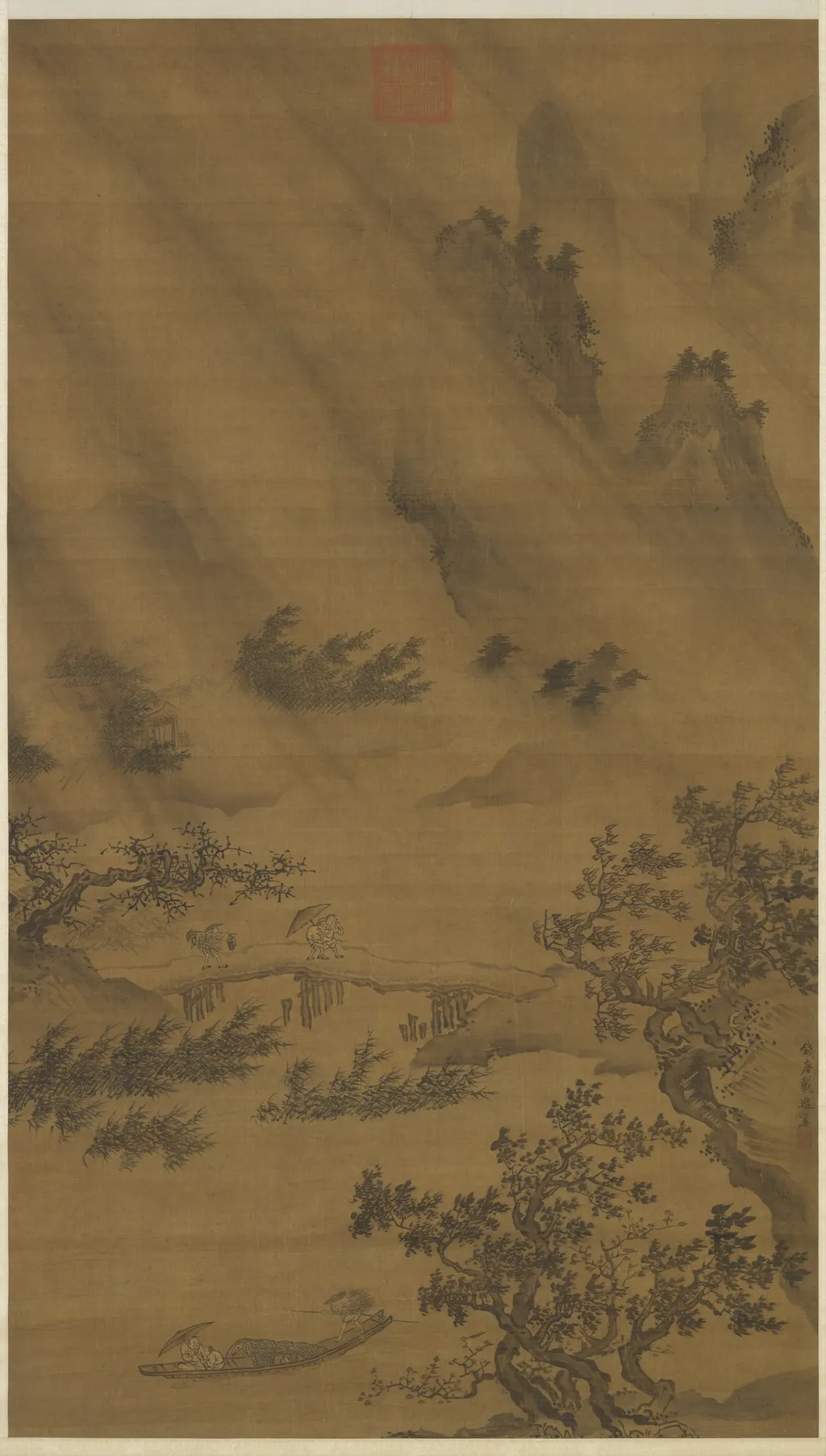
Boat Returing in Wind and Rain is an unspecified painting by the Ming dynasty painting artist Dai Jin. It dates from 1435 and is held in the collection of the National Palace Museum.
About this work
Overview
Painted around 1435 by Dai Jin, this ink-on-silk work depicts a small vessel struggling through a stormy seascape. The painting is part of the National Palace Museum’s collection in Taipei, where it is preserved as a significant example of early Ming dynasty landscape art. Its composition balances natural forces with human endeavor, reflecting the aesthetic priorities of its time.
Subject & Meaning
The scene portrays a fishing boat battling wind and rain, its crew bent against the elements. Rather than celebrating triumph, the image conveys quiet resilience. The storm is not dramatized but rendered with restraint, suggesting a philosophical acceptance of nature’s unpredictability. This aligns with Confucian and Daoist ideals of harmony amid adversity.
Technique & Style
Dai Jin employs wet-brush ink washes to suggest driving rain and churning water, while dry, angular strokes define the boat’s structure and the jagged shoreline. The palette is monochrome, relying on tonal variation for depth. His technique blends the expressive freedom of Southern Song ink painting with the structural clarity favored by early Ming court artists.
History & Provenance
Created during Dai Jin’s early career, the painting likely originated in the imperial painting academy in Nanjing before moving to Beijing. It entered the Qing imperial collection and was later transported to Taiwan with other artifacts during the mid-20th century. Its continuous institutional custody ensures its preservation and scholarly accessibility.
Context
Dai Jin worked during a period when Ming court painters sought to revive classical Southern Song styles while adapting them to new political ideals. Landscape painting was not merely decorative but carried moral weight, embodying the scholar-official’s ideal of composure under pressure. This work reflects that cultural synthesis, bridging artistic tradition and contemporary values.
Legacy
Though less widely known than later Ming masters, Dai Jin’s approach influenced regional schools in Zhejiang and beyond. His integration of dynamic weather and subtle human presence became a model for artists seeking emotional depth without overt narrative. The painting remains a reference point in studies of early Ming ink landscape conventions.
Artist & collection
Artist
Dai Jin lived in Hangzhou, where the old Southern Song court had once ruled. He spent his days sketching boats along the river and collecting Ming-era scrolls in the same tea houses where scholars argued about art. He…

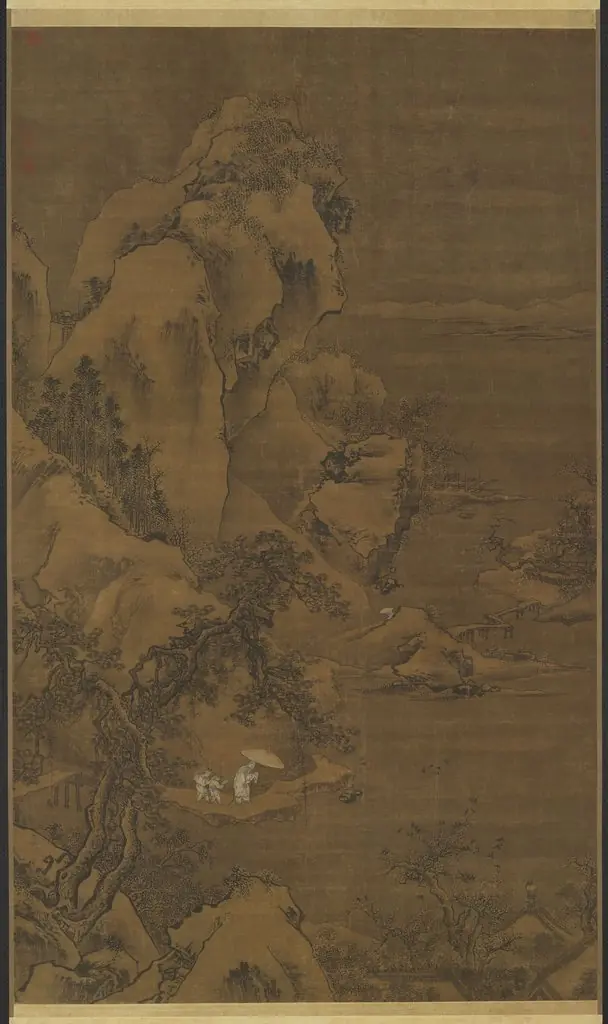 Searching for Plum Blossoms
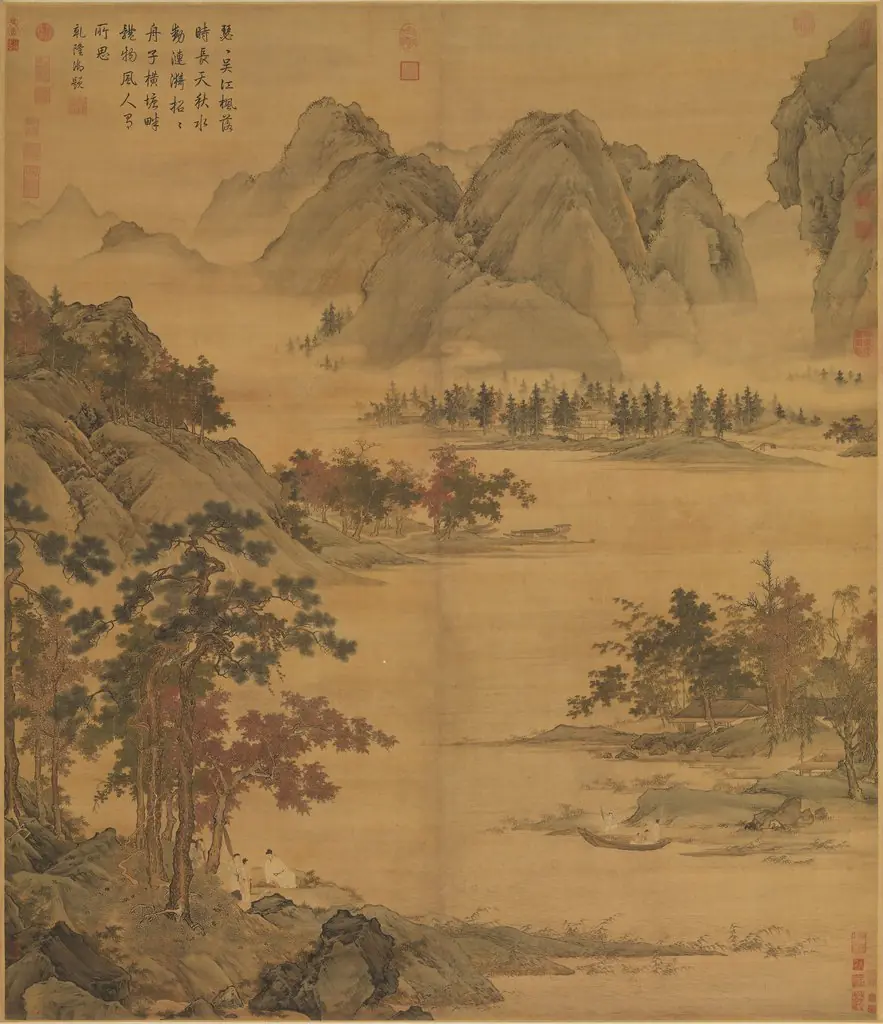 Waiting for the Ferry on an Autumn River
 Landscape
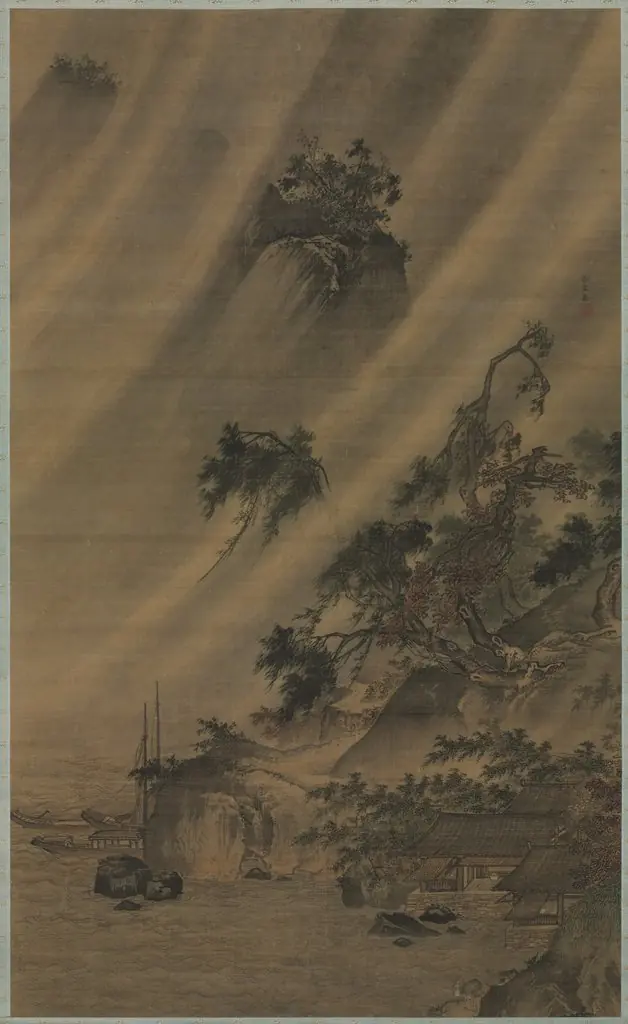 River Village in a Rainstorm
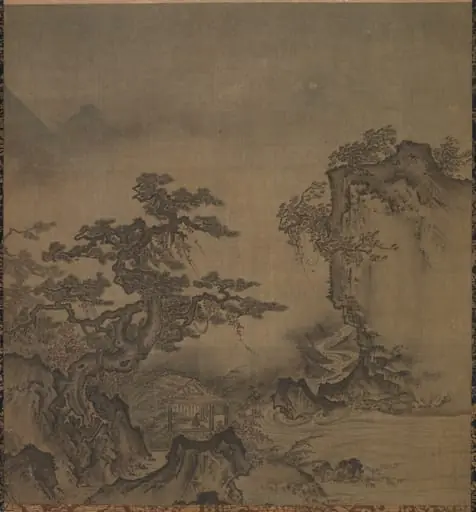 Landscape
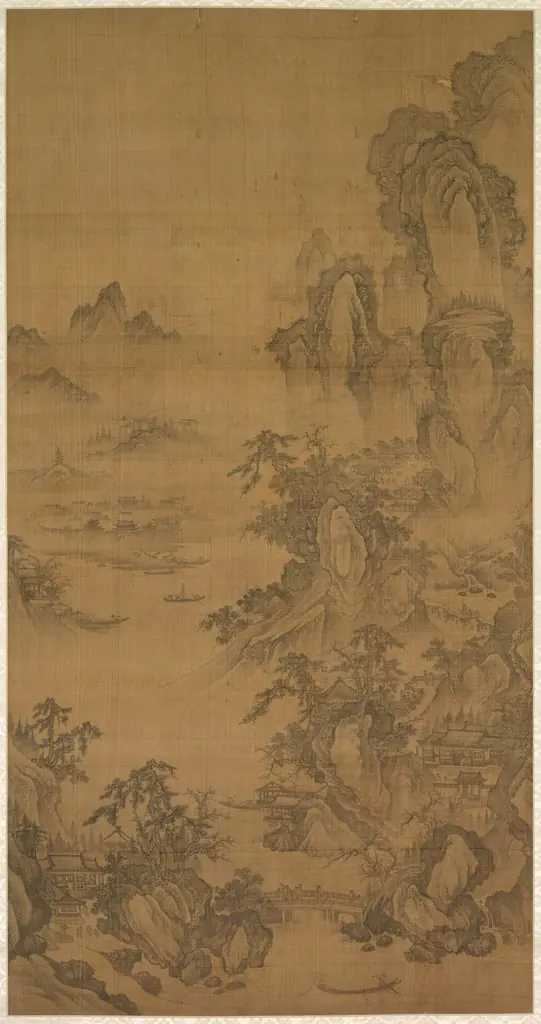 Mountain Market, Clear with Rising Mist
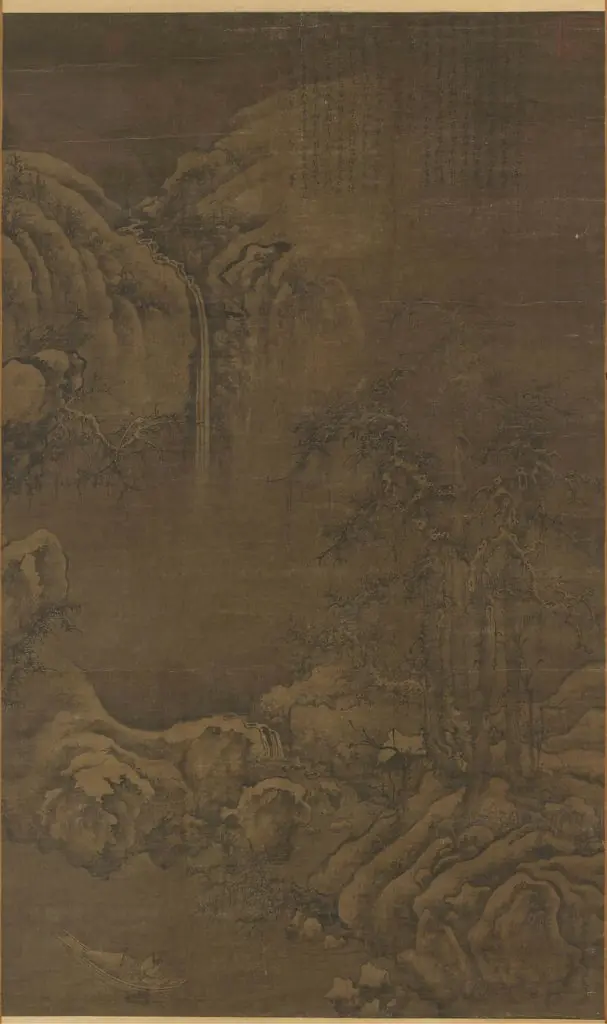 Fishing Boat on a Wintry River
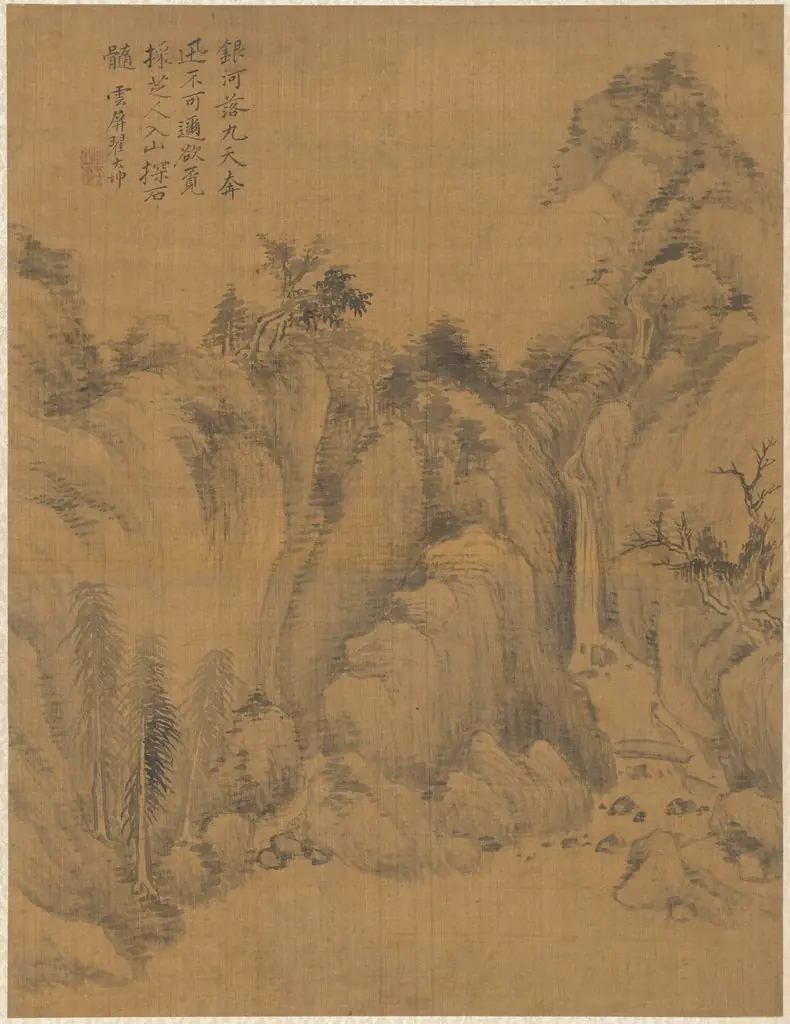 Landscape
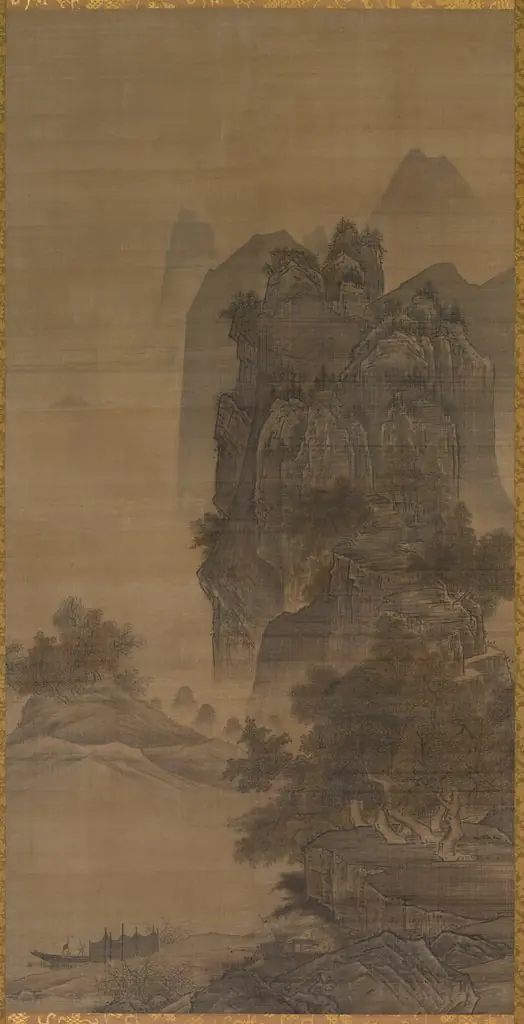 Sunset Glow over a Fishing Village, from Eight Views of Xiao-Xiang
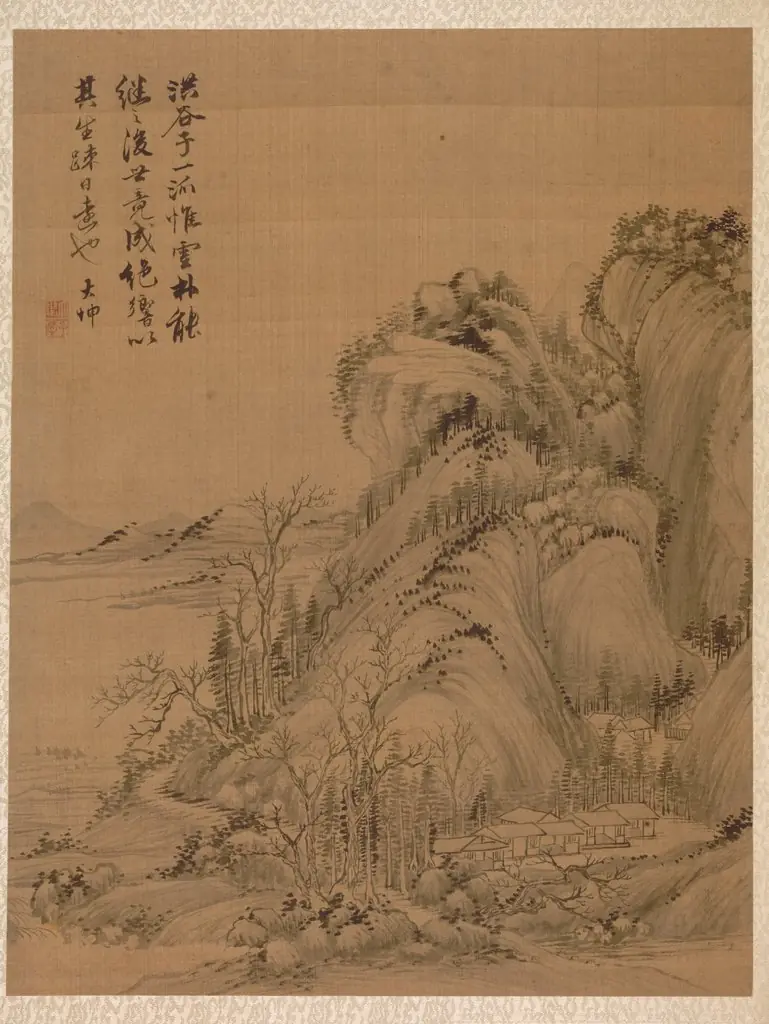 Landscape in the Style of Ching Hao
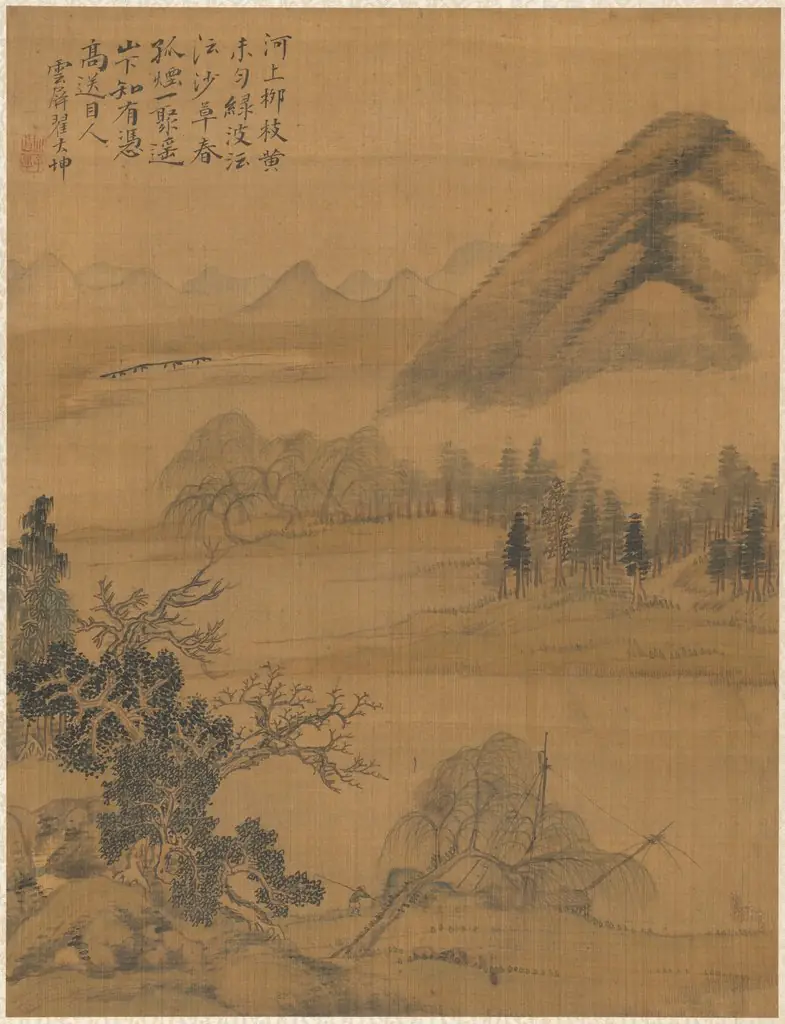 Landscape
![Summer Mountains (after Dong Yuan [active about ad 937-975]), by Huang Gongwang](https://artifactworldgallery.com/img/huang-gongwang--summer-mountains-after-dong-yuan-active-about-ad-937-975--a5e22b9ec870e011-w320.webp) Summer Mountains (after Dong Yuan [active about ad 937-975])
Summer Mountains (after Dong Yuan [active about ad 937-975])