Artwork
The Hermit Xu You Resting by a Stream
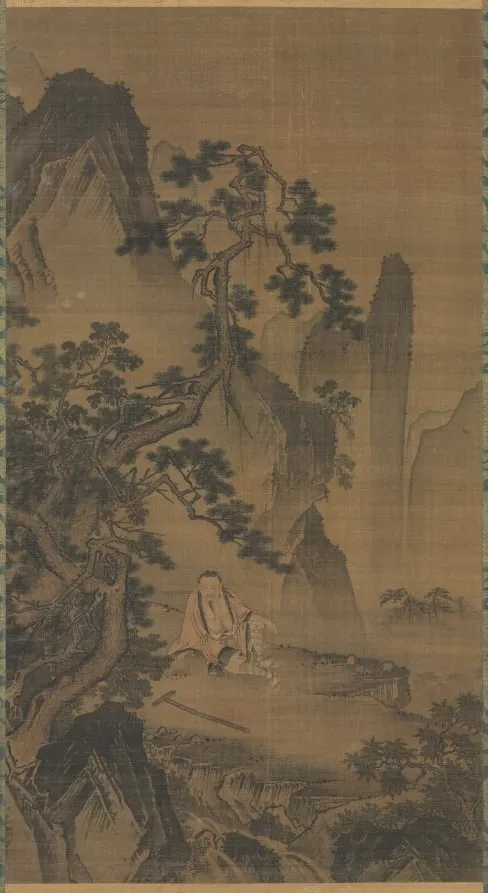
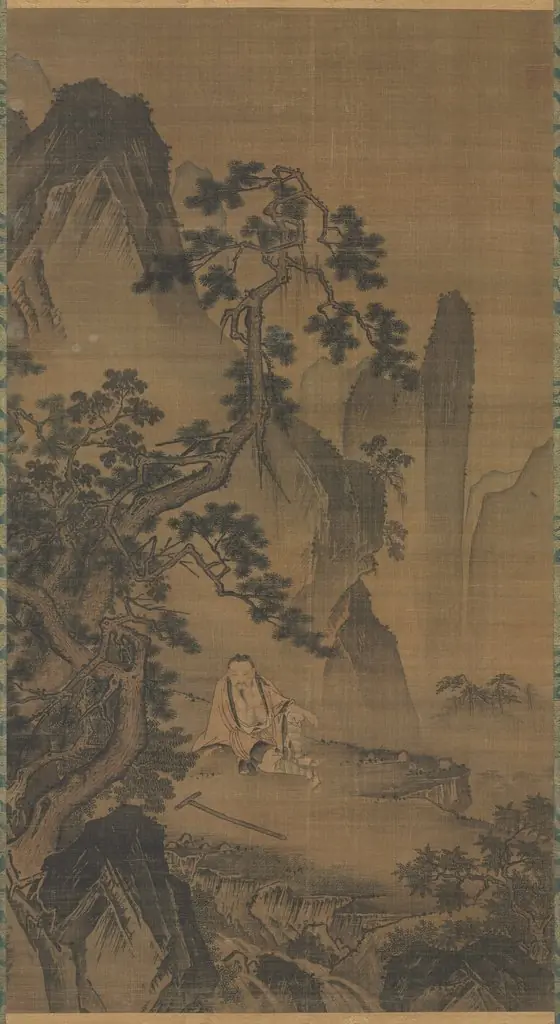
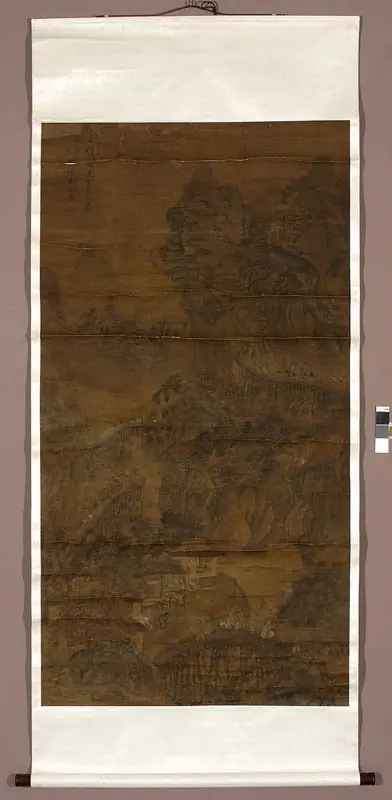
The Hermit Xu You Resting by a Stream is an unspecified painting by the Ming dynasty painting artist Dai Jin. It dates from 1404 and is held in the collection of the Cleveland Museum of Art. The painting portrays a solitary figure seated beside a stream, his left arm resting on his raised knee.
About this work
The artist, Dai Jin, worked during a time when Chinese painters often used empty space to suggest peace or wisdom.
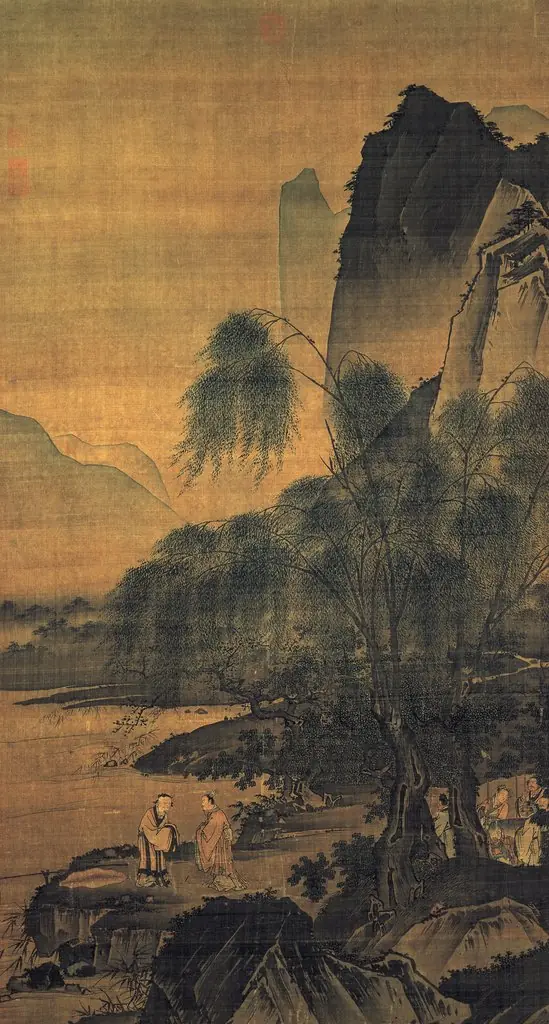
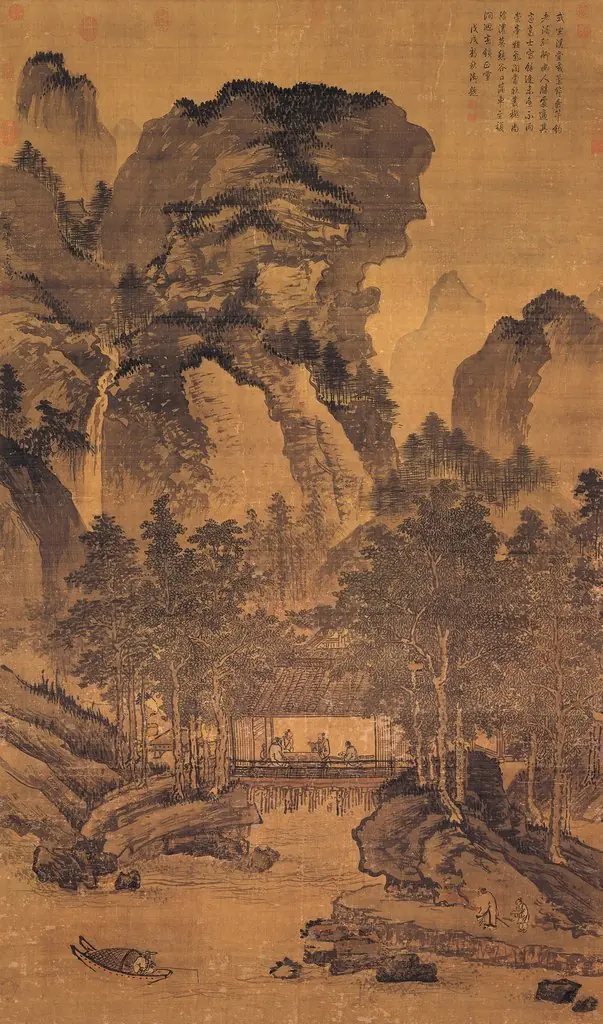
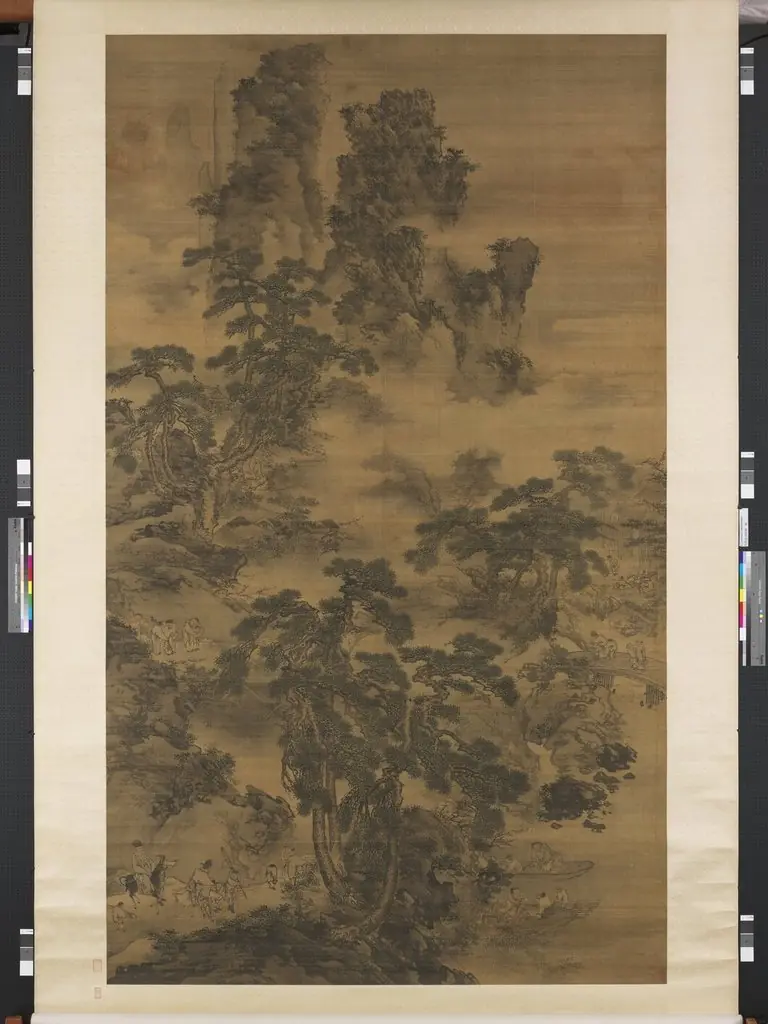
A man in a loose robe sits by a stream, one arm resting on his knee. Mountains rise behind him, while the right side of the painting stays empty and quiet.
This is Xu You, a hermit who turned down an emperor’s throne. He’s dressed like a farmer, but his calm face and posture show something deeper—humility mixed with strength. The artist, Dai Jin, worked during a time when Chinese painters often used empty space to suggest peace or wisdom.
To see more paintings like this, look up *china, ming dynasty (1368–1644)*.
Overview
The painting portrays a solitary figure seated beside a stream, his left arm resting on his raised knee. Behind him, a range of mountains ascends on the left, while the right side opens into an expanse of empty space. The composition balances the solidity of the recluse’s posture with the tranquility of the surrounding landscape, creating a contemplative scene of withdrawal and serenity.
Subject & Meaning
The man depicted is Xu You, a legendary hermit who declined the throne offered by Emperor Yao and chose a life of farming on Mount Ji. Dressed in simple laborer’s attire—a short robe and tight leggings—his relaxed pose and gentle expression convey a quiet dignity, suggesting the moral virtue of humility and the spiritual reward of renouncing worldly power.
Technique & Style
Executed with vigorous brushwork and subtle ink washes, the work follows the aesthetic principles of Southern Song academy painters. Strong, decisive strokes define the cliffs and mountains, while softer, graduated tones render the water and sky, emphasizing the contrast between material presence and ethereal emptiness that characterizes the period’s landscape tradition.
History & Provenance
Attributed to Dai Jin, an artist active during the Ming dynasty, the painting reflects the era’s renewed interest in classical Chinese brush techniques. Though the exact date of creation is uncertain, the work has been preserved within the collection of Chinese Ming paintings and continues to be referenced as an example of the period’s engagement with earlier Southern Song visual language.
Artist & collection
Artist
Dai Jin lived in Hangzhou, where the old Southern Song court had once ruled. He spent his days sketching boats along the river and collecting Ming-era scrolls in the same tea houses where scholars argued about art. He…