Artwork
James II, Duke of York
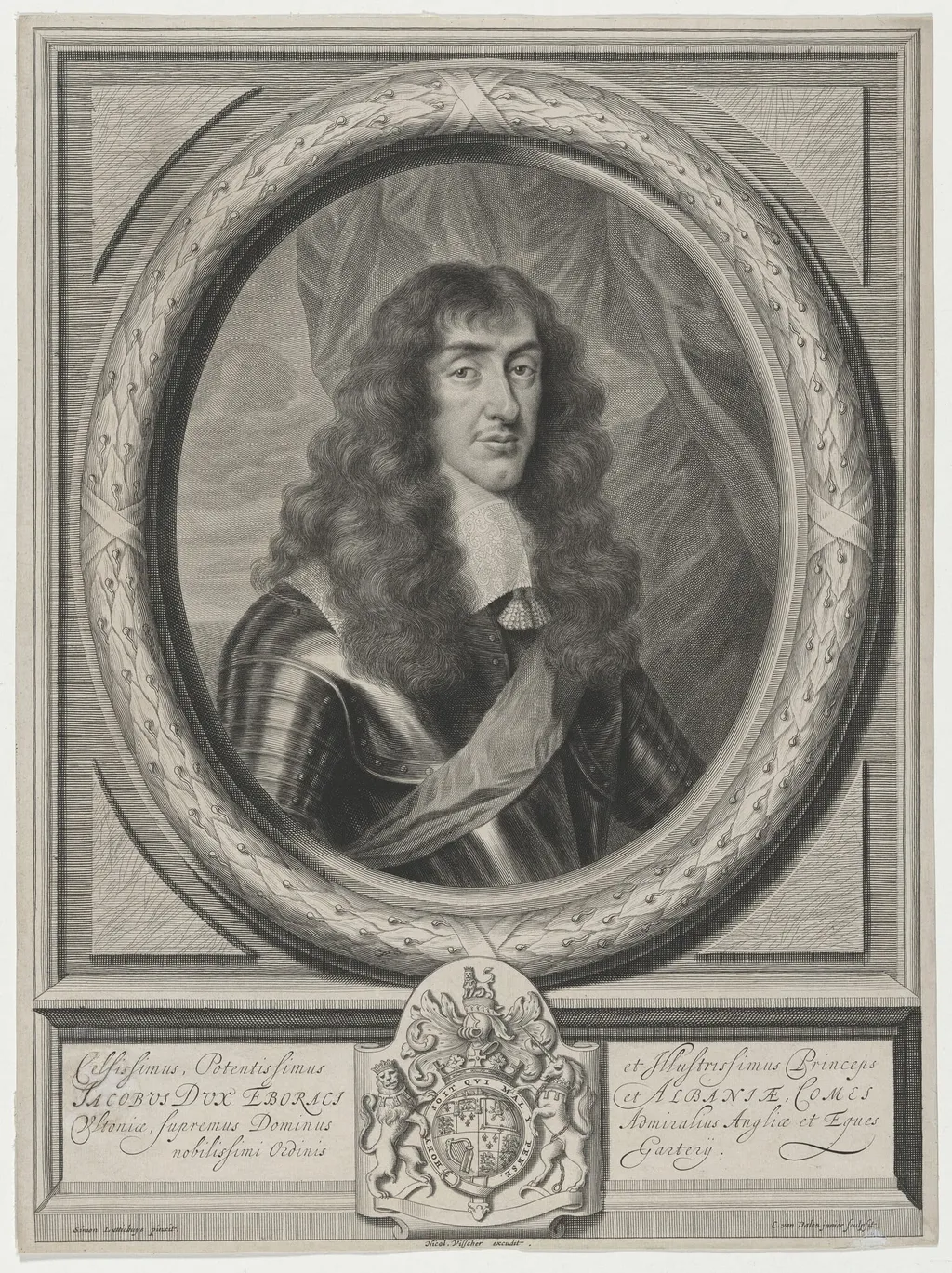
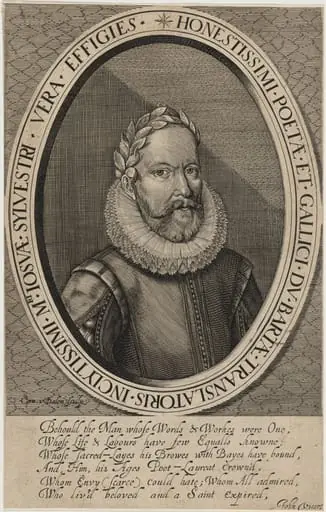
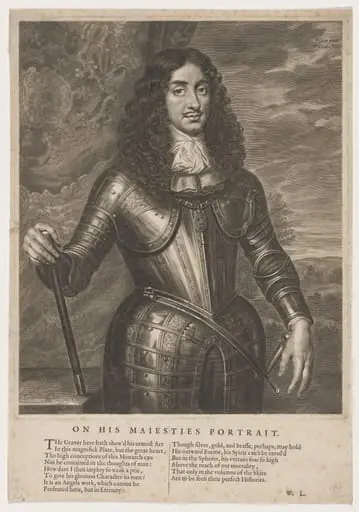
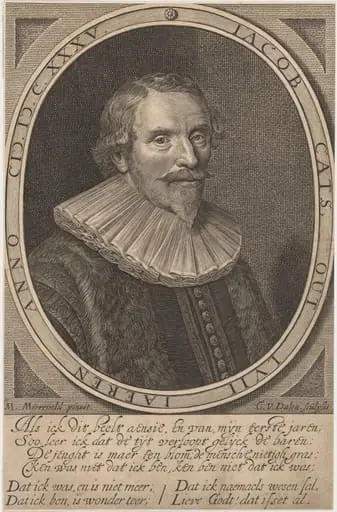
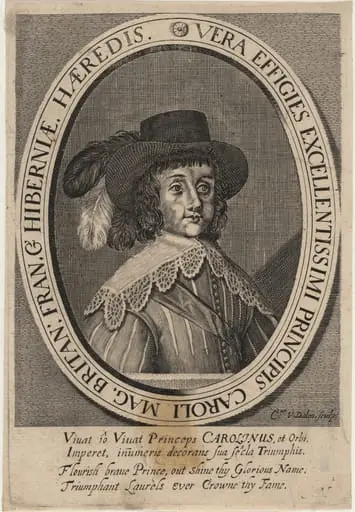
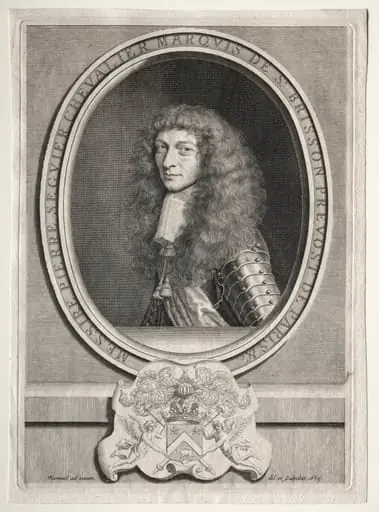
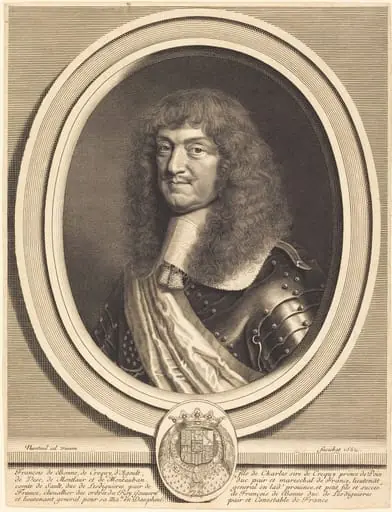
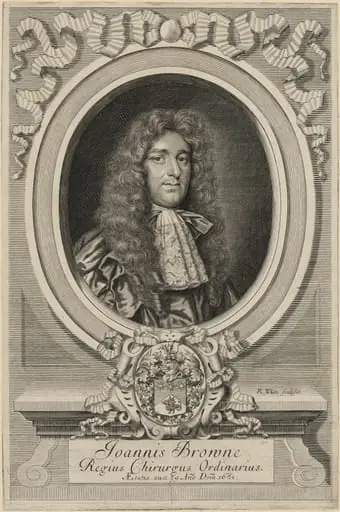
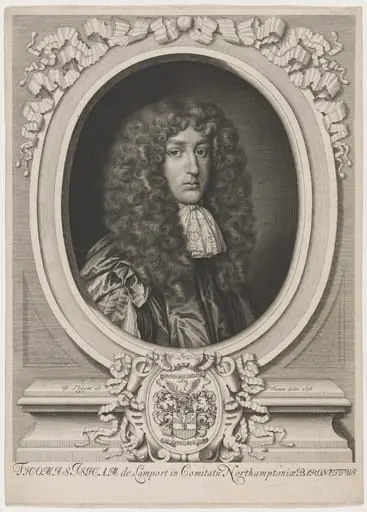
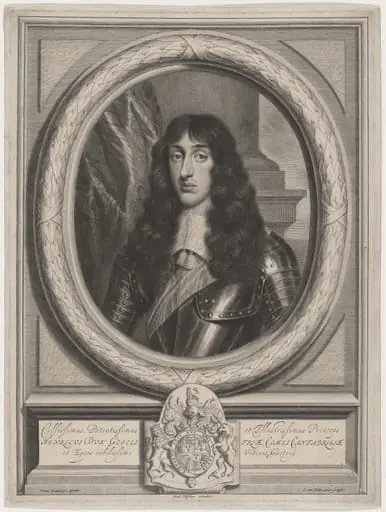
James II, Duke of York is an ink print by the Baroque artist Cornelis van Dalen I. It dates from 1634 and is held in the collection of the National Gallery of Art. This black-and-white engraving depicts James II before he became king, portrayed as Duke of York in 1634.
About this work
Overview
This black-and-white engraving depicts James II before he became king, portrayed as Duke of York in 1634. Created by Cornelis van Dalen I, it is a formal portrait rendered in the intaglio technique, where fine lines are incised into a metal plate and inked to produce a printed image. The composition emphasizes regal bearing through precise detail and restrained composition.
Subject & Meaning
The portrait serves as a public statement of lineage and power, typical of dynastic imagery in early modern Europe.
The subject is James Stuart, then Duke of York and future monarch, shown in early adulthood. His elaborate attire—fur-trimmed coat, high collar, and curled hair—signals aristocratic status. The Latin inscriptions below list his official titles, reinforcing his political and naval authority. The portrait serves as a public statement of lineage and power, typical of dynastic imagery in early modern Europe.
Technique & Style
Executed in engraving, the image relies on fine, controlled lines carved into a copper plate to render texture and form. The fur trim, lace collar, and curly hair are suggested through delicate hatching and crosshatching. The background oval and decorative border of dots and lines frame the figure with geometric precision, reflecting the era’s preference for orderly, dignified portraiture.
History & Provenance
Produced in 1634, the engraving likely circulated among courtiers and diplomats to affirm James’s standing within the Stuart dynasty. It predates his reign by over forty years and was made during his early years as a royal figure. No definitive record of its original commission survives, but its existence suggests demand for official likenesses among the elite.
Context
In the early 17th century, engraved portraits were key tools for disseminating the image of nobility across Europe. With limited access to painted originals, prints like this allowed wider audiences to recognize royal figures. The use of Latin titles reflects the scholarly and diplomatic culture of the time, aligning the Duke with classical traditions of authority.
Legacy
This engraving remains a rare visual record of James II in his youth, before his controversial reign and exile. As an example of Dutch engraving influenced by English portraiture, it illustrates cross-cultural artistic exchange. Though not widely reproduced today, it contributes to the historical record of Stuart iconography and print culture in the 1630s.
Artist & collection