Artwork
Pierre Seguier, Marquis de Saint-Brisson
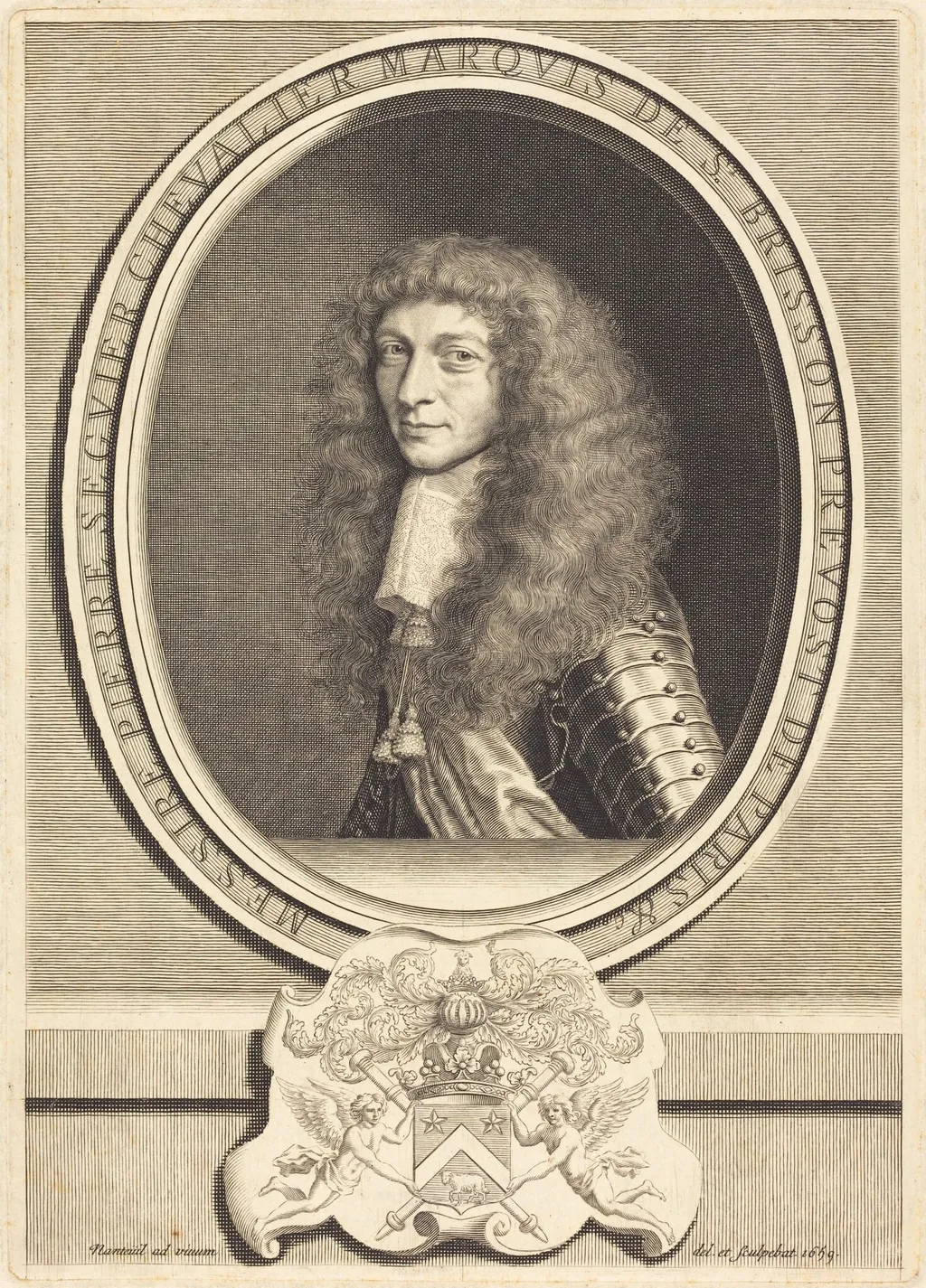
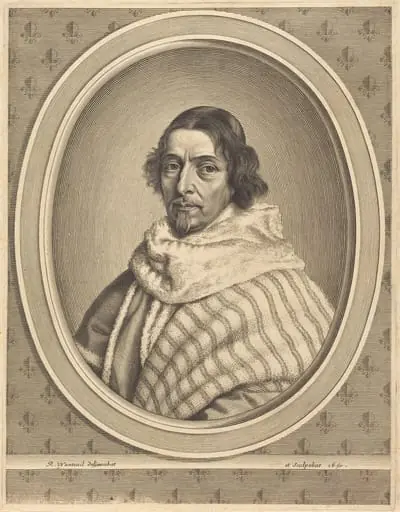
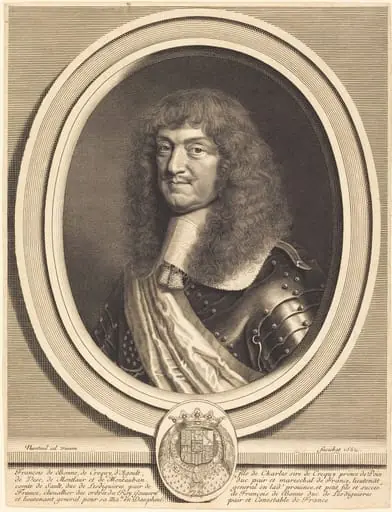
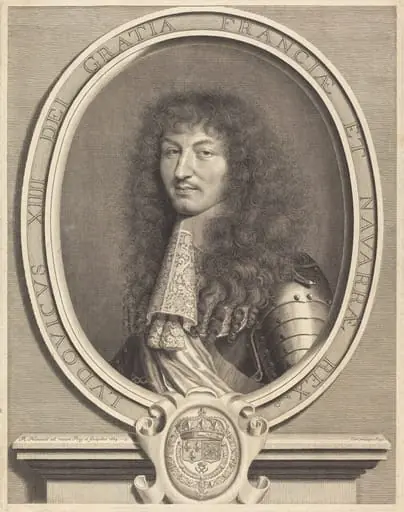
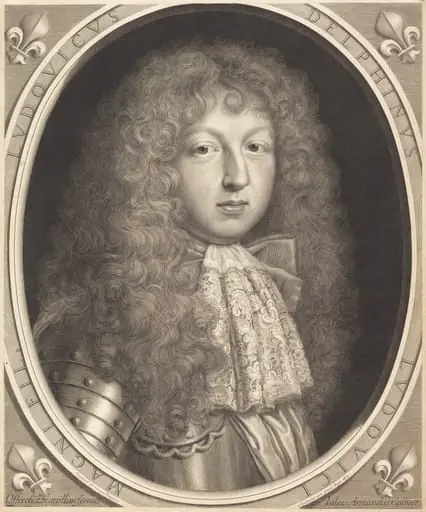
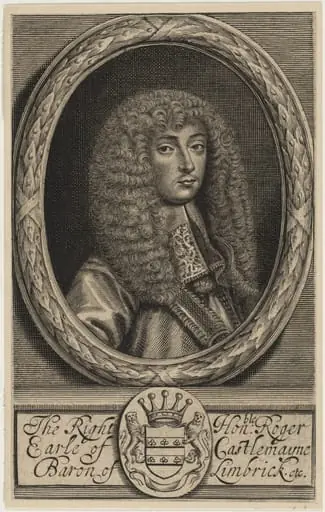
Pierre Seguier, Marquis de Saint-Brisson is an ink print by the Baroque artist Robert Nanteuil. It dates from 1650 and is held in the collection of the National Gallery of Art.
About this work
Overview
Nanteuil, a leading court artist under Louis XIV, specialized in portraits that conveyed social standing through meticulous detail and restrained elegance.
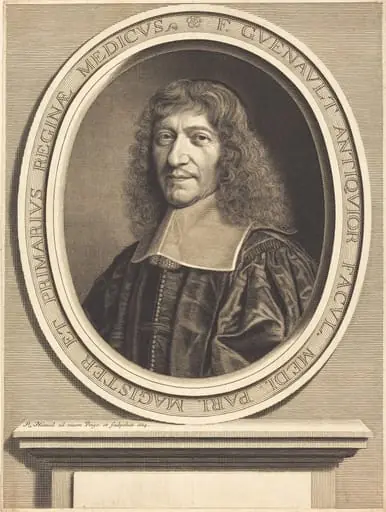
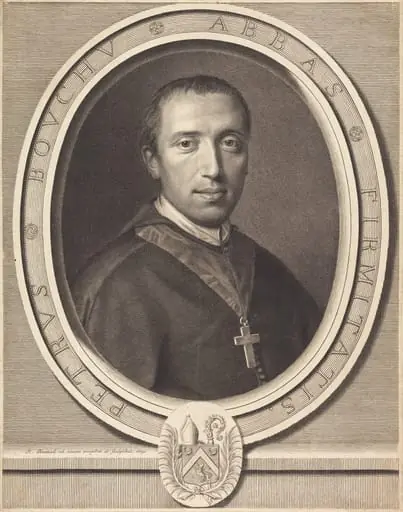
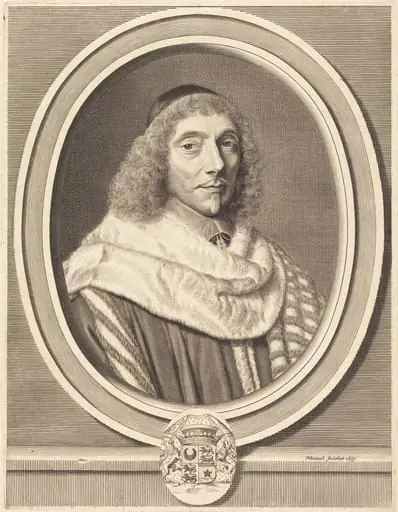
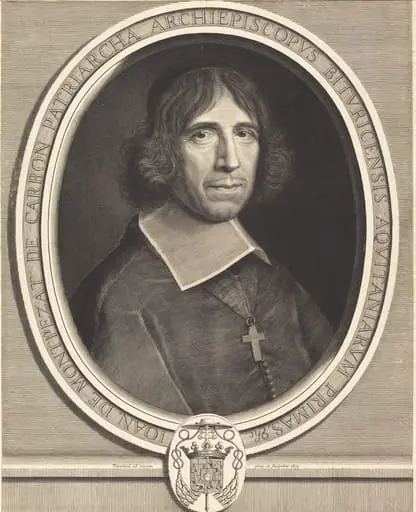
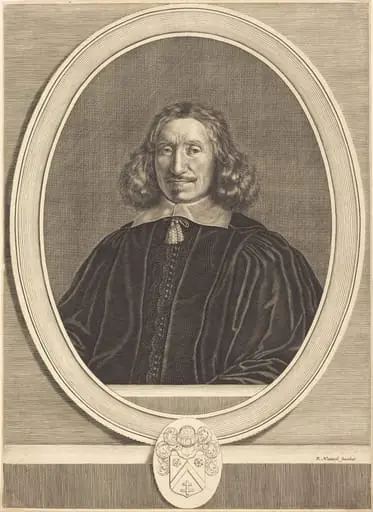
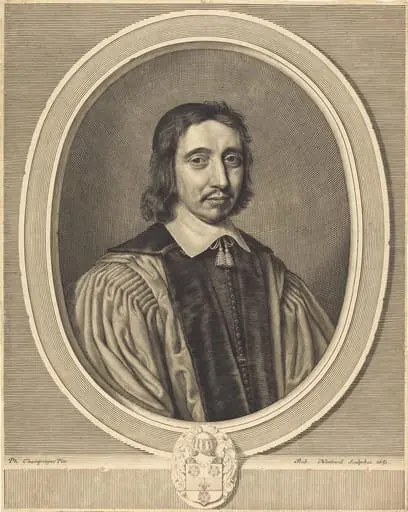
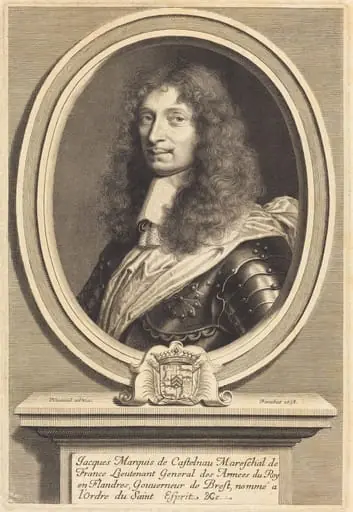
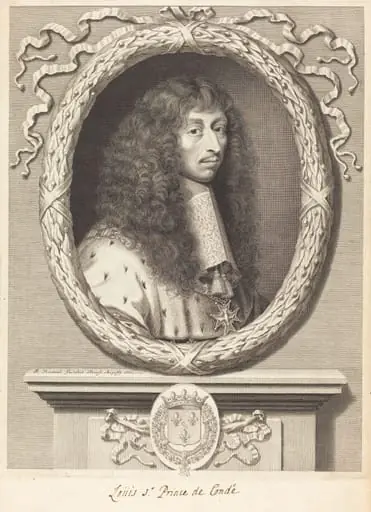
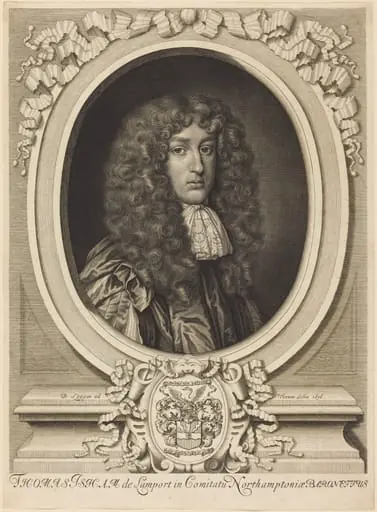
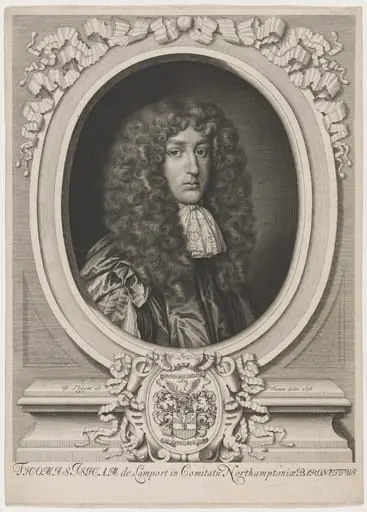
This 1650 engraving by Robert Nanteuil portrays Pierre Séguier, Marquis de Saint-Brisson, a French nobleman and statesman. Executed in fine line engraving, the portrait captures Séguier in formal attire, seated and facing the viewer with composed stillness. Nanteuil, a leading court artist under Louis XIV, specialized in portraits that conveyed social standing through meticulous detail and restrained elegance.
Subject & Meaning
Pierre Séguier held high offices in the French judiciary and was a key figure in the administration of Louis XIV’s early reign. The portrait emphasizes his authority and dignity, not through grandeur or symbols of power, but through his composed demeanor and refined attire. His direct gaze and formal posture reflect the ideals of aristocratic composure and intellectual gravitas valued in mid-17th-century France.
Technique & Style
Nanteuil employed fine-line engraving to render texture and form with precision. The fabric of Séguier’s garments, the lace at his collar, and the subtle contours of his face are defined by controlled, incised lines. The tonal range is achieved through varying line density rather than shading, showcasing the engraver’s mastery of contrast and detail. The composition is tightly framed, focusing attention on the sitter’s presence.
History & Provenance
Created in 1650, the portrait was likely commissioned to affirm Séguier’s status within the royal court. As a favored engraver of the monarchy, Nanteuil produced numerous portraits of officials and nobles, many of which circulated among elite circles. This print would have served both as a personal keepsake and a public assertion of Séguier’s influence, aligning him with the visual culture of Louis XIV’s administration.
Context
In mid-17th-century France, engraved portraits were essential tools for consolidating social identity among the nobility. With the rise of absolutism, visual representation became a means of reinforcing hierarchy. Nanteuil’s work, widely disseminated through prints, helped standardize the image of the dignified French aristocrat, blending realism with the decorum expected of high office.
Legacy
Nanteuil’s portraits, including this one, set a benchmark for French engraved portraiture. His technical precision and psychological restraint influenced generations of printmakers. Though Séguier’s political prominence faded after his death, the engraving endures as a document of how status was visually constructed in the courtly culture of early modern France.
Artist & collection
Artist
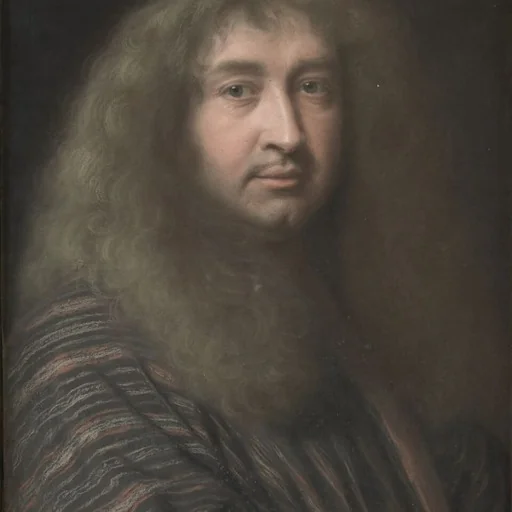
Robert Nanteuil (French pronunciation: ; 1623 – 9 December 1678) was a French portrait artist: engraver, draughtsman and pastellist to the court of Louis XIV.