Artwork
Le faucon
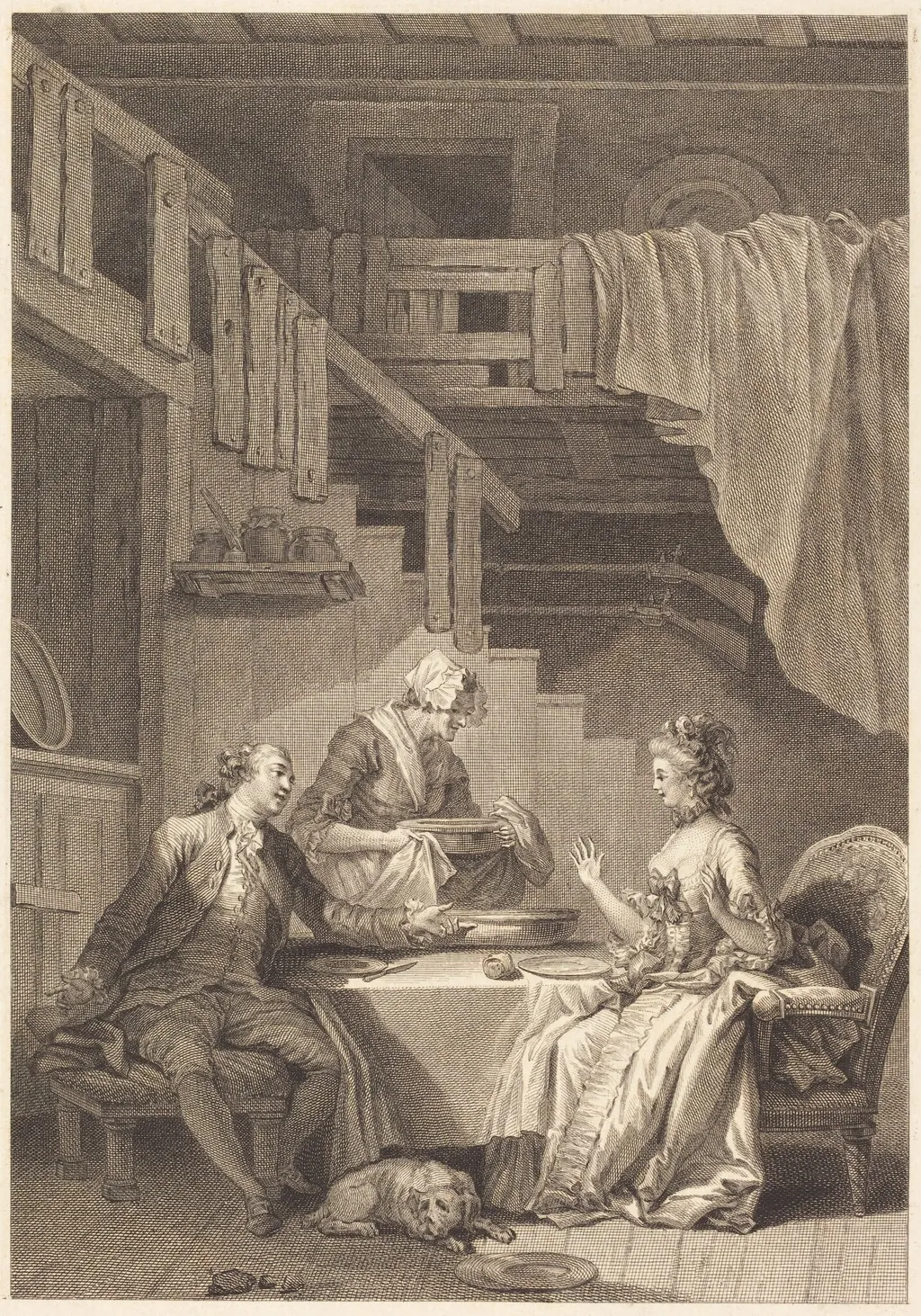
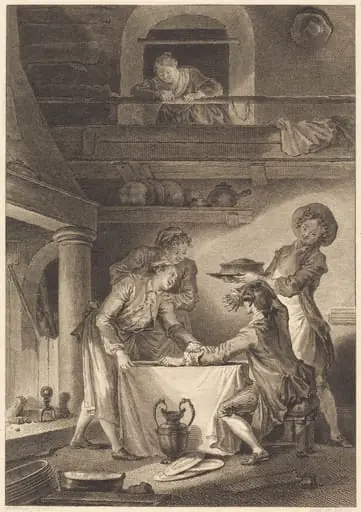
Le faucon is an ink print by the Baroque artist Jean Dambrun. It dates from 1774 and is held in the collection of the National Gallery of Art.
About this work
Overview
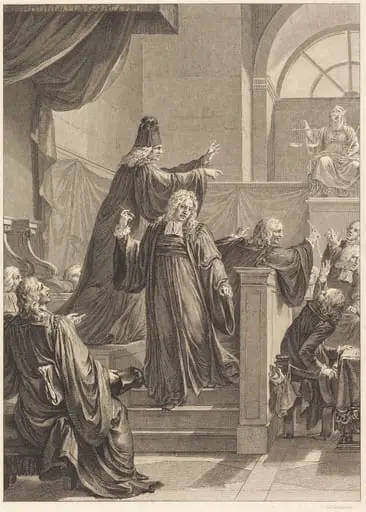
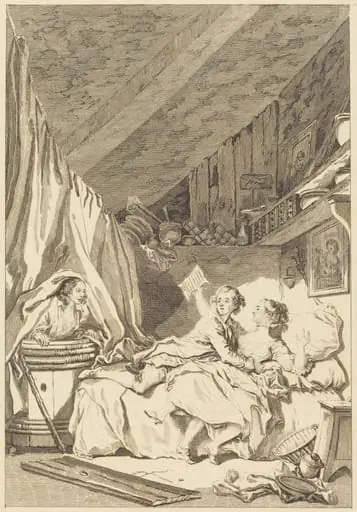
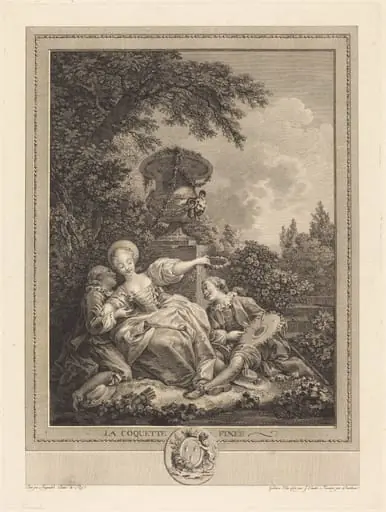
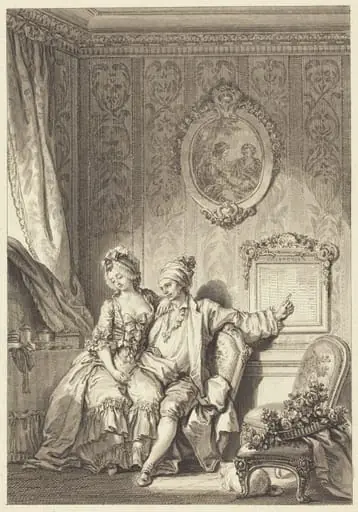
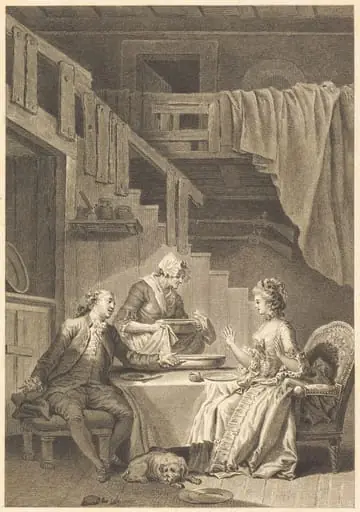
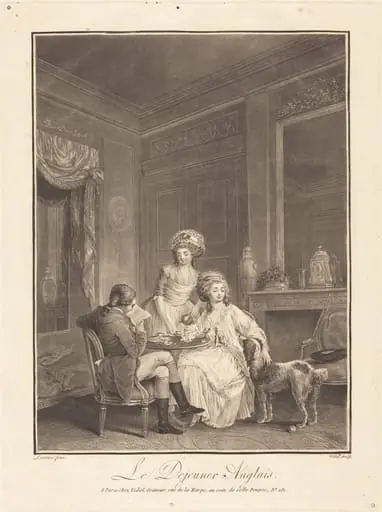
Jean Dambrun’s 1774 print, titled Le faucon, is an etching and engraving that captures an interior domestic scene. The composition presents three figures—a seated man, a standing woman holding a cloth, and another seated woman—alongside a dog lying on the floor, all arranged within a room that includes a staircase and wall‑hung objects.
Subject & Meaning
The work portrays a quiet moment of everyday life, emphasizing familial or household interaction. The central woman’s gesture with the cloth suggests a task or preparation, while the relaxed dog and the presence of a staircase hint at a lived, functional space rather than a staged tableau.
Technique & Style
Dambrun employs the fine lines of etching combined with the deeper tones of engraving to render textures of fabric, wood, and fur. The interplay of light and shadow is achieved through varying line density, creating a warm, intimate atmosphere that guides the viewer’s eye across the room’s details.
History & Provenance
Created in 1774, Le faucon reflects the printmaking practices of late‑eighteenth‑century France. While specific ownership records are scarce, the piece is documented in catalogues of Dambrun’s oeuvre and has been held in several European collections that specialize in period prints.
Context
The print belongs to a period when domestic genre scenes were popular in French art, often serving both decorative and didactic purposes. Its focus on interior space and ordinary activity aligns with broader trends that favored realism and the observation of daily life over grand historical narratives.
Artist & collection