Artwork
Le calendrier des viellards
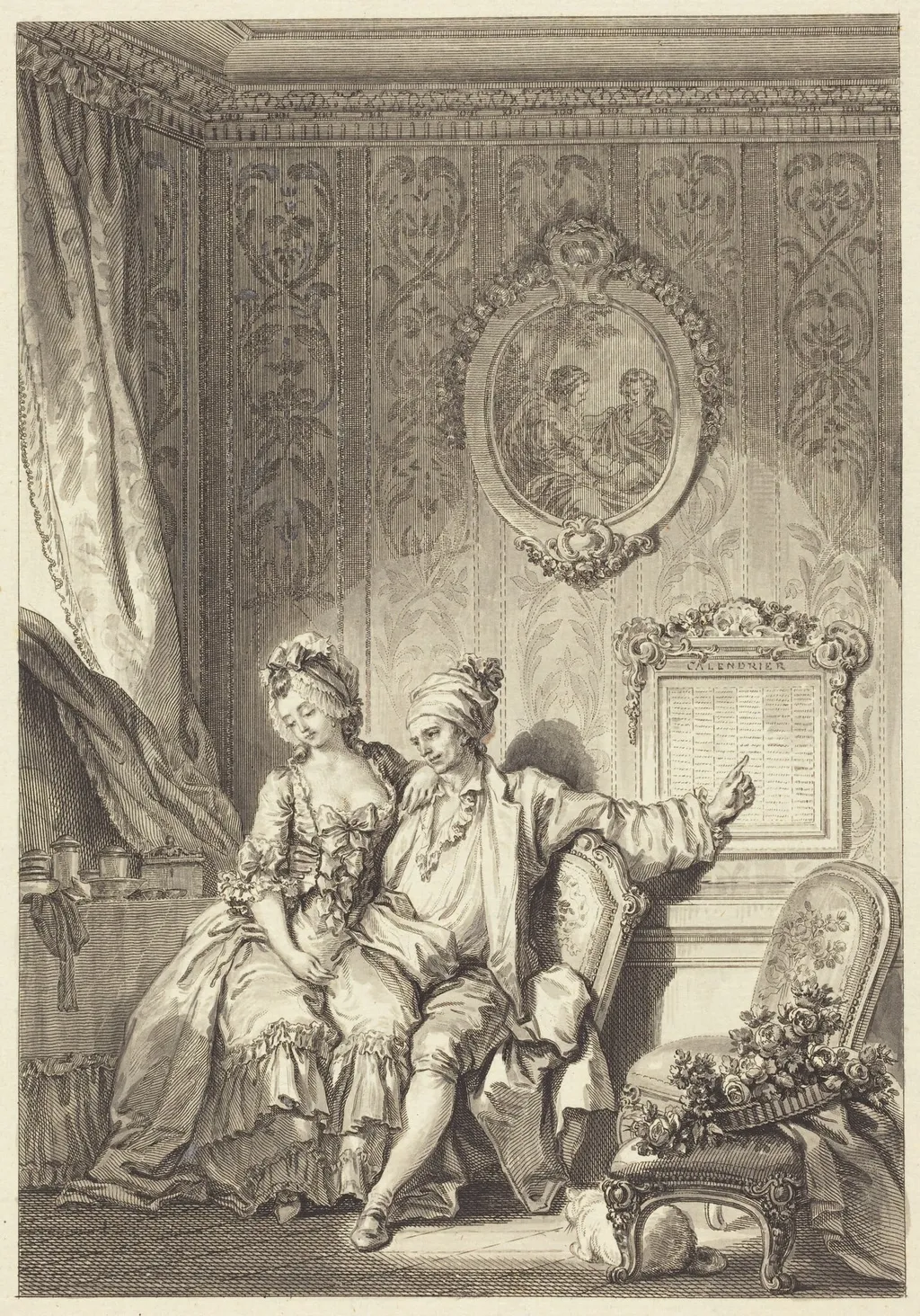
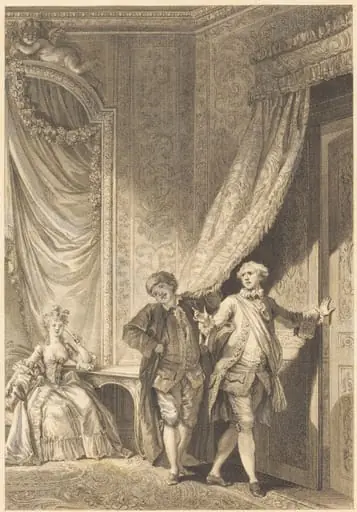
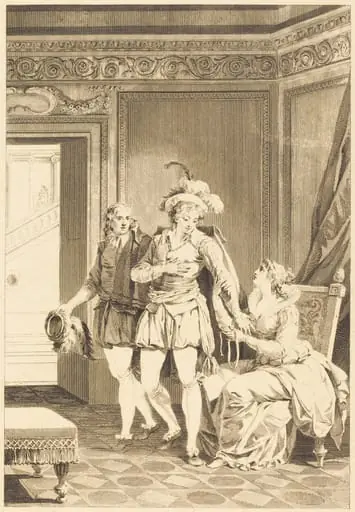
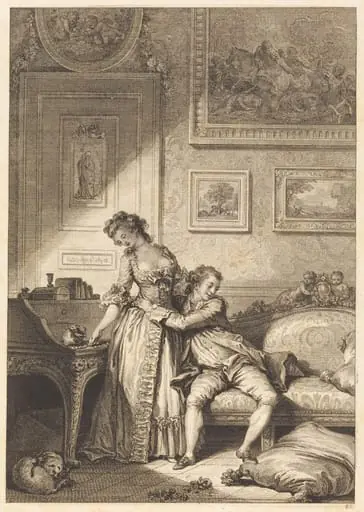
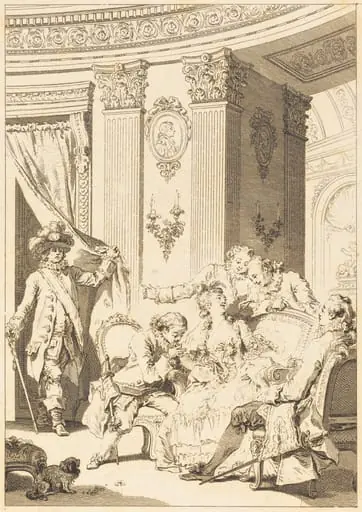
Le calendrier des viellards is an ink print by the Baroque artist Jean Dambrun. It dates from 1774 and is held in the collection of the National Gallery of Art.
About this work
Overview
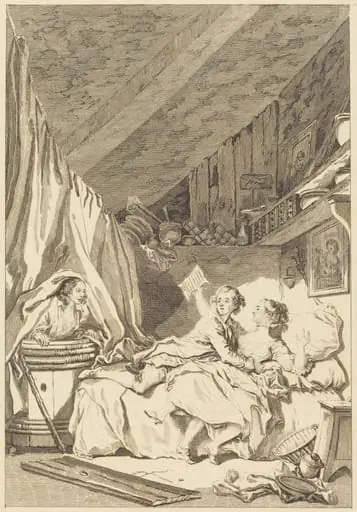
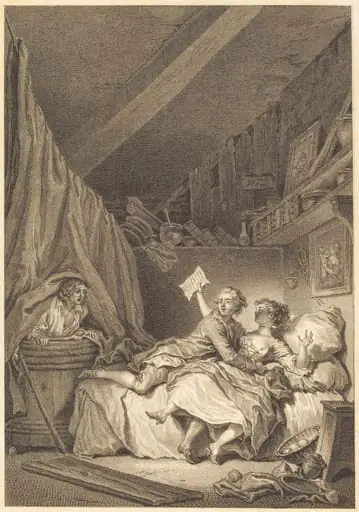
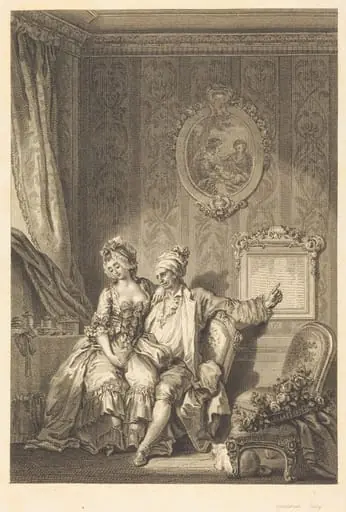
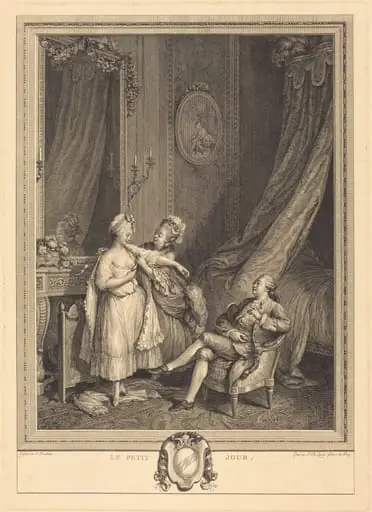
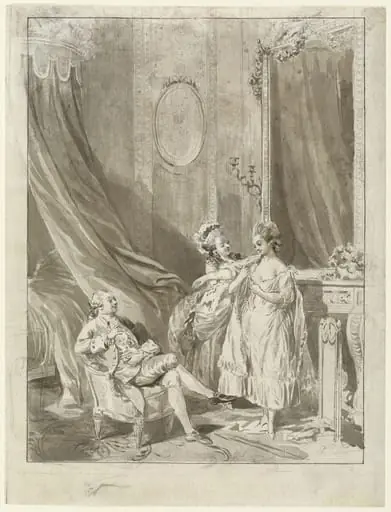
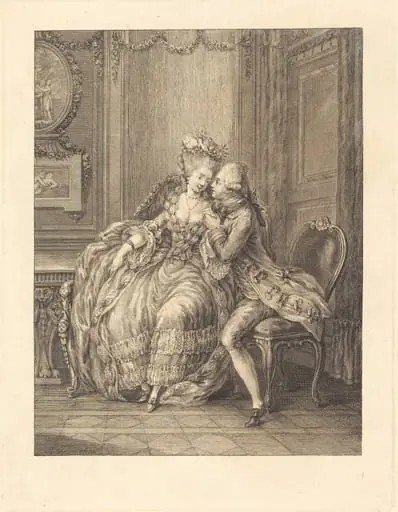
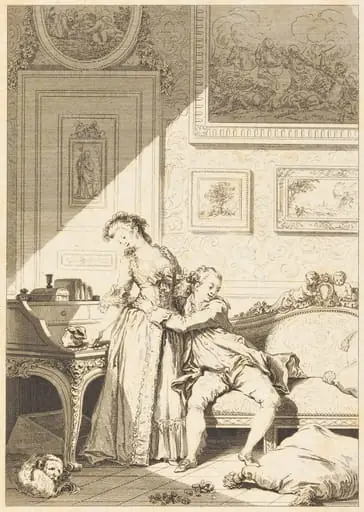
Jean Dambrun’s 1774 etching, titled *Le calendrier des viellards*, presents a domestic interior in which a couple engages with a wall‑mounted calendar. Rendered in fine line work and enriched with touches of China ink, the print captures a moment of everyday life through meticulous observation of clothing, furnishings, and decorative motifs.
Subject & Meaning
The scene depicts a man in a long coat and hat directing the attention of a woman, whose dress is accented by a bow in her hair, toward the calendar. Their interaction suggests a shared concern with the passage of time or the organization of daily affairs, a theme common in eighteenth‑century genre imagery.
Technique & Style
Dambrun employed traditional copper‑plate etching, enhancing the linear network with China ink to deepen shadows and accentuate texture. The work’s precise hatching and attention to surface detail reflect the realistic aesthetic of the period, emphasizing the tactile qualities of fabrics, woodwork, and ornamental patterns.
History & Provenance
Created in 1774, the print is documented as part of Dambrun’s output during a prolific phase of his career. While specific ownership records are sparse, the work has appeared in several nineteenth‑century collections of French prints, indicating its circulation among connoisseurs of genre scenes.
Context
The etching belongs to a broader French tradition of domestic genre prints that illustrated everyday activities for a growing middle‑class audience. Its focus on a calendar aligns with contemporary interests in chronology, bookkeeping, and the regulation of household life during the Enlightenment.
Legacy
Although not as widely reproduced as other prints of its era, *Le calendrier des viellards* remains a valuable example of late‑Baroque French printmaking, offering insight into both the technical skill of its creator and the social preoccupations of the time.
Artist & collection