Artwork
The Massacre of the Innocents
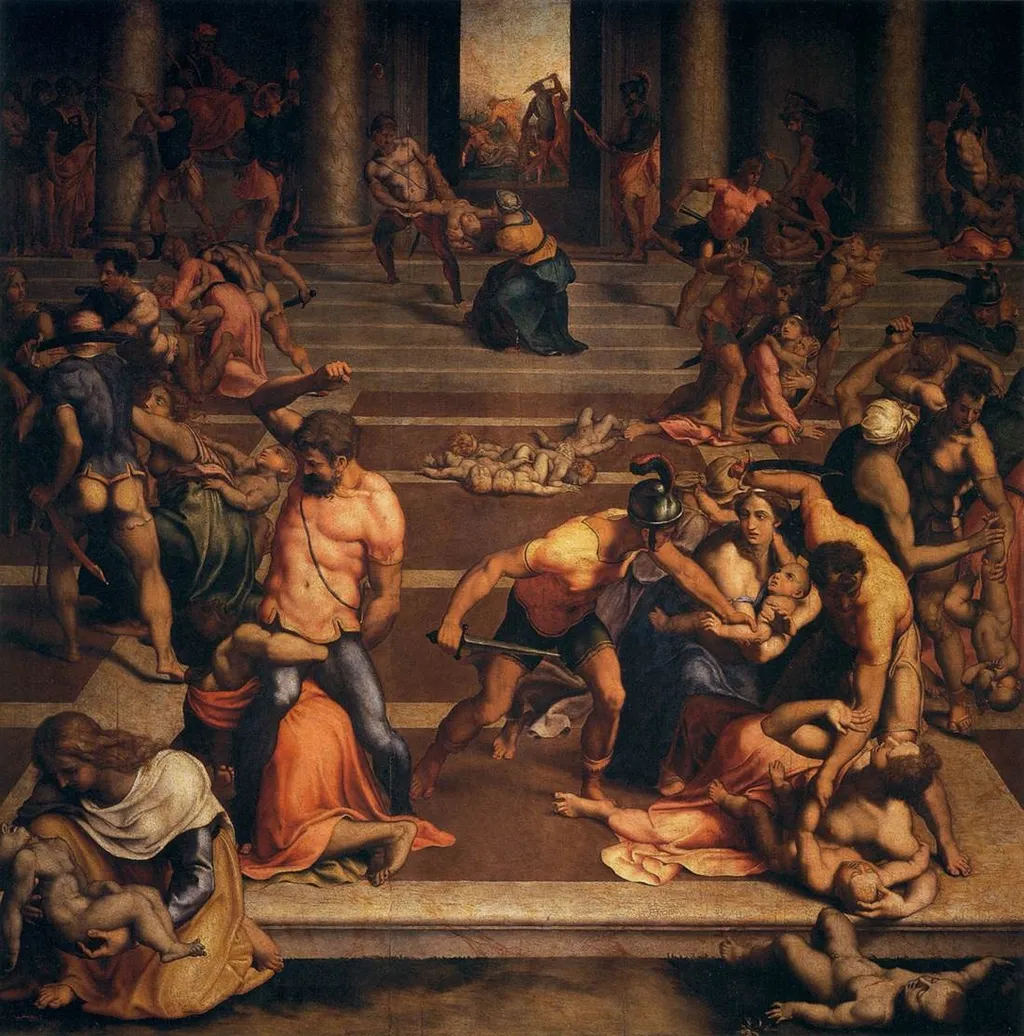
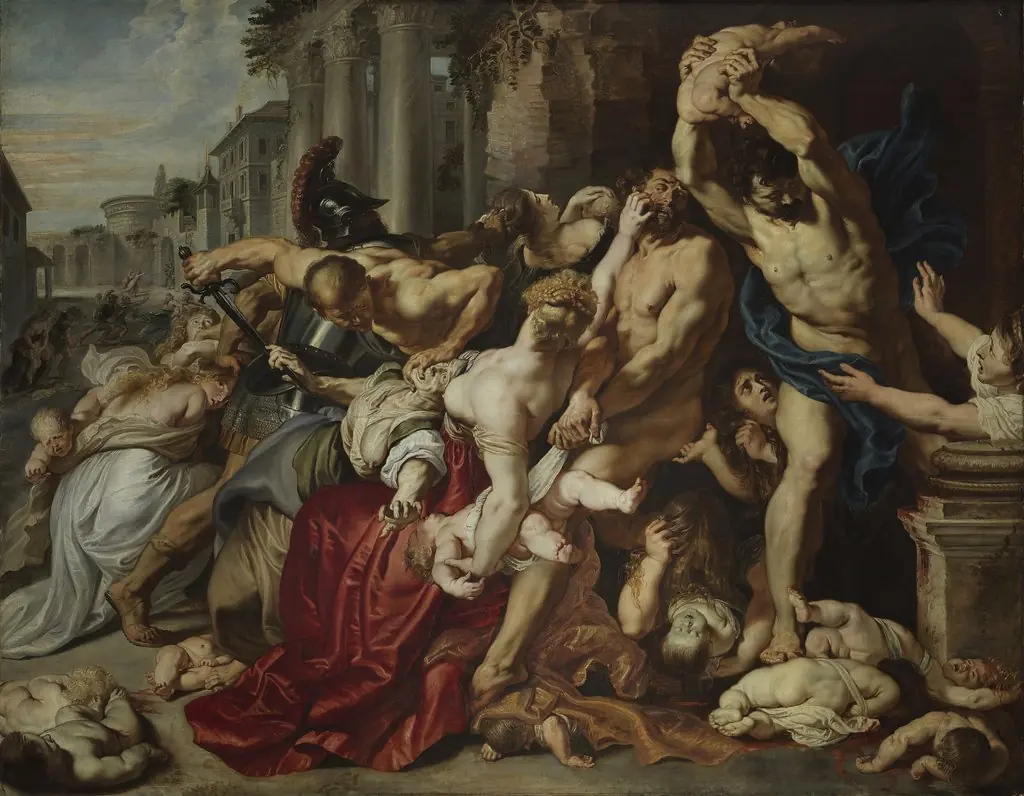
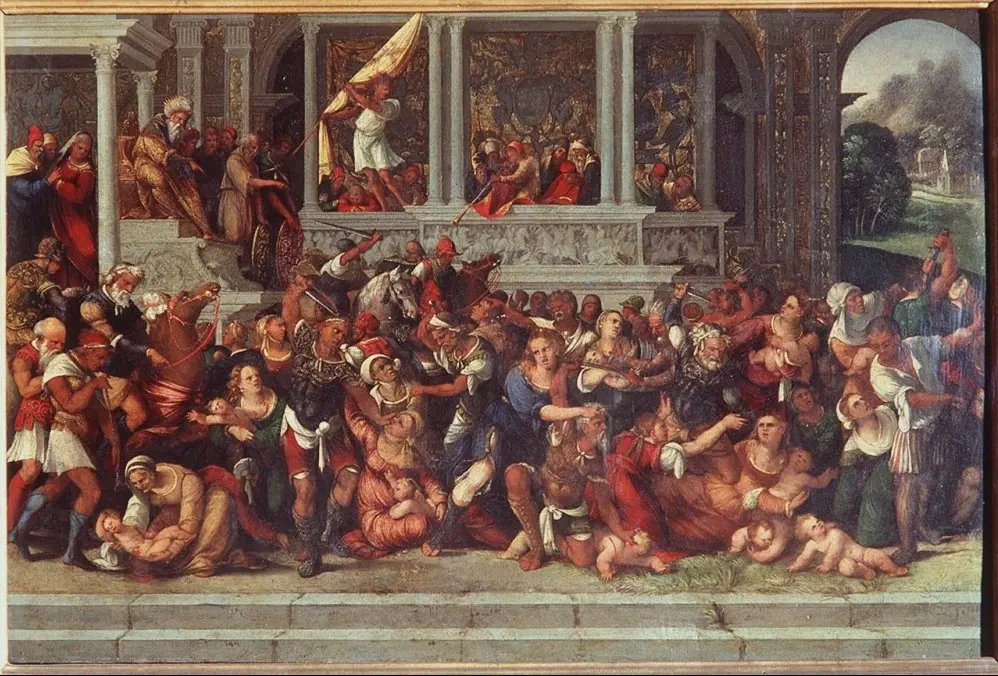
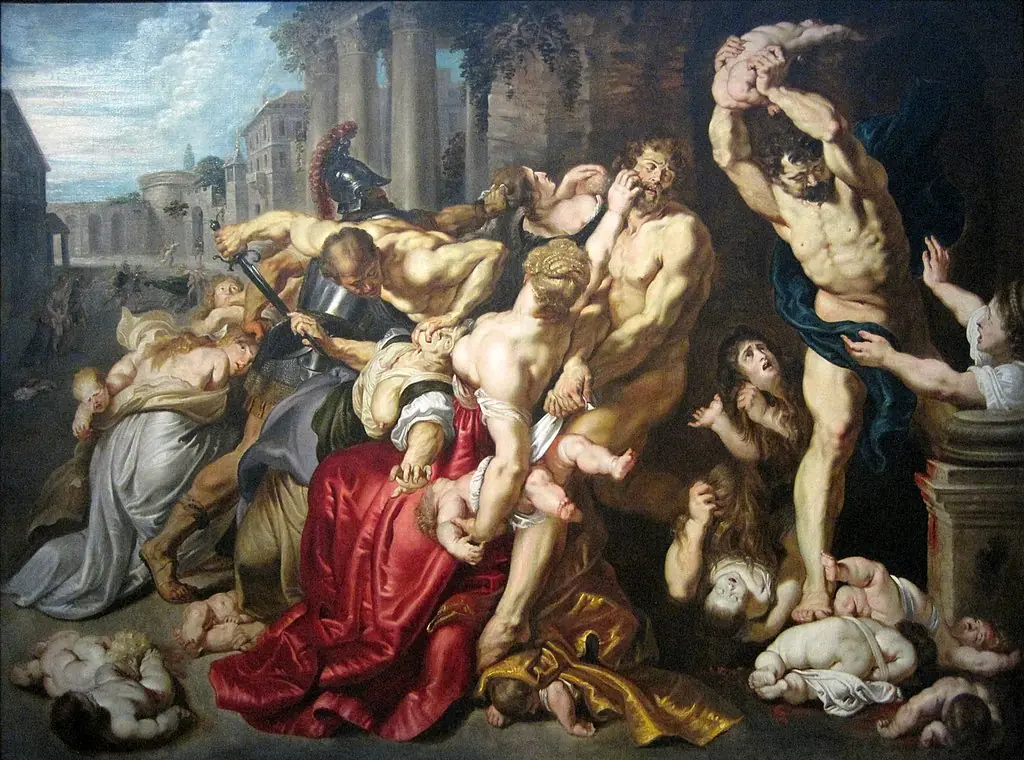
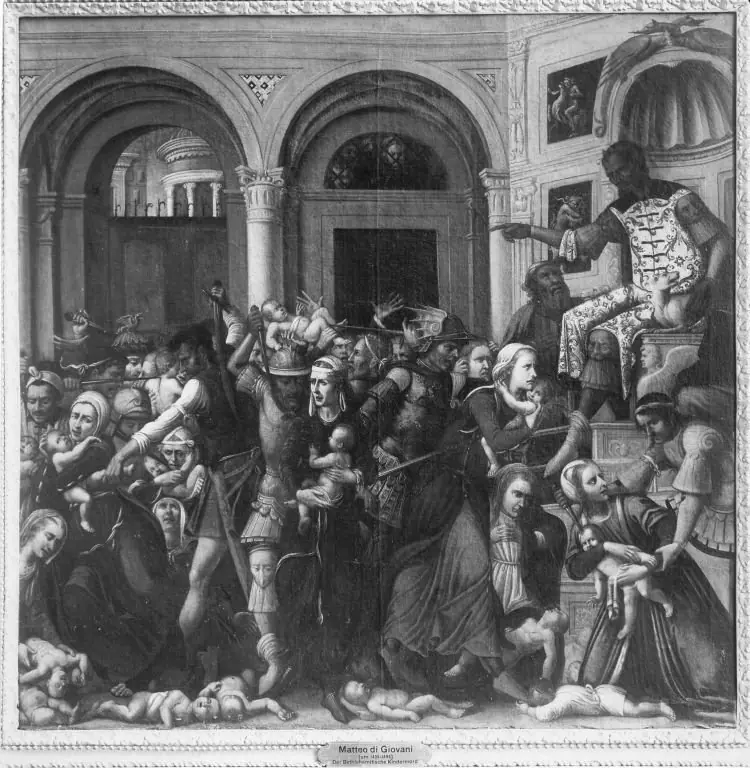
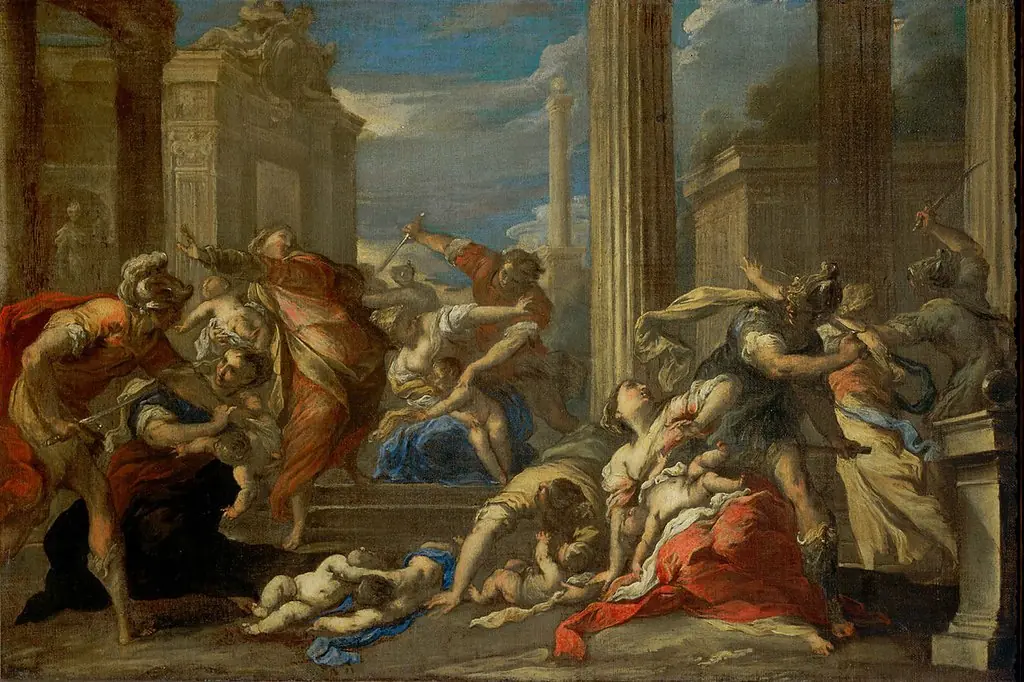
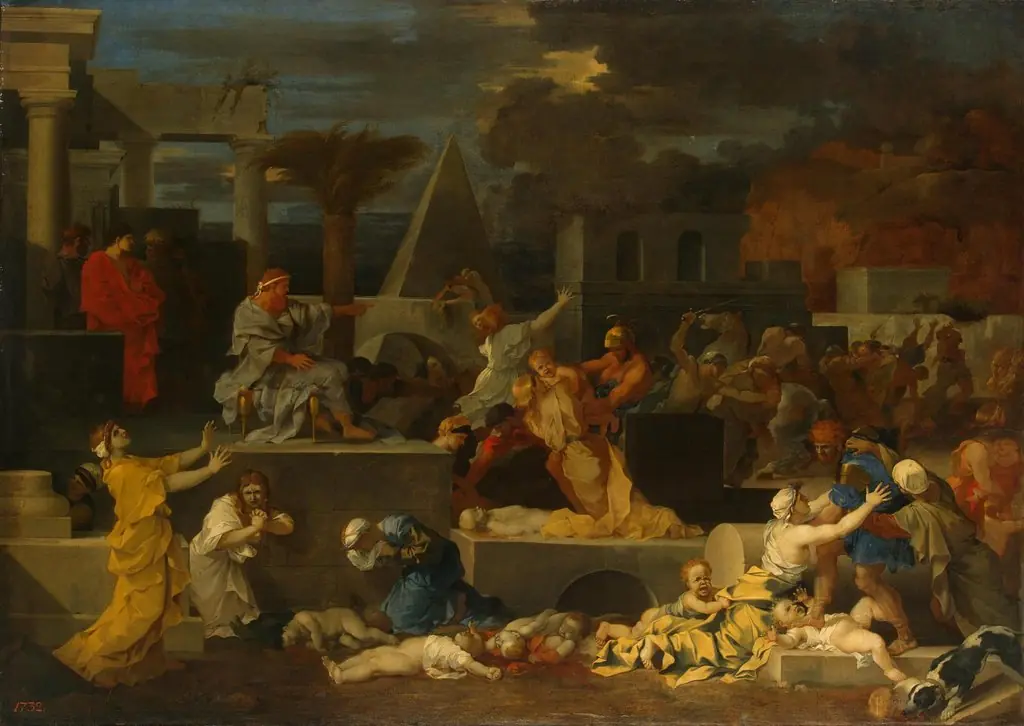
The Massacre of the Innocents is an oil painting by the Mannerist artist Daniele da Volterra. It dates from 1557 and is held in the collection of the Uffizi Gallery.
About this work
Overview
It belongs to a small group of his surviving paintings held there, including religious subjects like the Madonna and Child with the Infant John the Baptist.
Painted in 1557, The Massacre of the Innocents is an oil-on-panel work by Daniele da Volterra, now part of the Uffizi Gallery’s collection in Florence. It belongs to a small group of his surviving paintings held there, including religious subjects like the Madonna and Child with the Infant John the Baptist. The painting confronts viewers with a violent biblical episode, rendered with intense emotional weight and careful attention to human suffering.
Subject & Meaning
The scene illustrates Herod’s order to kill all male infants in Bethlehem, as recounted in the Gospel of Matthew. Da Volterra focuses on the raw anguish of mothers shielding their children from armed soldiers, emphasizing the vulnerability of the innocent. The brutality is not glorified; instead, the composition underscores the moral horror of state-sanctioned violence against the defenseless, reflecting Counter-Reformation concerns with martyrdom and divine justice.
Technique & Style
Da Volterra employs chiaroscuro to heighten the drama, contrasting dark, turbulent shadows with the pale flesh of victims and grieving mothers. Figures are rendered with muscular tension and angular poses, conveying physical struggle and emotional collapse. The classical drapery of the women and the architectural backdrop lend a timeless quality, anchoring the biblical narrative in a world that feels both ancient and urgently present.
History & Provenance
Commissioned during the mid-16th century, the painting entered the Medici collection before becoming part of the Uffizi’s permanent holdings. Its survival through centuries of political and religious upheaval suggests it was valued for its moral gravity rather than decorative appeal. No significant alterations or restorations are documented, preserving the artist’s original composition and emotional intensity.
Context
Created during the height of the Counter-Reformation, the work aligns with Catholic efforts to reaffirm faith through emotionally charged religious imagery. Da Volterra, known for his association with Michelangelo, infused his style with sculptural solidity and psychological depth. The painting’s grim subject matter resonated with contemporary anxieties about persecution, power, and the cost of obedience to divine will.
Legacy
Though less widely known than other Renaissance treatments of the theme, Da Volterra’s version stands as a sober, unadorned meditation on violence. Its restrained palette and unflinching focus on human suffering distinguish it from more theatrical interpretations. It remains a quiet but potent testament to the artist’s commitment to conveying moral gravity through visual narrative.
Artist & collection
Artist
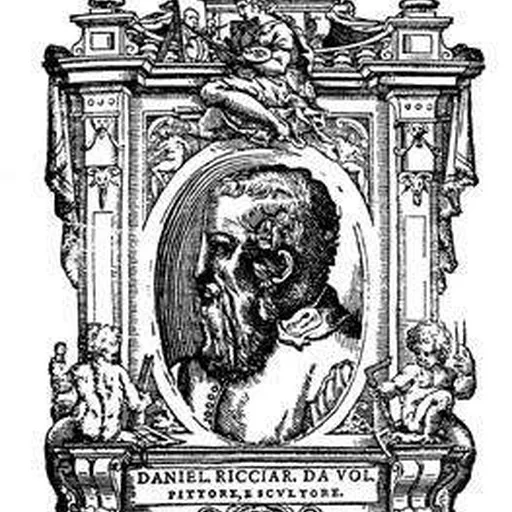
Daniele Ricciarelli (Italian: ; c. 1509 – 4 April 1566), better known as Daniele da Volterra (, Italian: ), was a Mannerist Italian painter and sculptor. He is best remembered for his association with Michelangelo.…