Artwork
Amiral de Rigny
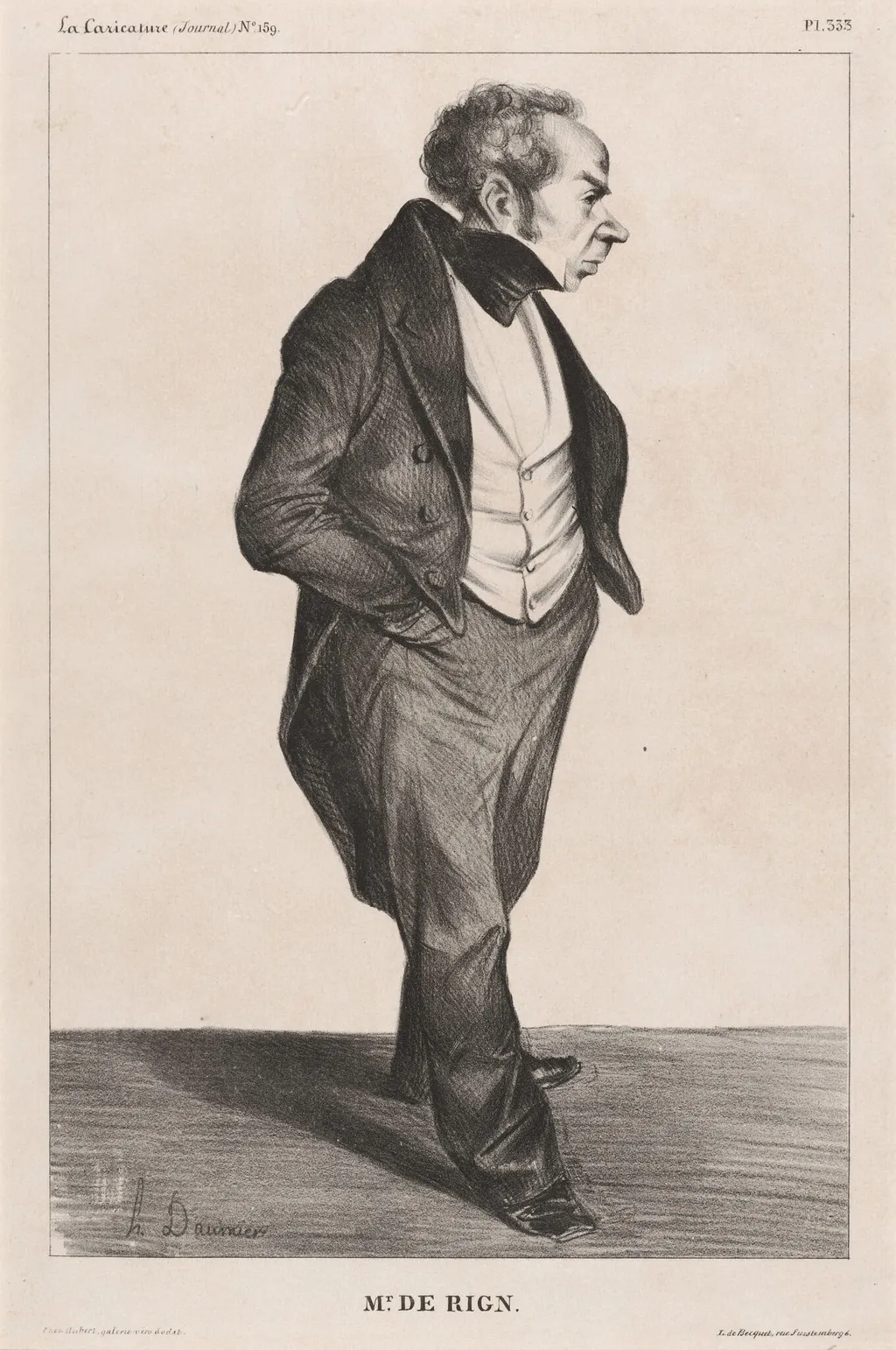
Amiral de Rigny is an ink print by the Romanticist artist Honoré Daumier. It dates from 1833 and is held in the collection of the National Gallery of Art.
About this work
Overview
Created in 1833, this lithographic print by French artist Honoré Daumier depicts Admiral de Rigny, a naval officer of the period. Executed in black and white, the image shows the figure in profile, dressed in a long coat and high‑collared shirt, one hand tucked into his pocket, gazing to the side. Daumier’s signature appears in the lower corner, confirming his authorship.
Subject & Meaning
The portrait targets Admiral de Rigny, a prominent military figure, and reflects Daumier’s habit of rendering public personalities with a satirical edge. While the composition is straightforward, the sketchy line work hints at a subtle critique, aligning with the artist’s broader engagement with political commentary during a turbulent era in French history.
Technique & Style
Executed as a lithograph, the work relies on a stone‑based printing process that allows for fluid, expressive lines. Daumier’s handling of the medium yields a rough, sketch‑like quality, emphasizing the figure’s posture and attire while maintaining a sense of immediacy characteristic of his caricatural approach.
History & Provenance
Daumier, who earned his livelihood producing caricatures for periodicals such as La Caricature and Le Charivari, originally published the print in a magazine rather than as a standalone artwork. The piece thus circulated among readers, contributing to the artist’s reputation as a visual commentator on contemporary affairs.
Context
The early 1830s were marked by political upheaval in France, with tensions between republican ideals and monarchical authority. Daumier’s republican sympathies informed his practice of lampooning figures of power, and this lithograph fits within that larger pattern of socially engaged printmaking.
Artist & collection

Artist
Honoré-Victorin Daumier was a French painter, sculptor, and printmaker, whose many works offer commentary on the social and political life in France, from the Revolution of 1830 to the fall of the Second French Empire in 1870.









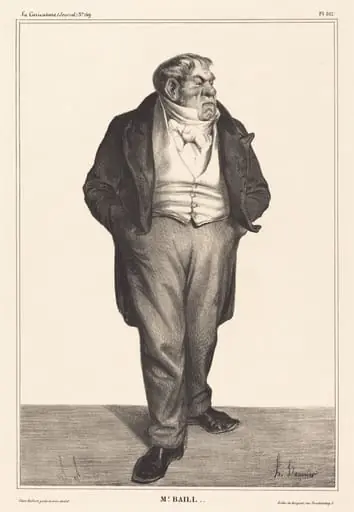 Baillot
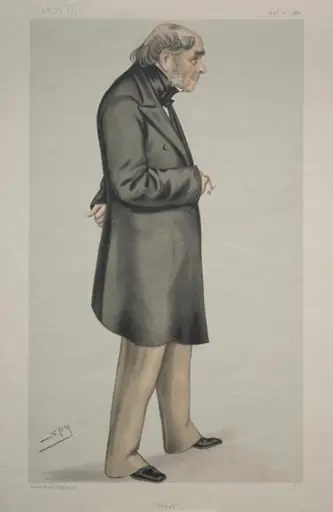 Steel
Steel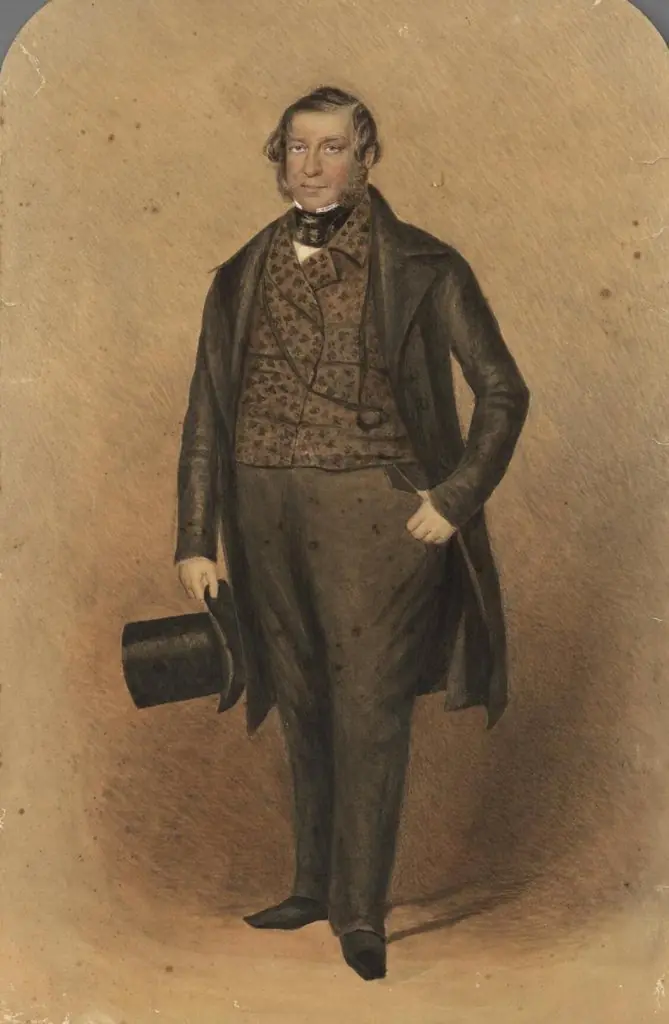 Frederick Augustus Jones
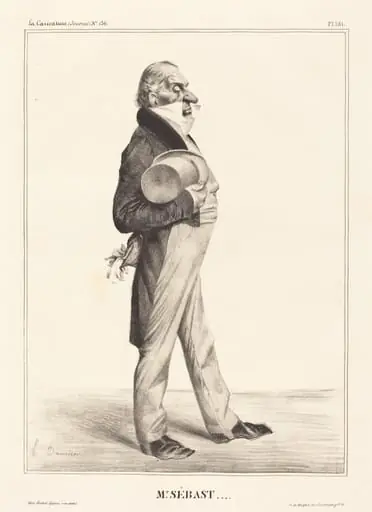 Comte Horace Sébastiani
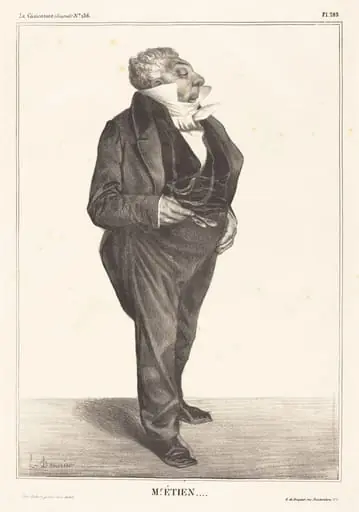 Charles Guillaume Étienne
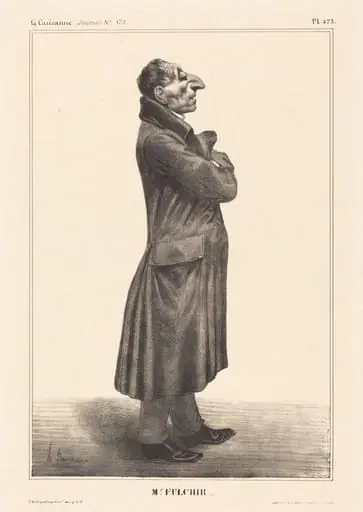 J. Claude Fulchiron
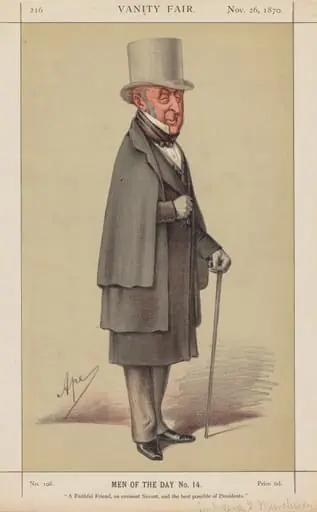 Vanity Fair: Men of the Day No. 14 "A Faithful Friend, an eminent Savant, and the best possible of Presidents"
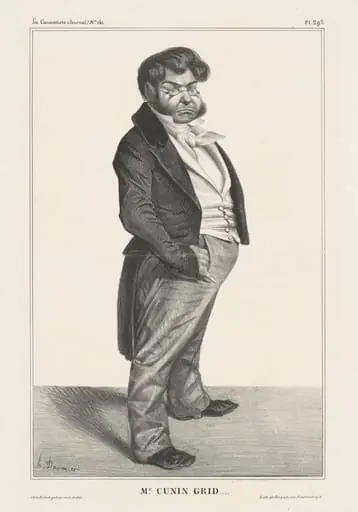 Mr. Cunin Grid...(Cunin-Gridaine)
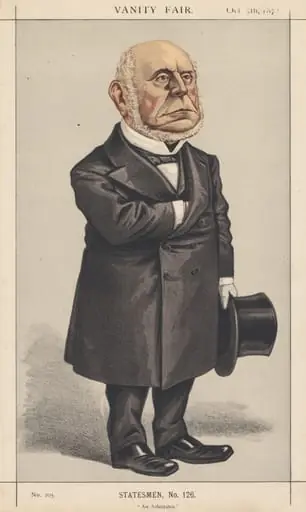 Vanity Fair: Statesman, No. 126 "An Arbitrator"
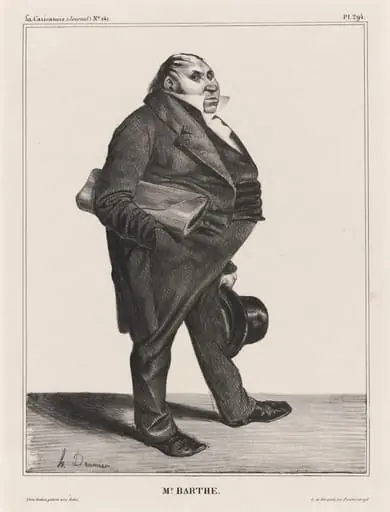 Félix Barthe