Artwork
Mr. Cunin Grid...(Cunin-Gridaine)
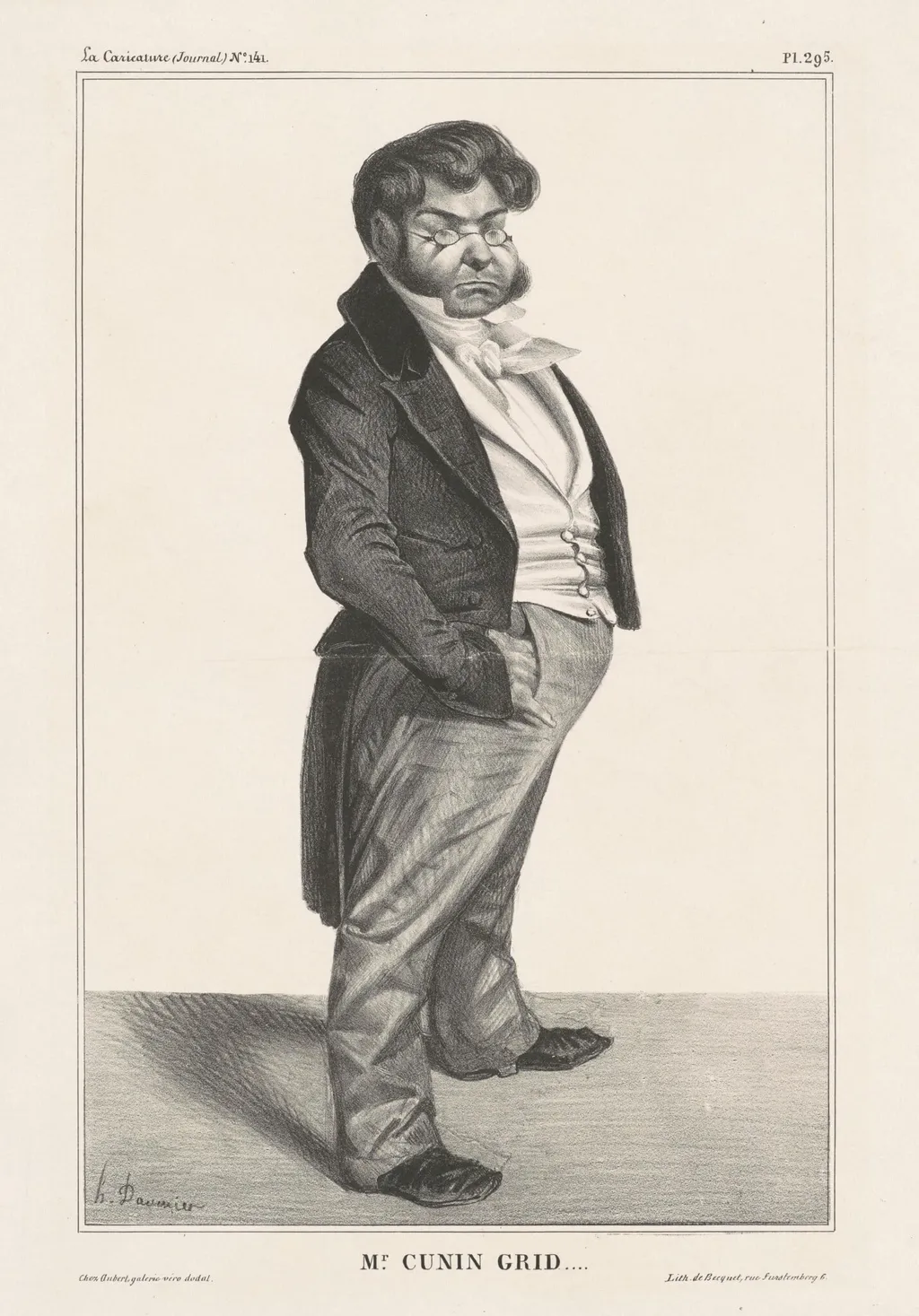
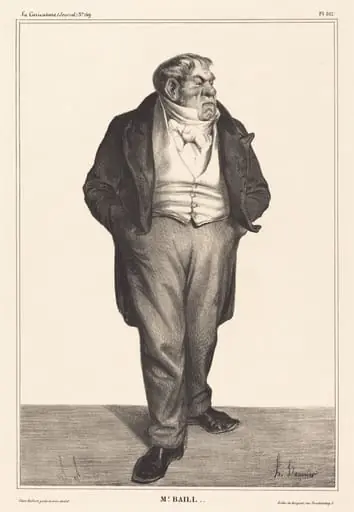
Mr. Cunin Grid...(Cunin-Gridaine) is an ink print by the Romanticist artist Honoré Daumier. It dates from 1833 and is held in the collection of the National Gallery of Art.
About this work
Overview
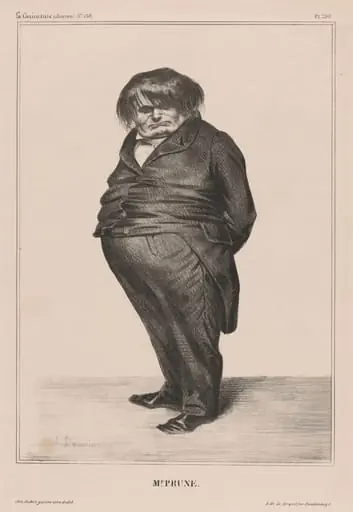
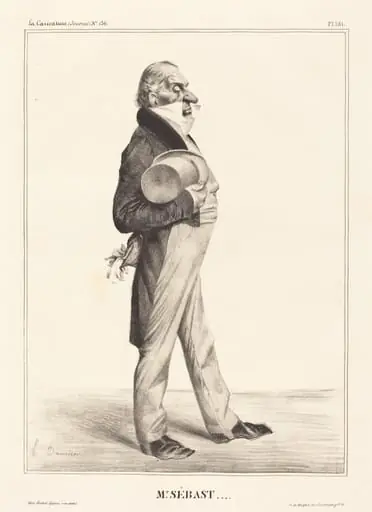
Honoré Daumier’s 1833 lithograph, titled *Mr. Cunin Grid…(Cunin‑Gridaine)*, depicts a solitary male figure. He stands upright, hands tucked into the pockets of a dark tailcoat, his light trousers contrasting with the coat. The composition is set against an unadorned backdrop, allowing the subject’s posture and shadow to dominate the visual field.
Subject & Meaning
The sitter’s pronounced facial features and the confident stance convey a sense of self‑assurance, while the pronounced shadow beneath him hints at an underlying commentary on social identity. Daumier often used such straightforward portraiture to subtly critique the character and status of his contemporaries.
Technique & Style
Executed in lithography, the work relies on the medium’s capacity for fine line work and tonal variation. Daumier’s handling of light and shadow, especially the emphasized silhouette, reflects the 19th‑century French print tradition that favored clear, direct representation over elaborate background detail.
Context
In the early 1830s, portrait prints were a common vehicle for social observation in France. Daumier’s choice of a plain background aligns with the period’s aesthetic, focusing attention on the individual as a symbol of broader societal traits rather than on narrative scenery.
Artist & collection
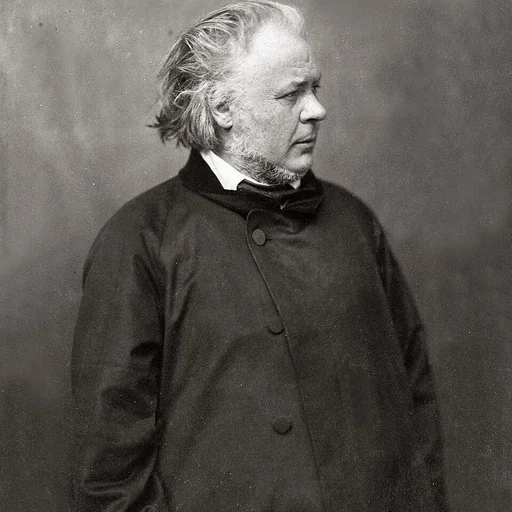
Artist
Honoré-Victorin Daumier was a French painter, sculptor, and printmaker, whose many works offer commentary on the social and political life in France, from the Revolution of 1830 to the fall of the Second French Empire in 1870.