Artwork
Antony Thouret
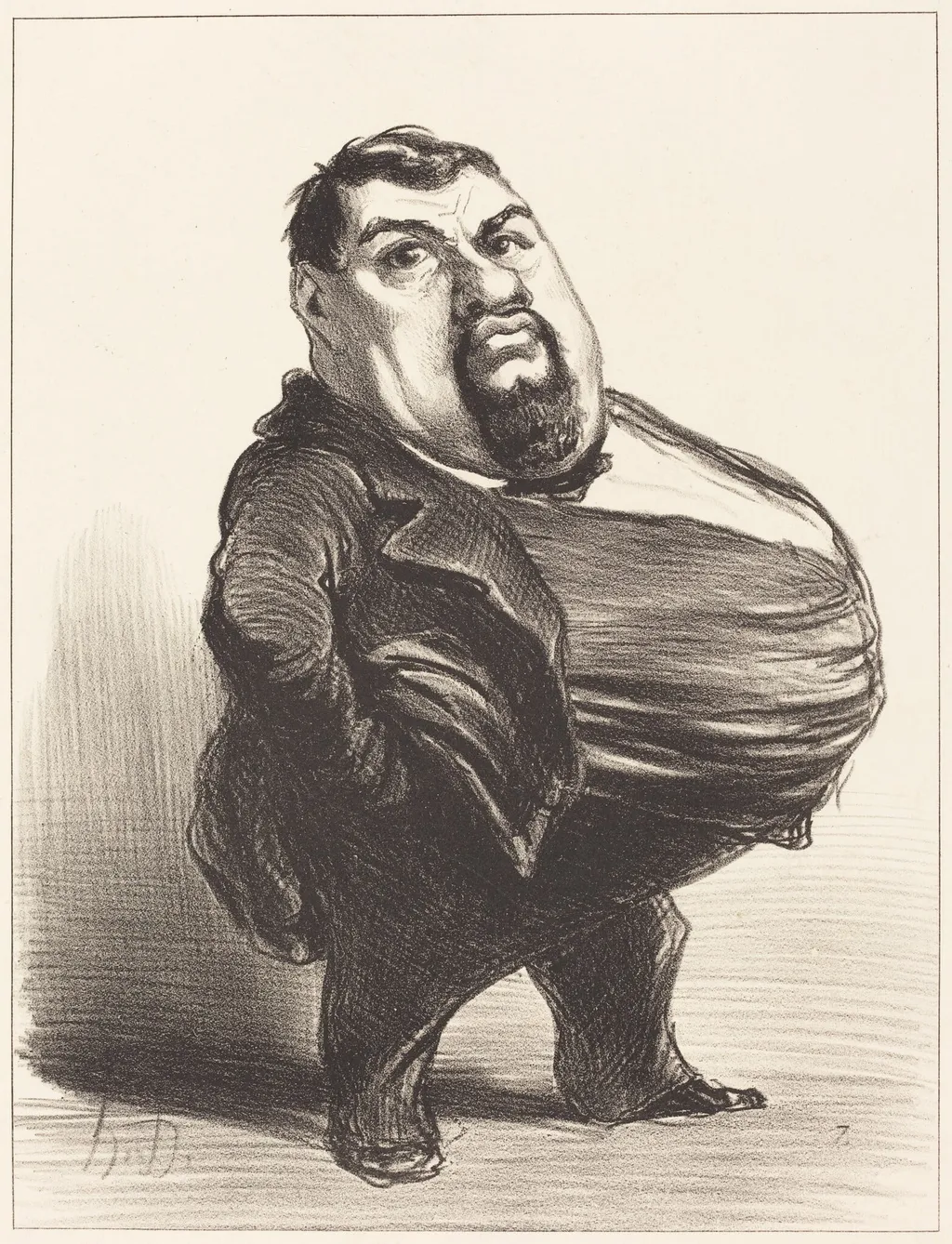
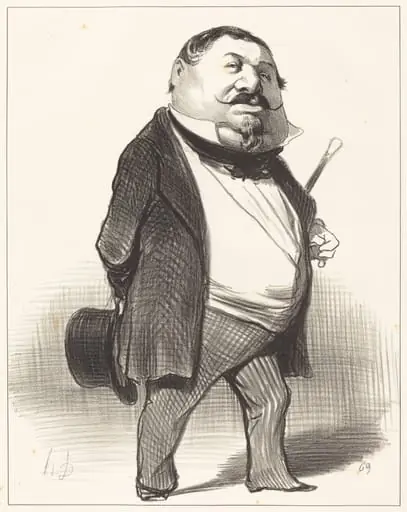
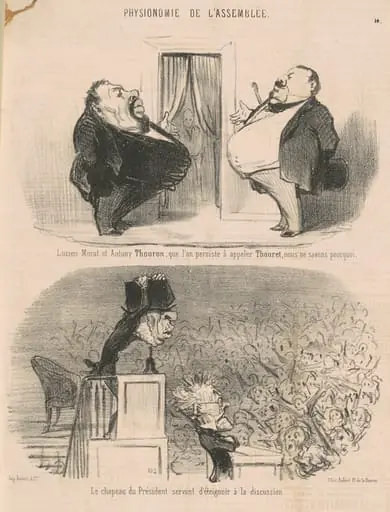
Antony Thouret is an ink print by the Romanticist artist Honoré Daumier. It dates from 1849 and is held in the collection of the National Gallery of Art.
About this work
Overview
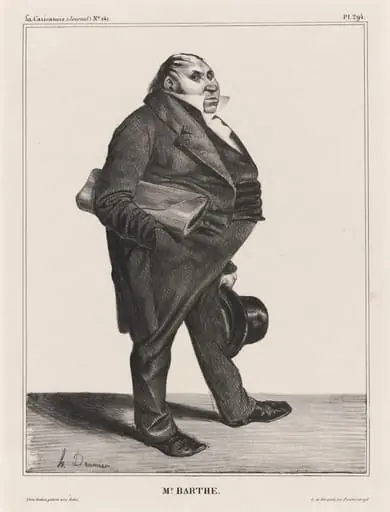
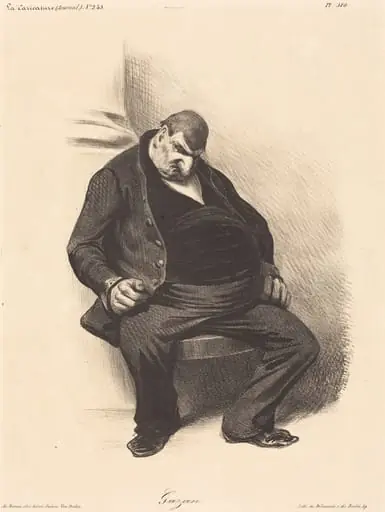
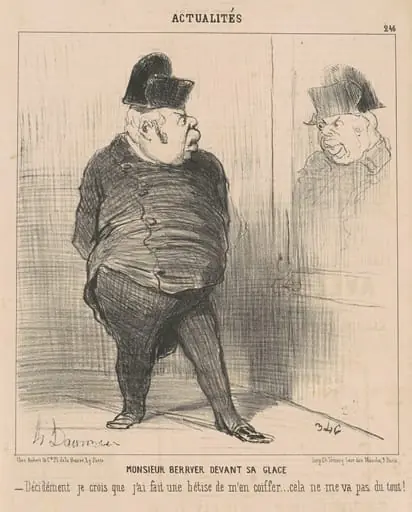
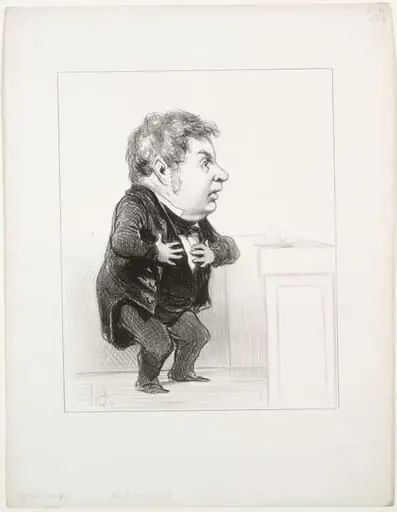
Antony Thouret is a lithograph print by Honoré Daumier, created in 1849. The work features a solitary figure in a dramatic pose, characterized by the artist's signature exaggerated facial and bodily features.
Subject & Meaning
The subject, Antony Thouret, is depicted with a serious expression and slight forward lean, set against a subdued, shaded background. His portrayal, with a prominent belly and formal attire, may imply social commentary, though the specific target of Daumier's satire in this work is not explicitly clear from the image alone.
Technique & Style
Daumier employed lithography to create the piece, leveraging the medium for its potential to produce widely distributable, sharp commentary. The image showcases his caricatural approach, with emphasis on expressive, exaggerated forms and effective use of shading to achieve depth.
History & Provenance
Produced in Paris in 1849, Antony Thouret aligns with Daumier's period of prolific contribution to political and social satire through journals like La Caricature and Le Charivari. The work reflects his republican sympathies and critique of contemporary figures.
Context
This lithograph was part of Daumier's broader practice of using print media to engage with and critique the political and social landscape of 19th-century France, targeting a wide audience through popular journals.
Legacy
As part of Daumier's oeuvre, Antony Thouret contributes to the artist's legacy as a pioneering figure in social and political caricature, influencing the development of satire in print media.
Artist & collection
Artist
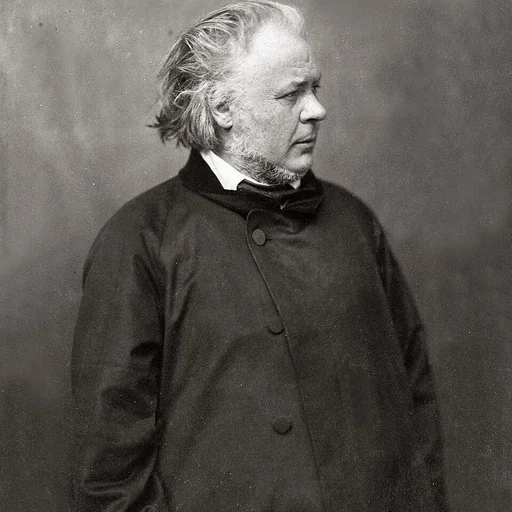
Honoré-Victorin Daumier was a French painter, sculptor, and printmaker, whose many works offer commentary on the social and political life in France, from the Revolution of 1830 to the fall of the Second French Empire in 1870.