Artwork
Gazan
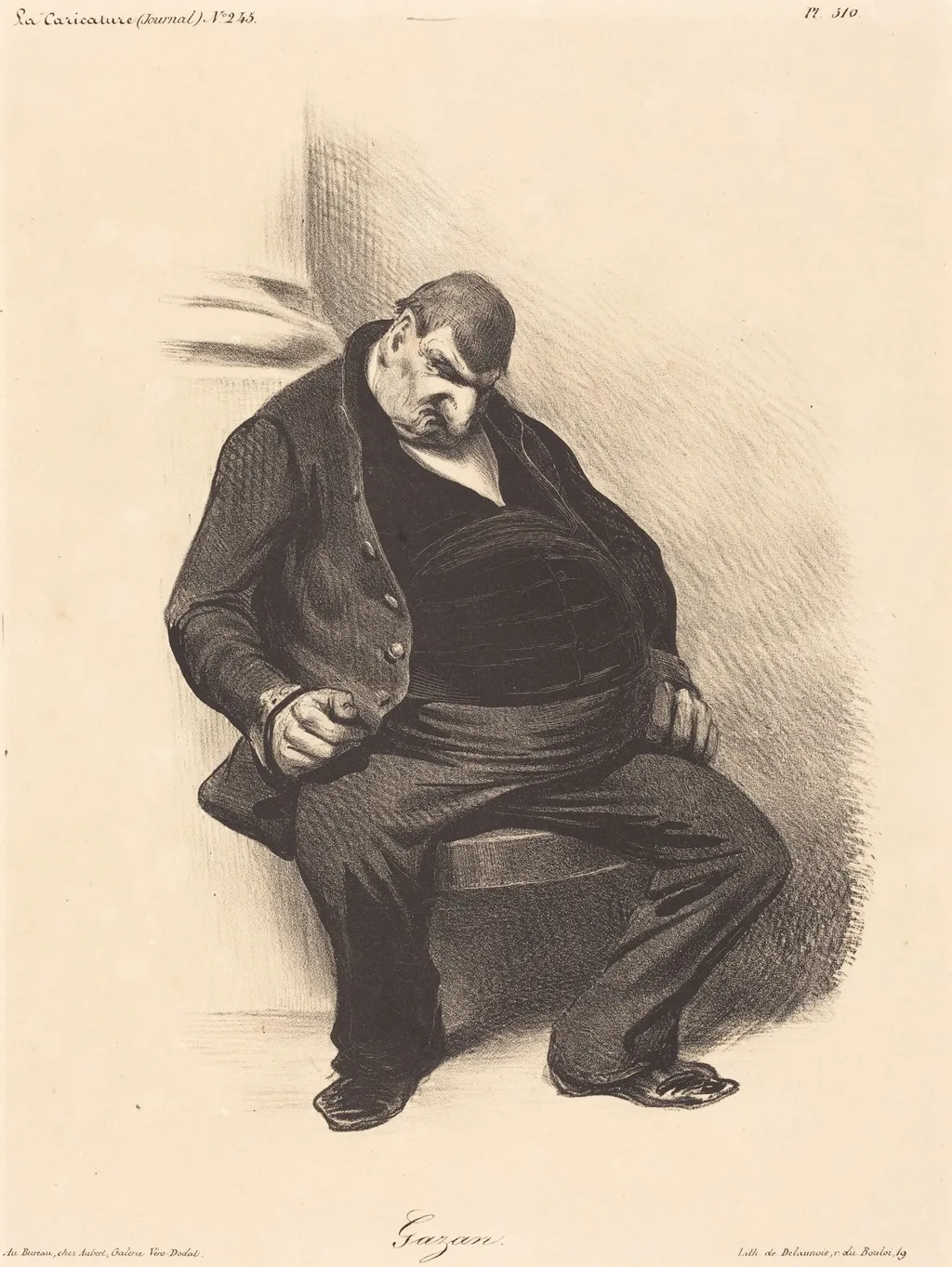
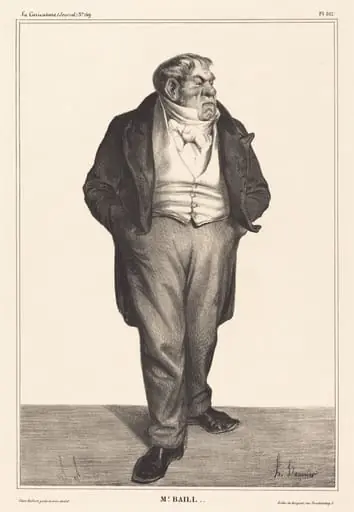
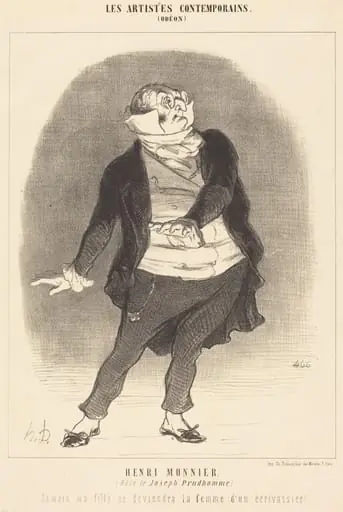
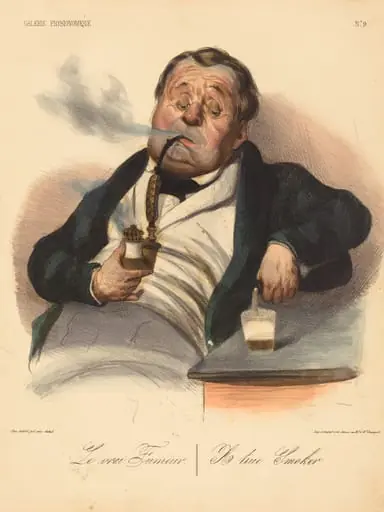
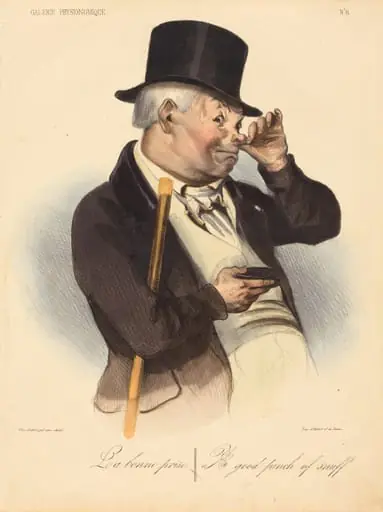
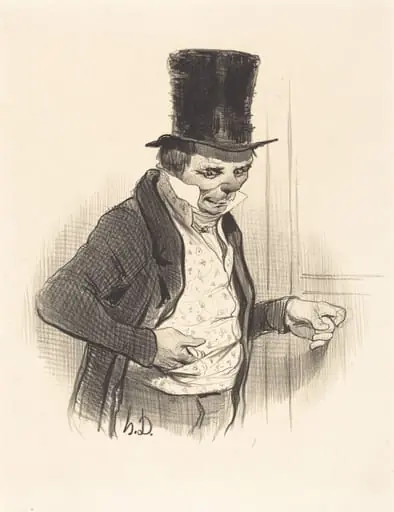
Gazan is an ink print by the Romanticist artist Honoré Daumier. It dates from 1835 and is held in the collection of the National Gallery of Art.
About this work
Overview
Honoré Daumier’s 1835 lithograph *Gazan* is one of many political caricatures he produced for French satirical journals during the July Monarchy.
Honoré Daumier’s 1835 lithograph *Gazan* is one of many political caricatures he produced for French satirical journals during the July Monarchy. Executed in lithography, the work reflects his role as a visual critic of contemporary power structures. Unlike his more famous series targeting judges and bourgeois types, *Gazan* focuses on a single figure whose physicality and expression suggest inner turmoil, aligning with Daumier’s broader interest in human vulnerability under social pressure.
Subject & Meaning
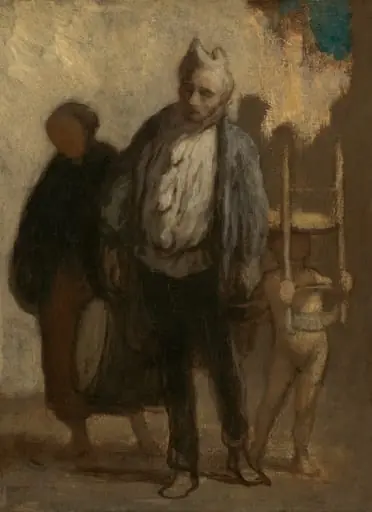
The figure in *Gazan* is a man seated on a stool, hunched forward with his head resting on one hand and the other clenched in a fist. His heavy build and furrowed brow convey a sense of weary resentment, possibly symbolizing the frustrations of ordinary citizens under an oppressive regime. Daumier avoids direct political labeling, instead using bodily language to imply psychological strain, inviting viewers to interpret the subject as a representative of suppressed dissent or moral fatigue.
Technique & Style
Daumier employed lithography to achieve rapid, expressive lines and dense tonal contrasts. The figure emerges from a field of deep shadows, with minimal background detail, focusing attention on the man’s posture and facial tension. His clothing is rendered in broad, simplified forms, while the face is intensely modeled—highlighting the furrowed brow and tight jaw. The technique prioritizes emotional immediacy over realism, characteristic of Daumier’s ability to distill complex social commentary into a single, potent image.
History & Provenance
Created in 1835, *Gazan* was likely published in *La Caricature* or *Le Charivari*, where Daumier regularly contributed under pseudonyms to evade censorship. The print was part of a wave of lithographs that led to his brief imprisonment in 1832 for a previous caricature. Though less documented than his judicial or bourgeois satires, *Gazan* survives as evidence of his consistent engagement with the emotional undercurrents of political life during a period of rising republican sentiment.
Context
During the July Monarchy (1830–1848), France experienced heightened political repression and censorship, particularly targeting satirical press. Daumier’s work operated in this climate of surveillance, using visual metaphor to circumvent direct criticism of the king or government. *Gazan* fits within a broader tradition of French graphic satire that turned personal expression into collective commentary, reflecting public anxiety over inequality, corruption, and the erosion of civil liberties.
Legacy
Though *Gazan* is not among Daumier’s most widely reproduced works, it exemplifies his enduring influence on modern graphic art. His use of the human form to convey systemic discontent prefigured later social realists and expressionists. The lithograph’s emotional precision and restraint—avoiding overt caricature in favor of psychological depth—established a model for political illustration that valued nuance over spectacle, shaping how visual artists would later engage with power and alienation.
Artist & collection
Artist
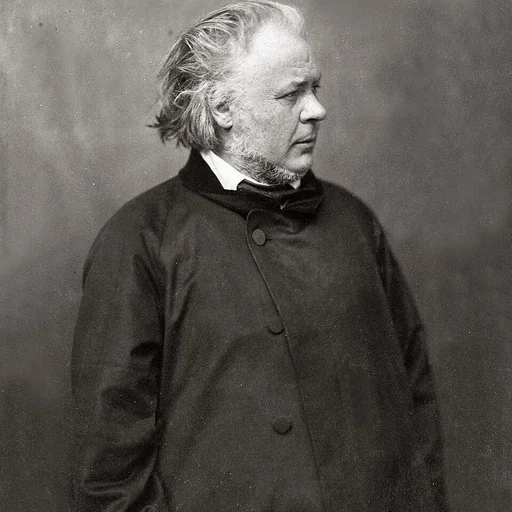
Honoré-Victorin Daumier was a French painter, sculptor, and printmaker, whose many works offer commentary on the social and political life in France, from the Revolution of 1830 to the fall of the Second French Empire in 1870.