Artwork
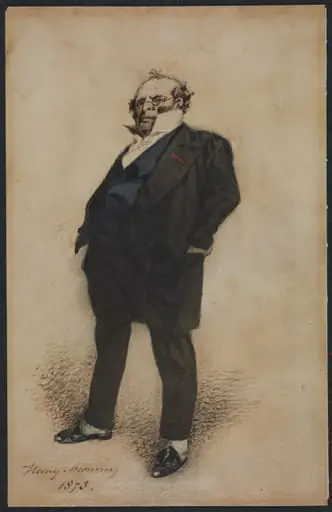
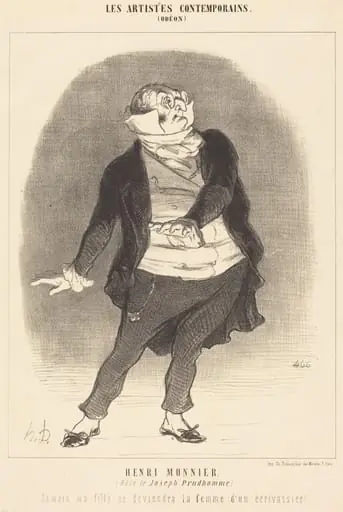
Joseph Prud'homme Standing
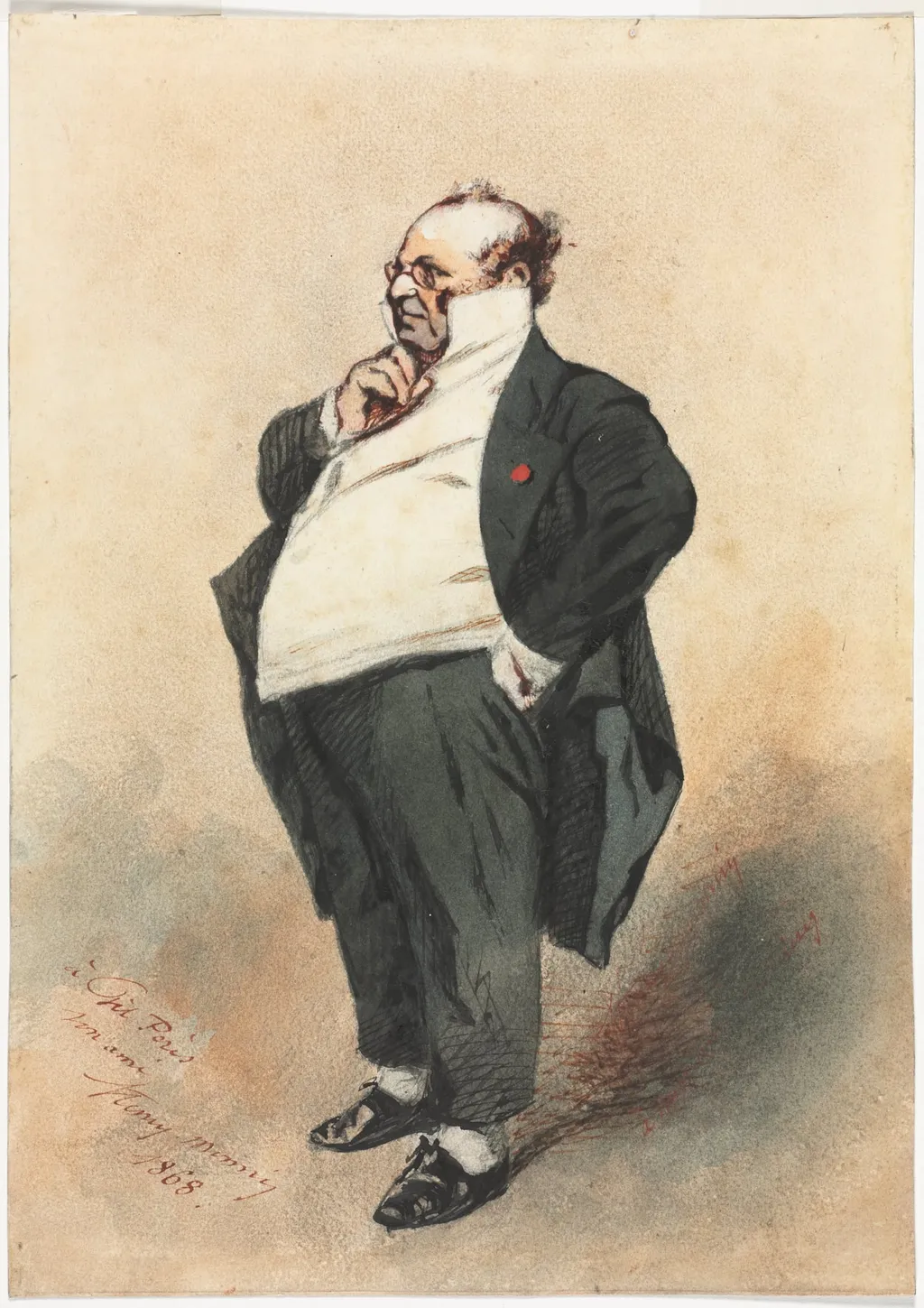
Joseph Prud'homme Standing is a drawing by the Impressionist artist Henry Bonaventure Monnier. It dates from 1868 and is held in the collection of the Cleveland Museum of Art.
About this work
Overview
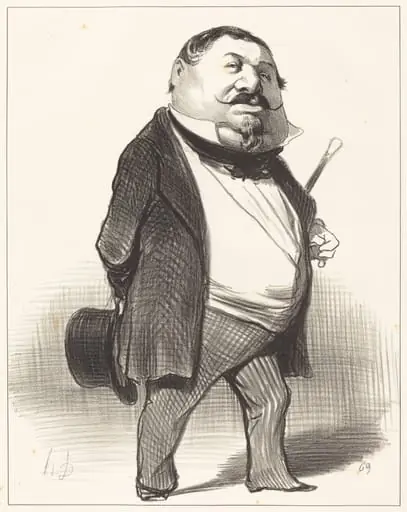
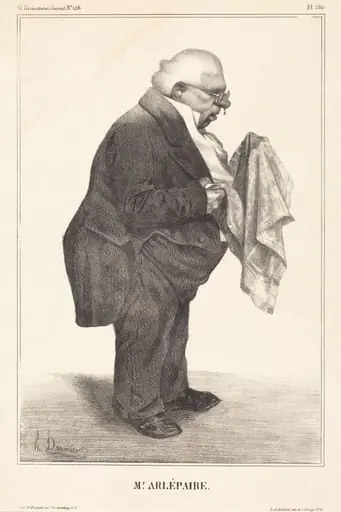
Created in 1868 by Henry Bonaventure Monnier, this drawing depicts a solitary male figure in formal attire. Executed in pencil or ink on paper, it belongs to a series of character studies Monnier produced during the mid-to-late 19th century. The work is part of the collection at The Cleveland Museum of Art, where it is preserved as an example of French observational drawing from the period.
Subject & Meaning
The figure, identified as Joseph Prud'homme, is a fictional archetype representing the French middle-class bourgeois.
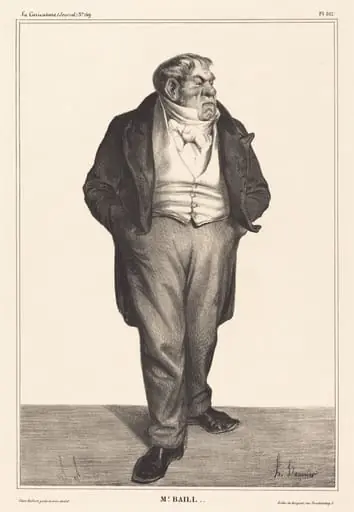
The figure, identified as Joseph Prud'homme, is a fictional archetype representing the French middle-class bourgeois. His stillness, folded hand at the chin, and hand in pocket convey an air of quiet introspection rather than action. Monnier uses this pose to critique the self-absorption and restrained demeanor often associated with urban professionals of the era, transforming a mundane posture into a symbolic portrait of social type.
Technique & Style
Monnier employs subtle tonal contrasts and precise linework to model the figure against a neutral background. The chiaroscuro effect is achieved through graded shading rather than dramatic light, emphasizing volume without theatricality. The restrained palette and attention to fabric folds and facial structure reflect a commitment to naturalism, aligning with Realist principles that favored unembellished observation over idealization.
History & Provenance
The drawing originated as part of Monnier’s broader project documenting French social types, which he published in illustrated journals during the 1850s–70s. It entered the Cleveland Museum of Art’s collection in the 20th century, likely through a donation or acquisition of European drawings. Its provenance traces back to Monnier’s personal archive, preserved by his family before institutional acquisition.
Context
In post-1848 France, artists increasingly turned to everyday subjects as political and social tensions reshaped public life. Monnier’s Prud'homme series responded to this shift, offering satirical yet sympathetic portrayals of the bourgeoisie. These works contrasted with academic history painting, instead valuing the quiet dignity—or absurdity—of ordinary comportment in a rapidly modernizing society.
Legacy
Monnier’s Prud'homme figures influenced later caricaturists and social commentators in France, including Daumier. Though not widely exhibited today, the series remains a touchstone for understanding how 19th-century artists used drawing to interrogate class identity. The Cleveland Museum’s holding preserves one of the most restrained and psychologically nuanced examples of this genre.
Artist & collection