Artwork
Ch. Ferdinand Gambon
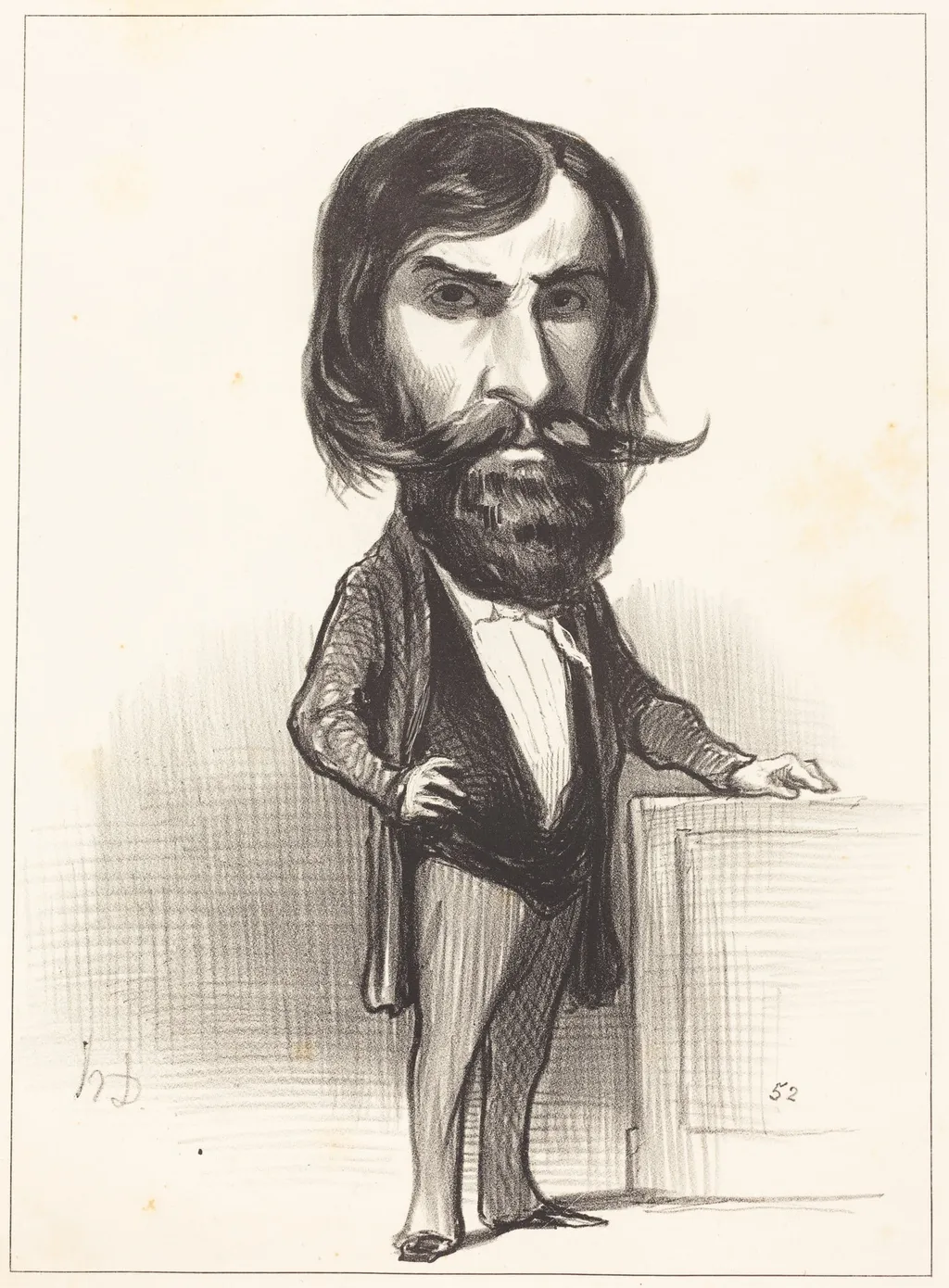
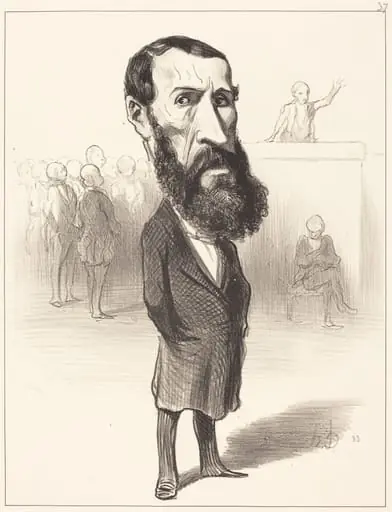
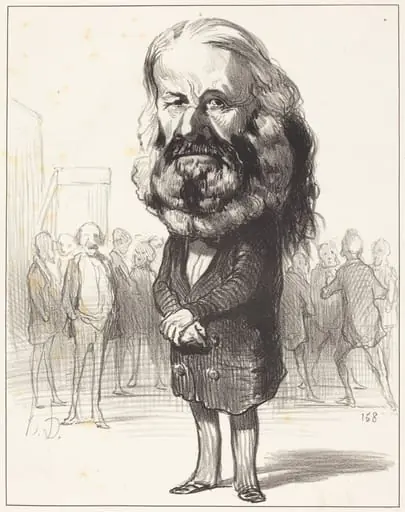
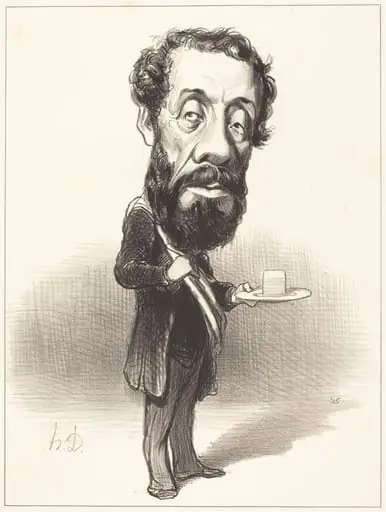
Ch. Ferdinand Gambon is an ink print by the Romanticist artist Honoré Daumier. It dates from 1849 and is held in the collection of the National Gallery of Art. Ch.
About this work
Overview
Ch. Ferdinand Gambon is a 1849 lithograph by Honoré Daumier, depicting the French politician in a satirical light. Characterized by quick, sketchy lines, the black-and-white portrait captures Gambon in a serious demeanor, with a thick mustache and beard, leaning forward with one hand on a table.
Subject & Meaning
The lithograph targets Ferdinand Gambon, a figure of political authority, aligning with Daumier's republican democratic views and his practice of critiquing France's social and political elite through caricature.
Technique & Style
Executed in lithography, the piece showcases Daumier's expressive use of the medium with rapid, sketchy lines, suggesting a possibly swift creation, perhaps from a sitting. This style emphasizes the subject's posture and facial expressions.
History & Provenance
Created during Daumier's tenure with publications like *La Caricature* and *Le Charivari*, the work falls within his prolific output between the 1830 Revolution and the 1870 fall of the Second Empire, reflecting his anti-establishment stance.
Context
Part of a broader body of work critiquing the monarchy, aristocracy, and clergy, *Ch. Ferdinand Gambon* situates itself within 19th-century French political satire, using caricature as a tool for social commentary.
Legacy
As part of Daumier's satirical oeuvre, the lithograph contributes to his legacy as a vocal critic of 19th-century French politics and society, influencing the development of political caricature.
Artist & collection

Artist
Honoré-Victorin Daumier was a French painter, sculptor, and printmaker, whose many works offer commentary on the social and political life in France, from the Revolution of 1830 to the fall of the Second French Empire in 1870.