Artwork
Dire qu'il y a des gens qui boivent de l'absinthe ...
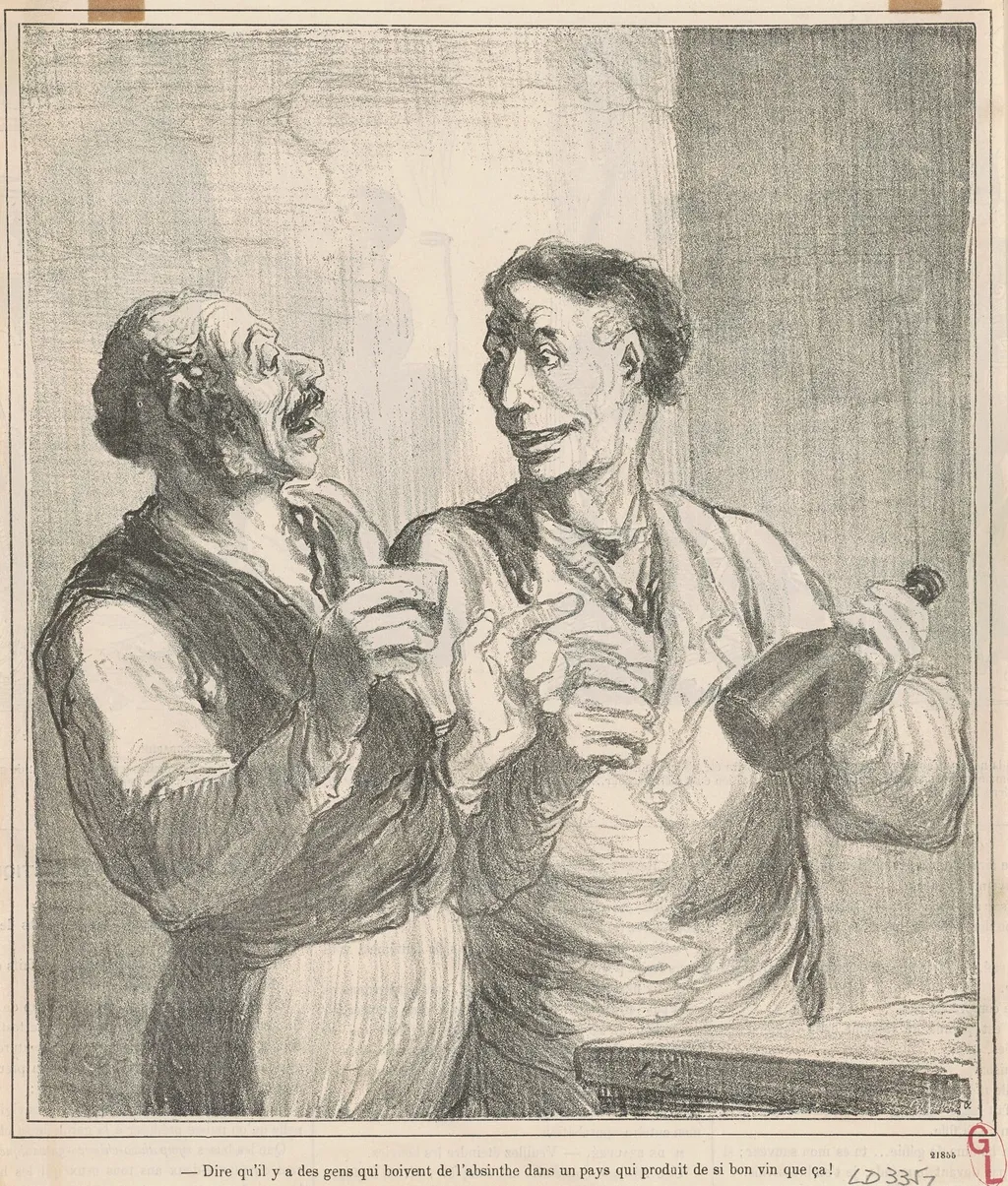
Dire qu'il y a des gens qui boivent de l'absinthe ... is an ink print by the Impressionist artist Honoré Daumier. It dates from 1864 and is held in the collection of the National Gallery of Art. Honoré Dauméer’s lithograph titled Dire qu’il y a des gens qui boivent de l’absinthe… portrays a brief encounter between two men.
About this work
Overview
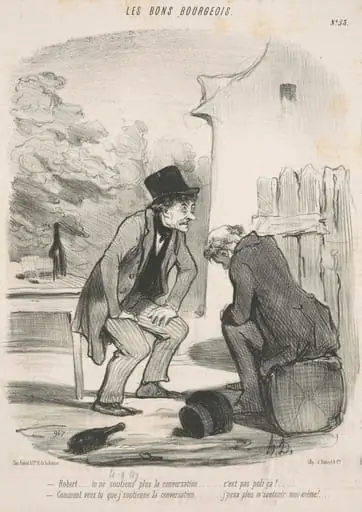
Honoré Dauméer’s lithograph titled Dire qu’il y a des gens qui boivent de l’absinthe… portrays a brief encounter between two men. One figure clutches a bottle, the other a glass, both rendered with distinct facial features that hint at their personalities. The composition is compact, focusing on the exchange of words and the act of drinking, a common pastime in mid‑nineteenth‑century France.
Subject & Meaning
The work captures a moment of casual conversation that doubles as a commentary on the burgeoning absinthe culture of the 1860s‑70s. By isolating the two drinkers, Daumier draws attention to the social rituals surrounding the green spirit, suggesting both camaraderie and the subtle moral ambiguities associated with its widespread consumption.
Technique & Style
Executed as a lithographic print, the image relies on bold line work and stark contrasts to define the figures’ expressions and the bottle’s silhouette. Daumier’s characteristic exaggeration of facial traits is evident, while the limited tonal range underscores the intimate, dimly lit setting typical of his satirical genre scenes.
History & Provenance
Created during Daumier’s prolific period of social satire, the print was issued in the late nineteenth century as part of a series addressing everyday Parisian life. It has since passed through several private collections before entering a public museum holding, where it is cited as an example of his engagement with contemporary drinking customs.
Context
Absinthe, a potent anise‑flavored liquor, had become a symbol of bohemian leisure and moral debate in France. Daumier, known for his incisive portrayals of working‑class realities, frequently incorporated such subjects to critique the excesses and hypocrisies of his time, situating this lithograph within a broader discourse on urban vice.
Legacy
The print remains a reference point for scholars examining visual representations of 19th‑century French social habits. Its straightforward yet pointed depiction of a drinking scene continues to inform studies of Daumier’s oeuvre and the visual culture surrounding absinthe before the drink’s eventual prohibition.
Artist & collection
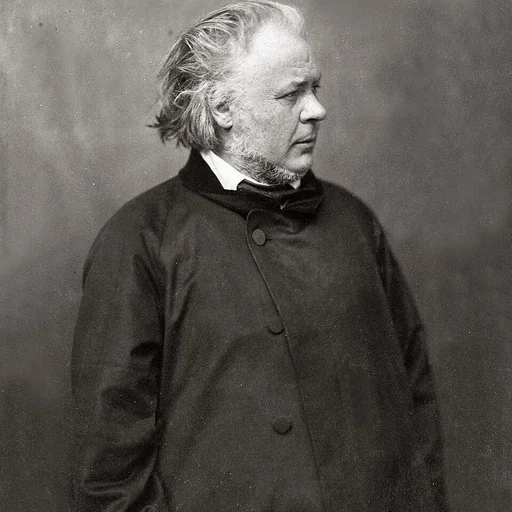
Artist
Honoré-Victorin Daumier was a French painter, sculptor, and printmaker, whose many works offer commentary on the social and political life in France, from the Revolution of 1830 to the fall of the Second French Empire in 1870.