Artwork
Dupin ainé
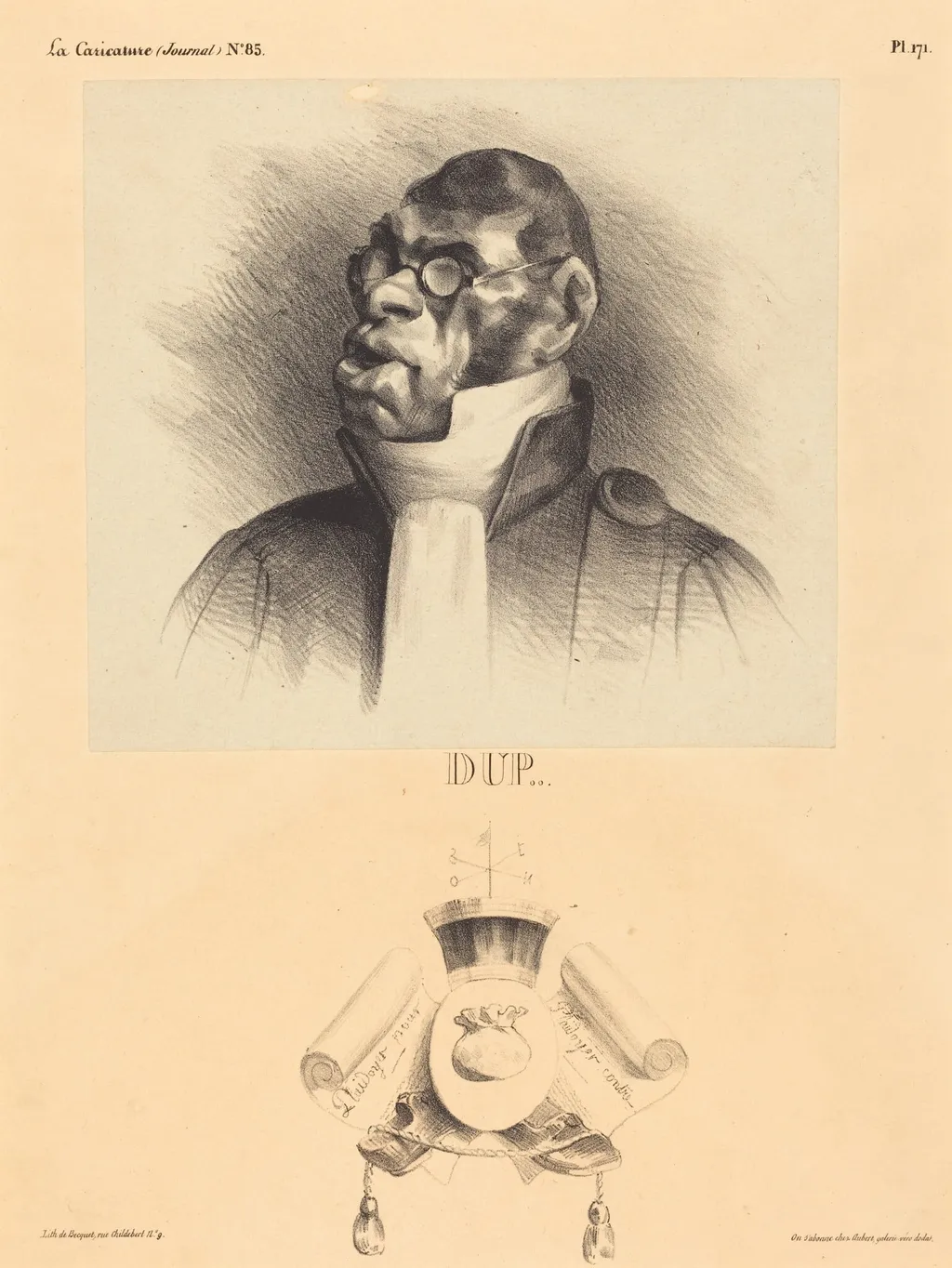
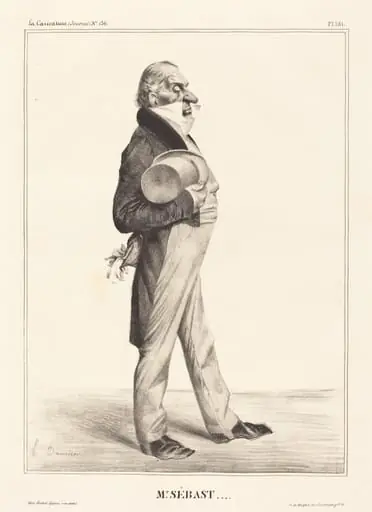
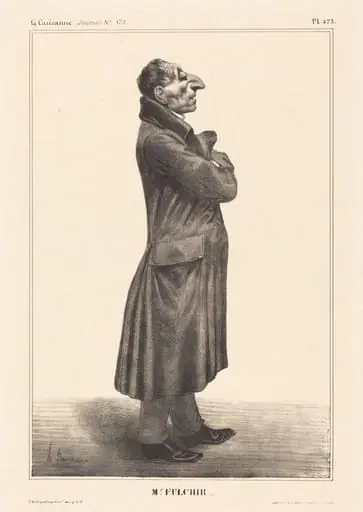
Dupin ainé is an ink print by the Romanticist artist Honoré Daumier. It dates from 1832 and is held in the collection of the National Gallery of Art.
About this work
Overview
Created in 1832, *Dupin aîné* is a lithograph by Honoré Daumier, produced during his early years as a political cartoonist.
Created in 1832, *Dupin aîné* is a lithograph by Honoré Daumier, produced during his early years as a political cartoonist. It appeared in the satirical press of July Monarchy France, where Daumier used printmaking to critique public figures. The work is part of a broader series targeting political elites, rendered with precision and restraint, avoiding overt caricature while still conveying sharp social observation.
Subject & Meaning
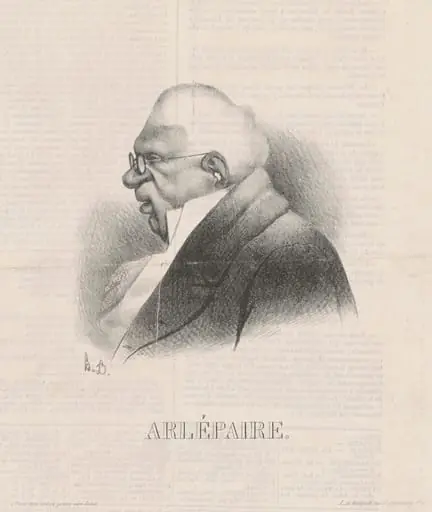
The portrait depicts Adolphe Dupin, a prominent lawyer and later politician, portrayed with solemnity rather than mockery. Daumier captures him in a moment of quiet intensity, emphasizing his intellectual presence. The absence of exaggerated features suggests a nuanced critique—not of personal folly, but of institutional authority and the weight of public responsibility in a fragile democracy.
Technique & Style
Daumier employed lithography to achieve tonal depth and subtle modeling, using hatched lines and graded shading to define the face and collar. The background recedes into darkness, isolating the figure and focusing attention on his expression. The rendering of the glasses and nose is precise, reflecting a blend of realism and psychological insight, characteristic of Daumier’s mature graphic style.
History & Provenance
The print was published in *La Caricature*, a journal known for its oppositional stance toward King Louis-Philippe’s regime. Daumier’s association with the publication led to legal repercussions, including imprisonment in 1832. *Dupin aîné* was one of many works produced during this volatile period, later preserved in institutional collections as a document of 19th-century political dissent.
Context
France in the 1830s was marked by censorship and political tension following the July Revolution of 1830. Satirical prints like this one operated in a gray zone between journalism and protest, using visual wit to circumvent direct speech restrictions. Daumier’s work resonated with liberal audiences seeking to challenge the monarchy’s legitimacy through imagery rather than text.
Legacy
Daumier’s approach to portraiture influenced later generations of political illustrators and realist artists. *Dupin aîné* exemplifies his ability to convey critique through restraint, avoiding slapstick for psychological depth. The print remains a key example of how print media could serve as a tool for civic discourse, bridging art and public life in an era of rising mass communication.
Artist & collection
Artist
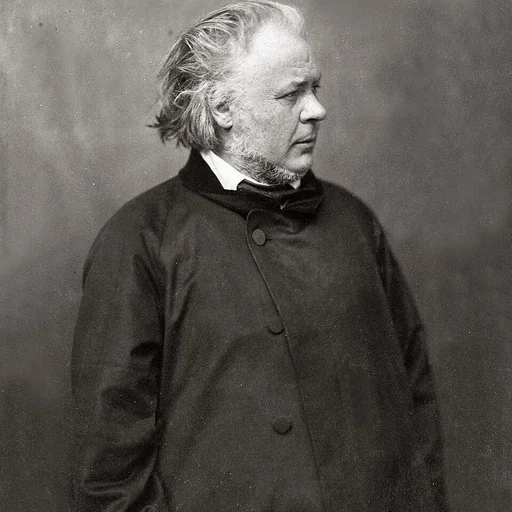
Honoré-Victorin Daumier was a French painter, sculptor, and printmaker, whose many works offer commentary on the social and political life in France, from the Revolution of 1830 to the fall of the Second French Empire in 1870.