Artwork
Est-il dieu permis... fendre du bois...
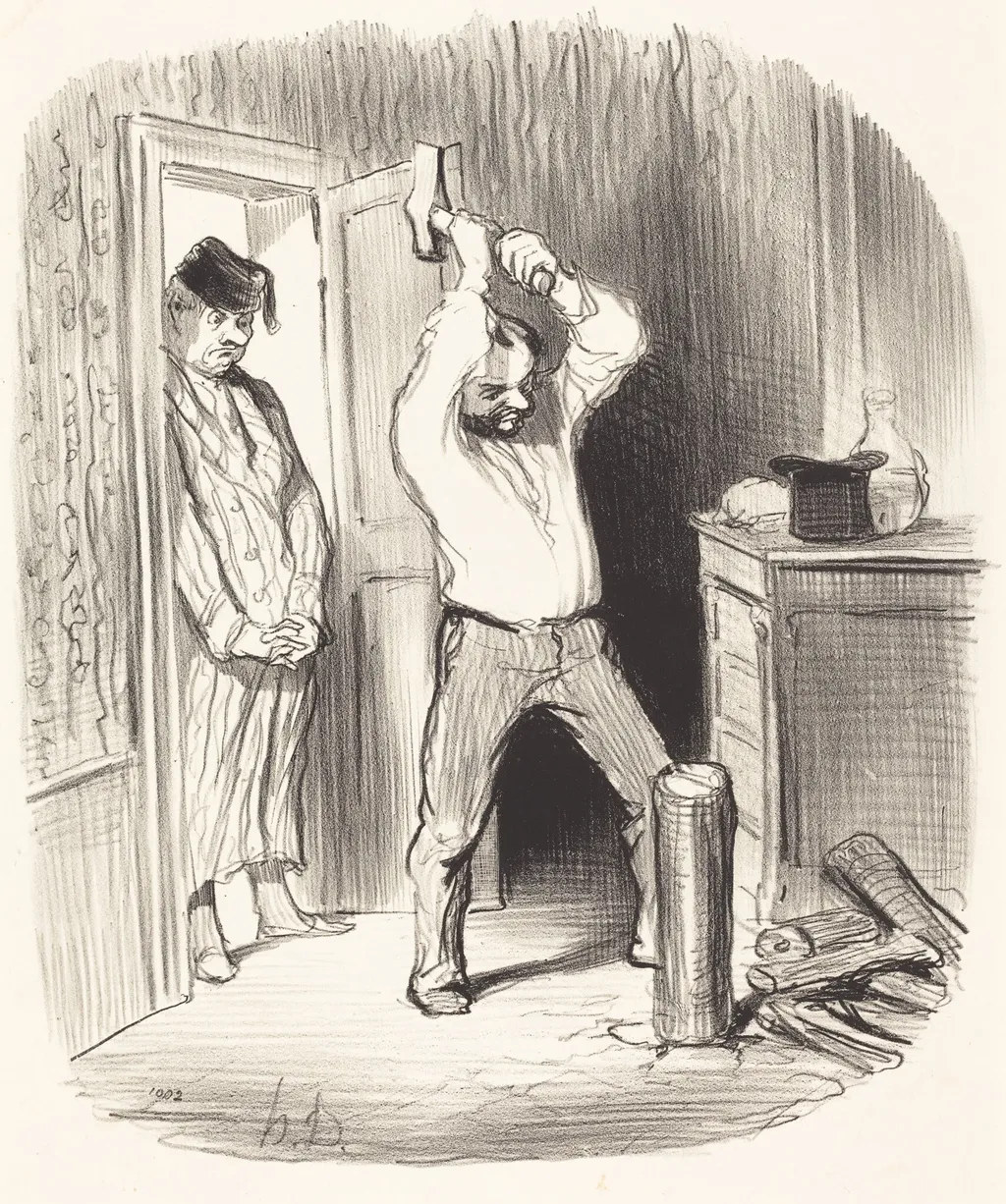
Est-il dieu permis... fendre du bois... is an ink print by the Romanticist artist Honoré Daumier. It dates from 1847 and is held in the collection of the National Gallery of Art.
About this work
Overview
A modest table bearing a pot and kettle and a scattered pile of split timber complete the scene, conveying a moment of labor captured in a single frame.
Created in 1847, this lithograph by Honoré Daumier depicts a cramped interior where two men engage in the physical act of splitting wood. One figure stands rigidly, hands clasped behind his back, while the other lifts a log overhead, poised to strike. A modest table bearing a pot and kettle and a scattered pile of split timber complete the scene, conveying a moment of labor captured in a single frame.
Subject & Meaning
The work presents an everyday, working‑class activity, emphasizing the exertion and cooperation required to split firewood. By focusing on ordinary laborers rather than aristocratic or clerical figures, Daumier underscores the dignity of manual work and subtly critiques the social hierarchy of his time, aligning with his republican sympathies.
Technique & Style
Executed in lithography, the image relies on swift, sketch‑like strokes that convey tension and movement. Daumier’s use of bold, uneven lines and stark contrasts between light and shadow creates a raw, immediate atmosphere, characteristic of his satirical and observational approach to printmaking.
History & Provenance
The lithograph emerged during a period of political turbulence in France, when Daumier contributed regularly to satirical journals such as *La Caricature* and *Le Charivari*. Though primarily a commentary on social conditions, the piece circulated among the artist’s republican circles before entering public collections in the late 19th century.
Context
Produced amid the aftermath of the 1848 revolutions, the image reflects the heightened awareness of class distinctions and the growing visibility of working‑class life in French visual culture. Daumery’s focus on labor aligns with contemporary realist tendencies that sought to depict everyday reality without romanticization.
Legacy
While not as widely reproduced as Daumier’s more overtly political caricatures, this lithograph contributes to his reputation as a chronicler of French society. Its unvarnished portrayal of manual work continues to inform studies of 19th‑century social commentary in print media.
Own this work as a print
Artist & collection
Artist
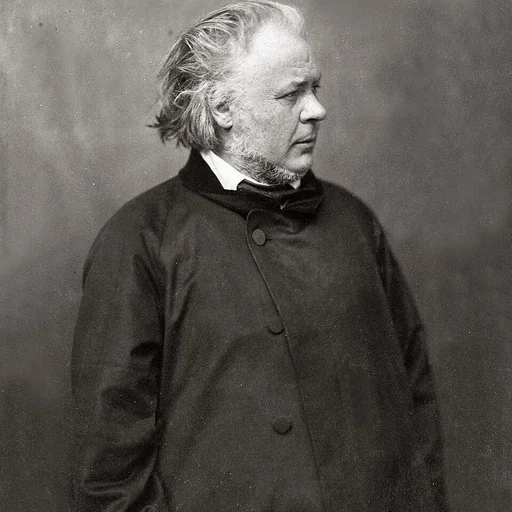
Honoré-Victorin Daumier was a French painter, sculptor, and printmaker, whose many works offer commentary on the social and political life in France, from the Revolution of 1830 to the fall of the Second French Empire in 1870.









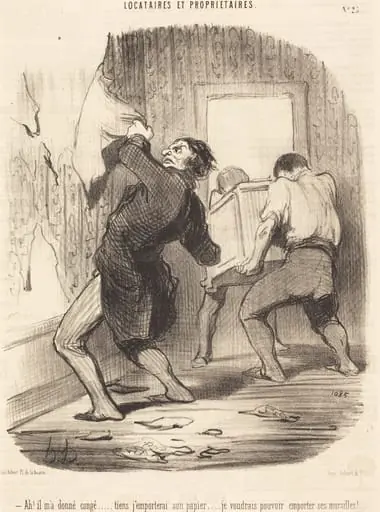 Ah! il m'a donné congé...
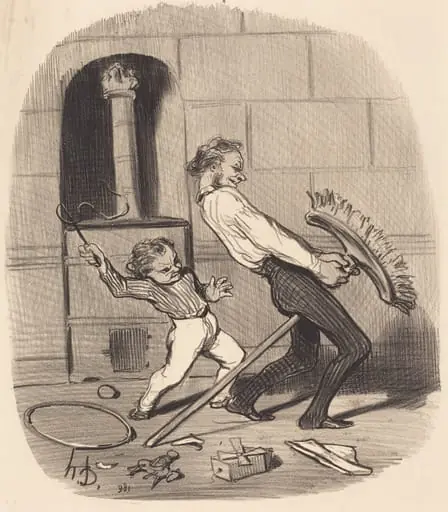 Leçon d'équitation, haute école
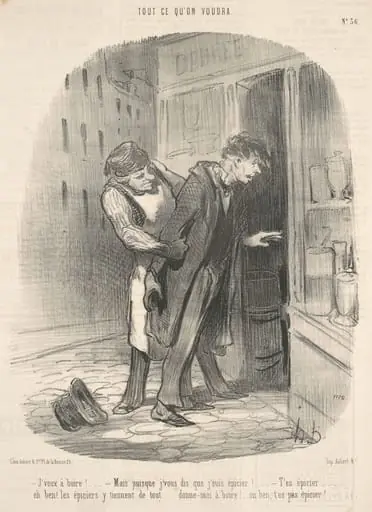 J'veux a boire! Mais puisque j'vous dis ...
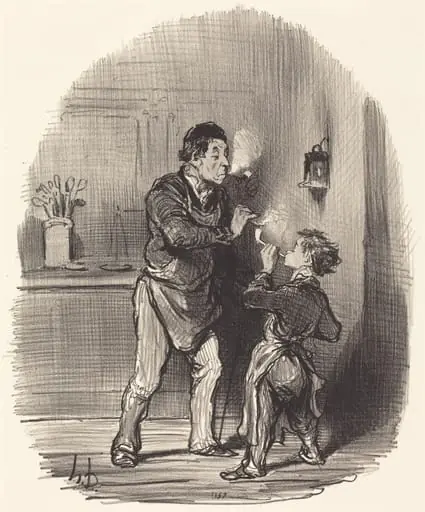 Le Chiffonnier philosophe
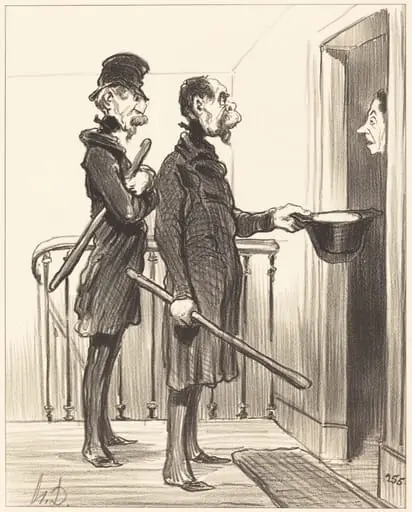 La Souscription Napoléonienne
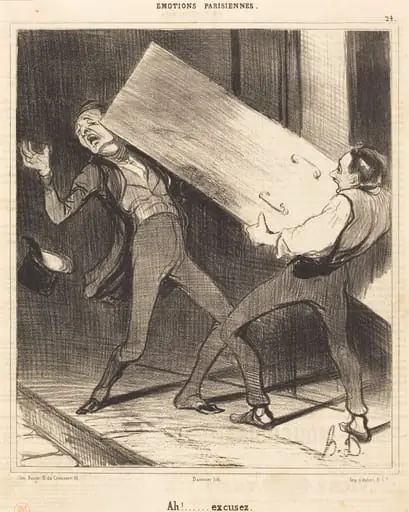 Ah! Excusez
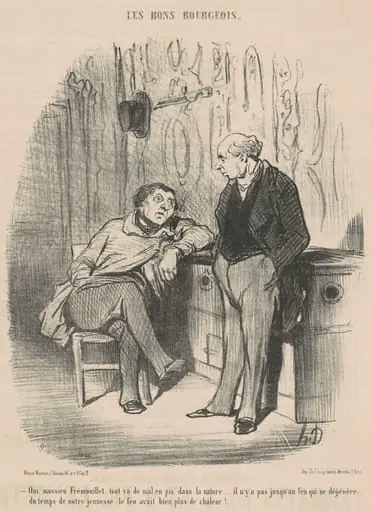 Oui, Mossieu Fremouillet, tout va de mal en pis ...
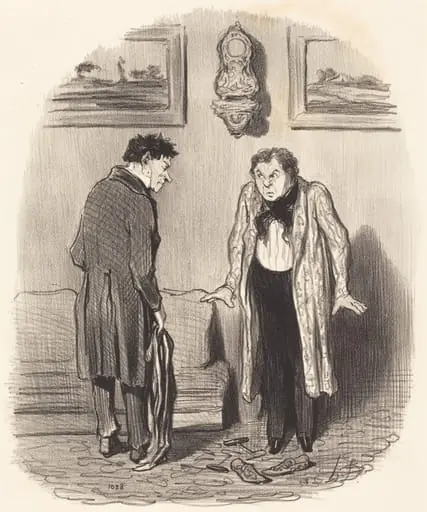 Mais quand je vous dis que je ne peux pas remuer les pieds...
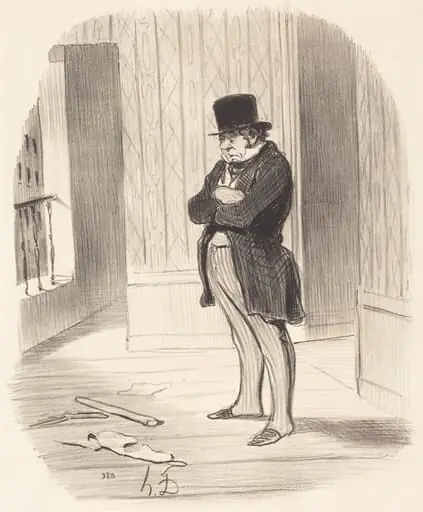 Déménagé!...
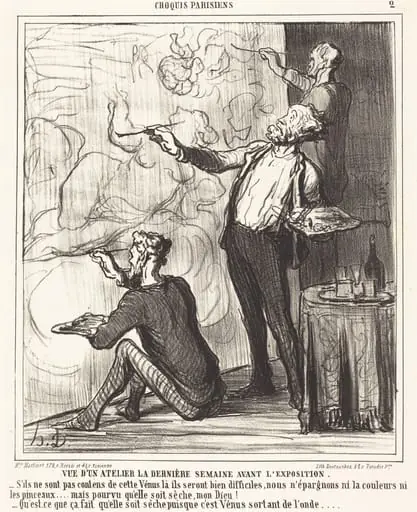 Vue d'un atelier... avant l'exposition