Artwork
Gros Cupide, va!
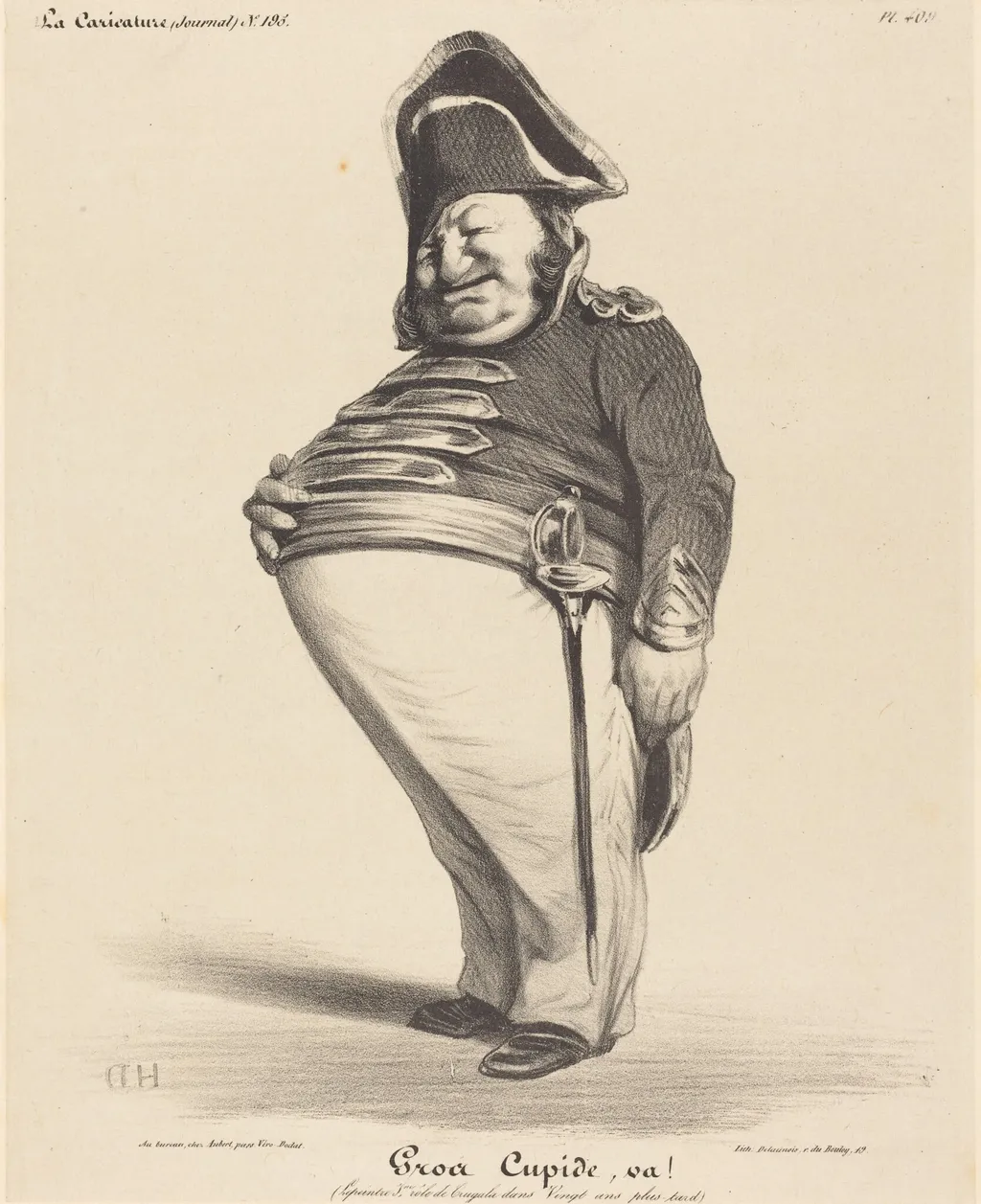
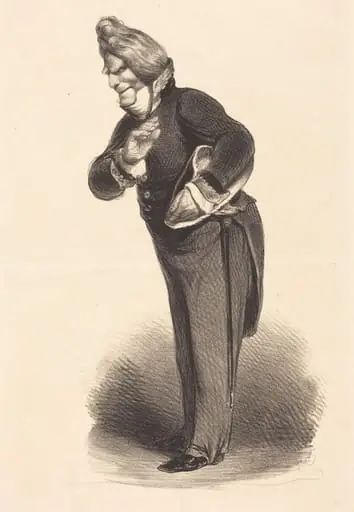
Gros Cupide, va! is an ink print by the Romanticist artist Honoré Daumier. It dates from 1834 and is held in the collection of the National Gallery of Art.
About this work
Overview
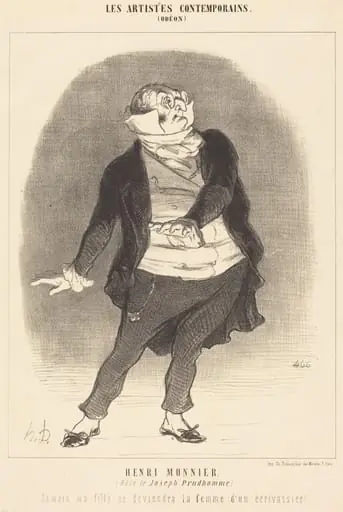
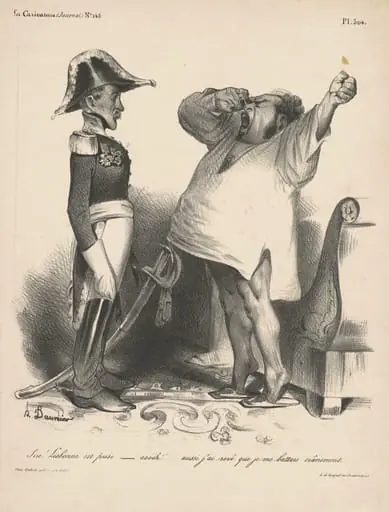
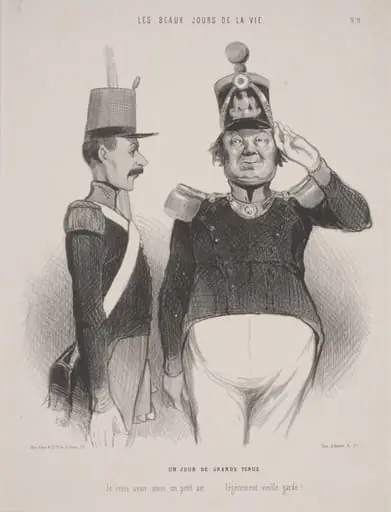
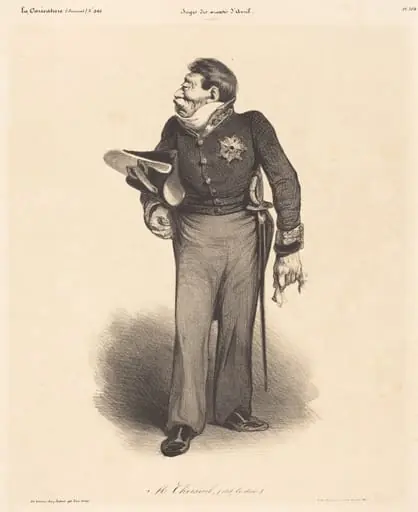
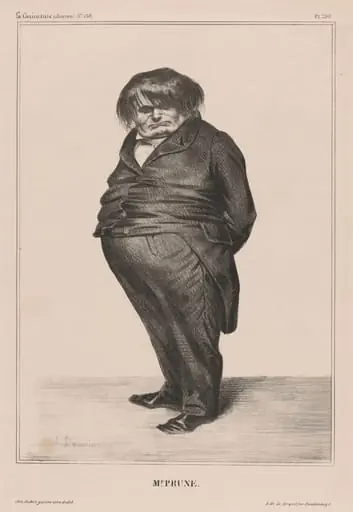
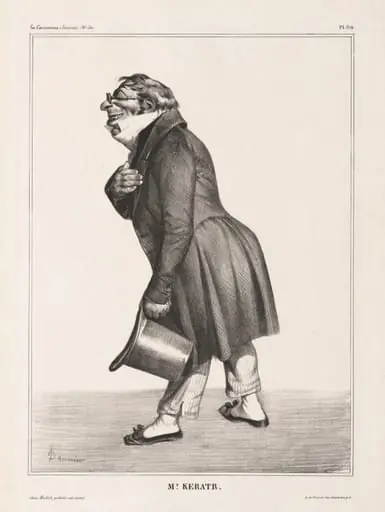
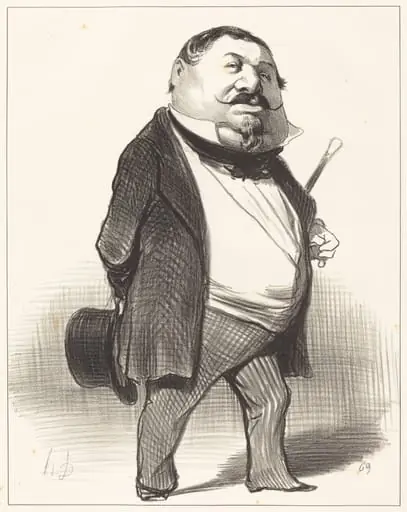
Created in 1834, this lithograph by Honoré Daumier belongs to his series of satirical prints for Parisian periodicals such as *La Caricature* and *Le Charivari*. The work depicts a corpulent figure in a military‑style uniform, his hat tipped low and his belly swollen to the point of touching his knees, holding a small baton or cane in one hand.
Subject & Meaning
The caption *Gros Cupide, va!*—literally “Fat Cupid, go!”—identifies the character as a bloated personification of desire or greed. Daumier’s exaggerated anatomy serves to ridicule the excesses of power, wealth, or social pretension, targeting the aristocracy, clergy, or political figures of his era.
Technique & Style
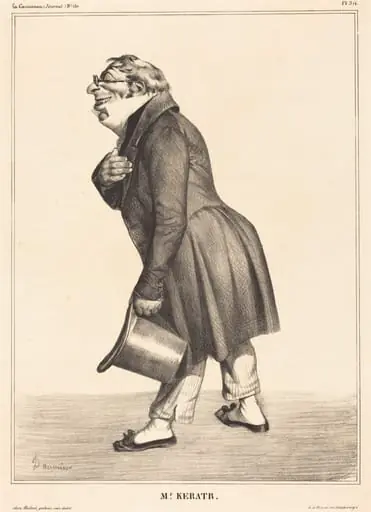
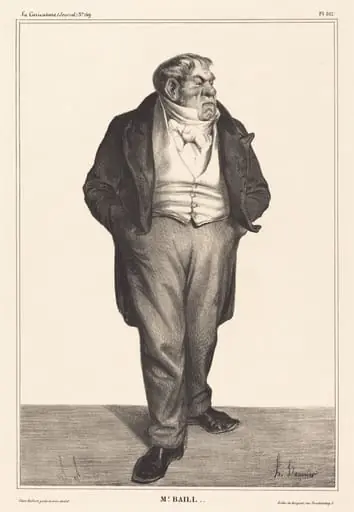
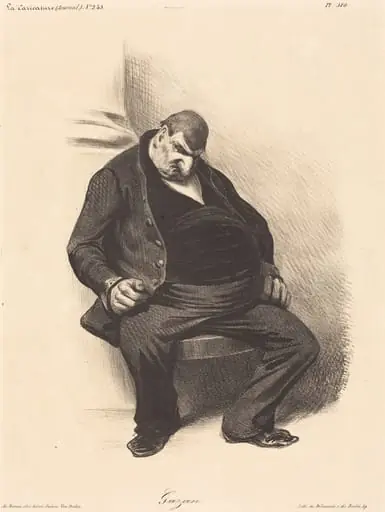
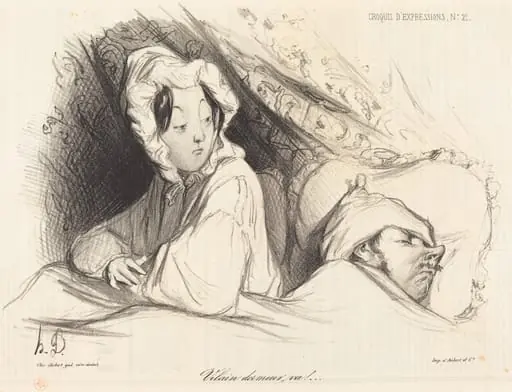
Executed as a lithograph, the image relies on bold line work and stark contrast typical of Daumier’s graphic approach. The artist’s use of exaggerated proportions and caricatured facial expression underscores the satirical intent, while the low‑angled hat and uniform details anchor the figure in contemporary military fashion.
Context
The print emerged during a turbulent period in French history, spanning the aftermath of the 1830 Revolution and the rise of the Second Empire. Daumier’s contributions to satirical journals provided a visual commentary on the shifting political landscape, using humor to critique monarchy, aristocracy, and clerical authority.
Legacy
As part of Daumier’s extensive body of socially critical lithographs, this work exemplifies his influence on 19th‑century political cartooning. Its blend of sharp observation and graphic distortion helped shape the visual language of satire that would inform later caricaturists and journalists.
Artist & collection
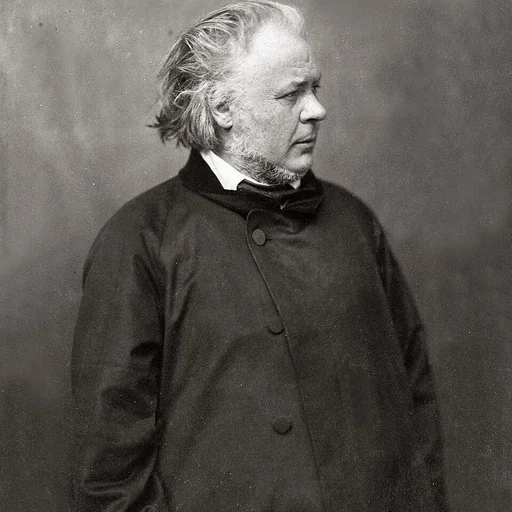
Artist
Honoré-Victorin Daumier was a French painter, sculptor, and printmaker, whose many works offer commentary on the social and political life in France, from the Revolution of 1830 to the fall of the Second French Empire in 1870.