Artwork
L'enseignement mutuel
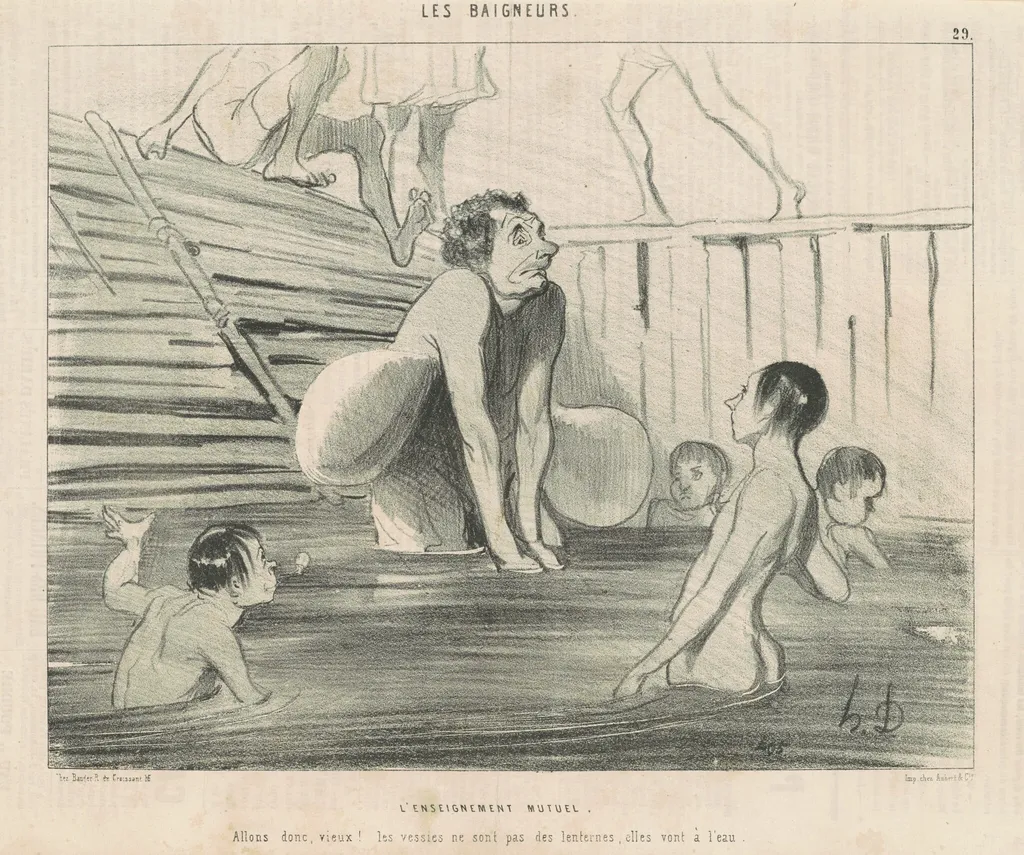
L'enseignement mutuel is an ink print by the Romanticist artist Honoré Daumier. It dates from 1842 and is held in the collection of the National Gallery of Art.
About this work
Overview
Honoré Daumier’s lithograph L’enseignement mutuel, executed in 1842, presents a buoyant tableau of figures immersed in water. The composition centers on a prominently featured individual whose oversized facial features and animated expression dominate the scene, while surrounding children engage in playful activity, creating a lively, almost dream‑like atmosphere.
Subject & Meaning
The work captures a moment of communal amusement, emphasizing the exaggerated physiognomy of the central figure to underscore the absurdity often found in everyday interactions. By juxtaposing adult gestures with the carefree antics of children, Daumier hints at the inherent humor and occasional irrationality of human conduct.
Technique & Style
Created through lithography, the print exploits the medium’s capacity for bold line work and tonal variation. Daumier’s hand‑drawn marks convey fluid movement in the water and accentuate the characters’ exaggerated expressions, while the stark contrasts typical of his graphic style enhance the scene’s whimsical quality.
Context
Produced during the early 1840s, a period when Daumier was establishing his reputation as a social commentator, the lithograph reflects contemporary interests in caricature and the observation of public life. Its lighthearted treatment of a mundane setting aligns with the artist’s broader engagement with the quirks of Parisian society.
Legacy
Although not as widely reproduced as Daumier’s later political satires, L’enseignement mutuel illustrates his skill in merging humor with social observation. The print continues to be referenced in studies of 19th‑century French lithography for its inventive composition and its subtle critique of everyday absurdities.
Artist & collection
Artist
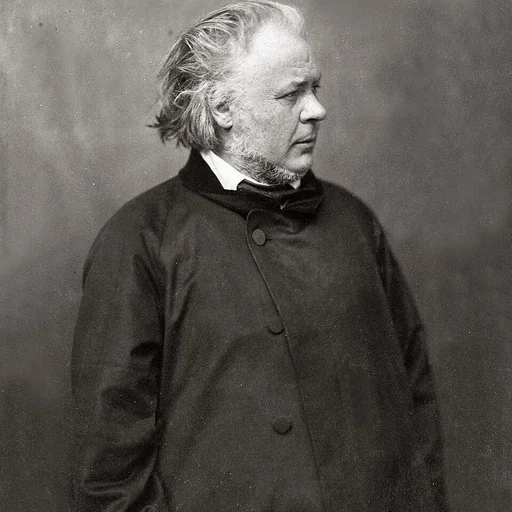
Honoré-Victorin Daumier was a French painter, sculptor, and printmaker, whose many works offer commentary on the social and political life in France, from the Revolution of 1830 to the fall of the Second French Empire in 1870.

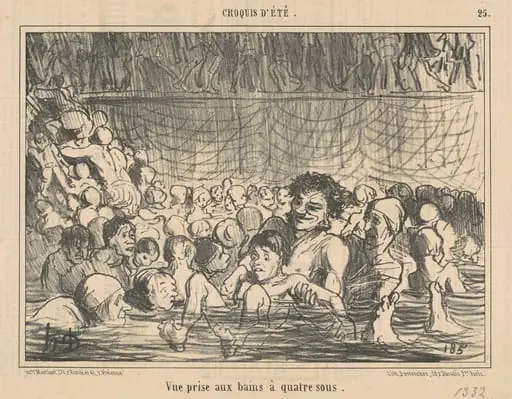 Vue prise aux bains a quatre sous
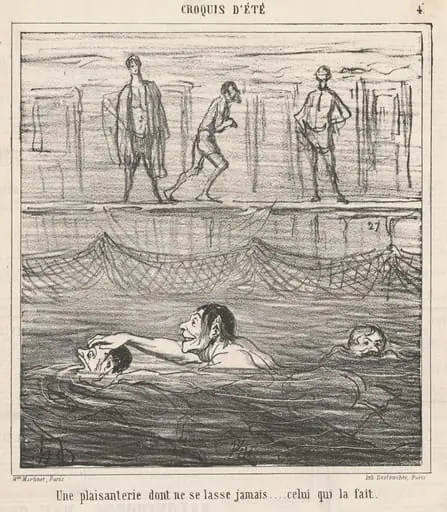 Une plaisanterie dont ne se lasse ...
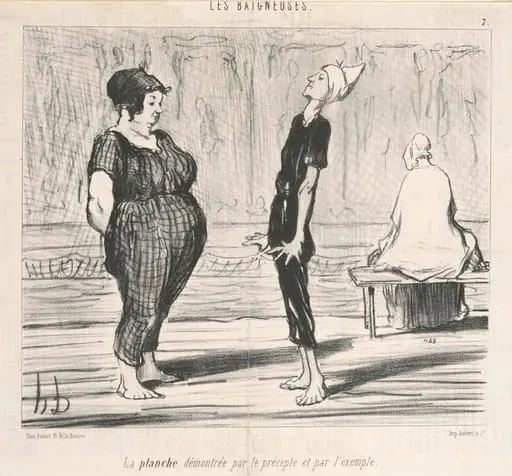 La planche démontree par le prècepte ...
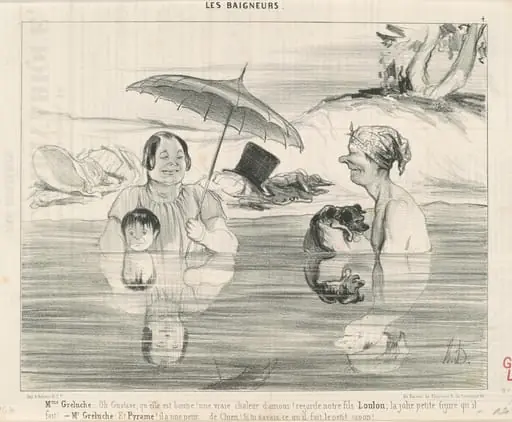 Mme Greluche: Oh Gustave, qu'elle est bonne!
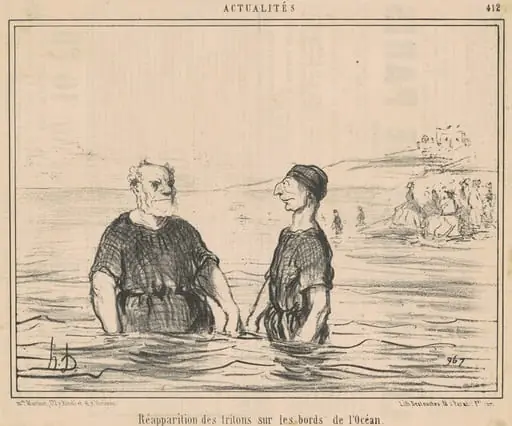 Rèapparition des tritons ... de l'océan
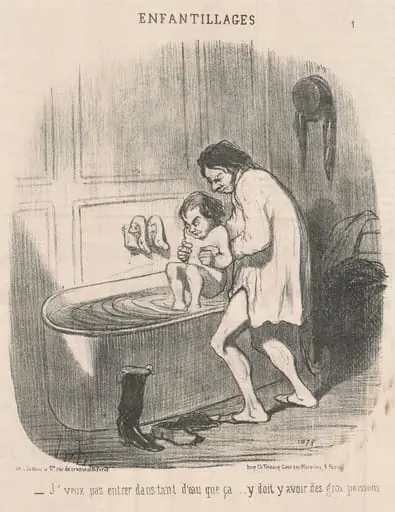 J'veux pas entrer dans tant d'eau ...
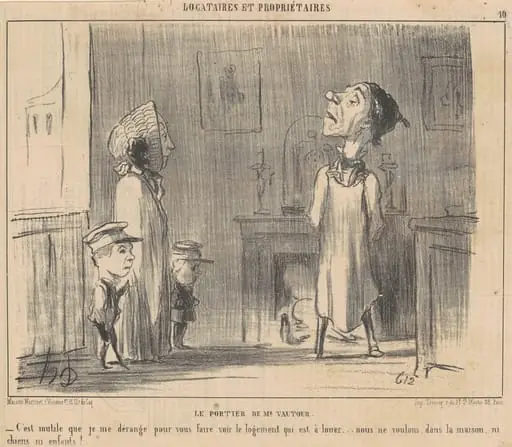 Le portier de Mr Vautour
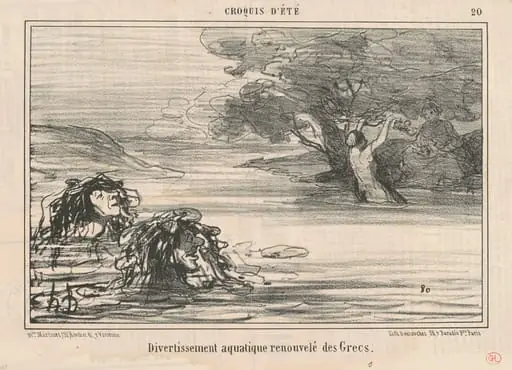 Divertissement ... renouvelé des Grecs
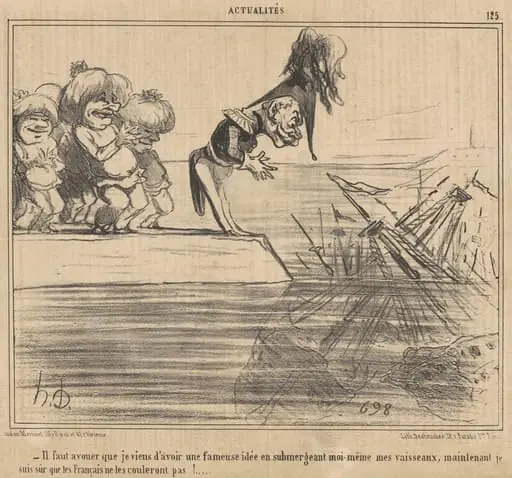 Il faut avouer que je viens d'avoir une ...