Artwork
L.F. Raymond Wolowski
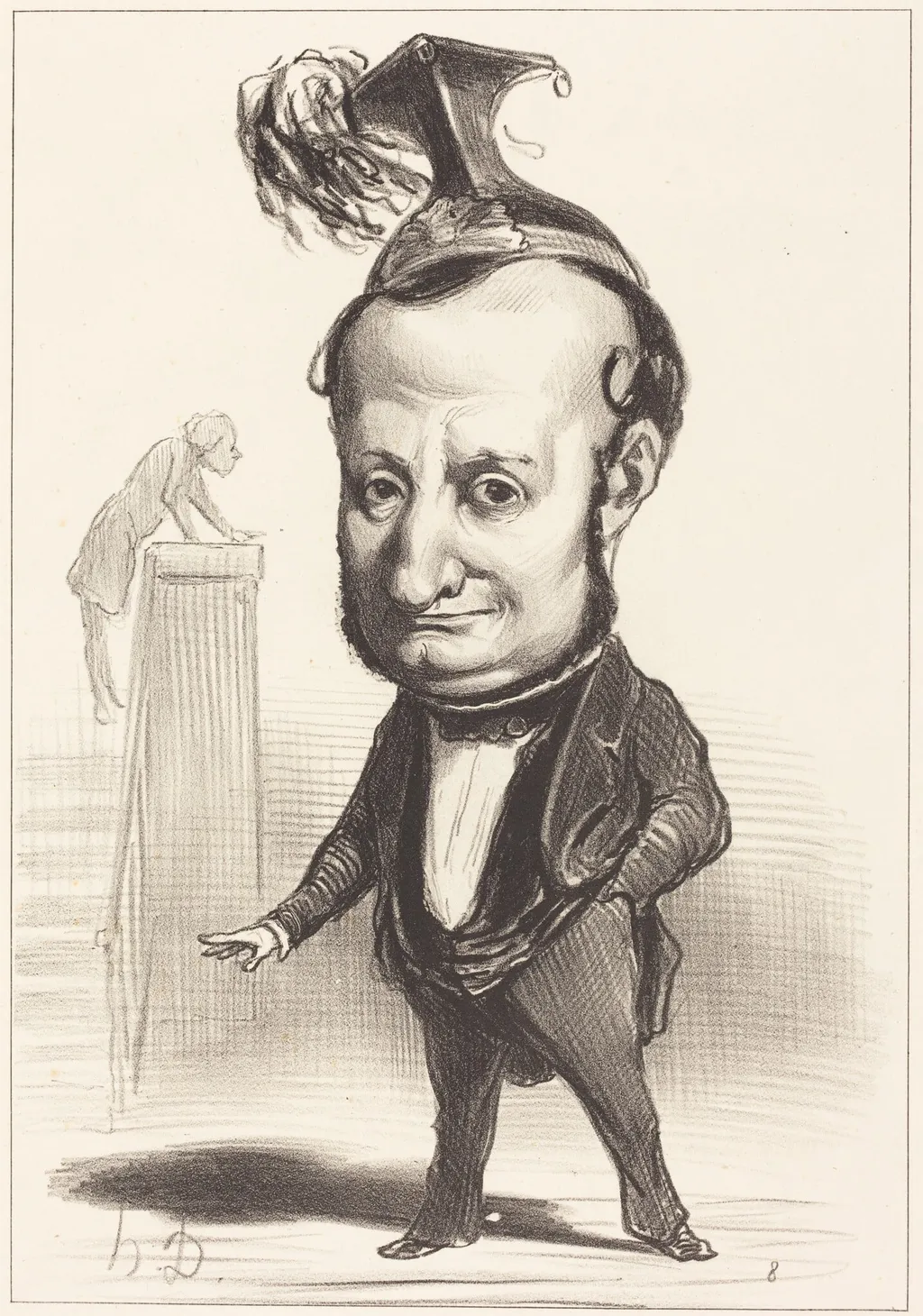
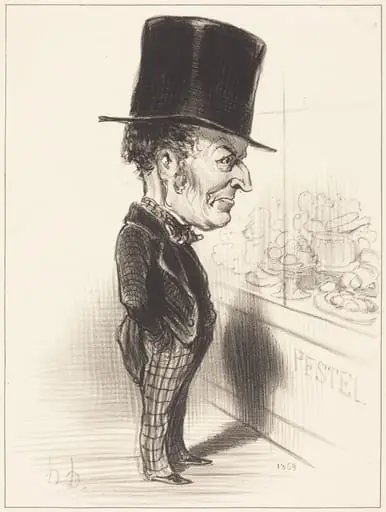
L.F. Raymond Wolowski is an ink print by the Romanticist artist Honoré Daumier. It dates from 1849 and is held in the collection of the National Gallery of Art. L.
About this work
Overview
It portrays the Polish-French economist and politician Léonard François Raymond Wolowski, a figure active in France’s Second Republic.
L.F. Raymond Wolowski is a lithograph by Honoré Daumier, created in 1849. It portrays the Polish-French economist and politician Léonard François Raymond Wolowski, a figure active in France’s Second Republic. As a printmaker deeply engaged with contemporary politics, Daumier used lithography to capture public personalities with incisive clarity, often for illustrated journals that reached a broad audience.
Subject & Meaning
Wolowski, a moderate republican and advocate of economic reform, is depicted mid-address, one hand on his hip, the other gesturing toward an unseen audience. Daumier renders him with a composed, almost rigid demeanor, suggesting authority but also the performative nature of political speech. The portrait does not mock outright but observes the tension between public persona and private conviction in an era of shifting power.
Technique & Style
Daumier employed lithographic ink to build tonal depth through controlled hatching and subtle gradations. The figure emerges from a minimal background, with attention to the texture of woolen fabric, the sheen of a hat, and the crisp fold of a scarf. His lines are economical yet precise, emphasizing posture and expression over detail, a hallmark of his ability to convey character with minimal means.
History & Provenance
The print was likely published in a republican periodical such as *Le Charivari*, where Daumier regularly contributed political caricatures. Though not as widely circulated as his more overtly satirical works, this portrait reflects his broader practice of documenting public figures during the turbulent years following the 1848 Revolution. Its survival in institutional collections attests to its role in documenting the era’s political culture.
Context
In 1849, France was navigating the fragile transition from monarchy to republic, with debates over economic policy and suffrage dominating public discourse. Wolowski, as a member of the Constituent Assembly and later the Legislative Assembly, represented the liberal bourgeoisie. Daumier’s portrayal aligns with his consistent focus on the intersection of power, rhetoric, and public perception during this volatile period.
Legacy
This lithograph exemplifies Daumier’s contribution to the tradition of political portraiture in print. Unlike overt caricatures, it balances observation with restraint, offering a nuanced view of a political actor rather than a caricatured villain. It remains a significant record of how visual media captured the personalities shaping France’s democratic experiments in the mid-nineteenth century.
Artist & collection
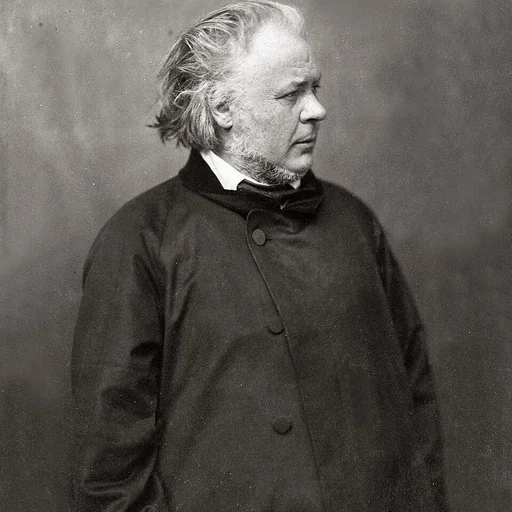
Artist
Honoré-Victorin Daumier was a French painter, sculptor, and printmaker, whose many works offer commentary on the social and political life in France, from the Revolution of 1830 to the fall of the Second French Empire in 1870.









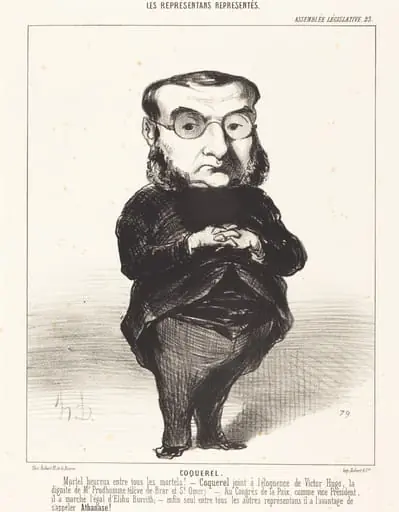 Ath. L. Charles Coquerel
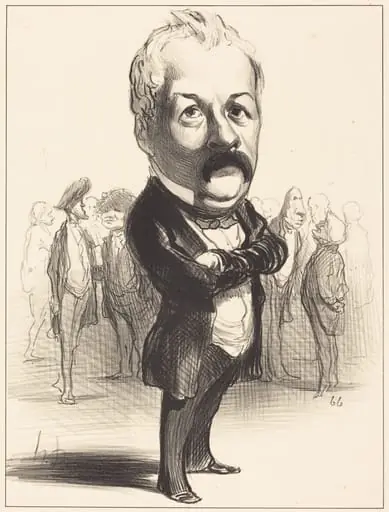 Gustave Sautayra
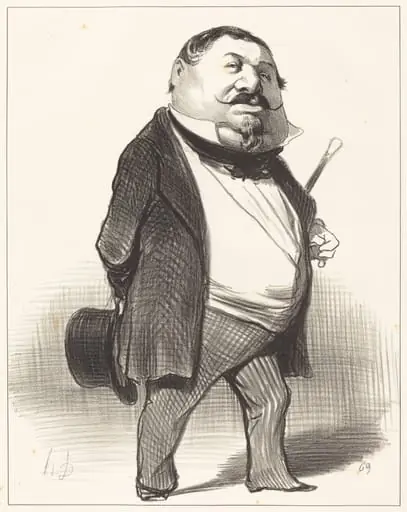 Prince Lucien Murat
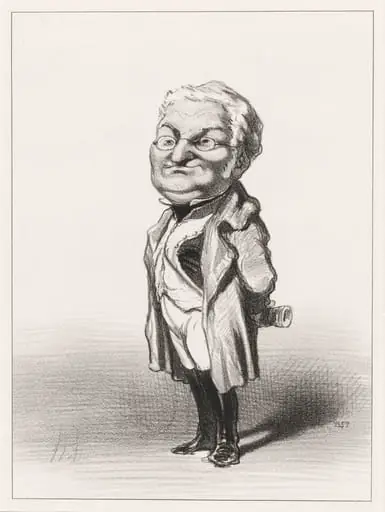 Adolphe Thiers
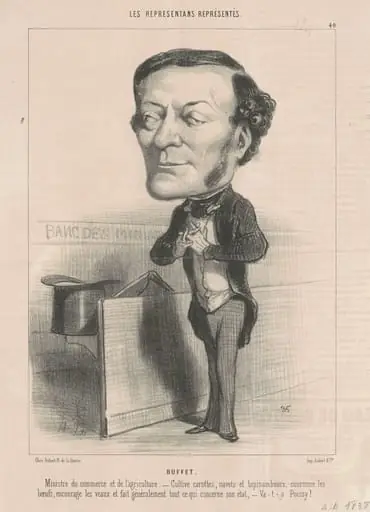 Louis-Joseph Buffet
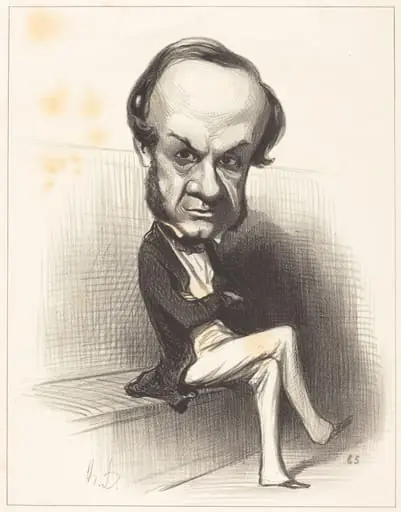 Lannes, duc de Montebello
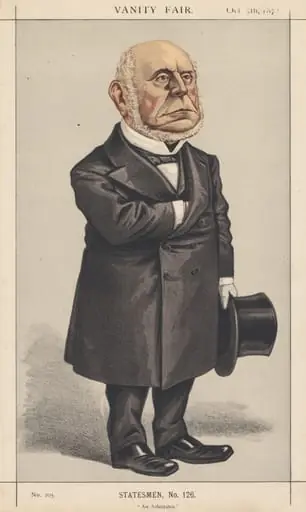 Vanity Fair: Statesman, No. 126 "An Arbitrator"
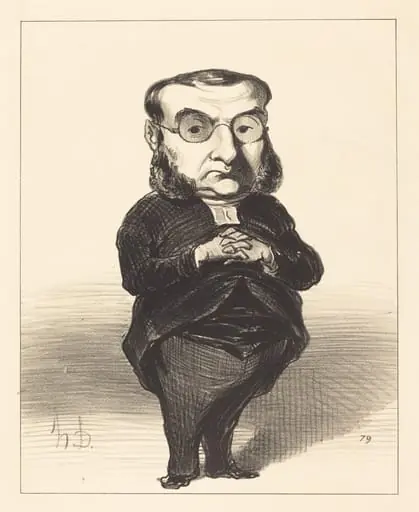 Ath. L. Charles Coquerel
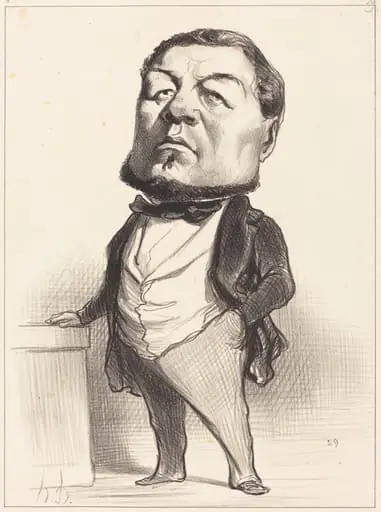 F.J. Ducoux
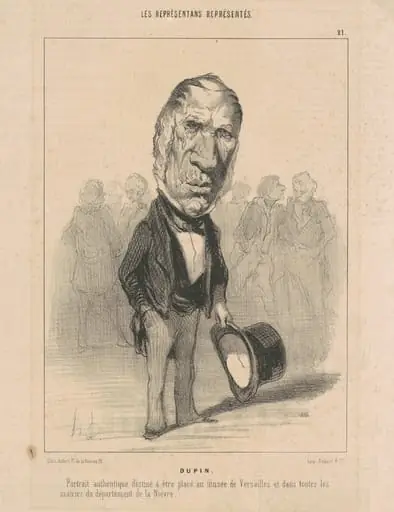 J. Jacques Dupin
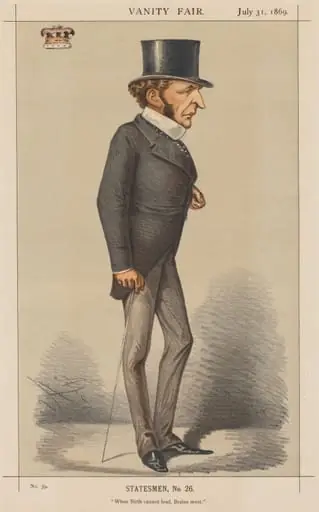 Vanity Fair: Statesman No. 26 "When Birth cannot lead, Brains must."
 Jean Charles Besnard