Artwork
La patience est la vertu des ânes
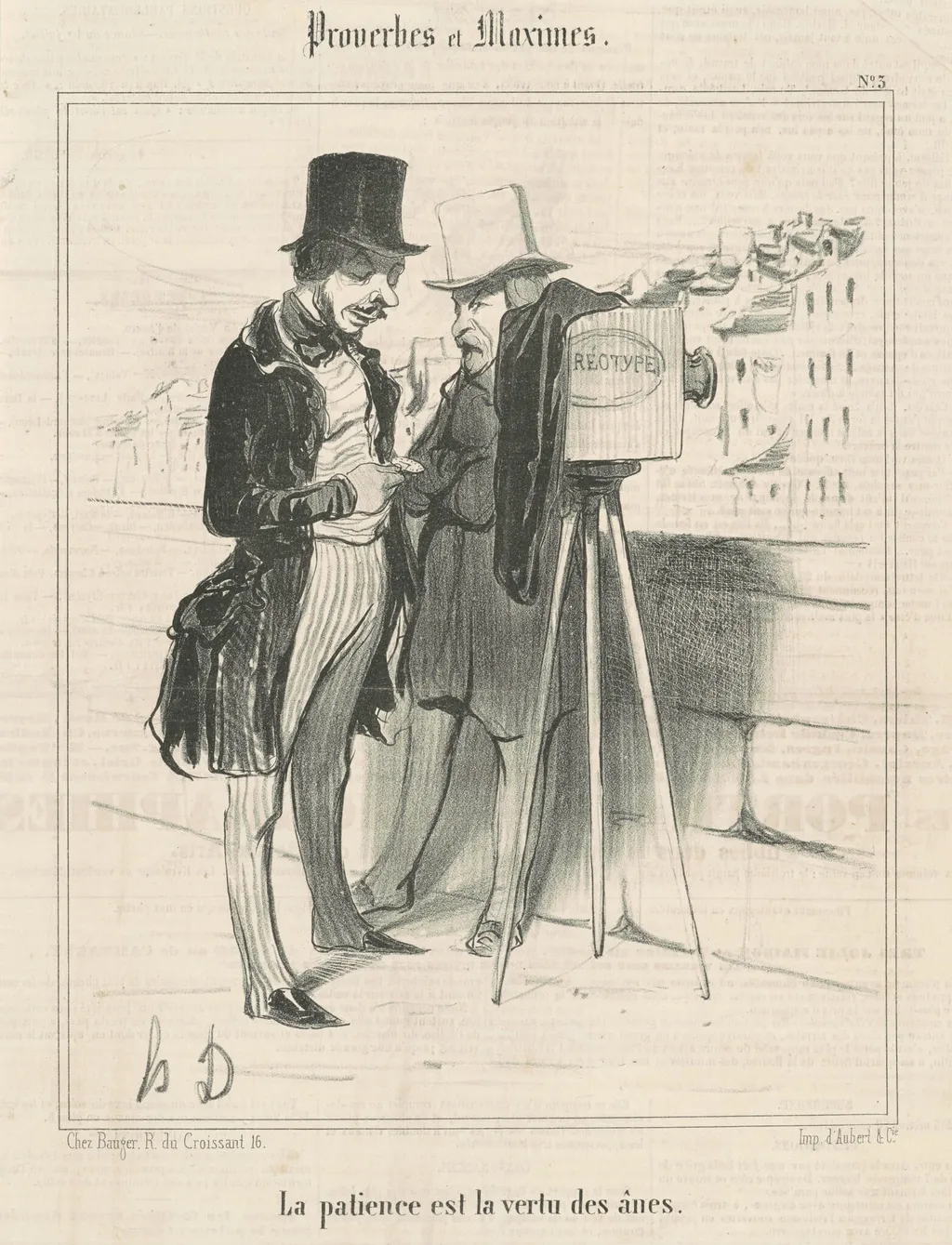
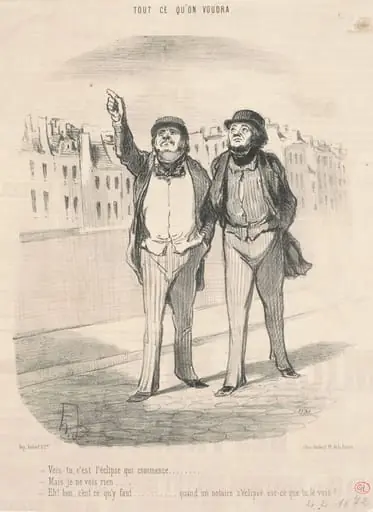
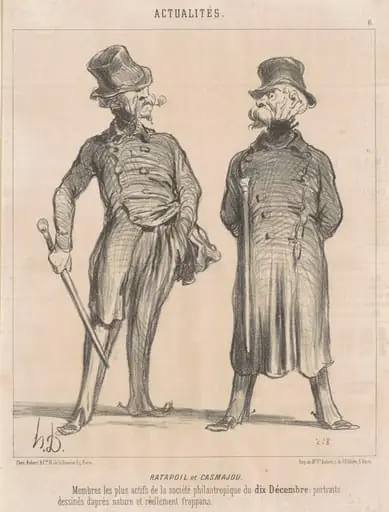
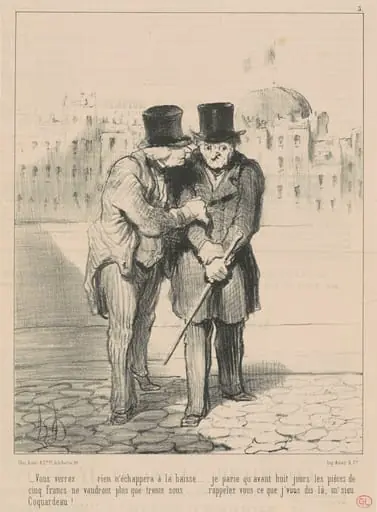
La patience est la vertu des ânes is an ink print by the Romanticist artist Honoré Daumier. It dates from 1840 and is held in the collection of the National Gallery of Art.
About this work
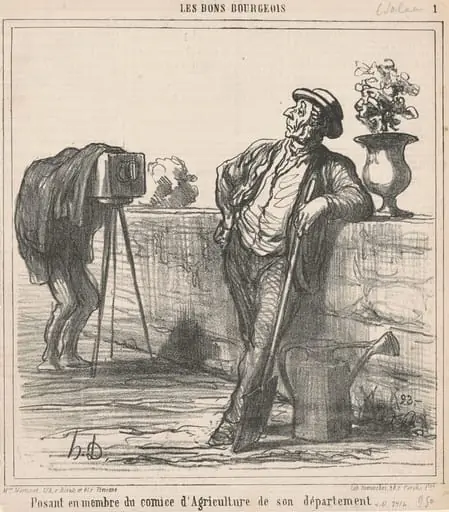
Two men stand in a room. One man holds a big box and papers. The other man hides behind a huge camera on a tripod. The scene feels ordinary but looks funny.
Daumier made this as a lithograph in 1840. He poked fun at people using new tech like cameras. The title means “Patience is the virtue of donkeys” in French.
This feels like a snapshot of daily life long ago. Check out more Daumier, Honoré
Overview
Two figures occupy the space: one carries a stack of papers and a bulky container, while the other is obscured behind an oversized camera on a tripod.
Created in 1840, this lithograph by Honoré Daumier captures a quiet, absurd moment in a 19th-century studio. Two figures occupy the space: one carries a stack of papers and a bulky container, while the other is obscured behind an oversized camera on a tripod. The title, translating to 'Patience is the virtue of donkeys,' suggests a wry commentary on the futility of waiting—whether for technology to perform or for society to adapt.
Subject & Meaning
The scene satirizes the early adoption of photographic technology, portraying the camera as an unwieldy, almost comical apparatus. The man behind it, hidden and immobilized, contrasts with the other’s burden of materials, implying the labor and delay inherent in early photography. Daumier uses the donkey—a symbol of stubborn endurance—to mock the misplaced patience required to engage with emerging, unreliable innovations.
Technique & Style
Daumier employed lithography to achieve sharp, expressive lines with minimal detail, focusing on gesture and posture rather than realism. The figures are simplified, their forms exaggerated for comedic effect. The composition is tightly framed, emphasizing the claustrophobic presence of the camera and the awkwardness of the human interaction with it. His brushwork conveys movement and tension without ornamentation.
History & Provenance
This print was produced during Daumier’s prolific period of social satire, published in French periodicals targeting middle-class audiences. It likely appeared in a weekly journal such as Le Charivari, where his work regularly critiqued contemporary fads. As a lithograph, it was mass-produced and widely circulated, making his commentary accessible beyond elite art circles.
Context
In the 1840s, photography was a novel and cumbersome process requiring long exposures and elaborate equipment. Daumier’s depiction reflects public fascination and frustration with the new medium. His work aligns with broader cultural anxieties about industrialization and the changing pace of life, using humor to expose the gap between technological promise and practical reality.
Legacy
Daumier’s lithograph remains a prescient observation of humanity’s uneasy relationship with innovation. It anticipates later critiques of technology’s disruption of daily life, offering a visual precedent for modern satires of digital culture. Its enduring relevance lies in its understated observation: the absurdity of waiting for machines to serve human needs.
Artist & collection

Artist
Honoré-Victorin Daumier was a French painter, sculptor, and printmaker, whose many works offer commentary on the social and political life in France, from the Revolution of 1830 to the fall of the Second French Empire in 1870.