Artwork
Les saltimbanques
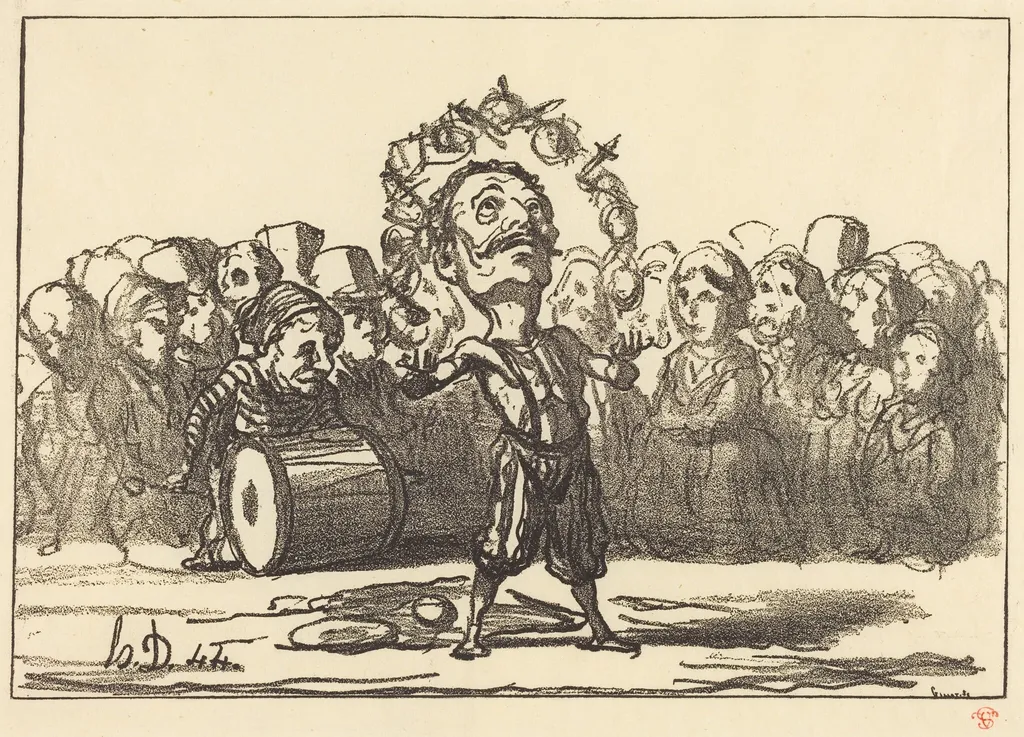
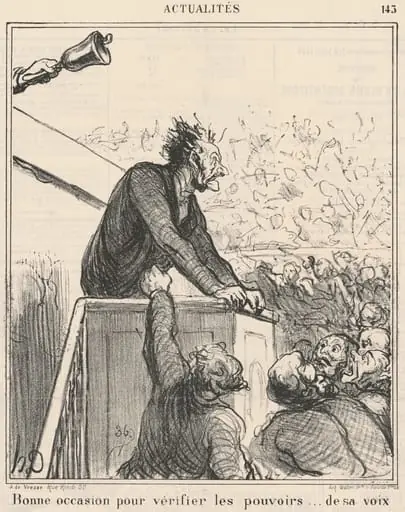
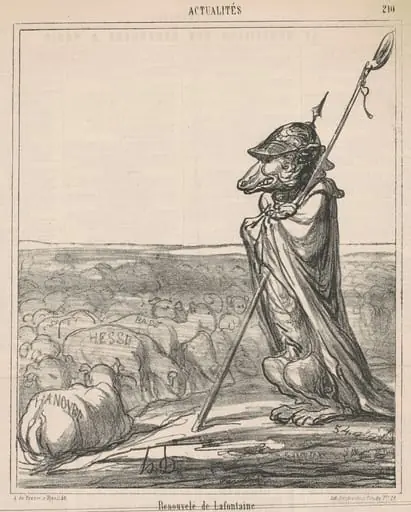
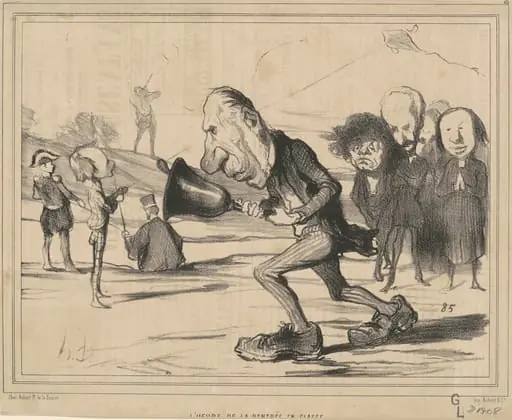
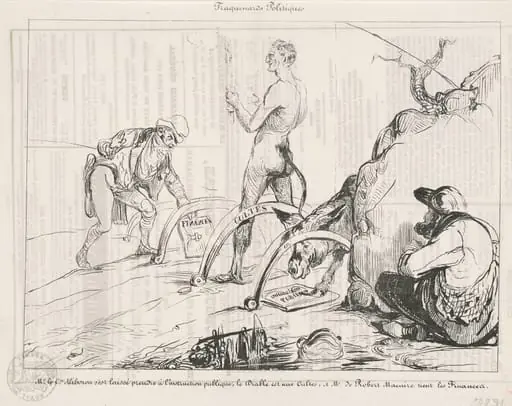
Les saltimbanques is a print by the Impressionist artist Honoré Daumier. It is held in the collection of the National Gallery of Art.
About this work
Overview
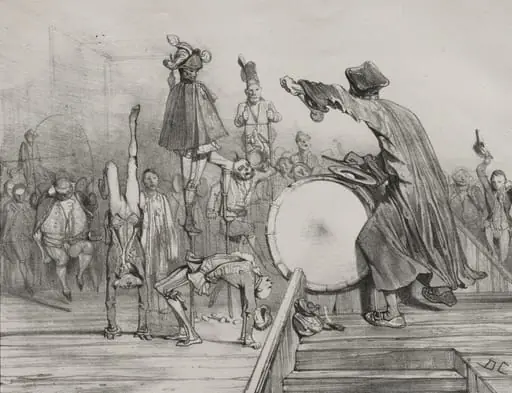
Created in 1880, *Les saltimbanques* is a gillotage executed on China paper by the French artist Honoré Daumier. The print presents a bustling group of itinerant entertainers, a motif that recurs throughout Daumier’s late oeuvre. Though produced near the end of his career, the work continues his long‑standing interest in the lives of society’s peripheral figures.
Subject & Meaning
The composition gathers a troupe of street performers: a central figure brandishes a tall staff crowned with flowers and bells, while others play music or observe the scene. By depicting these marginal workers, Daumier underscores the precarious existence of those who lived on the margins of a rapidly industrializing France, hinting at broader social inequities.
Technique & Style
Daumier employed a loose, sketch‑like line that gives the figures a sense of motion and immediacy. The gillotage process—an early form of lithographic printing—allows for rapid, gestural marks, while the use of China paper adds a delicate, slightly translucent surface that accentuates the draftsmanship.
History & Provenance
Although the print emerged late in Daumier’s productive period, it aligns with his earlier satirical work for periodicals such as *La Caricature* and *Le Charivari*. The piece remained within private collections for decades before entering public holdings, where it is now referenced as an example of his continued engagement with social commentary through print media.
Artist & collection

Artist
Honoré-Victorin Daumier was a French painter, sculptor, and printmaker, whose many works offer commentary on the social and political life in France, from the Revolution of 1830 to the fall of the Second French Empire in 1870.