Artwork
Moi d'abord sitot que je vois un lièvre ...
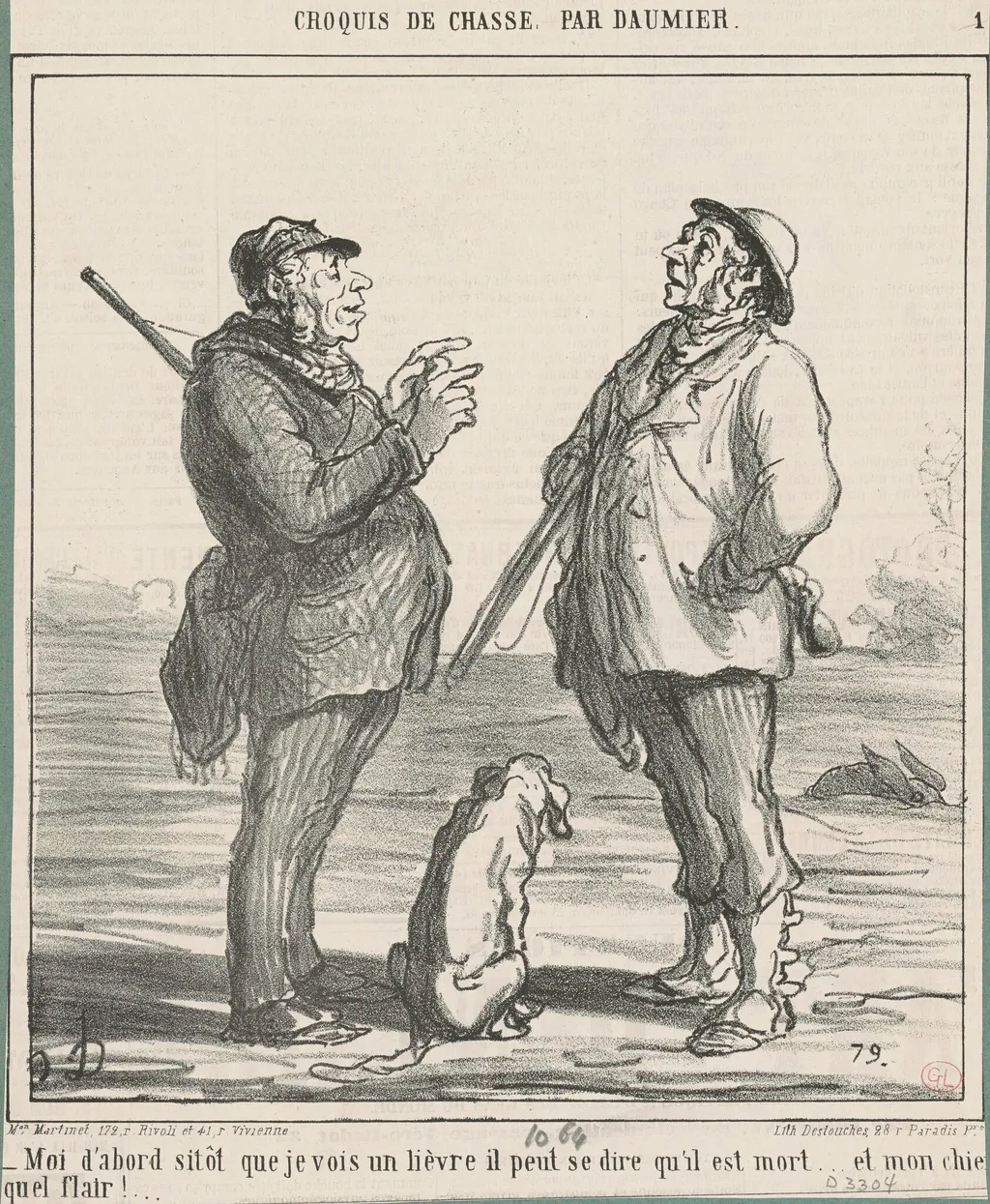
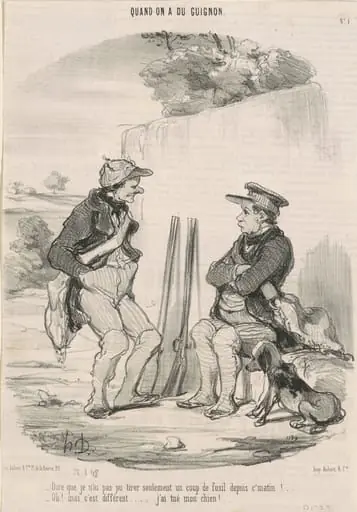
Moi d'abord sitot que je vois un lièvre ... is an ink print by the Impressionist artist Honoré Daumier. It dates from 1864 and is held in the collection of the National Gallery of Art.
About this work
Overview
Moi d'abord sitot que je vois un lièvre is a lithograph by Honoré Daumier depicting a casual encounter between two men in a rural setting, emphasizing everyday interaction and natural surroundings.
Subject & Meaning
The print focuses on the dynamic between two individuals, one gesticulating and the other listening intently with a dog by their side, highlighting themes of companionship and the serene aspects of rural life.
Technique & Style
Executed as a lithograph, Daumier utilized the medium's expressive capabilities, drawing with greasy ink on stone to achieve loose, vibrant lines that imbue the scene with a sense of spontaneity.
History & Provenance
Limited information is provided on the artwork's historical context or ownership history, though it is attributed to Daumier, suggesting it aligns with his broader body of satirical and observational works.
Context
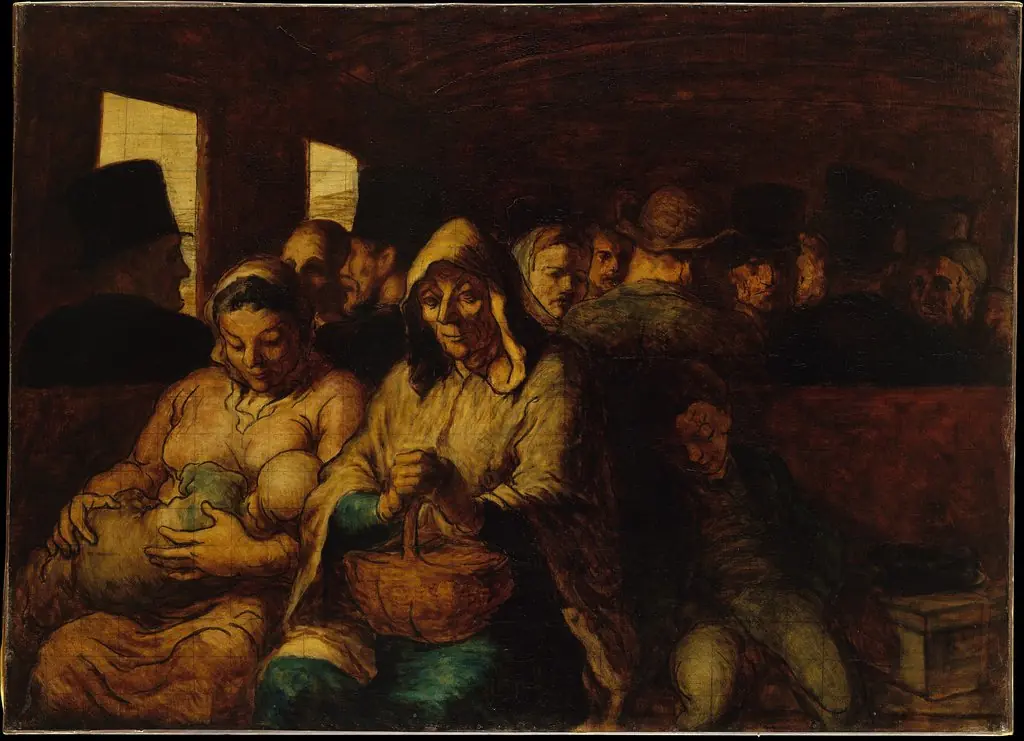
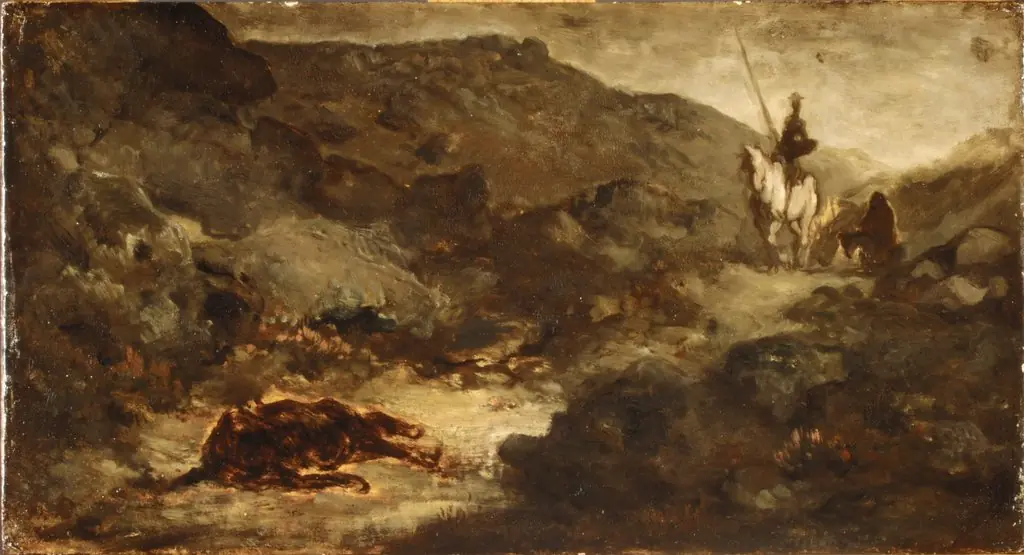
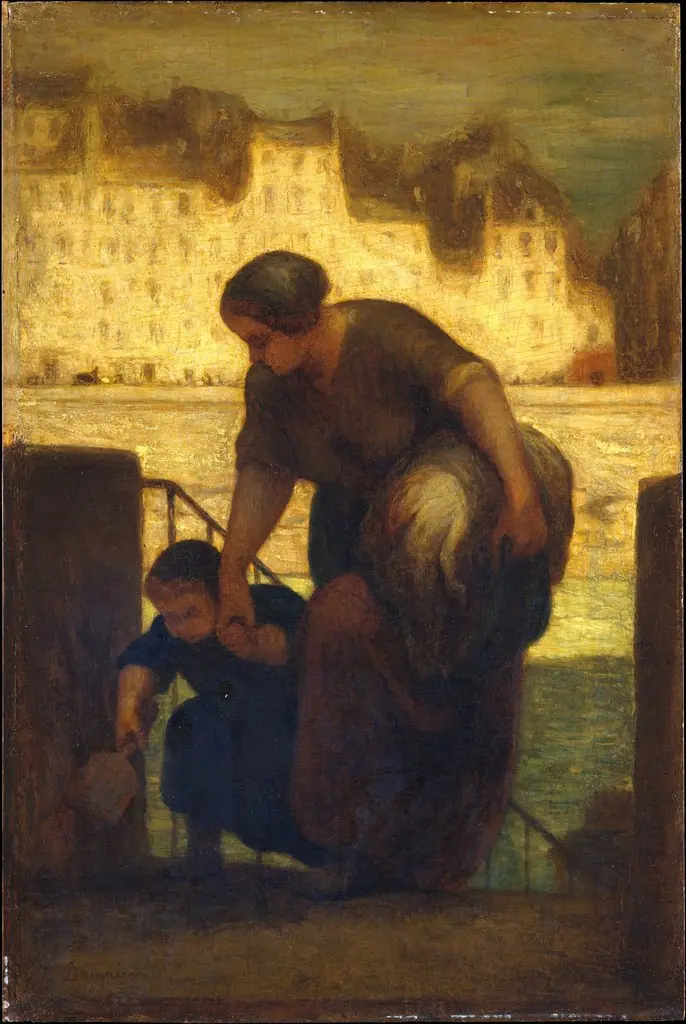
Within Daumier's oeuvre, this piece reflects his interest in capturing the mundane and the humorous aspects of 19th-century French life, often blending satire with poignant observation.
Legacy
As part of Daumier's lithographic output, the work contributes to his legacy as a keen observer of human nature and a master of lithography's expressive potential, influencing future generations of artists in both medium and subject matter.
Artist & collection
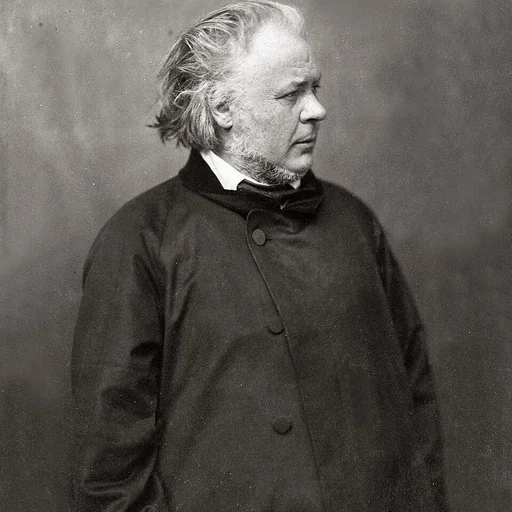
Artist
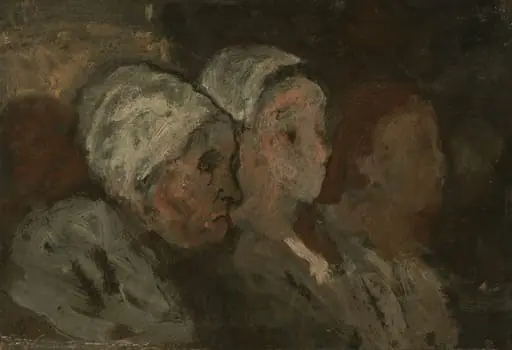
Honoré-Victorin Daumier was a French painter, sculptor, and printmaker, whose many works offer commentary on the social and political life in France, from the Revolution of 1830 to the fall of the Second French Empire in 1870.