Artwork
Quand il y a trente degrés de chaleur...
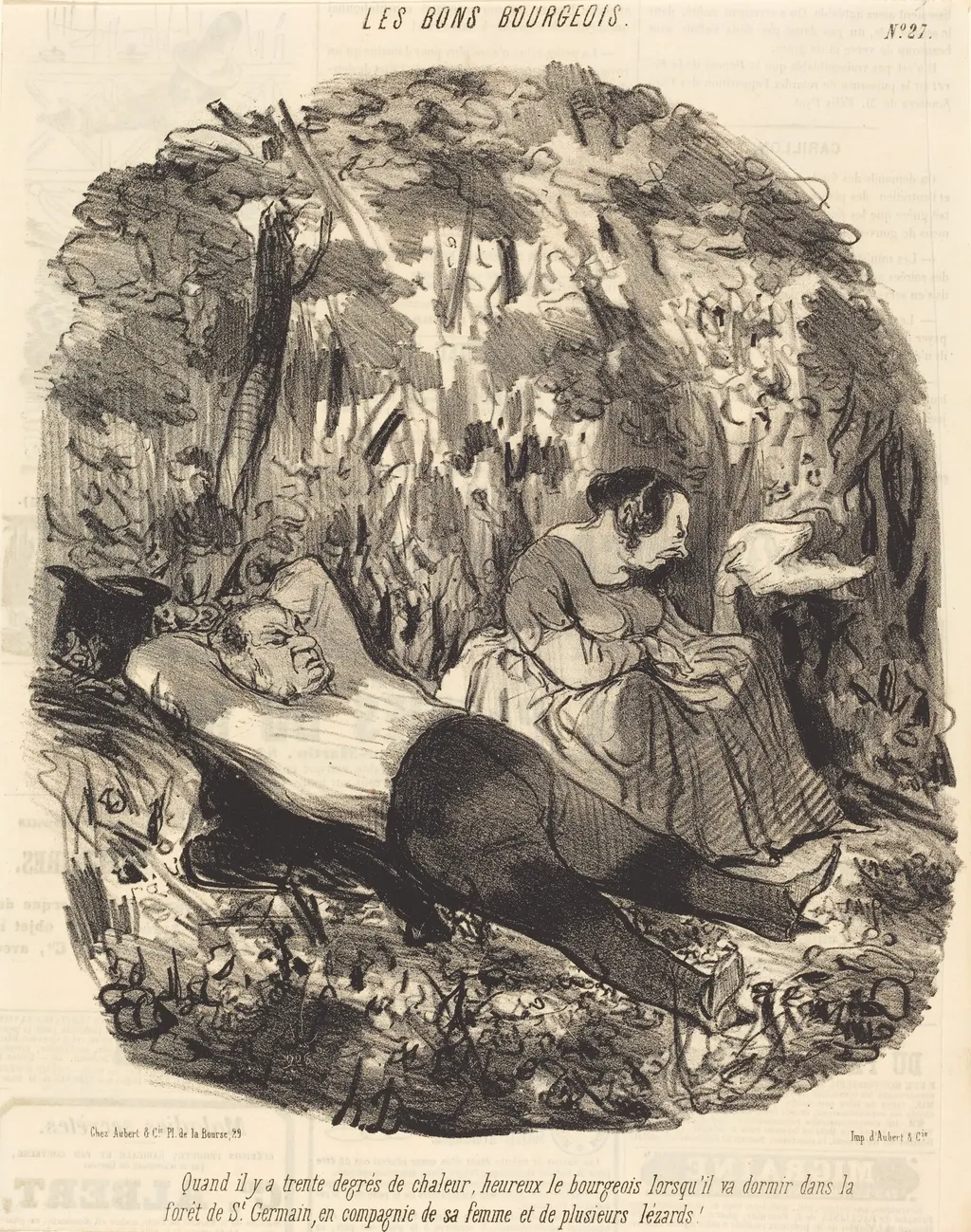
Quand il y a trente degrés de chaleur... is an ink print by the Romanticist artist Honoré Daumier. It dates from 1847 and is held in the collection of the National Gallery of Art.
About this work
Overview
Daumier often used print media to observe everyday struggles, and this image is part of a broader series documenting the lives of the working poor in Paris.
Created in 1847, this lithograph on newsprint by Honoré Daumier captures a cramped interior where a family endures extreme heat. Executed in the rapid, expressive style typical of his journalistic work, the piece reflects his engagement with urban life under the July Monarchy. Daumier often used print media to observe everyday struggles, and this image is part of a broader series documenting the lives of the working poor in Paris.
Subject & Meaning
The scene depicts a family sleeping on the floor of a dilapidated room, their bodies tangled in disarray. A woman holds a child awake while others lie motionless, overcome by heat and exhaustion. The title, referencing thirty degrees of heat, ironically contrasts the discomfort of the elite with the reality of those without shelter. Daumier implies that the poor have no escape from the elements, turning a common complaint into a critique of social neglect.
Technique & Style
Daumier employed lithography on inexpensive newsprint to produce images quickly for mass circulation. His line work is loose yet precise, using ink washes and rapid strokes to suggest texture and movement. Details like the curled cat, the peering face beneath a blanket, and the uneven walls are rendered with economy, enhancing the sense of chaotic intimacy. The medium’s immediacy suited his goal: to capture fleeting moments of social truth.
History & Provenance
The print was likely published in *Le Charivari*, the satirical journal where Daumier regularly contributed. As political censorship intensified in the 1840s, his work increasingly focused on social conditions rather than direct political figures. This piece survived as part of a larger archive of his prints, preserved by collectors and institutions interested in 19th-century French visual culture. Its fragile paper underscores its original function as ephemeral commentary.
Context
In mid-19th century Paris, urban overcrowding and inadequate housing were widespread, especially among laborers. Summer heat exacerbated living conditions, yet public discourse often ignored these realities. Daumier’s image aligns with broader reformist sentiment, reflecting the growing tension between the bourgeoisie and the working class. His work offered a visual counterpoint to official narratives, grounding political critique in the intimate spaces of daily life.
Legacy
Daumier’s prints, including this one, influenced later generations of social realists and cartoonists who sought to depict ordinary life with honesty. His use of lithography as a tool for social observation helped elevate printmaking beyond mere illustration. Today, the work remains a quiet but potent record of urban hardship, valued for its unembellished humanity rather than its artistic novelty.
Own this work as a print
Artist & collection
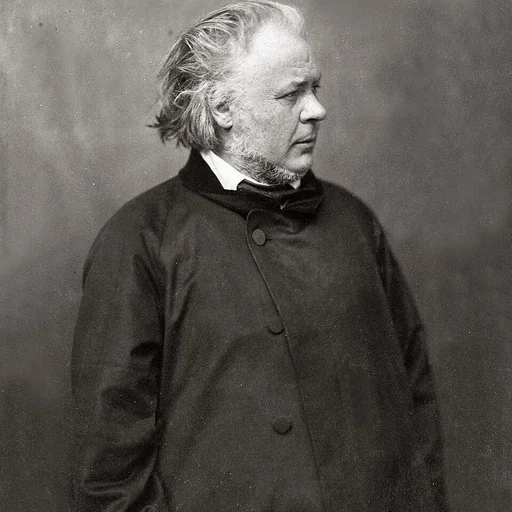
Artist
Honoré-Victorin Daumier was a French painter, sculptor, and printmaker, whose many works offer commentary on the social and political life in France, from the Revolution of 1830 to the fall of the Second French Empire in 1870.








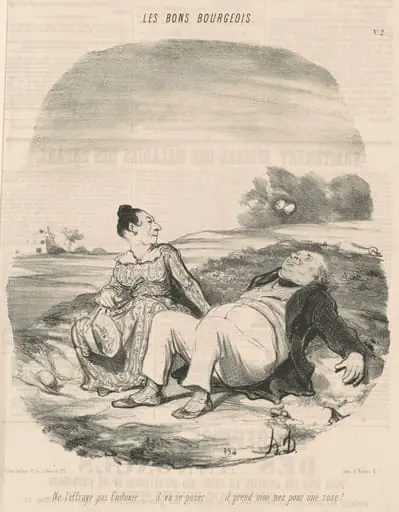 Ne l'effraye pas Eudoxie...
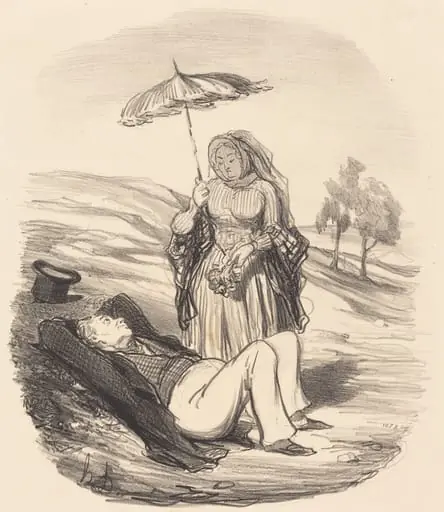 Une Promenade conjugale
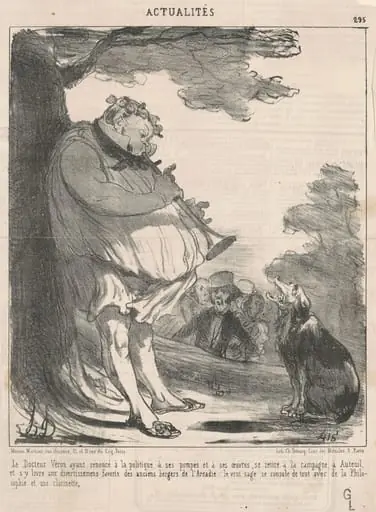 Le docteur Véron ... a Auteuil ...
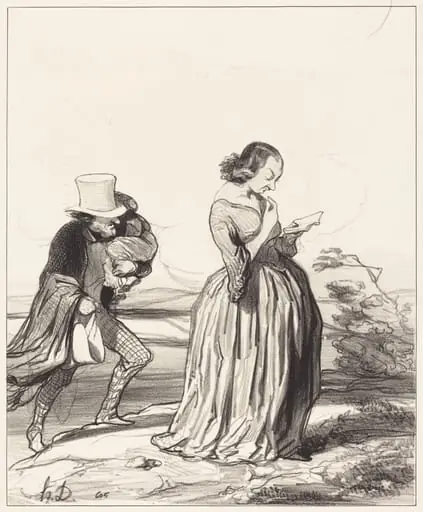 Saperlotte!... que je voudrais... que ma femme ait fini...
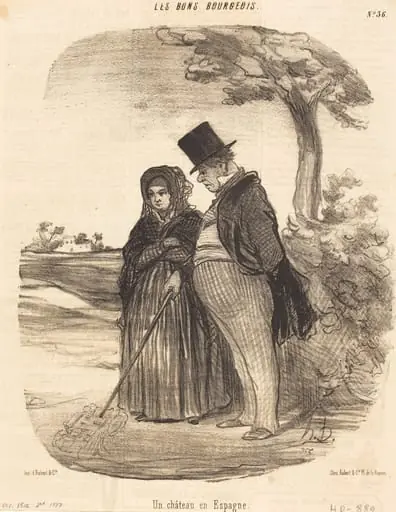 Un Chateau en Espagne
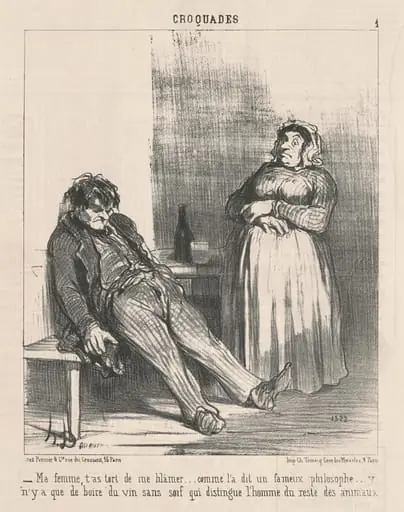 Ma femme, t'as tort de me blamer ...
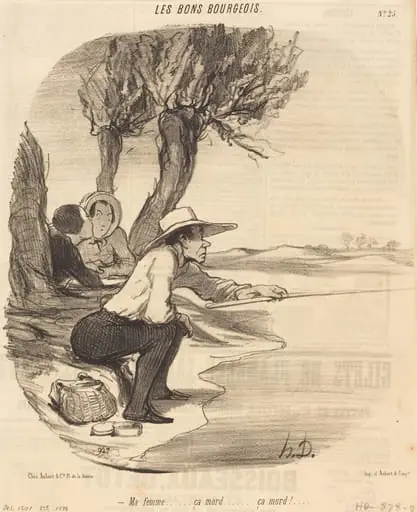 Ma femme... ça mord... ça mord!
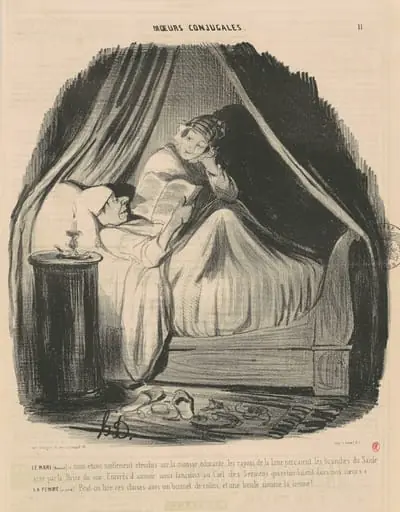 Le mari lisant: nous étions mollement étendus...
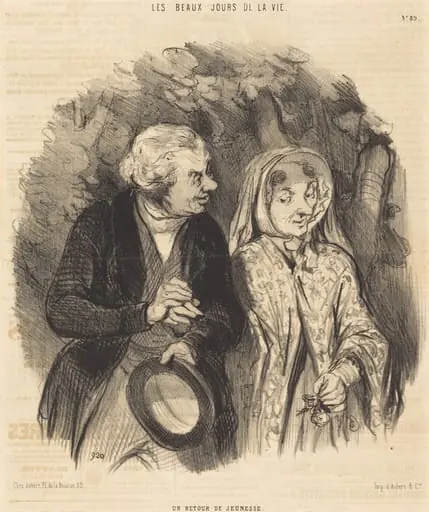 Un Retour de jeunesse
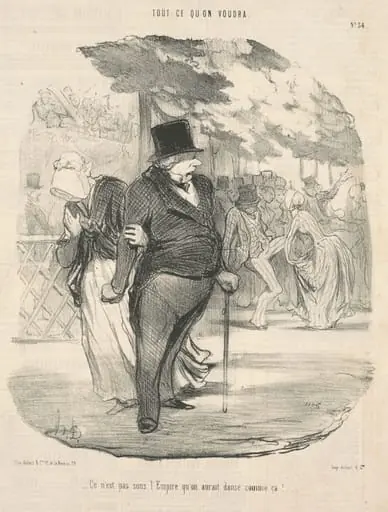 Ce n'est pas sous l"empire qu'on aurait dansé comme ca! ...
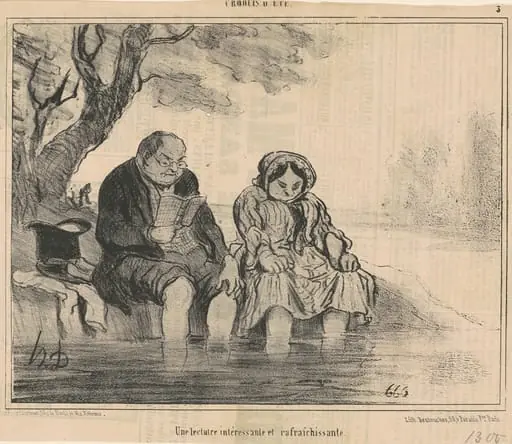 Une lecture intéressante et rafraichissante
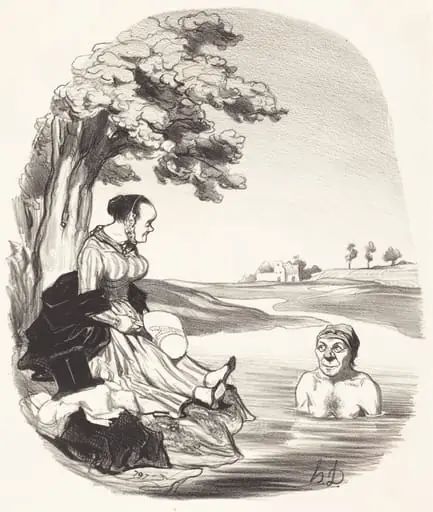 L'Eau est délicieuse... je t'assure...